Do you know your risk of glaucoma?
Glaucoma can result in blindness but rarely causes symptoms in the early stages. With cases on the rise, discover if you’re at risk and how you can protect your eyes.
Glaucoma can result in blindness but rarely causes symptoms in the early stages. With cases on the rise, discover if you’re at risk and how you can protect your eyes.
Glaucoma cases in the UK are predicted to rise by 60% to 1.6 million by 2060, according to new research published in the British Journal of Ophthalmology.
It’s a complex eye disease that becomes more common as we age – glaucoma is six times more common in the over-60s.
“Glaucoma is a common eye condition that damages the optic nerve – which connects the eye to the brain – causing irreversible loss of vision if untreated,” explains Alex Day, consultant ophthalmologist at London’s Moorfields Eye Hospital.
“It is usually caused by high pressure inside the eye, though it can occur even with normal pressure.”
There are several different types of glaucoma. The most common kind is known as 'open-angle' glaucoma, where the fluid in the eye doesn’t drain properly, causing pressure to build up. It’s estimated that 2% of people over the age of 40 have this kind of glaucoma, rising to almost 10% of over-75s.
Age is the most significant risk factor for glaucoma. “As we age, the eye’s drainage channels (known as the trabecular meshwork) become less efficient, causing fluid to build up and pressure to rise,” says Day.
“The optic nerve becomes more vulnerable to damage from this pressure due to reduced blood flow and ageing changes that cause stiffening of the lamina cribrosa [the mesh-like structure at the back of the eye that the optic nerve fibres pass through].”
Assess your risk using this quiz from the charity Glaucoma UK.

The most common kind of glaucoma is often called the “silent thief of sight” because it doesn’t have symptoms in the early stages, says Day.
“Peripheral visual field damage occurs so slowly that you don’t notice, and the brain is very good at filling in the gaps using visual information from the other eye,” he says.
“Consequently, patients often don’t notice anything wrong until significant damage has occurred to their visual field, and unfortunately this can't be reversed once the damage has occurred.”
Francesca Marchetti, at the College of Optometrists, and an optometrist in Warwickshire, says that warning signs of glaucoma include loss of peripheral vision, eventually developing into tunnel vision.
“You might find that you're knocking things over or scraping your car as you’re not seeing to your left or right,” she explains. “You may not be able to judge distances as well, as you gradually lose your peripheral vision and develop tunnel vision, but it happens so gradually you don’t notice.”
Marchetti says the people she worries about most are those who don’t go for regular eye examinations and just buy magnifiers or over-the-counter glasses for reading. “In doing so, they're missing out on check-ups that can detect early-stage glaucoma, and they won’t be diagnosed with it until it’s too late and their sight has been damaged irreversibly.”
The rarer “acute angle-closure glaucoma” causes acute symptoms such as severe eye pain, redness, headache, nausea and seeing coloured rings or halos around lights. When this happens, it’s important to get medical help immediately.
Routine eye tests play a vital role here, as the most common kind of glaucoma has no symptoms until damage has been done.
“Optometrists use tonometry to measure pressure (often the “puff of air” test), visual field tests to check peripheral vision, and Optical Coherence Tomography (OCT) scans to examine the health and thickness of the optic nerve fibres in detail,” explains Day. These are done as part of a routine eye check-up.
Early diagnosis is critical because vision lost to glaucoma cannot be recovered.
“Early diagnosis allows us to lower eye pressure and halt further damage, effectively preserving the sight you have left,” says Day. “Delaying treatment risks further irreversible vision loss and ultimately blindness.”
“Approximately half of all glaucoma cases are thought to be undiagnosed, and a recent landmark study by University College London estimated that more than a million people in the UK over 40 years old have glaucoma,” says Day. “The gap in diagnosis is even higher among those of an ethnic minority background.
“Afro-Caribbean patients are four times more likely to present with severe visual field loss. This highlights why regular testing is so important, as you simply cannot rely on noticing symptoms yourself.”
Regular eyes tests: While you can’t change your genetics, regular eye tests can detect glaucoma early and prevent vision loss.
Vitamin boost: One study of 57 glaucoma patients found that those who took a vitamin B3 supplement experienced improvement in inner retinal function.
Managing stress: A 2018 study of 90 patients who were assigned to either a waiting list control group or a short course of mindfulness-based stress reduction meditation found that the mindfulness group had reduced eye pressure and normal stress biomarkers, and reported improvements in quality of life. The authors said it could be recommended as an add-on to standard treatments.
Regular physical activity: Researchers gave 141 older adults with glaucoma accelerometer devices for a week to measure their activity levels. The study found that walking an additional 5,000 daily steps, or spending 2.6 hours on a non-sedentary activity (e.g. pottering, cleaning, gardening), decreased visual field loss by approximately 10%.

Marchetti says you should have an eye test every two years, or more often if advised by your optometrist. In the UK, NHS eye tests are free for everyone aged 60 and over, and for those aged 40+ with a direct family history of glaucoma (parent, sibling or child).
“These have changed in recent years,” says Marchetti. “Previously, most people controlled glaucoma with eye drops [which reduce the pressure], but in 2022 the National Institute for Health and Care Excellence (NICE) recommended a procedure called Selective Laser Trabeculoplasty (SLT) as the first-line treatment for newly diagnosed glaucoma patients, replacing the standard treatment of eye drops.”
SLT is a 10-minute, painless outpatient laser treatment that uses short pulses of low-energy light to target specific cells containing melanin, a pigment that can accumulate in the eye’s drainage system, causing high pressure within the eye. It lowers eye pressure effectively without the side effects and difficulty of putting in eye drops.
SLT doesn’t damage surrounding structures but stimulates white blood cells to clear the affected cells and rebuild the meshwork so that it drains effectively again.
After the operation, it usually takes around eight weeks to work and has a 78% success rate.
“Most people who have this done won’t need eye drops. The effects can wear off after about 10 years but can be repeated,” says Marchetti.
“It’s still a bit of a postcode lottery, though, about whether you’ll get SLT as a first-line treatment.”
SLT can also be used alongside eyedrops to enhance their effects.
In patients who also have cataracts, cataract surgery can be combined with a glaucoma procedure (called MIGS or minimally invasive glaucoma surgery), whereby the vision (cataract) and eye pressure (glaucoma) can be treated during the same 15-20-minute operation, through the same tiny incision, explains Day.
Other types of operation include glaucoma implant surgery, where a tiny shunt is implanted into the white of the eye to help drain away excess fluid.
Eye drops can also be prescribed to either reduce the amount of fluid in the eyes or increase drainage. There are several different categories of eyedrops that work in different ways. These include alpha agonists, beta blockers, prostaglandin agonists, cholinergic agents and carbonic anhydrase inhibitors.
“The good news is that, with modern treatments, vision loss is uncommon,” says Day.
“While exact figures vary, it’s estimated that only about five to 10% of patients with treated glaucoma progress to develop severe visual impairment. Blindness is rare if the condition is caught early and treatment is maintained.
“But if you don’t have your eyes checked regularly, you could miss the early stages of the disease – it’s so important to get tested.”
(Hero image credit: Getty)


Buy direct and start a new Saga Health Insurance policy by the end of 10 December 2026 to get your first 3 months free. T&Cs apply.
Underwritten by Bupa Insurance Limited.

Some Saga holidays include soothing or spiritual activities like joining a traditional tea ceremony in Japan, practising yoga in India or bathing in Iceland’s Blue Lagoon.

Are you retiring at the wrong age? The best age to retire for your body, brain, happiness and pocket.


Everything you need to know about the lung infection, and how you could be ill with “walking” pneumonia without realising it.
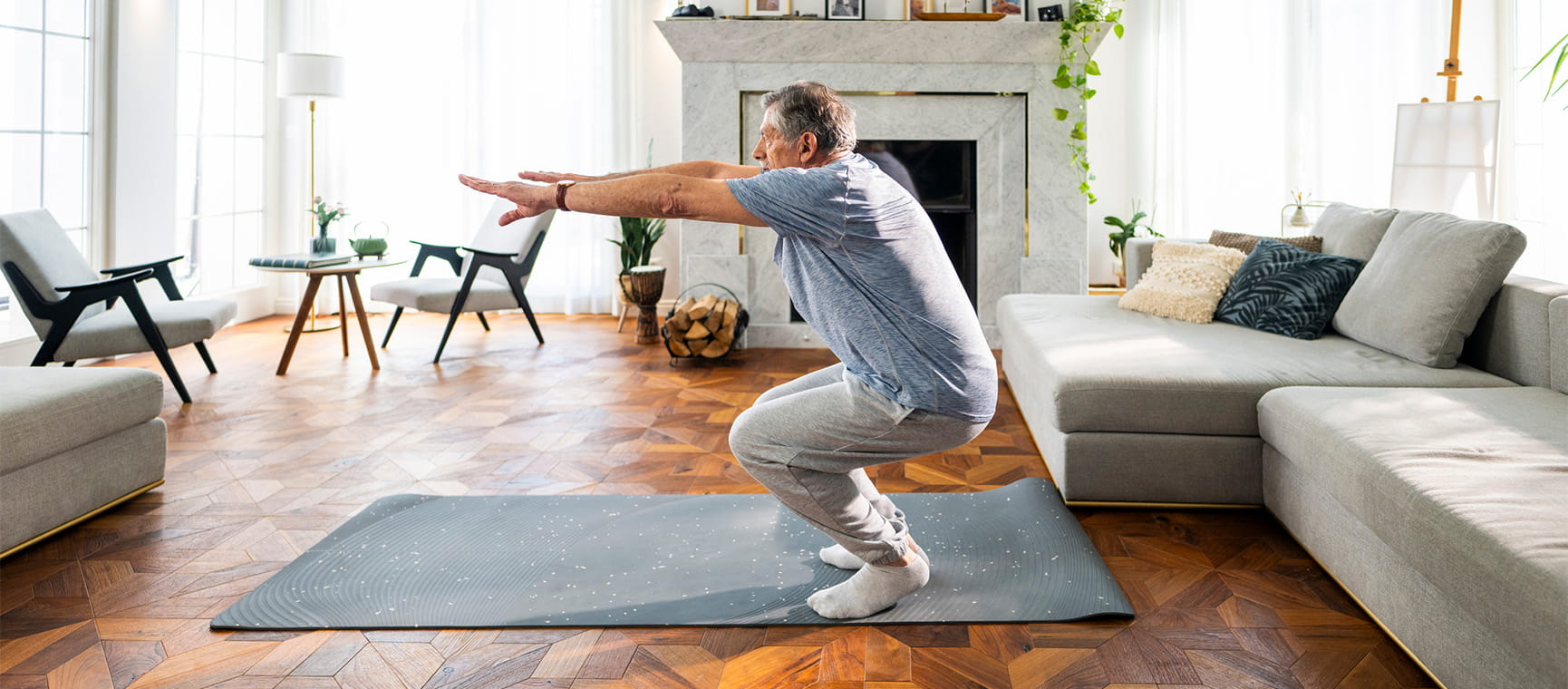
Strong calves for a strong mind: how they support our circulation and brain health, with easy moves to strengthen yours at home.


Our GP Dr Mark Porter explains what can cause itchy skin, which is a common problem as we get older.

Worried you’ve morphed into Victor Meldrew? Find out how to battle that bad mood, and what to do if you’re stuck with a grouchy loved one.

The benefits of heat and cold therapy, and how Nordic bathing won over our nervous writer.

Here’s how to spot the symptoms of heat disease and reduce your danger.

Everything you’re entitled to this year, when you can have it, and the gaps that remain.

Pilates for back pain – what to do if you are suffering, and five gentle exercises that could help.

Dizziness or vertigo: a sensation of spinning, can stop us doing everyday things for fear of falling. Try these tips to stop feeling dizzy


You don’t have to put up with bladder leaks. We try out the latest pelvic floor gadgets for men and women.
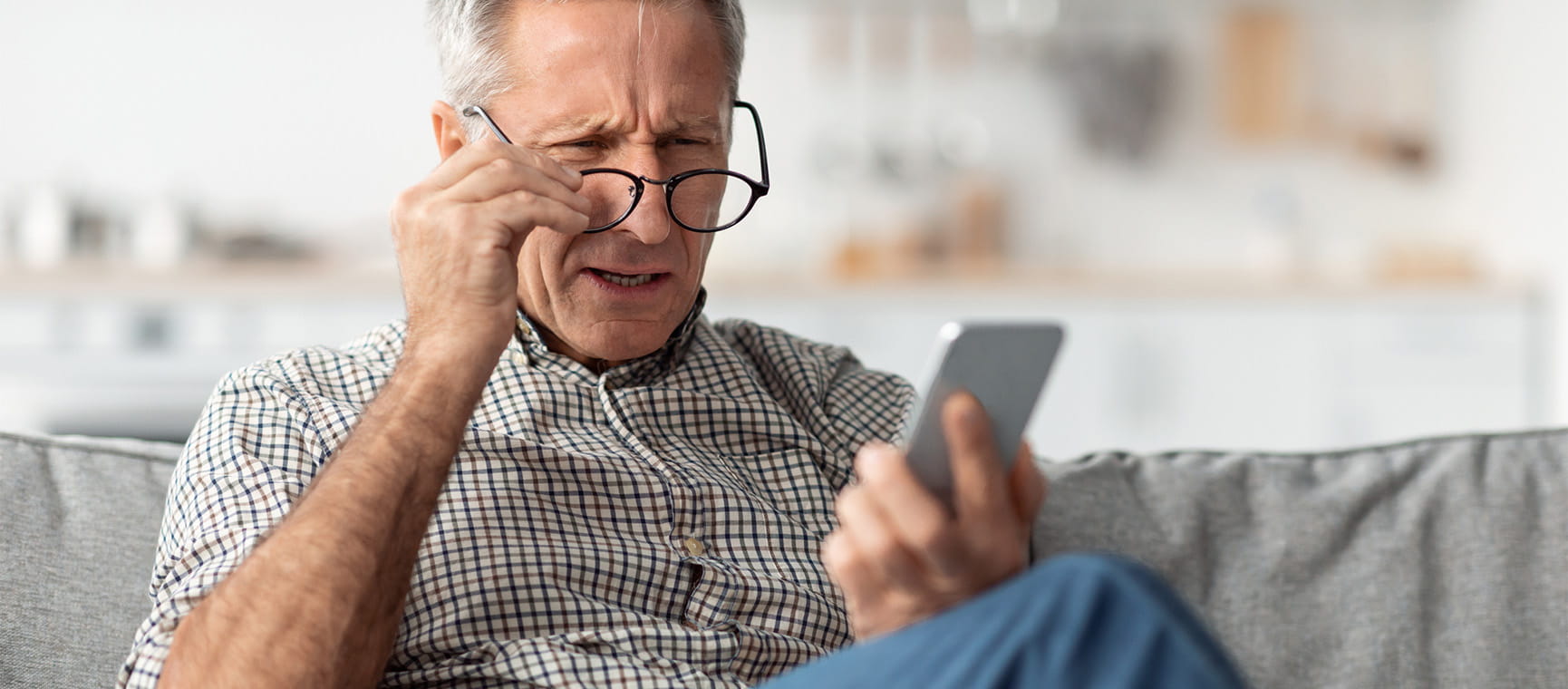
Cataracts are a normal part of ageing. Learn how to spot the signs – and when it’s time to consider surgery.