I tried the new hearing glasses and here’s what happened
A new range of audio spectacles amplify sound without the need to stick anything in your ears, but do they really help you hear better?

A new range of audio spectacles amplify sound without the need to stick anything in your ears, but do they really help you hear better?
As a lecturer at a university, my husband admits he sometimes struggles to hear his students at the back of the class, but like me he doesn’t want to wear a hearing aid for fear of being labelled “past it”, so he walks around the room when he doesn’t quite catch the question the first time.
He’s blaming ear wax and paying £70 every six months to get them irrigated – as no syringing is available on the NHS locally. If your family is shocked at how loud you turn the TV up and exasperated by you asking them to repeat themselves, or you find yourself slightly dreading eating out in busy restaurants because of intrusive background noise, you probably have a hearing problem.
Hands up – I’m in this camp. Which is why I volunteered to road test the new hearing specs. At 62 I’m struggling to hear friends when we meet in noisy social situations, constantly turning up the TV and switching on subtitles on American dramas as I reckon all the actors “mumble”.
I’m usually okay hearing one to one conversations in a quiet place but increasingly blame “poor acoustics” when I struggle to keep up with conversation in noisy places, so am bordering on possibly needing a hearing aid.
However, memories of my grandmother Nellie’s clunky NHS hearing aids constantly whistling (and not really working very well), are holding me back from investigating.
Plus, I’m working in an ageist industry and worried that wearing one carries a certain stigma – and could be seen as a badge of old age – rightly or wrongly.
I did an RNID online hearing test which indicated I had some hearing loss, although a follow up test with an audiologist found this was mild.
My husband is in the same boat – so we’re constantly shouting “What?” and “Pardon?” at each other and telling each other off for not listening.
Our three daughters, all in their twenties with near perfect hearing (despite their heavy use of headphones), recoil at how loud the TV is blasting in the living room and get tetchy when we can’t hear them over the extractor fan when we’re cooking in the kitchen.

It turns out we are far from alone in our reluctance to get hearing aids. Figures from a survey by the Royal National Institute for the Deaf (RNID) found that 47% said hearing aids hadn’t been accepted in the way spectacles have, and 34% said they would hide their hearing aid if needed, with 11% even saying they would prefer to live with hearing loss rather than wear a hearing aid.
“We know that more than half of people aged 50 and over have a hearing problem and this rises to 80% in the over 75s,” says Franki Oliver, audiology manager at the RNID.
“For whatever reason, people just don’t seem as comfortable wearing a hearing aid as they do a pair of glasses,” Oliver says.
“Some people hate the visibility of a hearing aid, others find them uncomfortable to have in the ear, or are prone to ear infections, or find them difficult to wear with spectacles that have thicker arms.”
There are long waiting lists for NHS audiology appointments and the price of private digital hearing aids can be eye watering – the average cost is £2,800 (although NHS models are free and also use digital technology). These are the obvious reasons why many of us put off doing anything about our hearing loss.
Apart from obvious things like keeping up with conversations and enjoying music, correcting hearing loss means you are less likely to become socially isolated, a risk factor for dementia. The Lancet added hearing loss to its list of modifiable risk factors for dementia, along with vision loss (something most of us are much less reluctant to correct).
With my late mother sadly succumbing to dementia, I’m keen to do all I can to reduce my risk. And there are other reasons for starting now.
“There’s… evidence that getting used to wearing hearing aids at an earlier stage helps the brain adjust better to new sounds rather than waiting until your hearing loss is severe, when it can be a much bigger adjustment to make for the brain,” says Oliver.
“They also help people stay in work, enjoy music, and have conversations with grandchildren – and all the things that contribute to quality of life.”
So, could a new generation of “hearing specs” and other devices such as hearing earbuds be the cheaper and more aesthetic answer for reluctant hearing aid wearers like me?
I must emphasise that these only work for mild to moderate hearing loss (mild hearing loss is classified as being able to hear sounds between 20 and 40 decibels and moderate hearing loss between 40 and 70 decibels). The hearing spectacles for instance have microphones and speakers built into the arms of the glasses to amplify sound close to your ear, but nothing in your ear or behind it.
“These types of glasses don’t have enough amplification for severe hearing loss, so probably work best for people who can hear okay on a one-to-one basis but struggle in busy environments with lots of background noise,” says Oliver.
“We’d advise you to always have a hearing test first before buying them though as your hearing loss might be too severe for them to work for you.
“We think they may be a good way to get people into trying amplification earlier if they are reluctant to go down the hearing aid route. We don’t know that yet but that might be one of the benefits of these types of glasses and other devices, we’re starting to see this in the US where hearing aids have been sold over the counter in supermarkets (without prescription) for some time.”

Nuance and Meta both have hearing spec models available, and both aim to help people with mild to moderate hearing loss hear better in noisy environments.
Nuance launched its hearing specs in the UK in 2025 – they have built-in directional microphones in the arms that limit background noise and background noise interference.
Meta announced in September the launch of the Meta Conversation Focus feature to its Meta Ray–Ban 2 Generation) glasses with built-in microphones and AI1, to amplify speech. These are currently only available in the US and Canada on an early access programme.
“Hearing spectacles aren’t new – in the past they have included spectacles that are linked by a wire to a hearing aid in the ear and others which amplified sound by using bone conduction technology,” says Oliver.
A hearing aid feature available from Apple on the Pr03 and Pro2 model earbuds is in the same class of devices as the over-the-counter hearing aids you can buy from pharmacies.
“These devices can help with mild to moderate hearing loss, but they are not prescription-strength like the hearing aids you’d get from an audiologist either on the NHS or privately, so not the same as conventional hearing aids,” stresses Oliver.
At £1,000 a pair (without lenses), the new types of hearing spectacles such as those made by Nuance aren’t cheap, but are, I figure, still less expensive than a private hearing aid.
After a try out in the Oxford Street Vision Express, I ordered some frames (there are a choice of five colours, but only two styles, one squareish and one roundish) fitted with my prescription for distance and reading as well as Transition lenses which go dark in sunlight.
When they arrive 10 days later, I’m told I’ll have to download an app for my mobile phone and use them to set up the glasses. It’s surprisingly simple to pair the glasses with the app and then follow the instructions for calibrating the glasses to match the levels of my hearing loss.
From the app you can control background noise – turning it down or up. They come with a charging pad and have a battery life of eight to 10 hours (actually a lot less than a traditional hearing aid battery which can last 20 to 30 hours). But if you’re worried about battery life, you can always turn the hearing function off via the discrete switch for when you don’t need it.
There are microphones built into the arms of the glasses, and you can set them to pick up sounds in different directions – either in front of you or all around and adjust the volume.
The first time I wear them I’m amazed at how clearly I can hear my daughters chatting during a noisy dinner. The net result is I feel more relaxed and join in the conversation more. Watching TV later I find I am able to turn the volume down.
Next outing was to a pub quiz – a loud environment I usually struggle to hear the quiz master at, but this time my hearing is spot on (and I even overhear a nearby team discussing their answers). I manage to screen out the background noise by adjusting the app and some echo I get from my own voice.
At a work event at the Houses of Parliament, I am able to hear a very quietly spoken MP at a press launch and chat with interviewees in an echoey corridor and am seriously impressed with how much the glasses improve my hearing and confidence.
Yes, you do have to twiddle around with the app until you get the levels right, but I’m guessing the adjustment is no more complicated than you would have to do with a hearing aid. Overall, I’m impressed and that knot of anxiety I previously felt when I couldn’t hear people in noisy social and work environments has gone. And now I realise what I’m missing out on, I’m more willing to consider hearing aids if my hearing deteriorates more.
Do get your hearing tested by an audiologist first though – you need hearing aids if you have severe hearing loss. But hearing specs and earbuds may help you out in noisy social situations if your hearing loss is mild to moderate and you don’t want to wear a hearing aid for whatever reason. They also let you kill two birds with one stone by correcting your eyesight too.

The RNID advises: “The only (professionally available) hearing aids that we’re aware of that can be attached to existing frames are the Specaids sold by Hidden Hearing. These use bone-conduction technology, so are generally only suitable for people with conductive hearing loss.
“Most people with hearing loss have sensorineural hearing loss, meaning the hearing loss takes place in the inner ear, and the outer and middle ear function normally. Conductive hearing loss means there is normal inner ear function but a difference in the outer and/or middle ear which reduces or prevents sound waves travelling to the inner ear – for example a perforated eardrum.
“Bone conduction hearing aids and implants work by picking up sound and transmitting it as vibrations across the skull. These vibrations bypass the outer and middle ear and go straight to the inner ear. Bone conduction devices work best when there is good inner ear function.”
The RNID adds: “We’re not aware of any hearing aids that use the same type of amplification as Nuance that can be attached to glasses retrospectively.”
(Hero image credit: Nuance)


Buy direct and start a new Saga Health Insurance policy by the end of 10 December 2026 to get your first 3 months free. T&Cs apply.
Underwritten by Bupa Insurance Limited.

Some Saga holidays include soothing or spiritual activities like joining a traditional tea ceremony in Japan, practising yoga in India or bathing in Iceland’s Blue Lagoon.

NHS England wants everyone to be using its app within three years - we look at the situation UK-wide and what to do if you haven't got a smart phone.
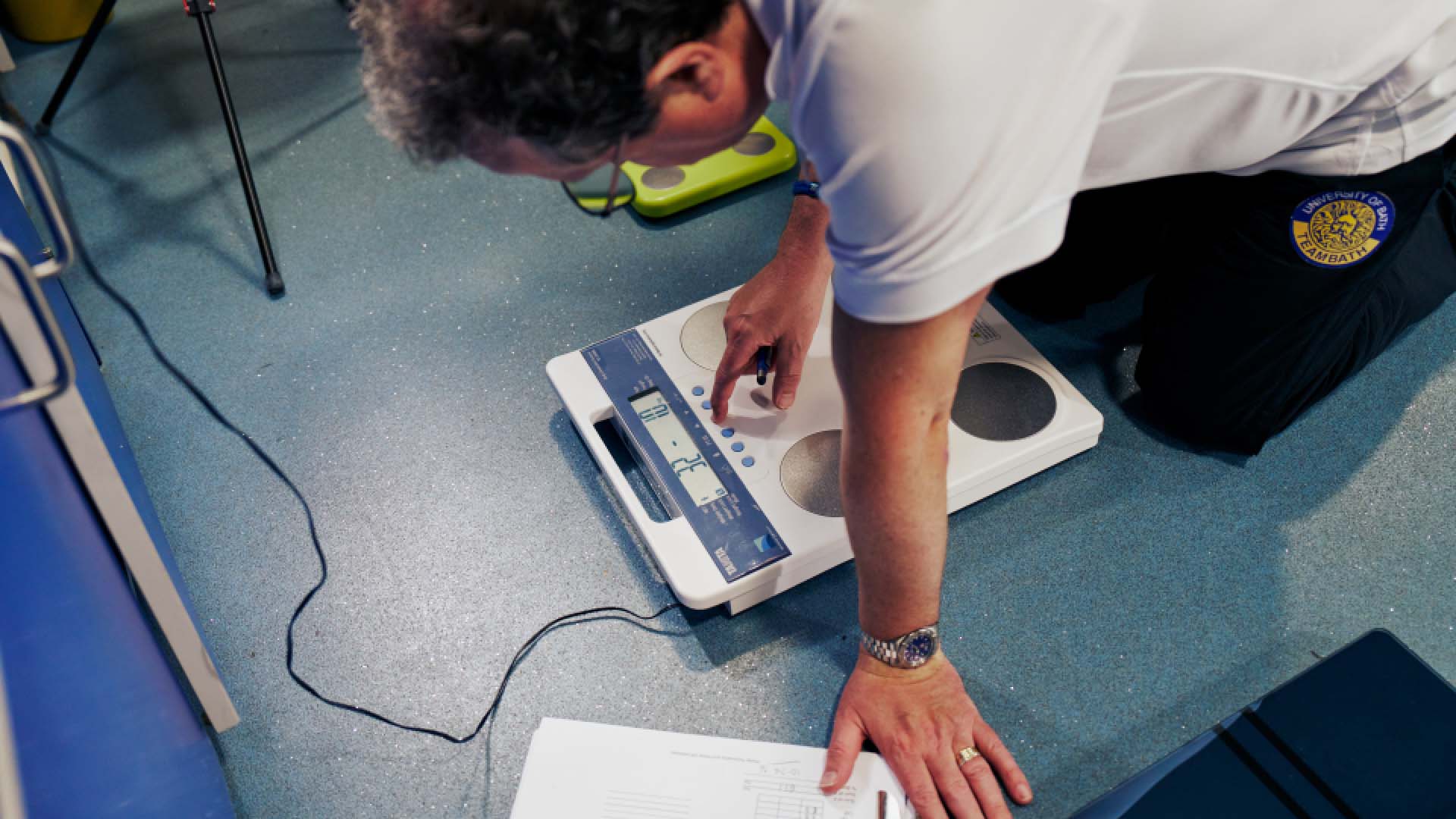
When it comes to tracking your body composition, are smart scales accurate enough to be useful?


The pros, the cons, with expert advice on whether to take your running indoors or out.
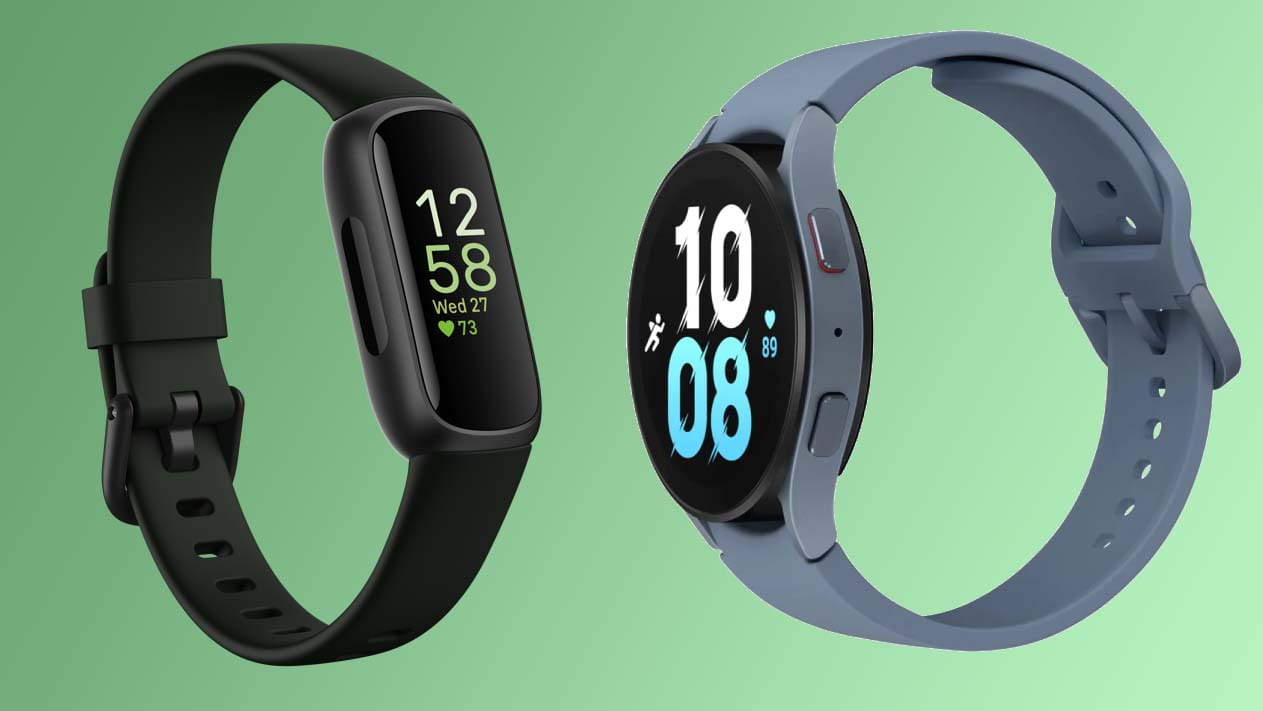
We are here to help you decide which wearable is right for you, a sleek fitness tracker or feature-packed smartwatch
Cleaning with an electric toothbrush is much easier, especially if you have mobility problems in your hands.


Your questions answered about what really is a good 5k time.