Is skipping breakfast bad for your health?
With conflicting advice about when and if to eat breakfast, we ask the experts to separate the fact from the fiction about the first meal of the day.
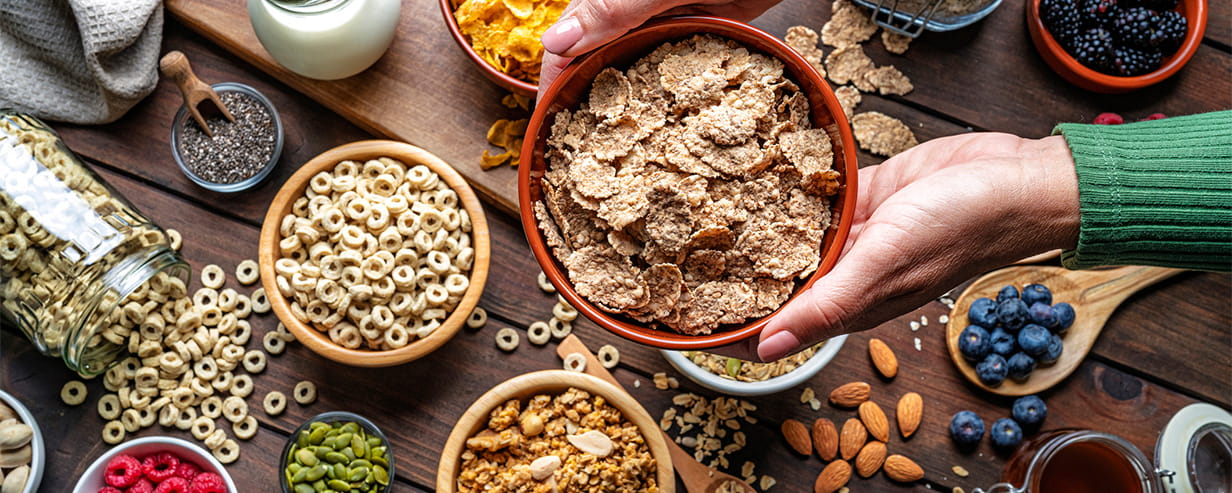
With conflicting advice about when and if to eat breakfast, we ask the experts to separate the fact from the fiction about the first meal of the day.
Do you struggle to muster up an appetite in the mornings? Or perhaps you always wake up famished?
If you fall into the breakfast-skipping camp, you’re not alone. A YouGov poll found that almost half of us miss out on a morning meal, often by choice.
This could be down to calorie-counting and the rise of the intermittent-fasting trend. It might be due to a busy morning schedule that doesn’t allow for breakfast, or even simply not being hungry until later.
But starting the day off on an empty stomach might actually be harming our health, and we could be missing a golden opportunity to boost our bodies and brains.
Some of the world’s healthiest nations such as Finland and Japan treat breakfast as a daily ritual, and they boast low obesity and cardiovascular disease rates, along with longer life expectancy.

Nutritionist, journalist and broadcaster Amanda Ursell is a breakfast advocate. She explains: “As we grow older, we tend to need less energy (measured in kilo calories) to maintain a constant body weight, and yet we need the same – if not more – fibre, vitamins and minerals.”
She says that we simply cannot meet our full dietary intake with lunch and dinner alone. “Breakfast, put simply, provides a great opportunity to keep the nutritional value of our diets topped up.”
Indeed, a Cambridge University study linked nutrient gaps and a less healthy diet overall to those who frequently skipped a morning food fix.
Ursell adds: “And when it comes to protein, we know a ‘three meals a day’ approach – which spreads intakes regularly throughout the day from breakfast onwards – optimises the ongoing building and repair of our muscles, which is crucial to healthy ageing.”
We also risk missing out on desperately-needed morning hydration, which often accompanies our first meal of the day.
“Having breakfast is also an opportunity to drink,” says Ursell.
“Tea, coffee, fruit juice and smoothies all boost fluid intakes at a stage in life when our thirst sensation is less acute and we can easily become dehydrated without realising.
“Drinking at breakfast time and staying hydrated throughout the day can help concentration and lower the risk of confusion, urinary tract infections and light-headedness, which in turn lowers the risk of falls.”
In terms of the more serious health complaints that could manifest from missing breakfast over long periods of time, a study of 118,000 adults found an increased risk of higher blood pressure and cholesterol, raised blood sugar and a link to obesity.
Later eaters are more likely to over-indulge at lunch and dinner and reach for ultra-processed snacks, along with consuming more sugar and saturated fat overall, the study stated.
After the overnight fast of bedtime, our blood sugar is low and our bodies and minds crave glucose to prevent energy crashes, brain fog, irritability and headaches that can kick in when our depleted stores drop even further when we fail to fuel ourselves.
Despite popular opinion turning against “the most important meal of the day” with the rise of the intermittent fasting craze, we have some very good news for loyal breakfast lovers.

No matter the size of your morning snack or feast, you will reap a host of surprising health benefits.
Ursell explains the link between blood sugar control and healthy pancreatic function when we take the time to enjoy a morning meal. “Scientists from Tufts University in Boston report regularly how eating a healthy breakfast is associated with improved blood sugar control, while skipping it is linked with a higher risk of type 2 diabetes,” she says.
Ursell adds: “And when it comes to protein, we know a ‘three meals a day’ approach – which spreads intakes regularly throughout the day from breakfast onwards – optimises the ongoing building and repair of our muscles, which is crucial to healthy ageing.”
“Good blood sugar control is particularly important in later life when the function of the pancreas begins to decline. If tucking into a healthy breakfast can support our pancreas in warding off or better managing type 2 diabetes, it seems a really tangible reason to adopt and maintain the morning habit.”
Mary Merheim, nutrition consultant and author of Navigating Nutrition in Later Life, agrees and re-iterates the importance of the physical safety benefits of a daily breakfast as we age: “Bringing our blood sugar levels back up can prevent light headedness and reduce the likelihood of a trip or fall.”
Several studies have reported an association between regular breakfast consumption and a lower risk of cardiovascular disease. The most intensive research paper looked at 6,550 adults aged between 40 and 75 over six years and followed them up over a 17-to-23-year period. The study concluded that skipping breakfast was associated with a significantly increased risk of mortality from cardiovascular disease, and supported the benefits of eating breakfast in promoting overall cardiovascular health.
“It seems likely that such an impact comes from a porridge and fruit style start to the day rather than a full fry up,” Ursell notes. “The latter is inherently high in saturated fat and as Diane McKay, assistant professor at the Friedman School of Nutrition and Science Policy, also part of Tufts University explains, our liver also becomes less efficient as we age.
“This makes this vital organ less able to process fats we eat in our diet, while potentially increasing its production of ‘bad’ LDL cholesterol, which can increase risk of strokes and heart attacks.”
Breakfast is a true “brain food” indeed, and offers a wealth of benefits to all-round cognitive function. A Public Health England review found “convincing evidence that consuming breakfast, compared to skipping breakfast, has positive impacts on short-term cognition and memory”.
Our morning mealtime not only offers fuel to our neurons but also stabilises brain chemistry and aligns our body clocks.
Ursell highlights the evidence linking healthy brains to breakfast in later life: “Research published last year in the Journal of Nutrition Health and Ageing reveals regular breakfast consumption is positively associated with cognitive function in adults aged 55 years and above.
“Previous research from Kindai University in Japan meanwhile revealed better cognitive scores in breakfast eaters who ate significantly more vegetables, fruits and fish compared with breakfast skippers indicating it is not just eating breakfast that helps brain power, but what we eat as well.”
Scientists and nutritionists agree that the earlier, the better.

“Recent research from scientists at Harvard University shows that later breakfast times were consistently associated with fatigue, depression and worse sleeping patterns in older people compared with those managing to eat their first meal of the day earlier on,” says Ursell.
“Obviously, we all have our own morning routines, but a rule of thumb could be not to let breakfast drift into becoming an early lunch.”
Merheim advises: “We all get up at different times, so exact timing in the day is less important than spreading our eating throughout the day. Many people wake up early so having something ready or easy to prepare whatever ‘first thing’ means to you is a good idea.”
Many of us just can’t face food when we rise, but even reaching for something small and light can work wonders.
“Try to eat something for breakfast like a little full fat yogurt with some fruit,” advises Merheim. “This will give you a kick start. Always have healthy snacks on hand. A bit of cheese, some nuts or fruit to graze on are a good idea.”
And don’t forget to hydrate, she says: “Drink well throughout the day. Have tea or coffee with whole milk, a herbal tea or a smoothie now and then. But I know it’s tricky sometimes to keep a balance between drinking enough and not filling yourself up when appetite is low.”
Ursell adds: “I understand that eating first thing can be challenging but the benefits of breakfast are compelling for our physical and mental wellbeing as we age, and even if we need an hour or so to feel like eating after waking, there is growing evidence that it is worth trying to create and continue a healthy breakfast habit.
“And it’s a wonderful opportunity to bring in foods that we might miss out on later in the day, such as dairy products like milk and yogurt, whole grains and fruits and vegetables.”


Find out about Saga's gastronomy holidays here...
They say the way to the heart is through the stomach, and Saga’s thoughtfully crafted food and wine holidays are perfect if you like trying new flavours and exploring traditional methods of cooking.

Buy direct and start a new Saga Health Insurance policy by the end of 10 December 2026 to get your first 3 months free. T&Cs apply.
Underwritten by Bupa Insurance Limited.

Expert nutritionists break down the most important foods to eat in each decade as we get older.

We reveal the 7 best tinned foods to supercharge your health while saving you time and money.
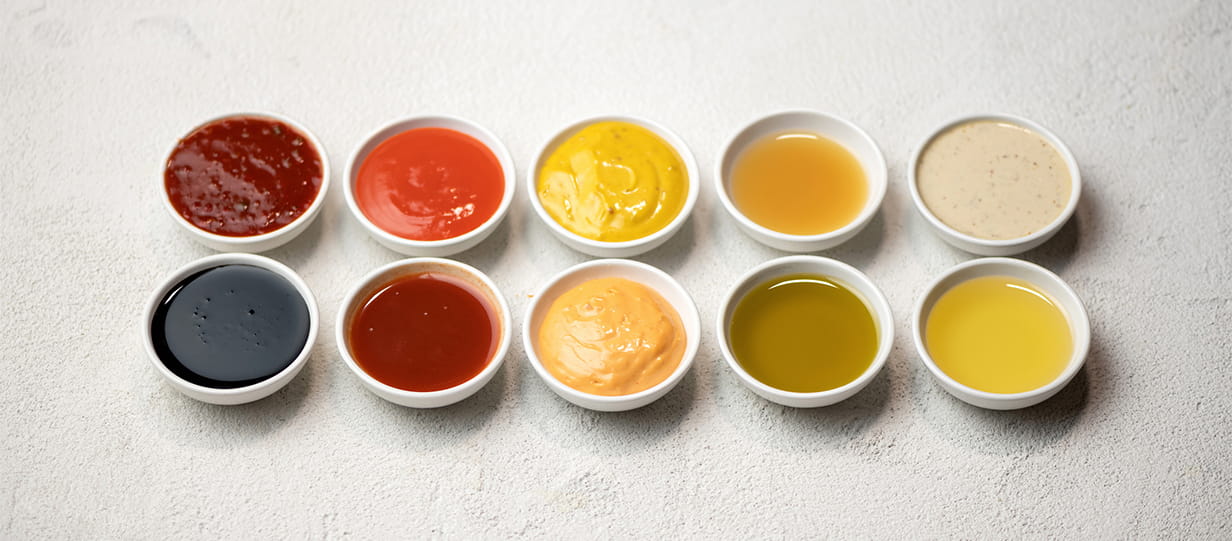
From ketchup to mayo – how healthy are your sauces? We find out the pitfalls and surprising benefits of our favourite condiments.

Could honey be the sweetest way to supercharge your health this year? Our experts explain the benefits and which to buy.
Our expert guide to the common foods you shouldn't mix with prescription drugs.

Experts reveal whether chilled supermarket soups are worth the extra cost and if some flavours are better for you than others.

Looking after your gut health could be one of the biggest things that you can do for your overall health. Here are the best foods to keep your gut happy.
The foods that could help you live longer and protect against chronic illness.


A dietician reveals which foods can help protect vision and prevent age-related eye conditions.
Everything you need to know about protein, from how it benefits your body to the best high-protein foods – and how much you really need.