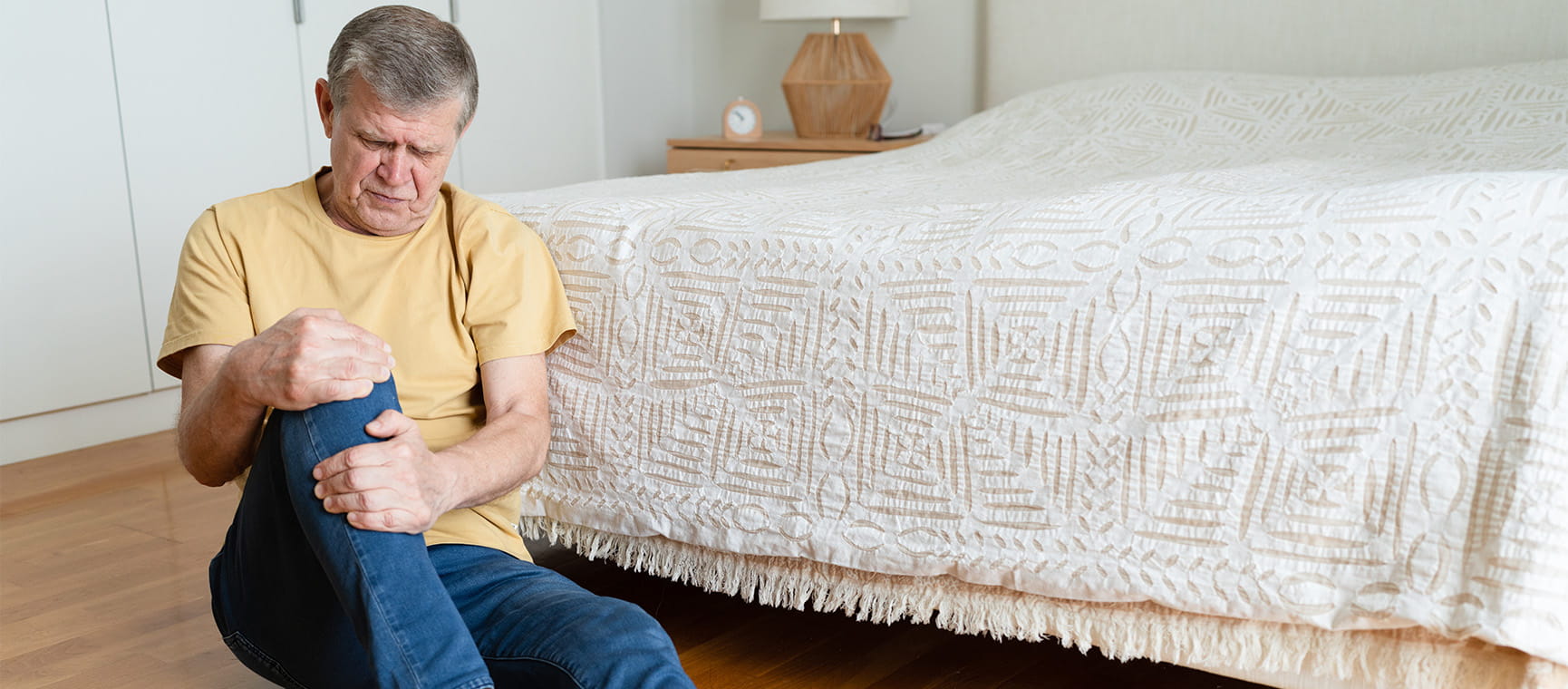
Why your mattress could be ruining your sleep
If you are struggling to sleep, your bed may be to blame. We've got 8 questions to ask to find out whether your mattress is keeping you awake at night.
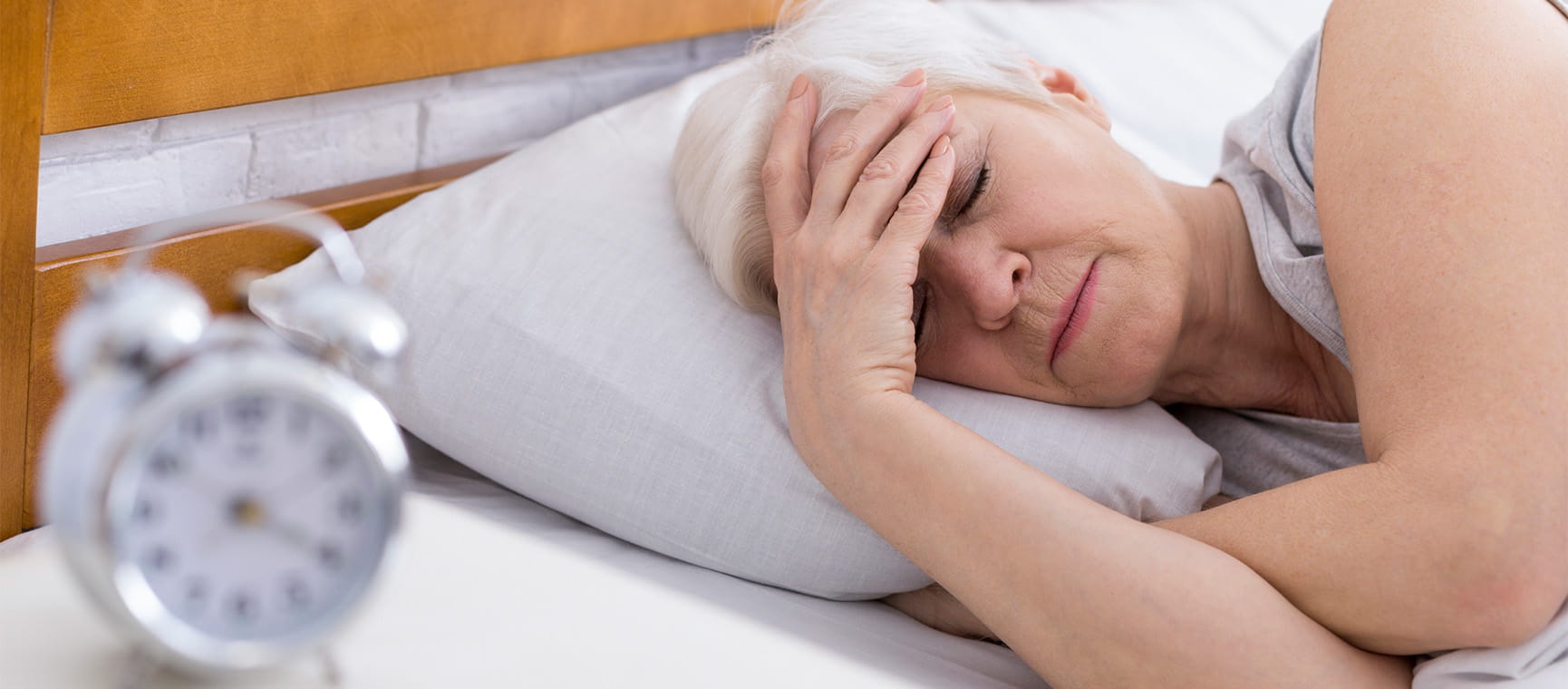
If you are struggling to sleep, your bed may be to blame. We've got 8 questions to ask to find out whether your mattress is keeping you awake at night.
If you regularly wake up feeling achy, restless or just not quite refreshed, your mattress could be to blame.
We spend around a third of our lives in bed, yet many of us are sleeping on a mattress that is either too soft, too firm or simply too old to support us properly.
As we age, our mattress needs change. Ex-BBC journalist turned sleep expert Robbie Lane, known online as The Sleep Guy says, “It’s quite common for people to switch to mattresses with more pressure relief as they grow older and aches and pains emerge.”
You could be due a new one sooner than you think. Guidance from The National Bed Federation suggests we should change our mattress every 7-10 years.
Even if you think you've got the perfect mattress, if you aren't getting a good night's sleep then it could be the culprit.
We've got eight questions to ask to find out whether it's ruining your sleep.

“The key is to find a mattress that allows you to sink in just the right amount,” says Lane.
“You don’t want to be lying on top with no ‘give’ at all from the mattress but you also don’t want to sink too far into it as your spine will end up in an unnatural position.”
Hannah Shore, head of sleep science at Mattress Online says it is our body shape and size that matters the most when it comes to mattress shopping.
“Simply put, the larger you are – the firmer the support. The smaller you are – the softer the support.”
The best sleeping position changes as we get older, but the way you sleep can mean your mattress might not be right for you.
“Side sleepers tend to need a slightly softer-than-average mattress,” says Lane. “This is because firmer mattresses will put a lot more pressure on their shoulders and thighs.”
“If you sleep on your back then you will probably need a mattress that is a little firmer than average.
“Try lying down and putting your hand under your back and see how much of a gap there is. If there’s a big gap then your mattress is probably too firm. If you can’t get your hand in at all, then it’s probably too soft. Aim for something in the middle!
“Front sleepers often go for a firmer than average mattress. You can do a similar test to back sleepers – try putting your hand under your belly to see if there’s a large gap (too firm) or no gap (too soft).”

It is a common misconception that a very firm mattress is best for alleviating back and joint pain, but that is not necessarily the case. You need to select a mattress that provides adequate support for your specific sleeping style.
Lane says: “An adjustable bed frame that lifts up your head and legs can help with comfort and mobility, and you might even get a massage option if you go for a posh one.
"However, some mattresses aren’t compatible with these frames – so check before you buy.”
“Shopping for a mattress if you have an allergy can be confusing, as there are various causes for an allergy and the word ‘hypoallergenic’ is used quite liberally,” Lane says.
“Most experts advise that latex and memory foam are better than sprung mattresses if you have an allergy to dust mites.”

“For women going through the menopause and struggling with night sweats, the mattress can play a key role in dealing with symptoms,” says Shore.
“A natural or polyester mattress rather than foam can give you a more refreshing sleeping environment.”
Hot sleepers may benefit from gel-infused or natural, breathable materials.
It’s important to have enough space for each person to sleep comfortably.
Dave Gibson, from The Sleep Site, says: "The standard-sized double bed surprisingly offers only the same relative space for each sleeper as a baby in a cot. To enjoy the same space that you had as a child in a single bed, you’d need a super king."
So, if your budget and bedroom size allows, upgrading to a larger bed may be beneficial.
"The bigger the mattress the less you’ll feel the other person moving around or getting out of bed," he adds.
Some mattresses, like the SIMBA memory foams, boast of motion isolation – something you can test in the showroom or during your money-back guarantee period.

“There are a small number of zip-and-link mattresses on the market that allow you to choose different firmness levels on each side,” Lane says. “However, these split tension mattresses are not very common and are usually expensive.
“Some people go for a firmness level that is a compromise, but that’s not an ideal solution.
“Another option to consider is buying a super-king bedframe and two European-sized single mattresses.
A super-king base is 180cm wide and 200cm long, and a European single mattress is 90cm wide and 200cm long.
Always double check the measurements before you buy – and bear in mind that a standard UK single mattress is shorter than the European.”
“As you get older, you may find it easier to choose a mattress that doesn’t require turning over,” says Simon Williams from The National Bed Federation.
“Choosing two zipped mattresses rather than one large one also makes things much easier.”
When you can buy a mattress from anything from £100 to tens of thousands of pounds, how much should you spend?
“The National Bed Federation’s annual consumer research indicates that the mean price paid for a mattress is around £600, which should get you a reasonable quality product,” says Williams.
“It’s worth remembering that no other product in your home gets as much use every day as your mattress, so spend as much as you can afford.
“A £1,000 mattress, spread over a seven-year period for two people works out at around 20p per person per night. We are happy to spend £3 or more on a coffee each day but often balk at spending money on a new bed.”



Your chance to win cruise for two to Cádiz, Casablanca and the Canary Islands, worth more than £9,600.

Buy direct and start a new Saga Health Insurance policy by the end of 10 December 2026 to get your first 3 months free. T&Cs apply.
Underwritten by Bupa Insurance Limited.

Are you retiring at the wrong age? The best age to retire for your body, brain, happiness and pocket.


Everything you need to know about the lung infection, and how you could be ill with “walking” pneumonia without realising it.
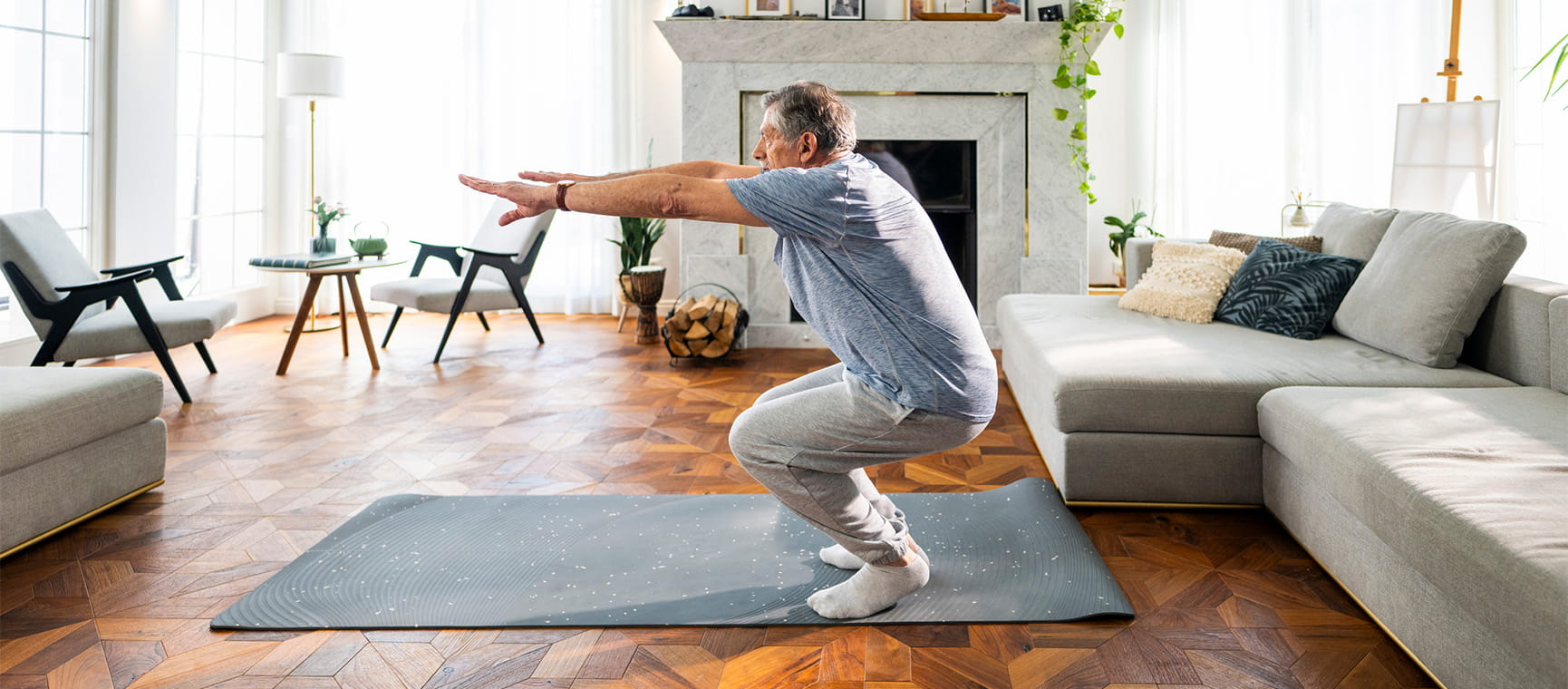
Strong calves for a strong mind: how they support our circulation and brain health, with easy moves to strengthen yours at home.


Our GP Dr Mark Porter explains what can cause itchy skin, which is a common problem as we get older.

Worried you’ve morphed into Victor Meldrew? Find out how to battle that bad mood, and what to do if you’re stuck with a grouchy loved one.

The benefits of heat and cold therapy, and how Nordic bathing won over our nervous writer.

Here’s how to spot the symptoms of heat disease and reduce your danger.


Everything you’re entitled to this year, when you can have it, and the gaps that remain.

Pilates for back pain – what to do if you are suffering, and five gentle exercises that could help.

Dizziness or vertigo: a sensation of spinning, can stop us doing everyday things for fear of falling. Try these tips to stop feeling dizzy


You don’t have to put up with bladder leaks. We try out the latest pelvic floor gadgets for men and women.

Cataracts are a normal part of ageing. Learn how to spot the signs – and when it’s time to consider surgery.