Which meat-free alternatives are best for your health?
From tofu and tempeh to Quorn and pea protein, experts explain the pros and cons of today’s most popular meat-free proteins.
Getty
From tofu and tempeh to Quorn and pea protein, experts explain the pros and cons of today’s most popular meat-free proteins.
So-called “vegan” meats are often low in saturated fat, high in fibre, and good for the planet. However, many count as ultra processed foods, which doesn’t sound so healthy. It’s thought recent concerns over UPFs are behind the £23 million fall in sales of plant-based proteins.
So what’s the truth? While there is no denying that plant-based meat substitutes are processed, this doesn’t automatically make them unhealthy.
“Ultra-processing is a nuanced term – biscuits, crisps and ready meals fall into this category, and all contain high saturated fat, sugar and salt,” says dietitian Louise Symington. “While vegan meat is quite heavily manufactured and may contain stabilisers or emulsifiers, the mince and chunk versions are usually low in fat and sugar, making them a healthy choice.”
Professor Christopher Bryant, executive director of Bryant Research and a fellow at the University of Bath, agrees: “‘Natural equals healthy’ is a rule of thumb that feels intuitive to people, but it doesn’t survive scrutiny. Red meat is natural, yet excess consumption is linked to heart disease, cancer and lowered life expectancy.”
Sometimes, ultra-processing can make food healthier, Prof Bryant points out: “The process of turning legumes, lentils and soya into vegan meat substitutes reduces their phytic acid content, which is desirable as phytic acid hampers the absorption of iron, calcium and zinc. Fortifying vegan products with minerals such as iron and B12 is also beneficial to our health.”
Many consumers of plant-based meat substitutes are younger, yet it’s those over 50 who would probably benefit most from adding them to their diet. “Vegan meats are a good option for anyone worried about diabetes or heart disease as they’re generally low in saturated fat,” Symington explains.
“And plant-based alternatives shine in their high-fibre content compared to zero fibre in meat. Most of us aren’t getting the recommended 30g a day, but it’s so important as you age, transforming everything from sluggish digestion to immunity levels, thanks to its ability to boost good gut bacteria.”
Symington does have one caveat, though: “If you have high blood pressure, do check the salt content as some products can be higher in sodium than their meat equivalents.”
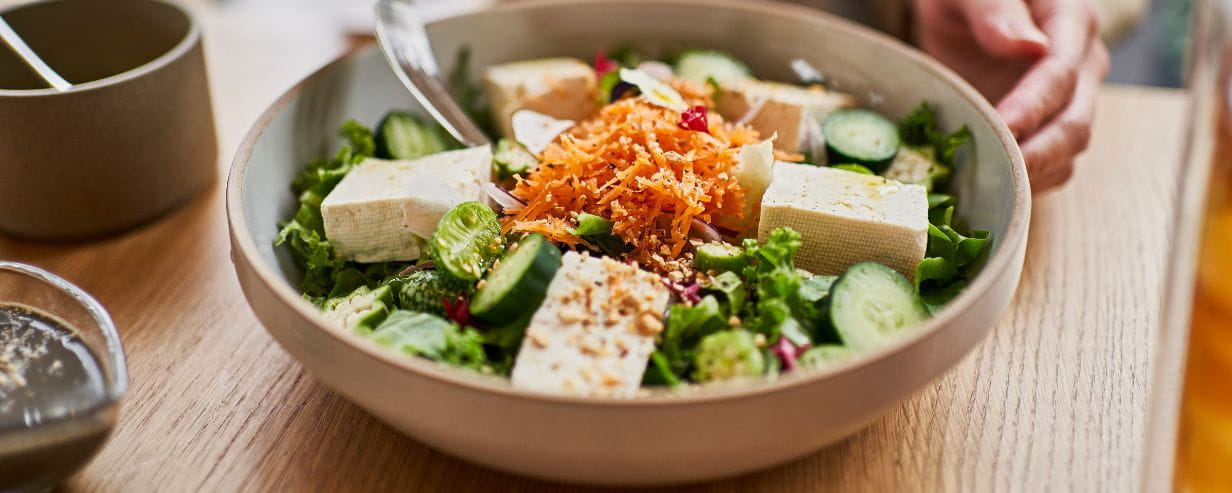
What is it? Tofu is made by curdling, pressing and setting soy milk into a block.
Health benefits: “Soya in the form of tofu, and tempeh [also used in hydrated vegetable protein], is a complete protein with unusually high amounts of all nine essential amino acids. It really competes on the protein scales with animal products,” says Professor Bryant. Essential amino acids are necessary for muscle repair, brain function and immunity.
Tofu could be beneficial for older adults due to its high content of compounds called isoflavones. A study by Chinese scientists found that higher intake of tofu and isoflavones was associated with a lower risk of cardiovascular disease.
Isoflavones have also been found to prevent osteoporosis-related bone density loss. For extra bone protection, buy calcium-set tofu, adds Symington: “Look for calcium sulphate or calcium chloride in the ingredients, also called firming agents 516 and 509.” A 100g serving of tofu contains 405mg of calcium, which is 40% of your daily needs.
Serving suggestion: A staple in Asian dishes, it works in stir fries, where seasoning disguises its neutral flavour.

What is it? Less processed than tofu, tempeh is made from whole soybeans that have been fermented then shaped into a block.
Health benefits: The most nutrient-dense of the meat alternatives, tempeh contains more calories than tofu but on average it has double the amount of protein and significantly more fibre.
Its real superpower lies in the fermentation, which increases the diversity of the gut microbiome. A study by Polish scientists found that tempeh encouraged the growth of healthy bacteria in the digestive tract, including lactobacillus, a probiotic that supports the immune system, relieves gut issues such as bloating, and promotes urinary tract health. According to Malaysian research, the fermentation process in tempeh also raises the levels of nutrients of the raw soybeans and enhances their absorption, particularly vitamins B2, B12 and the neurotransmitter GABA, which can improve memory.
Serving suggestion: Its chewy texture is an acquired taste, but it works well in Indonesian curries (where tempeh originated).

What is it? Used in Quorn products, mycoprotein is made from the fermentation of a type of fungus found in the soil. It may sound unappealing, but Quorn is the most meat-like substitute in taste and texture.
Health benefits: Created in 1985, Quorn’s health credentials are the most researched of the meat alternatives. A recent study by the University of Exeter found that participants who ate 180g of Quorn products daily (equivalent to two servings of Quorn mince) had a 10% drop in LDL (bad cholesterol) after four weeks compared to those eating red and processed meat.
Another study by Northumbria University found that swapping red and processed meat for Quorn led to a big reduction in intestinal genotoxins (chemicals that can cause bowel cancer), and to a significant increase in good gut bacteria. Scientists at the university are currently studying how the gut uses soluble and insoluble fibres in Quorn to boost the immune system.
Introduce it to your diet slowly, says Symington. “Some people have digestive issues when trying mycoprotein as their gut bacteria goes crazy fermenting the fibre,” she explains. “Your body does get used to it, but it can be an irritant to people with IBS.” Also worth noting, standard Quorn products are not vegan as they contain an egg binder, but there is Vegan Quorn.
Serving suggestion: You can substitute most meat products with Quorn’s faux products, from minimally processed Quorn pieces (just three ingredients) to Veggie Ham Slices.

What is it? Extracted from yellow split peas, this is a relatively new protein used by brands such as Beyond Meat in their mince, burgers etc.
Health benefits: One of the best tolerated veggie proteins, it is naturally wheat-free, gluten-free, and soy-free. Its USP is its hefty iron content – it contains more of the mineral than red meat (and all other plant-based meats), according to a new study by scientists in the Netherlands.
Researchers found 3.32g of iron per 100g of pea-based meat, compared to 1.9g in beef. While it’s more difficult for the body to absorb non-heme iron (from plants) than heme iron (from meat), taking vitamin C at the same time helps – pea-based meat is high in vitamin C. However, it is generally high in fat, including saturated fat, likely due to the oils added (often coconut or sunflower) for a “juicy” meat texture.
Serving suggestion: British brand Squeaky Bean uses pea protein in its products. Its Chargrilled Cajun Mini Fillets are great in a salad wrap.
Jackfruit is a popular pulled pork substitute, but our experts don’t rate it as a meat replacement. “Although all plants contain some protein, jackfruit is not a great source of it (just 1-2g per 100g). The clue is in the name – it is a fruit after all,” says Dr Justine Butler, head of research at vegan charity Viva! “Its main benefits are that it is low in fat and provides some vitamins, which can contribute to a balanced diet. Just remember to serve protein-rich foods alongside.”


Buy direct and start a new Saga Health Insurance policy by the end of 10 December 2026 to get your first 3 months free. T&Cs apply.
Underwritten by Bupa Insurance Limited.

Find out about Saga's gastronomy holidays here...
They say the way to the heart is through the stomach, and Saga’s thoughtfully crafted food and wine holidays are perfect if you like trying new flavours and exploring traditional methods of cooking.

Expert nutritionists break down the most important foods to eat in each decade as we get older.

We reveal the 7 best tinned foods to supercharge your health while saving you time and money.
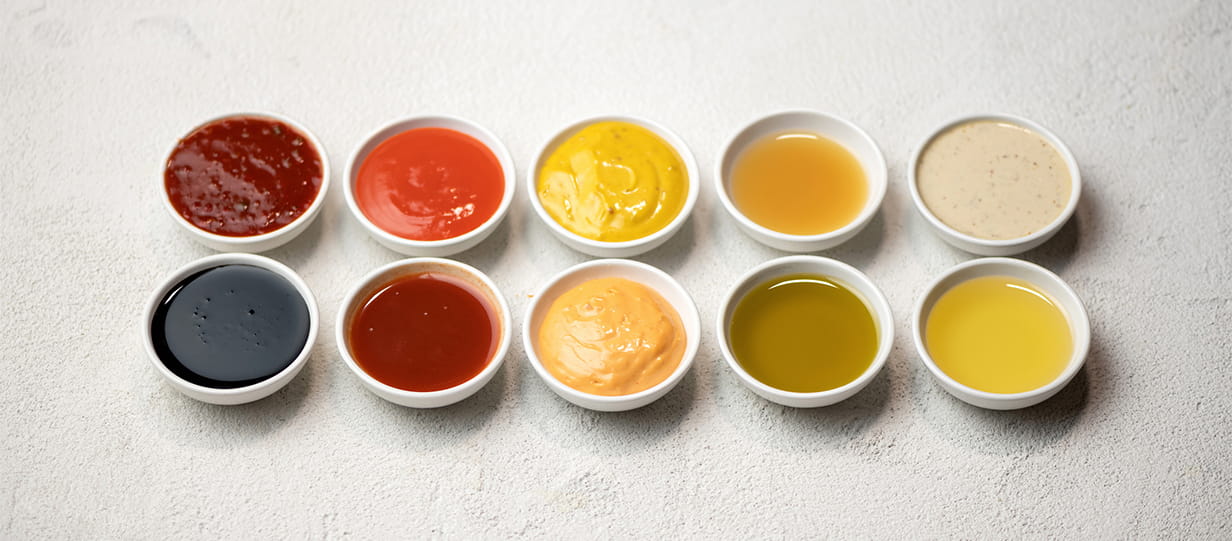
From ketchup to mayo – how healthy are your sauces? We find out the pitfalls and surprising benefits of our favourite condiments.

Could honey be the sweetest way to supercharge your health this year? Our experts explain the benefits and which to buy.
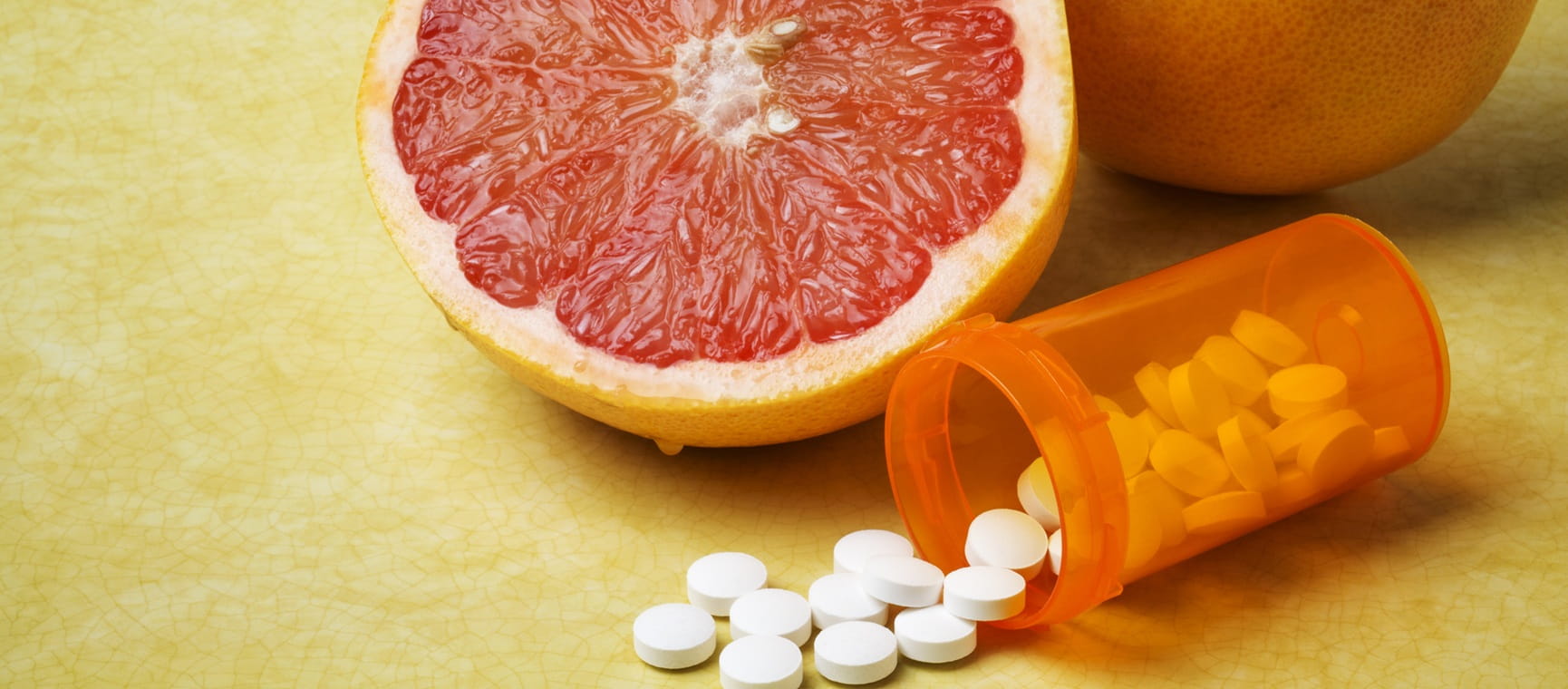
Our expert guide to the common foods you shouldn't mix with prescription drugs.

Experts reveal whether chilled supermarket soups are worth the extra cost and if some flavours are better for you than others.
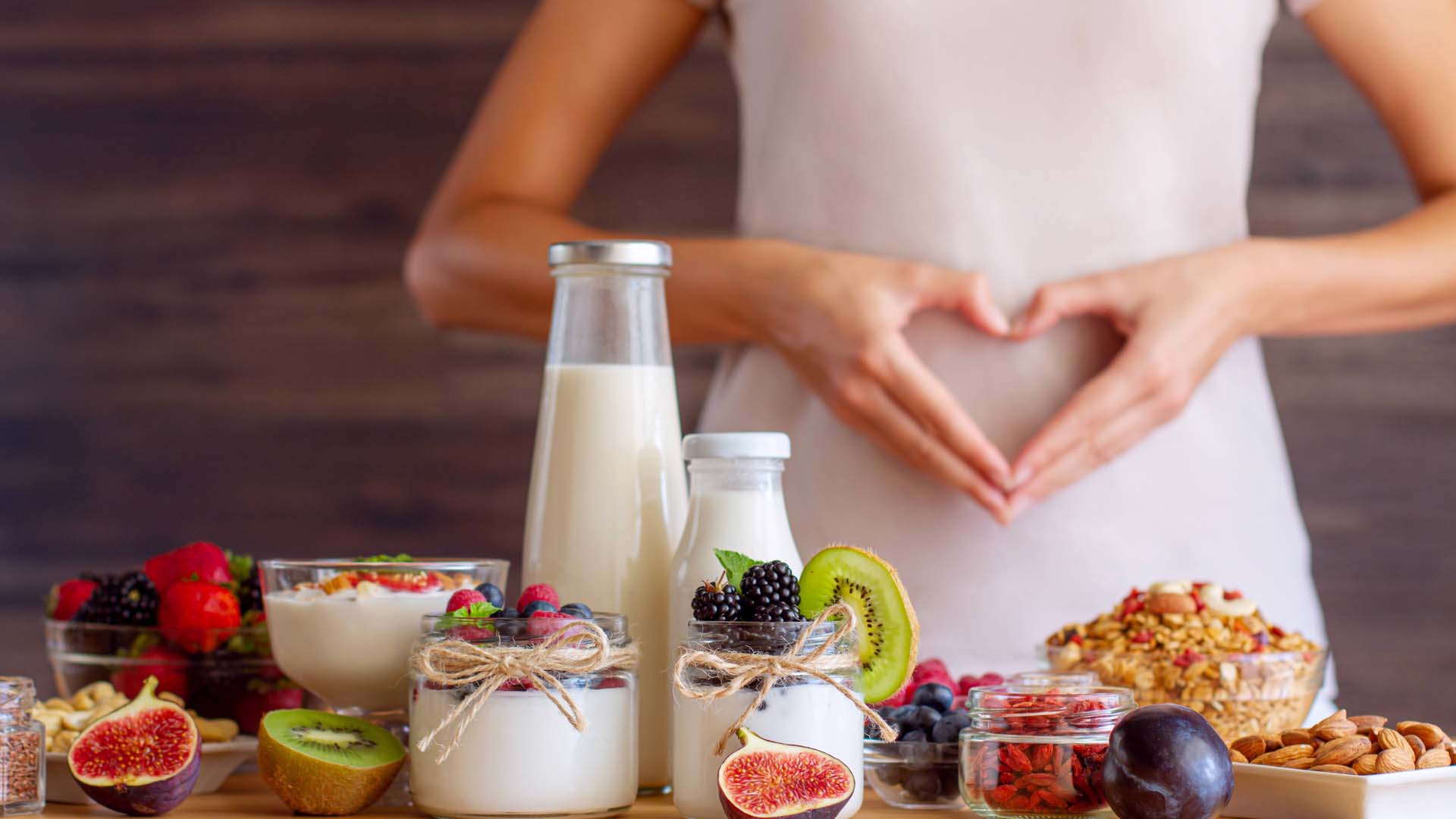
Looking after your gut health could be one of the biggest things that you can do for your overall health. Here are the best foods to keep your gut happy.
The foods that could help you live longer and protect against chronic illness.


A dietician reveals which foods can help protect vision and prevent age-related eye conditions.
Everything you need to know about protein, from how it benefits your body to the best high-protein foods – and how much you really need.