Meningitis: what are the risks and should you be worried?
With meningitis cases rising among students in Kent, we explain the signs, the risks for older people, and what it means for you and your family.
With meningitis cases rising among students in Kent, we explain the signs, the risks for older people, and what it means for you and your family.
The meningitis outbreak in Canterbury, Kent has prompted understandable concern, particularly among parents and grandparents with family in the area.
Several cases of invasive meningococcal disease have been confirmed. The cases have been caused by group B meningococcus (MenB). It’s a serious illness that can escalate quickly. Health Secretary Wes Streeting has called the outbreak “unprecedented” in how fast it has spread.
According to the UK Health Security Agency, thousands of doses of antibiotics have been given to people most at risk. Many have also been offered a vaccine.
For most older people, the risk remains low. The key is understanding where the real risks lie and where they don’t.
“Meningitis is an infection of the lining around the brain and spinal cord,” explains Dr Rosi Marsh, a GP in London.
“It can be caused by bacteria or viruses,” she says. The current outbreak is bacterial meningitis. This is the most serious form: “It can become life-threatening very quickly.”
Meningitis can be difficult to spot at first. “Early symptoms can often be confused with other illnesses such as a cold, flu or hangover,” warns the UK Health Security Agency (UKHSA).
Symptoms can include:
“Not everyone will experience all of these symptoms,” says Professor Victoria Tzortziou Brown, chair of the Royal College of General Practitioners, “and they can appear in any combination.”
If you or someone you’re looking after has a rash that doesn’t fade, severe drowsiness or confusion, seizures, a severe headache with neck stiffness, difficulty breathing or you can’t wake them, call 999 or go to A&E immediately, says Dr Marsh.
If they have a high fever, severe headache, vomiting, unusual sleepiness, sensitivity to light, or neck pain or stiffness, call your GP or 111 straight away. “Do not wait for a rash,” Dr Marsh adds. You need to act now.
It is also important to recognise that meningitis doesn’t always look the same across the generations, according to the charity Meningitis Now. While adults might display classic symptoms, babies might be unusually floppy or difficult to wake, have a bulging soft spot on their head and develop a high-pitched cry.
“In older adults, the presentation is often less typical,” says Dr Deepali Misra-Sharp, a GP in Glasgow. “In practice, they may not have obvious neck stiffness or sensitivity to light.” The symptoms she often sees are:

MenB is most common in children under two, teenagers and young adults, says Dr Marsh. This is because the immune system is still developing and they may be mixing a lot with new people.
The current outbreak is largely centred on students. Students often live, study and socialise together, making it easier for the bacteria to spread.
“Most people who carry the bacteria never become ill,” says Dr Simon Clarke, associate professor in cellular microbiology at Reading. This means it can spread without anyone realising.
Meningitis does not spread easily through casual interactions.
“The bacteria do not survive long outside the body, so casual contact carries a much lower risk,” says Dr Marsh. Instead, MenB spreads through close, prolonged contact, says Dr Clarke, such as coughing, sneezing, kissing or sharing cups.
Transmission usually requires sustained, close contact – for example, if you’re living together or have intimate contact over time. “In practical terms, hugging grandchildren is safe,” says Dr Misra-Sharp.
However, if someone has potentially been exposed to MenB, it’s sensible to check they’ve followed public health advice.
“If children or grandchildren are returning from the University of Kent, please check that they have had the antibiotics as advised by the UKHSA,” says Sue Rogers, director of information, research and support at Meningitis Now, “Ensure they have received [the vaccine] if they are in the identified group.”
Meningitis isn’t one single disease, but a group of infections caused by different bacteria and viruses. This means there are several different vaccines.
The current outbreak involves meningococcal group B (MenB). This is not covered by the routine MenACWY vaccine given to teenagers. It is, however, covered by the MenB vaccine that has been given to babies through the NHS since 2015.
The difficulty is that teenagers and young adults today were born before that. Unless they have had the vaccine privately, they will have missed out.
The MenB vaccine is currently routinely offered on the NHS only to babies.
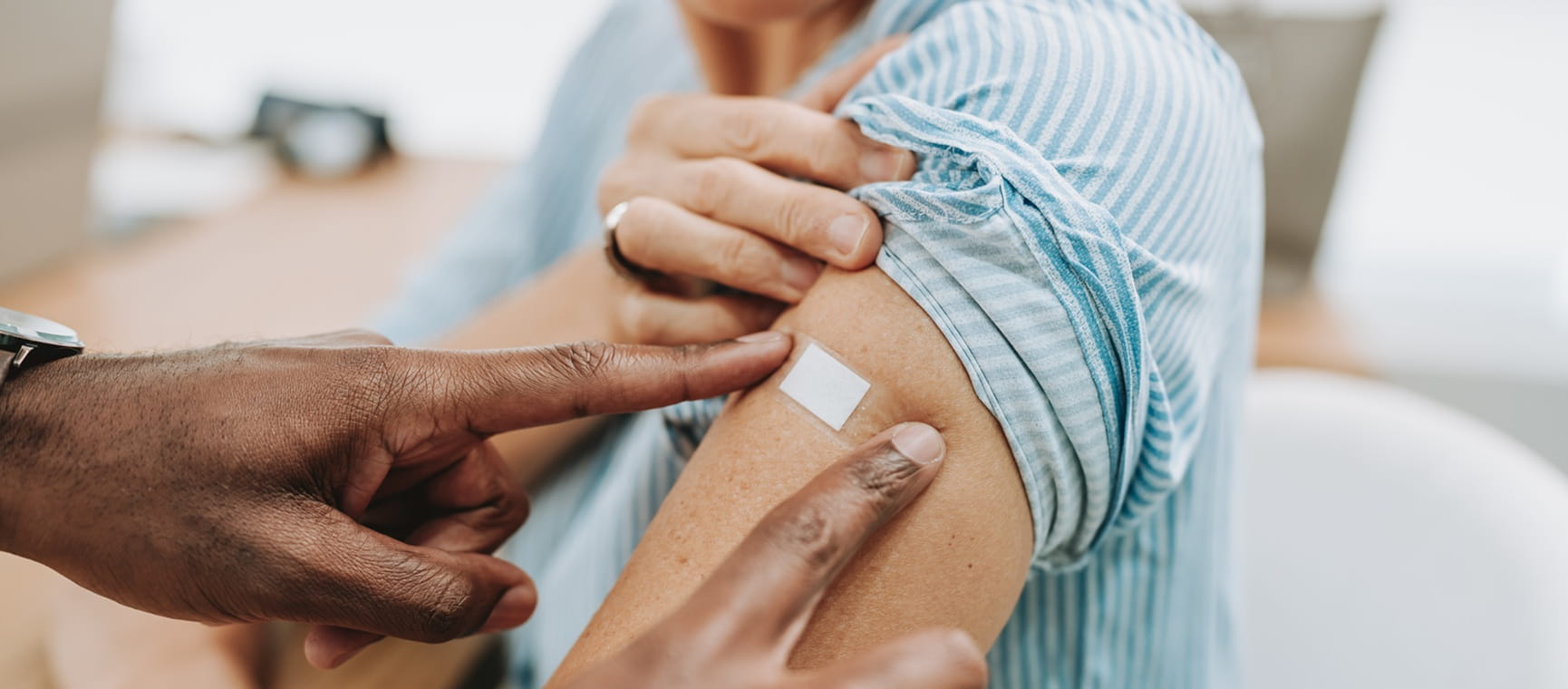
In response to the Kent outbreak, a targeted programme is now under way for students most at risk. For older adults, a different vaccine is more relevant.
Dr Mark Porter, Saga Magazine's GP, says: "Bacterial meningitis, particularly the meningococcal type (like Meningitis B), may be more common in children and younger people, but older adults can get it too. While there is no routine vaccination currently available for older people against meningitis B, the biggest threat in this age group is actually another bacterium, Streptococcus pneumoniae (pneumococcus), and a vaccine against this is available to everyone as a one off dose at 65.
"So, if you have not had yours, I would urge you to consider it. Contact your GP surgery for more information. Not only should it help protect you and your peers against the most common form of bacterial meningitis at your age , but it will also reduce the risk of pneumococcal sepsis and pneumonia."

In light of headlines about the current meningitis outbreak, it’s little surprise that demand for vaccines has surged. Pharmacies are feeling the strain.
“Pharmacies are getting unprecedented levels of requests for meningitis vaccinations and many are unable to order in supplies from wholesalers,” states the National Pharmacy Association.
Private MenB vaccination typically costs about £200 for a full course, but supply is limited.
For most older people, it is unlikely to be necessary. The decision is best discussed with a GP, particularly if you have concerns about exposure or underlying health conditions.
“While younger people may be more likely to catch it, older adults are more vulnerable to complications if they do,” says Dr Misra-Sharp.
“Some older adults who have immunodeficiencies (such as those without a spleen) may be offered additional doses of pneumococcal or meningococcal vaccines in adulthood,” explains Dr Marsh. “Usually, patients will be informed by their haematologist, if this is required.”
Meningitis is a serious disease, and outbreaks understandably cause anxiety. But your situation and the individual strain matter.
“Don’t panic,” says Dr Marsh. “It is a serious illness but fortunately extremely rare and is treatable if caught early. It is also quite difficult to spread, so casual contacts are not at high risk.”
Public health authorities are also taking action. “The combination of antibiotic treatment, contact tracing and targeted vaccination is the tried and tested public health response,” says Dr Clarke. These measures, he says, have “a strong track record of bringing [cases like this] under control. This is not currently a situation that requires anything approaching the restrictions we saw during Covid.”
However, while you don’t need to change your day-to-day life or stop seeing family, you should know the symptoms, act quickly if they appear and make sure that your own vaccinations – particularly the pneumococcal jab if you are over 65 – are up to date.
“Meningitis is a relatively rare disease… [but] it is essential that people make themselves aware of the signs and symptoms,” says Rogers.
“If you or a loved one are displaying the symptoms of meningitis, please seek urgent medical advice. Meningitis is an emergency.”
(Hero image credit: GettyImages)


Buy direct and start a new Saga Health Insurance policy by the end of 10 December 2026 to get your first 3 months free. T&Cs apply.
Underwritten by Bupa Insurance Limited.

Exclusively for Saga Magazine subscribers – Save up to £4,300 per person for a limited time.
Join us for the voyage of a lifetime aboard Spirit of Adventure as she embarks on an all-inclusive 73-night cruise around South America in January 2027.

Are you retiring at the wrong age? The best age to retire for your body, brain, happiness and pocket.

Everything you need to know about the lung infection, and how you could be ill with “walking” pneumonia without realising it.

Strong calves for a strong mind: how they support our circulation and brain health, with easy moves to strengthen yours at home.


Our GP Dr Mark Porter explains what can cause itchy skin, which is a common problem as we get older.

Worried you’ve morphed into Victor Meldrew? Find out how to battle that bad mood, and what to do if you’re stuck with a grouchy loved one.

The benefits of heat and cold therapy, and how Nordic bathing won over our nervous writer.

Here’s how to spot the symptoms of heat disease and reduce your danger.

Everything you’re entitled to this year, when you can have it, and the gaps that remain.

Pilates for back pain – what to do if you are suffering, and five gentle exercises that could help.
Dizziness or vertigo: a sensation of spinning, can stop us doing everyday things for fear of falling. Try these tips to stop feeling dizzy


You don’t have to put up with bladder leaks. We try out the latest pelvic floor gadgets for men and women.

Cataracts are a normal part of ageing. Learn how to spot the signs – and when it’s time to consider surgery.