The sounds that set your teeth on edge
If everyday sounds such as eating or breathing drive you to distraction you could have misophonia.
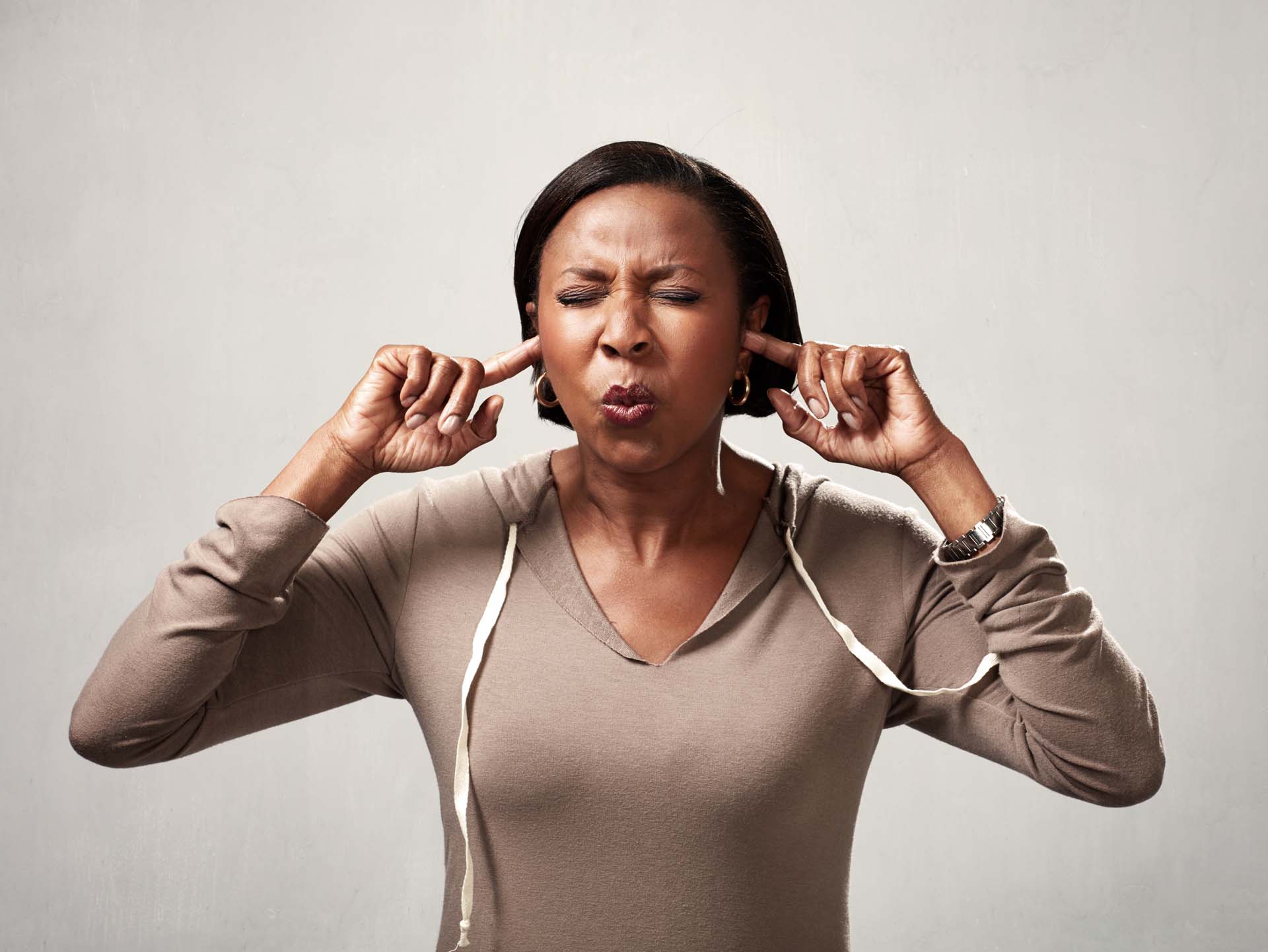
Image credit: Shutterstock
If everyday sounds such as eating or breathing drive you to distraction you could have misophonia.
If you get annoyed when you hear someone slurping their spaghetti or the neighbour’s dog yapping, you’re not alone. But did you know that sensitivity to sound is a recognised condition called misophonia?
Everyone has that little noise that sets their teeth on edge, but for some people it’s no laughing matter. One in five people suffer from the condition, according to a 2023 study.
Researchers from King’s College London and the University of Oxford found that although many people hadn’t heard of misophonia, they were disturbed by common sounds such as breathing, yawning or chewing.
Top three sounds most likely to cause irritation:
Sounds that stir up disgust:
And the three sounds that make people angry:
This is not just about getting annoyed by noise: the problem comes when your hated sounds trigger a stronger response. It can lead to feeling trapped, panicked and helpless, being afraid of your own reactions and worrying that you’re a bad person or that loved ones are deliberately annoying you.
You can't escape the most annoying sounds. The study showed that misophonia is equally common in men and women, and tends to get less severe with age.
Try telling that to someone who’s put up with a snoring partner, spent 50 years living with a loud sneezer or eaten their lunch with a noisy crisp cruncher every day this week.
But there’s a difference between finding sounds annoying and true misophonia. Research showed that 85% of people find chewing, sniffing and dogs barking annoying.
Often, people with misophonia find it triggers their fight-or-flight response, making them angry or desperate to escape social situations.
Misophonia has been recognised only since 2001, but one woman is on a mission to find out more.
Dr Jane Gregory, clinical psychologist at the University of Oxford, who lives with misophonia, once threw away her brother’s doughnut because he refused to eat it quietly.
Now she’s leading research into the condition and has written a book about it, Sounds Like Misophonia. “The emotional reaction is much more complex than just being annoyed,” says Gregory.
“Some people literally feel like their body is in danger or that they’re being violated or intruded upon. They feel trapped and helpless when they encounter these sounds.”

Noise-cancelling headphones or white noise can help if you’re travelling or trying to relax and read at home, but avoiding triggers is not always possible. (Yes, it's tempting to head off to the spare room, so try these treatments to help stop snoring.)
Chartered psychologist Dr Louise Goddard-Crawley told Saga Magazine that misophonia goes beyond just getting annoyed by sounds.
“Signs of misophonia include strong emotional responses like anger or anxiety, physical reactions, avoidance of trigger sounds and situations, strained relationships and prolonged distress. It can have a consistent impact on daily life."
“It often involves a strong emotional and physiological reaction to specific sounds, and it's more than just a response to memories associated with those sounds.
"While emotional memories may play a role in some cases, misophonia seems to involve a heightened sensitivity to certain auditory stimuli.”
Although its exact causes aren’t yet fully understood, can misophonia be brought on by people close to us simply making annoying sounds?
The good news for anyone who lives with a noisy nuisance is that the answer is it’s not likely to cause it, but it could make it worse.
“It’s a complex condition which can develop in various ways, and it may be influenced by both environmental and genetic factors.” says Goddard-Crawley.
“Exposure to trigger sounds over an extended period, such as living with people who consistently produce those sounds, can contribute to the development or exacerbation of misophonia," says Goddard-Crawley.
"However, it's not solely about sound exposure, but also how your brain processes and responds to these sounds.”
Avoiding triggers is not recommended as it can increase sensitivity, but cognitive behavioural therapy (CBT) can help.
“CBT techniques can help people reframe their thoughts and emotional responses to trigger sounds, ultimately reducing their intensity,” says Goddard-Crawley.
“Some forms of sound therapy, such as exposure therapy, can gradually desensitise individuals to their trigger sounds, making them less distressing over time.
“Learning relaxation and stress-management techniques can help you better cope with the emotional and physiological responses triggered by misophonia.
"Joining a support group or seeking support from friends and family can provide emotional support, and a mental health expert with experience in treating misophonia can provide tailored strategies to live with it.”

Expert nutritionists break down the most important foods to eat in each decade as we get older.

We reveal the 7 best tinned foods to supercharge your health while saving you time and money.

From ketchup to mayo – how healthy are your sauces? We find out the pitfalls and surprising benefits of our favourite condiments.

Could honey be the sweetest way to supercharge your health this year? Our experts explain the benefits and which to buy.

Our expert guide to the common foods you shouldn't mix with prescription drugs.

Experts reveal whether chilled supermarket soups are worth the extra cost and if some flavours are better for you than others.

Looking after your gut health could be one of the biggest things that you can do for your overall health. Here are the best foods to keep your gut happy.

The foods that could help you live longer and protect against chronic illness.

A dietician reveals which foods can help protect vision and prevent age-related eye conditions.

Everything you need to know about protein, from how it benefits your body to the best high-protein foods – and how much you really need.