Is it prickly heat or a sun allergy? How to tell the difference
An itchy rash after being in the sun isn't always prickly heat. Dr Mark Porter explains why some people develop a sun allergy, what triggers it and how to prevent it.
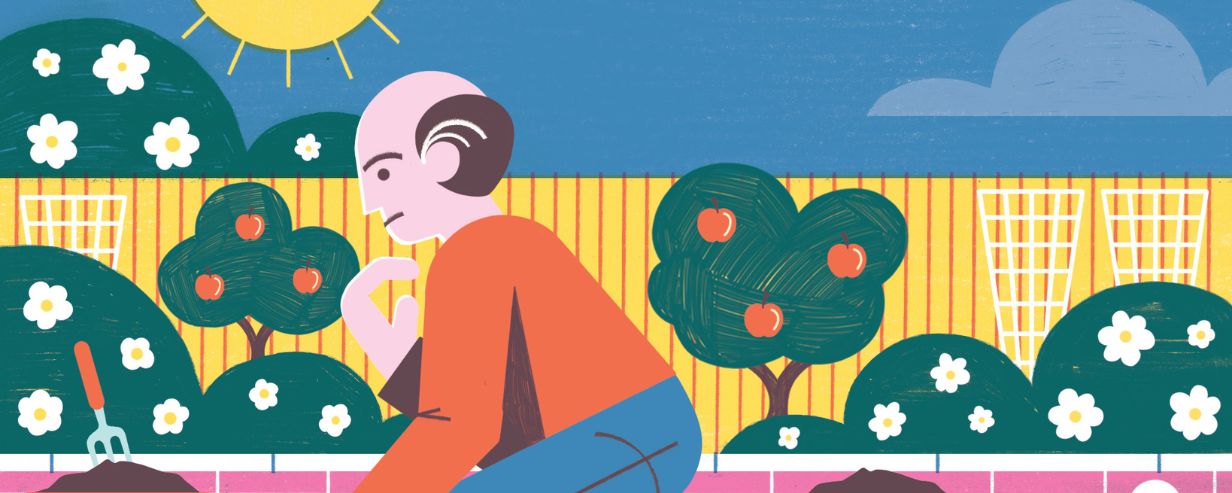
How do I prevent prickly heat? It started during the heatwave in May. After being out in the garden, I developed an itchy red rash on the tops of my feet and my chest where my shirt was open.
I have never had a problem before, but now it is happening regularly if I spend too much time in the sun. Friends have told me to avoid sunscreens because they can block the pores, but this hasn’t helped, so I just cover up.
Classic prickly heat (miliaria rubra) is caused by blocked sweat glands and more common in hot, humid conditions rather than just strong sunlight. Your story is more suggestive of another condition calledpolymorphic light eruption (PLE). It is often confused with prickly heat, which might explain why your friends’ advice hasn’t helped and is probably exacerbating the problem.
PLE is a sensitivity to sunlight, mainly the highly penetrative UVA component that can pass through clouds, water, glass and even some clothing. It causes an itchy, red rash that develops anywhere from a few hours to a few days after exposure, and the classic story is someone who notices it on the second or third day of their holiday in the sun.
It is normally symmetrical, and commonly affected sites include the chest, tops of the feet and arms. The key to prevention is to reduce your exposure to UVA by using a decent sunscreen. Go for a sunscreen that has an SPF of 50 and a five-star UVA rating and reapply every two hours as UVA filters break down quickly, and try to avoid direct sun exposure during peak UVA radiation (11am-3pm).
Some dermatologists also advocate beta carotene supplements, but the science is shaky. You’d need to take at least 15mg daily from a week before sunny trips abroad up until the end of the holiday, or during warmer spells at home. PLE typically develops in young adulthood, particularly in women in their twenties and thirties, and it’s unusual to suddenly be troubled when you are older.
So, in new cases like yours, I check for medicines that can trigger photosensitivity. Examples that may – and I stress may – worsen or trigger PLE include some statins (like atorvastatin), tetracycline antibiotics such as doxycycline, thiazide diuretics (water tablets) like bendroflumethiazide, and the anti-inflammatory naproxen. If you have started any of these recently you should mention your rash to your GP to see if they think one of these may be responsible.
Have you got a medical question for Dr Mark Porter? He can’t reply individually, but will respond to questions on this page*
Email drmark@saga.co.uk.
*Always talk to your own GP
With 26 years experience in practice and a partner in a busy South Gloucestershire surgery, Dr Mark is also resident doctor on BBC One's The One Show, presents Radio 4's Inside Health, writes for The Times, and has popped up on celebrity versions of The Weakest Link and Mastermind.
Dr Mark was awarded an MBE in 2005 for services to medicine.
Health insurance for people over 50 that provides a quicker route to diagnosis and planned medical treatment in a private facility.
Underwritten by Bupa Insurance Limited.
Your chance to win a 7-night cruise for two on board Spirit of the Rhine, worth more than £4,000.
Are you retiring at the wrong age? The best age to retire for your body, brain, happiness and pocket.
Everything you need to know about the lung infection, and how you could be ill with “walking” pneumonia without realising it.
Strong calves for a strong mind: how they support our circulation and brain health, with easy moves to strengthen yours at home.
Our GP Dr Mark Porter explains what can cause itchy skin, which is a common problem as we get older.
Worried you’ve morphed into Victor Meldrew? Find out how to battle that bad mood, and what to do if you’re stuck with a grouchy loved one.
The benefits of heat and cold therapy, and how Nordic bathing won over our nervous writer.
Here’s how to spot the symptoms of heat disease and reduce your danger.
The NHS winter vaccination campaign kicks off next week. Here’s the lowdown on what you need to book.
Pilates for back pain – what to do if you are suffering, and five gentle exercises that could help.
Dizziness or vertigo: a sensation of spinning, can stop us doing everyday things for fear of falling. Try these tips to stop feeling dizzy
You don’t have to put up with bladder leaks. We try out the latest pelvic floor gadgets for men and women.
Cataracts are a normal part of ageing. Learn how to spot the signs – and when it’s time to consider surgery.