Recovering from injury in later life: 6 expert tips to heal well
Injuries often take longer to heal as we get older – but that’s normal. Here’s how to support your recovery, avoid setbacks and regain strength.
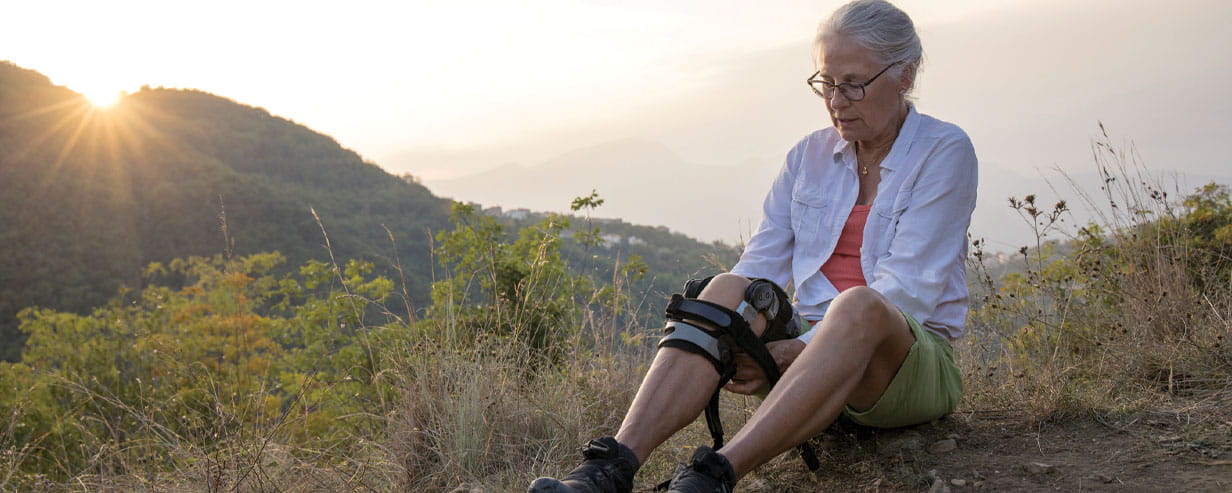
Whether you’ve had a fall and sprained an ankle or been overdoing it with your exercise regime and strained a hip or knee, there’s no escaping the fact that injuries take longer to heal as we get older.
Although it’s impossible to be precise about the rate of decline as we age (a person’s general health, fitness and genes play a part, as does the severity of the injury), researchers seem united in concluding that recovery becomes progressively slower from middle age onwards, particularly for muscle and tendon injuries.
“As we age, the regeneration of our cells starts to slow,” explains physiotherapist Lucy Macdonald of RestartPhysio in Surrey and a spokesperson for the Chartered Society of Physiotherapy.
“Throughout our lives, year by year, decade by decade, our bodies are designed to damage, repair, damage, repair. That’s how we live our lives and it’s a completely normal physiological cycle. But the older we are, the slower that cycle is and we just have to accept that recovery takes longer.”
However, Macdonald adds that age also brings wisdom and patience, which are two key tools in our armoury for protecting ourselves from harm and allowing ourselves to heal. “If we can harness that wisdom and patience that come with being older, we can significantly reduce our risk of injury,” she says.
“Young people will tend to make more foolish decisions because they’re not as experienced – they’ll sometimes push their body too hard leading to injury or will not give it the time it needs to recover properly when an injury is sustained.”
There are several smart things you can do to give yourself the best chance of a speedy return to full fitness and mobility, explains Macdonald, whose tips are based on more than 20 years in practice.
A lot of our body’s recovery happens when we’re asleep so it’s vital to prioritise enough restful hours and the small hours after midnight are especially important. “The early hours are when our body’s natural cortisol levels drop and, therefore, our healing potential is at its optimum,” explains Macdonald.
Cortisol is a hormone produced by the adrenal glands and it’s often called the “stress hormone” as the body releases it when under stress. One of the adverse effects of too much cortisol is muscle weakness, which why proper deep sleep is so vital when recovering from injury.
“Sleep can become more challenging in middle and older age, so being really careful with sleep hygiene is important for recovery,” says Macdonald.
Beware falling into the trap of avoiding fats in an effort not to put on weight, as eating good fats plays a vital role in recovery from injury. “Eating oily fish, decent olive oil and nuts, all of those really important healthy fats will help the body recover,” advises Macdonald.
She adds that having enough protein is important for muscles – ideally 30g at each meal in the form of eggs, fish, chicken, beans or chickpeas and tofu. “If you follow a whole food diet, you’re likely to get all the vitamins and minerals you need,” she says.
“That means avoiding processed food, minimising sugar and minimising alcohol, as well as absolutely not smoking. All of those things have a big positive effect on both preventing injury and enabling injuries to recover.”
Stress is a very normal part of life, especially in middle age and beyond, when people have a lot of factors affecting their stress levels. “Stress is fine as long as it comes and goes,” says Macdonald. “If you’ve got a sustained level of stress in your life, then addressing that will make a difference to your ability to prevent injury and recover from injury.”
This is because your body will have too much cortisol over a long period, slowing tissue repair, reducing your immunity to illness and disrupting your sleep. Consider practising mindfulness to control your stress levels.
The only supplement that’s got absolutely solid evidence behind it currently is vitamin D, says Macdonald. “Being deficient in vitamin D can affect your recovery from injury,” she explains. “Tendonitis, for example, recovers much better if you have a decent levels.
“The amount of sunlight that we get during the winter in this part of the world simply isn’t enough to enable us to make sufficient vitamin D in our bodies and it’s very hard to get it from our diet. So, taking a supplement is important, particularly in winter.”
“If people would just follow this one bit of advice I’m about to give, I reckon all physios would be out of a job!” says Macdonald. “Do not overdo it with any exercise or activity. Whether that’s going running and suddenly increasing it because the weather is lovely, or going out and doing loads of gardening after a six-month break, or laying a whole new patio in a weekend if you’re not used to lifting and carrying on a regular basis.
“If you overload the same tissues in the body repetitively when they’re not used to it, they are much more likely to get injured. Building up an activity gradually over time and pacing yourself is the kindest way of treating your body and protecting it from damage.”
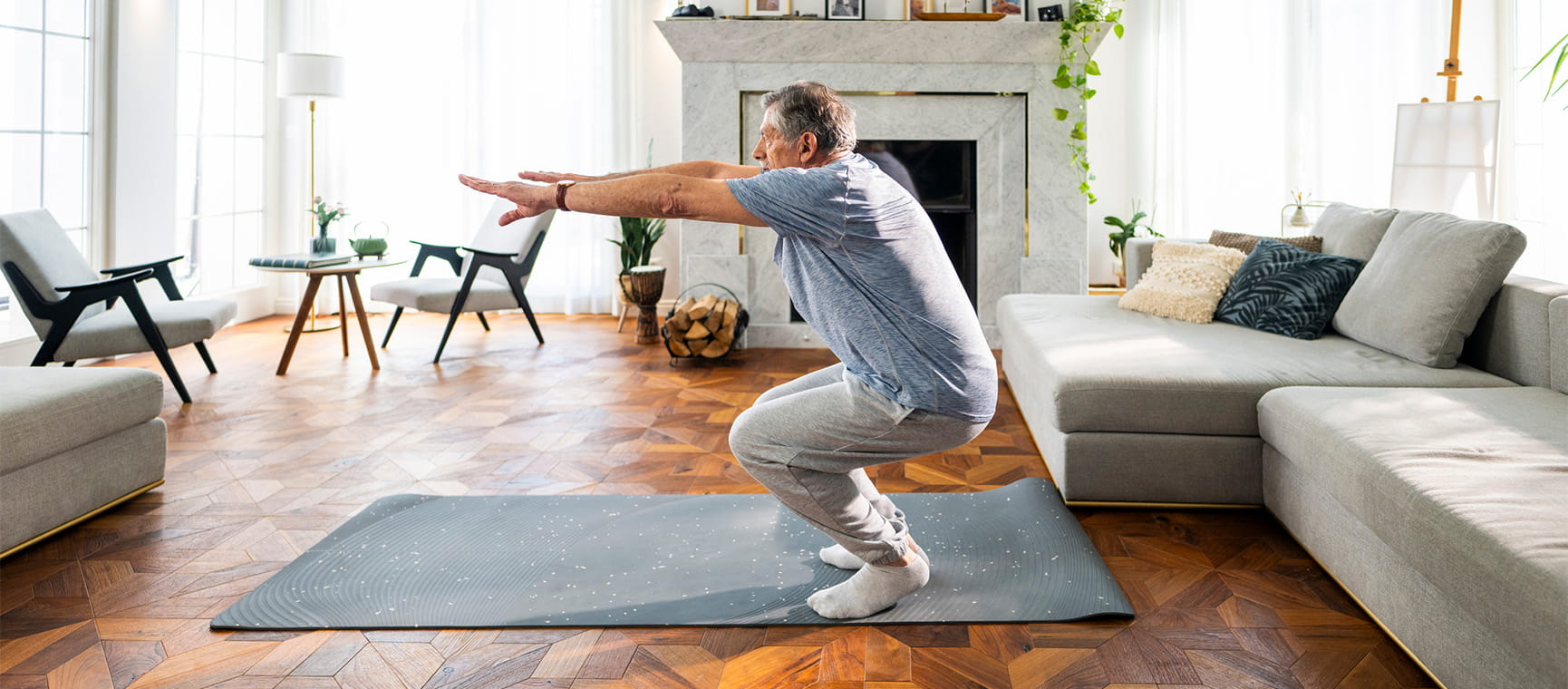
It’s vital once you’ve recovered from any injury to factor in strength training in order to futureproof yourself. “If you’ve got strong muscles, you’re going to minimise the sheer force through your joints because you’re not going to wobble around – your joints aren’t going to move as much and will be more stable, says Macdonald.
She advises two strength training sessions per week covering all the key muscle groups. “If you have never done any strength training before, you want to be doing it under the guidance of a strength and conditioning coach or a physiotherapist to start with. They will ensure you have the right technique to prevent injury and you need to build up the weights and resistance gradually under their supervision.”
Strength training also has a positive effect on hormones and the immune system. “It has a holistic effect on all the systems of the body,” says Macdonald. “As you get older, doing strength training should become one of life’s non-negotiables.”
Some Saga holidays include soothing or spiritual activities like joining a traditional tea ceremony in Japan, practising yoga in India or bathing in Iceland’s Blue Lagoon.
Health insurance for people over 50 that provides a quicker route to diagnosis and planned medical treatment in a private facility.
Underwritten by Bupa Insurance Limited.
Are you retiring at the wrong age? The best age to retire for your body, brain, happiness and pocket.
Everything you need to know about the lung infection, and how you could be ill with “walking” pneumonia without realising it.
Strong calves for a strong mind: how they support our circulation and brain health, with easy moves to strengthen yours at home.
Our GP Dr Mark Porter explains what can cause itchy skin, which is a common problem as we get older.
Worried you’ve morphed into Victor Meldrew? Find out how to battle that bad mood, and what to do if you’re stuck with a grouchy loved one.
The benefits of heat and cold therapy, and how Nordic bathing won over our nervous writer.
Here’s how to spot the symptoms of heat disease and reduce your danger.
The NHS winter vaccination campaign kicks off next week. Here’s the lowdown on what you need to book.
Pilates for back pain – what to do if you are suffering, and five gentle exercises that could help.
Dizziness or vertigo: a sensation of spinning, can stop us doing everyday things for fear of falling. Try these tips to stop feeling dizzy
You don’t have to put up with bladder leaks. We try out the latest pelvic floor gadgets for men and women.
Cataracts are a normal part of ageing. Learn how to spot the signs – and when it’s time to consider surgery.