Could collagen be the key to happier joints and smoother skin?
As a new study reveals collagen’s role in healthy ageing, our experts break down the science and explain exactly what it can and can’t do.

As a new study reveals collagen’s role in healthy ageing, our experts break down the science and explain exactly what it can and can’t do.
For those in midlife and later, it’s hard to ignore the allure of glowing skin, a reduction in wrinkles, supple joints, and stronger muscles and bones that the wellness world has promised if we pop some collagen.
But when taken regularly, is it really the elixir of youthful health and appearance we’ve all been hoping for?
The great news is that a research team from Anglia Ruskin University (ARU) reviewed 113 collagen supplement trials, and identified “dose-dependent” and “duration-dependent” benefits on skin, muscle and bone health.
Alas, the combined study failed to identify that longed-for 'quick fix' for wrinkles, with the results highlighting significant improvements in all-important skin hydration and elasticity, but not necessarily a fix for deep lines and creases.
The study also didn’t prove the common claims that collagen can help with sports recovery.
But the overall findings remain positive for those looking to improve their general skin and musculoskeletal health in mid to later life.
Lee Smith, professor of public health at ARU and co-author of the research, says: “This study brings together the strongest evidence to date on collagen supplementation.
“Collagen is not a ‘cure all’, but it does have credible benefits when used consistently over time, particularly for skin and osteoarthritis. Our findings show clear benefits in key areas of healthy ageing, while also dispelling some of the myths surrounding its use.”

“This was a thorough overarching review of many research studies, involving almost 8,000 patients that have previously investigated the benefits of collagen supplementation,” says nutritionist, author and consultant Amanda Ursell.
“It has really added to our understanding of the potential role of collagen supplementation, helping to separate fact from fiction, and shine a light on areas in which it is most proven to be effective.”
Sophie Medlin, consultant dietician at City Dieticians and a supplement reviewer for the UK media, says that while she welcomes the study’s results, she remains mindful of certain facets of the research: “When collagen supplements were first on the market, scientists and medical professionals – including me – were very sceptical of the potential benefits.
“While this meta-analysis, which pools all the existing research on collagen supplements, shows some excellent outcomes, we still have to remember that many of the studies will have been funded by the manufacturers, and some of the reported outcomes – particularly around skin – are self-reported.”
Medlin adds: “That doesn’t mean we shouldn’t be excited about collagen – I recommend it to my patients when appropriate, and I take it myself. We just need to remember that it is part of the puzzle of healthy ageing, and we don’t need to spend a fortune on it.”
The most abundant protein in the human body, collagen is a major component in the structure of our skin, teeth, bones, nails, ligaments, tendons and cartilage. Interestingly, the word itself comes from the Greek term 'kolla', which translates to 'glue' in English. So, quite literally, collagen is the glue that holds the human body together, forming a scaffold-like structure that supports the body.
The collagen found in supplements is primarily derived from animals – often cows and fish – and is extracted from their connective tissues, skin and bones. It’s then broken down into smaller collagen peptides (protein pieces), which are easier for the body to absorb.
It’s worth noting that collagen beauty creams are thought to be ineffective, as the peptides are often too big to infiltrate the skin’s outer layer.

Medlin explains: “There are three types of collagen that are relevant to joint health. These are type 1 collagen, found in skin, bones and tendons; type 2 collagen, found in cartilage; and type 3 collagen, found in skin and blood vessels.
“As we age, we lose collagen, which can lead to wear and tear in joints. There are also two types of arthritis; osteoarthritis, which we associate with ageing, and rheumatoid arthritis, which is an autoimmune, inflammatory condition.”
Medlin adds: “The studies in the latest research showed that collagen supplementation can reduce joint pain, improve joint function and potentially support cartilage repair. We think this happens because the collagen provides amino acids for repair, stimulating cartilage cells to produce more collagen, and may provide a mild anti-inflammatory effect.”
Ursell explains that collagen production slows down by 1% each year once we reach adulthood. “This gradual loss can contribute to cartilage breakdown and the pain of osteoarthritis,” she says.
“The scientists involved in this new study conclude that evidence is compelling [for collagen supplements] in helping improve osteoarthritic pain.”
Ursell says that collagen supplements can be particularly beneficial for boosting women’s skin, due to an accelerated decline in collagen during and post-menopause.
“Studies have shown that, in addition to our gradual loss of collagen production, female skin loses about 30% of its collagen in the first five years of menopause.
“This can impact skin ageing by reducing elasticity, and causing dryness and thinning. As with osteoarthritic pain, the researchers concluded from this new study that evidence is credible in collagen’s ability to improve skin hydration and general dermal health.”
On the research paper’s data relating to skin health, Medlin says: “Most outcomes are self-reported, meaning that participants in the trial say that they feel their skin is more hydrated and the elasticity has improved, or that the appearance of their skin is better. We shouldn’t dismiss this finding but, of course, we generally do feel better and have improved self-image when we think we are doing something positive for our health.”

As muscle mass and bone mineral density (BMD) decline with age, collagen’s structural role can help to increase BMD at key sites such as the spine and hip, and support overall muscle architecture, according to further research.
Ursell says: “The important structural role that collagen plays in so many parts of our bodies means that its gradual loss as we move through our decades can also lead to muscle weakness, loss of bone density and, in turn, an increased risk of fractures. But the good news is that the ARC study did reveal compelling evidence in the area of bone and muscular health.”
Other than the source of collagen supplements, what are the differing roles and efficacies of the two main categories?
Medlin explains: “Marine collagen mostly consists of type 1 collagen, and the structure of the collagen is smaller, which we think may make it easier for the body to absorb and use. Type 1 supports skin, bones and tendons.
“Bovine collagen contains type 1 and type 3 collagen. Type 3 is important for skin and blood vessels.
“Some studies have also looked at type 2 collagen, which is most important for cartilage and comes from chicken. It’s therefore worth looking for a collagen product that contains all three types of collagen for the best results.”
However, Ursell adds: “Scientists report that further work is needed to delineate on different collagen sources to establish if there are notable differences between bovine sources and those from the marine world.”

As tempting as it is to pop a quick pill or chomp on a sweet gum, collagen powders – dissolved in any drink or moist food of choice (think soup or yogurt, for example) – are best for our bodies’ absorption and contain a higher dose of collagen. And it’s good to know that most powders are flavourless and make very little difference to the consistency of our food and drinks.
Medlin advises: “Gummies don’t contain a high enough dose of collagen to make a difference, and will contain a lot of other ingredients, including sugar or sweeteners, to give them flavour. So they’re usually worth dismissing.
“Capsules will rarely contain an effective dose but may be more convenient for some people. With a powder you can get a higher dose, and some will contain other unfavourable ingredients like gummies do.
“Some people find it hard to take a powder everyday, so I usually advise to try and get into a routine with it, and add it to drinks throughout the day, or porridge, to make it easier to remember.”
A recent addition to the copious collagen offerings out there is infused waters and juices, but the scientific research jury is still out on those. “It seems they are currently unable to conclude whether liquid versions are more or less effective than powdered,” says Ursell.
“The ARU scientists did point out, however, that some key lifestyle choices (aside from all collagen supplementations) are known to negatively impact on skin ageing and collagen production; like sun exposure, smoking, hydration levels, sleep quality and diet.”
Although we’ve established that collagen supplements are not a speedy, magical resolution for our ageing skin and bodies, habitual use and substantial dosage really can make a difference.
Medlin has the lowdown: “Most clinical trials looked at doses from 2.5g to 10g per day, and the ARU meta-analysis showed that higher doses were associated with better outcomes, so aiming for 10g per day is sensible, although expensive.
“Previous studies for joint health continued for three to six months, and people can notice skin improvements in four to six weeks, and subtle wrinkle changes within eight to 12 weeks. On the whole, we would need at least three months to feel a significant benefit.”
Ursell agrees: “The study reported that higher doses, taken for longer durations, may give greater benefits. However, this whole area does need further ‘head-to-head’ studies.”
“Bovine and marine collagen supplements are obviously not suitable if following a vegetarian or vegan lifestyle, or if you have allergies to either,” says Ursell.
If you’re happy and safe to take animal-derived products, Medlin says that dose and type are the most important things to consider: “Find the cheapest hydrolysed product, ideally with types 1, 2 and 3 (sometimes written as I, II and III on labels), and take 8g to 10g per day. And ideally, try to choose a product without other ingredients like flavourings and colourings.”
Hero image credit: GettyImages



Buy direct and start a new Saga Health Insurance policy by the end of 10 December 2026 to get your first 3 months free. T&Cs apply.
Underwritten by Bupa Insurance Limited.

Exclusively for Saga Magazine subscribers – Save up to £4,300 per person for a limited time.
Join us for the voyage of a lifetime aboard Spirit of Adventure as she embarks on an all-inclusive 73-night cruise around South America in January 2027.

Expert nutritionists break down the most important foods to eat in each decade as we get older.

We reveal the 7 best tinned foods to supercharge your health while saving you time and money.

From ketchup to mayo – how healthy are your sauces? We find out the pitfalls and surprising benefits of our favourite condiments.

Could honey be the sweetest way to supercharge your health this year? Our experts explain the benefits and which to buy.
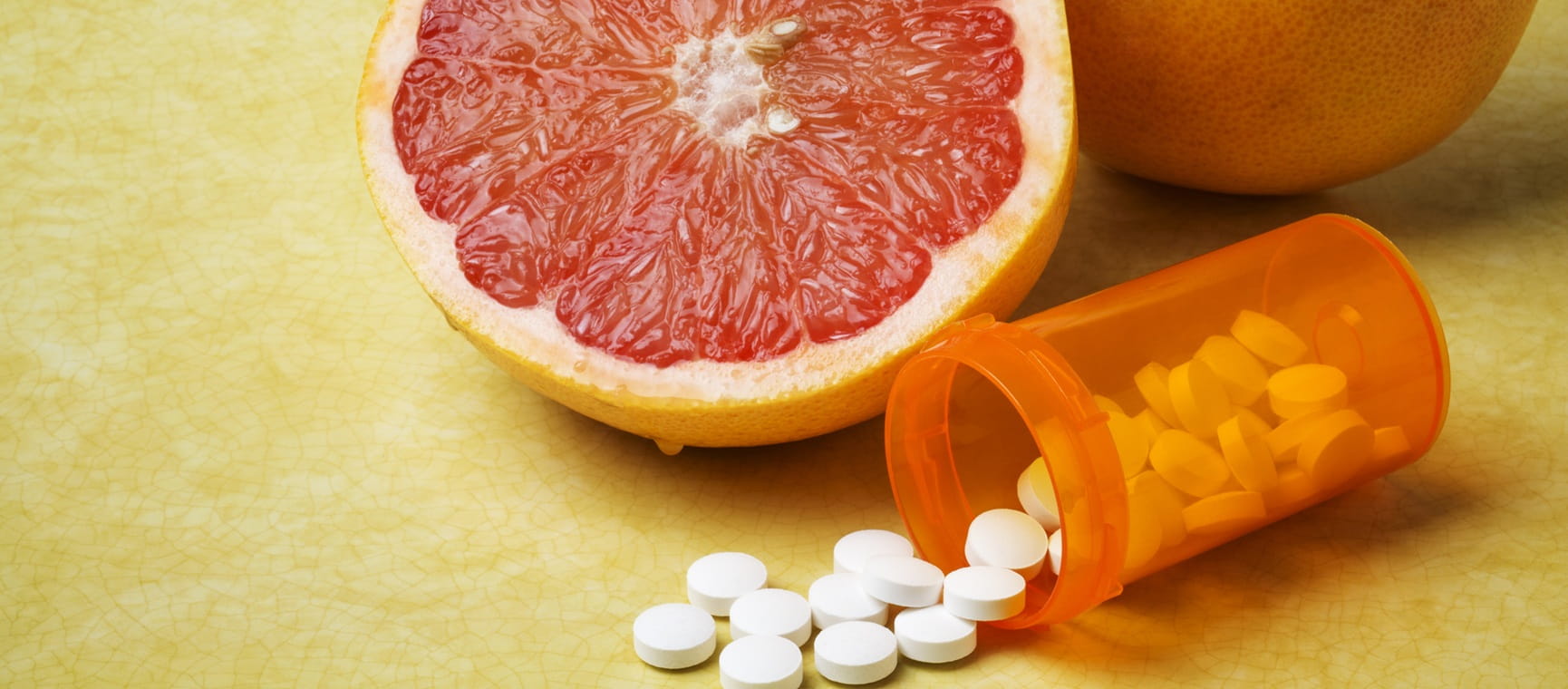
Our expert guide to the common foods you shouldn't mix with prescription drugs.

Experts reveal whether chilled supermarket soups are worth the extra cost and if some flavours are better for you than others.

Looking after your gut health could be one of the biggest things that you can do for your overall health. Here are the best foods to keep your gut happy.
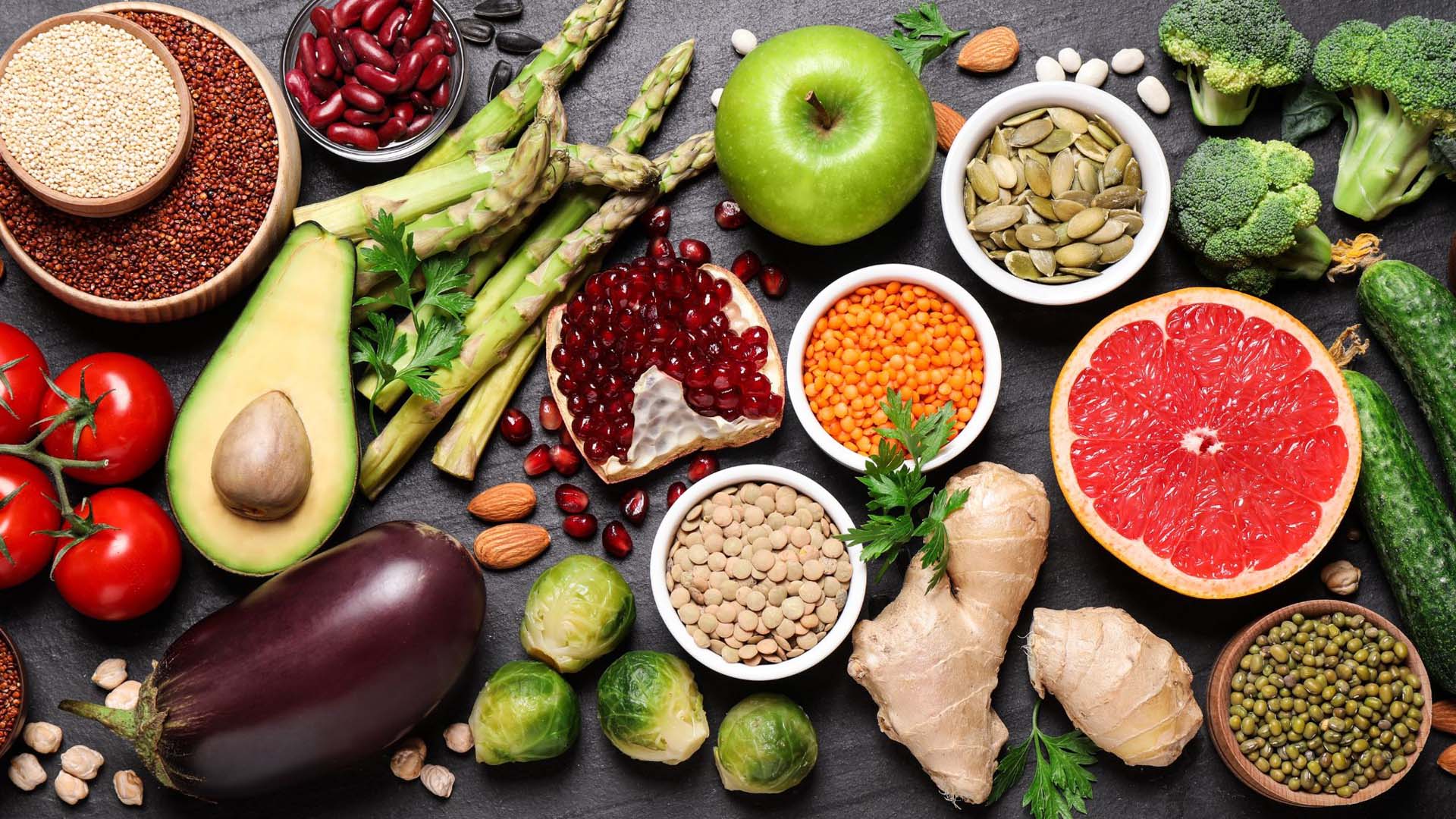
The foods that could help you live longer and protect against chronic illness.


A dietician reveals which foods can help protect vision and prevent age-related eye conditions.

Everything you need to know about protein, from how it benefits your body to the best high-protein foods – and how much you really need.