Could you cope for three days without power or water? Here’s how to prepare
From food and water to torches, power banks and medication, here’s what the government suggests keeping at home, plus practical tips from a power cut veteran.
The government’s Be Ready campaign, launched on 22 October, asks households to prepare for three days of disruption.
The same three-day advice is already used in France, Ireland and the Netherlands, and older people are one of the groups the campaign is particularly keen to reach.
The three-day advice is a precaution, not a prediction. The government describes a nationwide power failure as unlikely, but smaller disruptions are more common than you might think.
Last year, British Red Cross teams responded to an average of four crises a day across the UK, from flooding and severe weather to power cuts, while storms last winter and this summer’s wildfires showed how quickly power, water, phone signal and the internet can be knocked out.
These are the essentials the government advises everyone to stock up on. You don’t need to buy everything at once. Many of the steps are free, such as signing up to the Priority Services Register (see below), and the rest are designed to be as low-cost as possible.
The guidance suggests checking what you already have, adding items gradually and reviewing supplies every six months. It recognises that not everyone can take every step, so households should focus on what works for them.
The government advises 3 litres per person per day for drinking, so allow at least 9 litres per person for three days, plus extra for cooking and washing. A 2-litre own-brand bottle currently costs around 80p–90p at some supermarkets, while larger packs may be cheaper per litre.
If carrying heavy bottles is difficult, you could order bottled water in bulk from Amazon for delivery or ask someone to help bring it in. Check the pack size, delivery charge and total price before ordering.
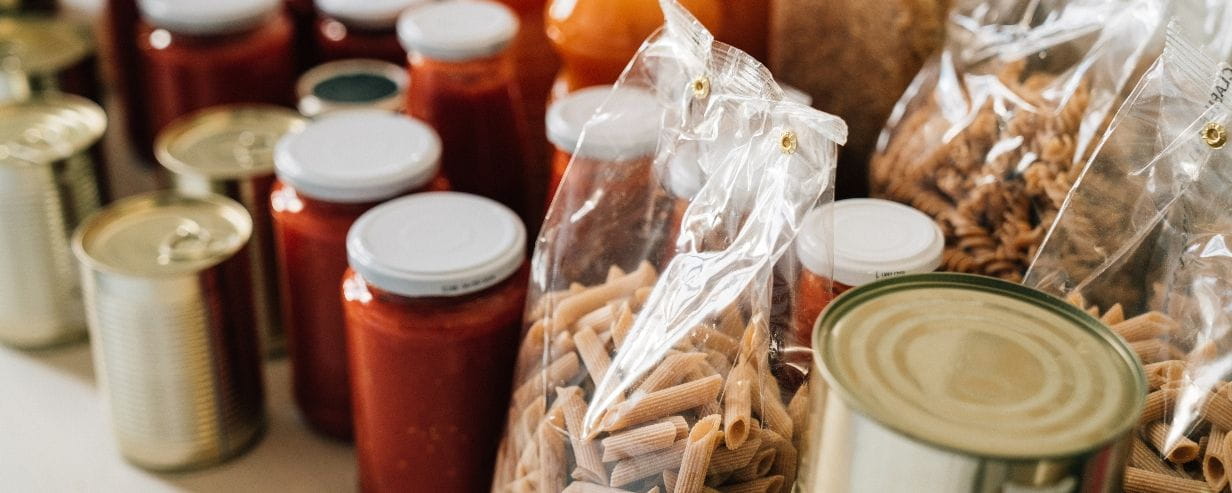
Keep three days’ worth of non-perishable food that doesn’t need refrigeration or cooking, such as tinned meat, fish or vegetables, dried fruit and nuts. Specialist camping meals, such as those from Firepot, are another option, but check whether they need hot water and how you’d prepare them if the power is out.
Choose foods you enjoy and can easily store and add a few items to your usual shop over time.
Freeze a bottle of water with a little room at the top for expansion. It can help keep food cool in an insulated bag during a short power cut, then provide drinking water as it melts.
Keep a torch and spare batteries somewhere easy to find, along with blankets or sleeping bags and warm clothing. A wind-up torch is worth considering, too, so you’re not left fumbling around in the dark if the batteries run out. Torches are also a safer option than candles during a power cut.
For keeping warm, you could also consider a wearable sleeping bag or an Oodie, which you can pull on over your clothes if the heating goes off. Not the most glamorous look, perhaps, but needs must!
Keep a battery-powered or wind-up FM radio handy so you can get updates if the internet goes down. This one doubles as a torch, saving you from having to rummage around for two separate gadgets. It’s also worth writing down the frequencies for your local radio stations, so you’re not trying to find them in the middle of a power cut.
A charged power bank is useful for keeping your phone going, too. If you want something with plenty of capacity, this high-capacity model can keep multiple devices charged for longer, although it comes at a price. And if bad weather is on the way, charge your phone and top up your power bank in advance. It’s a small job that could make life considerably easier if the power goes out.
It’s worth agreeing a simple check-in plan with family or friends: who will contact who, when, and what to do if phones or the internet stop working.
Swap numbers with a trusted neighbour, too, so you have someone nearby to turn to if needed.
Keep a first aid kit, essential medication, hand sanitiser, wet wipes and other bathroom essentials together. A St John Ambulance home first aid kit is a good starting point.
Make sure you have enough of any regular medication, and request repeat prescriptions up to five working days before you need them to reduce the risk of running out.
Keep some cash, bank cards, copies of important documents, emergency contact numbers and a written list of any regular medicines and doses together. Include insurance details and a note of any allergies, too. It’s worth keeping paper copies in a safe, easy-to-reach place. A phone with a flat battery isn’t much help when you need to look something up!
You can print this useful household emergency plan and fill it in with important contact numbers, meeting points and details of how your household would manage in an emergency. Keep a copy somewhere everyone knows where to find it.
Think about anything your household would struggle without for a few days. If you have pets, stock up on food and bottled water for them, too – they’ll need looking after just as much as you do.
If you have a baby, include nappies, wipes and ready-to-feed formula, which doesn’t need mixing with water. And don’t forget any other essentials you rely on, from specialist food to supplies for anyone with additional needs.
Buying a ready-made emergency food pack can save time, but it’s not a substitute for a properly stocked household emergency kit. You’ll still need water, light, warmth, a way to get updates and other essentials. Before buying, check what’s included, how many people it will feed and whether you’ll need extra water to prepare the meals.
Here are some options, from food bundles to all-in-one survival bags.
The Prepper’s Shop three-day ration bundle includes six main meals (two per day), three packets of biscuits, three drink powders and three snacks. Designed for demanding situations, it could be a useful addition to your emergency food supplies.
The contents can vary depending on available stock, and preparation methods differ between meals, so check the instructions on each pack. Bear in mind that this is a selection of emergency rations rather than a complete three-day food supply, so you’ll need to supplement it with other food and drinking water.
For something designed to last much longer in storage, ReadyWise’s 60-serving entrée variety pack contains 13 different meals, including cheesy lasagne, creamy pasta, chicken noodle soup and teriyaki rice.
The freeze-dried food has a claimed shelf life of up to 25 years and is prepared by adding water.
The pack is advertised as providing six days’ worth of food at 1,800 calories a day, but it needs around 60 cups of water to prepare. At £169.99, it’s a sizeable investment, so consider whether buying a selection of long-life foods from the supermarket would suit your needs better.
If you’d prefer to have most of your emergency equipment together, this pre-packed survival kit comes in a 50-litre backpack and contains more than 150 pieces of equipment.
These include a first aid kit with 94 items, plus tools and supplies for shelter and other emergency needs. The bag weighs around 6kg, leaving some room for personal essentials such as medication, extra clothing and important documents.
It’s designed for two people for 72 hours, based on the food rations provided. At around £400, it’s an expensive option, so check the full contents carefully to see what you’d still need to add.
A less expensive option is Evaq8’s GoBag emergency kit for two, which comes in an easy-to-carry rucksack. It includes emergency food and water rations, water purification tablets, a wind-up torch, foil blankets, emergency sleeping bags, a first aid kit and a power bank, alongside practical extras such as gloves, sanitising wipes and a multi-function tool.
It covers a number of useful basics, but the food and water supplies are limited to two emergency rations each. You’ll need to check whether these provide enough for your circumstances and plan for additional supplies if necessary.
Tinned food, long-life milk, crackers, dried fruit and other cupboard staples can all be useful, provided you choose foods that your household will actually eat. Don’t forget to check their shelf life.
You can spread the cost by adding a few extra items to your usual shop rather than buying everything at once.
Whichever option you choose, remember that a high serving count or a bag labelled for 72 hours doesn’t automatically mean you have everything you need.
Think about the number of people in your household, drinking water, dietary requirements, medication and the other essentials you’d rely on if services were disrupted.
Saga’s senior digital editor Phillipa Cherryson used to live high on a mountain in South Wales, where losing power or being unable to get out were regular occurrences. She learnt to plan ahead and keep a few essentials close to hand.
“You just learn to keep an eye on your store cupboard year-round,” she says.
Her first lesson? The things people tend to panic-buy, such as bread and potatoes, aren’t necessarily the most useful.
“If you lose electricity you can’t use your oven, microwave or air fryer,” she says. “And potatoes aren’t quick to cook.”
If you want more than cold food from a tin, Phillipa recommends a portable gas stove.
“They are cheap and don’t take up much space,” she says. “If you don’t have a gas hob then one of these means you can make yourself a warm cup of tea or cook yourself dinner on it. I’ve cooked food for six people on one of these!”
Look for a butane cassette stove, ideally with a flame failure device, which cuts off the gas if the flame goes out. They run on small gas canisters you can buy from supermarkets and camping shops, so order a spare pack of canisters at the same time and check they fit your stove.
A camping kettle and “a couple of boxes of matches” are also on Phillipa’s list. A kettle boils water faster than a saucepan, so you’re not waiting long for a cuppa.
Phillipa keeps wind-up torches and battery lanterns to hand. A battery lantern can light a whole room.
“Something like this looks nice on display,” she says, “or on a budget a tent light is a good option.”
If you’d prefer something that matches your decor, there are plenty of rechargeable lamps on Amazon, while Pooky has more decorative, but pricier, designs. Just remember to keep them charged.
Instead of bread and potatoes, Phillipa keeps foods that cook easily on a single burner, such as dried pasta, rice and couscous.
“Couscous is great too as you can just pour boiling water over it and leave it covered for seven minutes,” she says.
Tinned soups, vegetables and fish are useful too. She suggests combining beans, coconut milk and spices for a warming chilli or curry, while a jar of ready-made sauce makes things even simpler. Avoid relying on dried pulses, which take a long time to cook and use up precious gas.
Her biggest tip? “If you are without electricity for a few days then your frozen food will defrost, so make the most of what is in there.”
The Food Standards Agency estimates a full freezer can keep food frozen for up to 48 hours or 24 hours if half full. Make sure to keep the fridge and freezer doors closed as much as possible.
“I always kept a couple of big bottles of water,” says Phillipa.
A water butt can also provide water for flushing the loo, but don’t drink rainwater unless it has been treated to make it safe.
Only use a gas stove indoors if the manufacturer says it’s suitable and always in a well-ventilated room with a window open. Never leave it unattended.
Burning gas produces carbon monoxide, which you can’t see or smell, so fit a battery-powered carbon monoxide alarm nearby. Store spare canisters as the manufacturer advises, away from heat.
Being prepared for an emergency doesn’t mean buying lots of extra supplies. It means thinking about what you’d need if the power went off, the shops were difficult to reach or your usual support wasn’t available for a few days.
The British Red Cross, which supports the campaign, believes planning ahead matters most for those who rely on others. Laura Scott, director for UK resilience, says: “Having clear and trusted advice for people, especially those who may be more at-risk, could help reduce the impact of crises and even save lives.”
Would a power cut affect your stairlift, telecare alarm, powered medical equipment, heating or ability to prepare food? Phone lines and the internet can go down too, so ask your alarm provider whether your alarm will still work without them.
Check with equipment suppliers, care providers and alarm services what backup arrangements are available and keep their contact details somewhere accessible.
Keep a written list of your medicines and doses, make sure you have enough supplies, and find out what would happen if a prescription delivery, medical appointment or care visit was disrupted.
If you live alone or rely on support at home, arrange for a family member, friend or neighbour to check in during an emergency.
Agree how you’ll stay in touch if your phone or the internet stops working and keep important contact numbers on paper.
Store essentials somewhere you can reach easily, without having to climb stairs or move heavy items.
There’s little point keeping your torch, medication or bottled water in a cupboard you can’t comfortably get to.
Need a little extra help? Age UK’s advice line offers information and support for older people.
If you’re of State Pension age, have a disability or long-term health condition, are pregnant or have young children, you may be eligible for the free Priority Services Register (PSR).
You may also qualify in other circumstances, including if you struggle with English.
The register helps energy companies identify customers who may need extra support during a power cut or other emergency. Depending on your circumstances, this could include:
How to sign up: It’s straightforward to join the PSR. You can register through your local electricity network operator. Your details may be shared with participating utility companies, including your energy supplier, gas network and water company. Check the registration guidance to see whether you need to contact any other providers separately.
Find out more and check whether you’re eligible at the Priority Services Register website.
This article contains affiliate links, which means Saga may earn a commission if you make a purchase. Our recommendations are independently chosen.
Jayne cut her online journalism teeth in an era when a dialling tone and slow page load were standard. During this time, she’s written about a variety of subjects and is just at home road-testing TVs as she is interviewing TV stars. A diverse career has seen Jayne launch websites for popular magazines, collaborate with top brands, write regularly for major publications including Woman&Home, Yahoo! and The Daily Telegraph, create a podcast, and also write a tech column for Women’s Own.
View author page
Buy direct and start a new Saga Health Insurance policy by the end of 10 December 2026 to get your first 3 months free. T&Cs apply.
Underwritten by Bupa Insurance Limited.
Trusted advice, practical tips, exclusive interviews, puzzles, competitions and more every week. Sign up to our free newsletter.
Your chance to win cruise for two to Cádiz, Casablanca and the Canary Islands, worth more than £9,600.
Try these simple tips and fixes for Saga’s crossword, sudoku and codeword puzzles.
With the start of the new financial year on 6 April, our money expert explains the changes to your pension, benefits and taxes.