Think like a detective to beat scams
Former detective and crime author Clare Mackintosh is backing UK Finance’s campaign to stop fraud and advises us to switch on our cop brain.
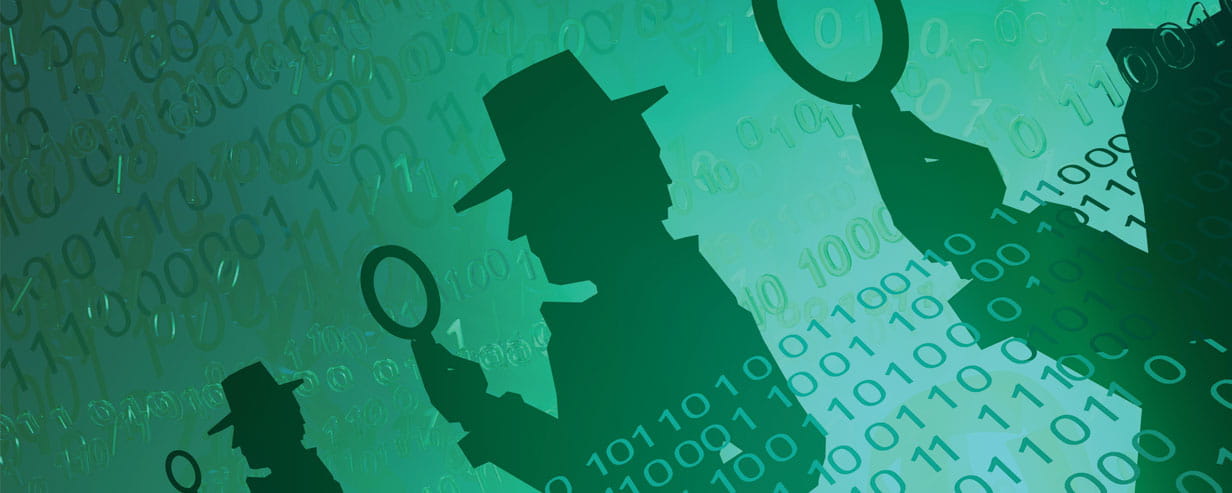
Former detective and crime author Clare Mackintosh is backing UK Finance’s campaign to stop fraud and advises us to switch on our cop brain.
Crime novels and TV detective shows have never been more popular. Many of us constantly have our heads in the pages of gripping page-turners or our eyes glued to the TV watching Vera, Line of Duty or Death in Paradise. But while we might love immersing ourselves in the genre as a form of escapism, we don’t want to experience crime in our real lives – most notably scams.
There are now more than 4 million reported incidents of fraud a year in the UK, which is over 40% of all crimes, making it the biggest single crime facing the public, according to government figures. And in terms of value, more than £1.17 billion was stolen through scams in 2024, the last year for which figures are available.
The massive scale of the issue has sparked trade association UK Finance, which represents some 300 banking and financial services firms, to commission three celebrated crime writers to pen short stories aimed at highlighting scams: Vaseem Khan, CL Taylor and Clare Mackintosh.
It’s hoped this “Read Between the Lies” initiative, which launches on 27 April as part of UK Finance’s annual Take Five to Stop Fraud week, will tap into the nation’s passion for crime stories and encourage readers to protect themselves from scammers.
Find out how to protect yourself from investment scams that could be targeting your money.
Clare Mackintosh, whose latest novel It’s Not What You Think became an instant number one Sunday Times bestseller when published at the end of March, formerly worked as a senior detective and explains why she was keen to support UK Finance by writing her short story, Trust Me, about a busy single mum who falls prey to artful scammers.
“I was in the police for 12 years and dealt with lots of crimes, but the devastation that fraud causes has really stayed with me because it can feel often like a betrayal and it makes people feel stupid in a way that other crimes often don’t,” she says.
“While the figures suggest 40% of crime in this country is now fraud, we know it’s actually massively under-reported. Lots of scam victims don’t report what’s happened because they’re embarrassed or humiliated by being duped or, if it’s a small amount of money they’ve lost, they don’t want to waste anyone’s time.”
Clare reveals that she has personally fallen foul of scammers by clicking on a bogus link in a phishing email about a parcel delivery – “I felt foolish for clicking on the link, but I had been expecting a parcel; I ended up having to cancel my bank card”.
Her mother has also received several scam texts, which Clare has, fortunately, checked and intercepted for her, and her son was also duped via Instagram and his account was temporarily taken over by scammers.
“Scams are getting worse, more prolific and more sophisticated, so we all need to be savvy in how we think so we spot them,” she says.

Turning on her professional detective brain is now how Clare routinely deals with unexpected texts, emails and cold callers at her front door and she advises it is easy for Saga readers to do the same.
“The most important thing to do when you are contacted by someone – whether online, via text message or face to face – is to build in a pause. Just stop and don’t rush to act,” Clare suggests. “We’re all very busy, so it’s natural to react to things quickly. And it’s also a cultural thing for us to be trusting and polite as we don’t want to offend; it sometimes feels easier to just say ‘yes’ than to stop and think.
“But pausing is very important. If it’s on the phone, say, ‘Can I take a number and call you back’ so you can double check a person’s credentials. Or if it’s someone at the door, say ‘I’m just going to close the door while I check who you are’. As a detective, when I was standing at a crime scene, the first thing I did was to stop and look and not rush in.”
“To gather evidence as a detective, I would ask all the questions to investigate what has happened. If I was interviewing someone, it was my job to be challenging them. I would ask for proof of their identity and they are who they say they are,” says Clare.
“In the same way, if someone contacts you, you need to be asking: ‘How is it that you know my contact details?’, ‘Who gave you my number?’, ‘How do you know that detail about my life?’ You might feel a bit uncomfortable and like you’re being rude. You’re not! And nobody who is above board is going to take offence at those questions.
“As a police officer I often had people say to me, ‘I want to check you are who you say you are’. And that is something I never took offence at. It’s the smart move.”
“If something inside of you feels that something isn’t right, listen to that feeling, rather than dismissing it or squashing it down,” stresses Clare.
“A detective will always listen to their gut instinct and it’s so important to do this and to trust yourself. Then seek a second opinion from a trusted family member or friend – just like detectives would discuss their thinking with colleagues.”
“Police officers won’t go out on a job without protecting themselves and we all need to take a similar approach in our daily lives with our finances,” Clare advises.
“Take proper steps to protect your information, never give passwords away, make sure your banking information is secure, and call your bank immediately if you think that you’ve been compromised in any way so that there can be a block put on the account.
“Make sure that you’ve got things like two-factor authentication on your bank information. Those key layers of protection that are going to help ensure that people can’t scam you.”
Don't fall victim to ATM scams. Discover the methods criminals use to steal your card details and cash, and learn essential steps to protect yourself.

“In the same way that a detective will document their activities, if you’ve been a victim of a fraud or someone’s come to your door or made a call that you just know isn’t right, report it,” Clare says.
“Reporting scams is part of being a good citizen, no matter how small. Maybe you feel a bit stupid for falling for something and maybe you’ve only been scammed out of £20 or you’ve even managed to intercept it and get your money back – but still report it. Think about the next person it might happen to – you need to make others aware.
“It’s no different from somebody who is the victim of an assault, but isn’t very badly hurt, choosing not to report it. But what about the next person? What if that person isn’t so lucky?”
Tell the police at: Report Fraud or call 0300 123 2040.
“Being a detective is common sense,” says Clare. “I went through detective training and it’s just about logic. Try to use your analytical brain, not your emotional brain.
“For example, in my story, the mum receives a text at the beginning, supposedly from her son, saying he’s lost his phone and to use a new number. That mum is busy, stressed and overworked. She’s got a teenager away at university and her maternal instinct is to help. It’s natural for there to be an immediate urge to support her son – from the fraudster’s point of view, that’s what they’re relying on.
“They are playing on emotion, so it’s important to think logically and check out the text. All she had to do was call her son’s normal number and she discovered the text was bogus.
“It’s the same with charity fraud, where the scammer will tug on your heartstrings if you’ve been affected by cancer, or dementia or another issue,” Clare adds.” You are much more likely to hand over your bank details, set up a direct debit, transfer some money, because you are emotionally affected and trying to do good.
"That’s precisely what these criminals are preying on. Try to separate your emotions when you’re contacted out of the blue and check who is really contacting you.”
You can read Clare’s short story, as well as those of the other authors, and to find out more about the Take Five to Stop Fraud’s Read Between the Lies campaign.
It’s Not What You Think by Clare Mackintosh (HarperCollins, £16.99) is out now

Why settle for less? Switch up your savings with true easy access and a great rate:
In partnership with NatWest, designed for people over 50. Interest paid monthly.
New customers only. UK residents only.

Whether you're looking for straightforward insurance or cover that's packed with extras, our home insurance has plenty of options for people over 50.

Ingenious speakers, brilliant earbuds, nifty note takers - our expert picks his top tech gifts.

Electric models are set to dominate the market next year, including a flood of budget Chinese brands.

How breaking my phone ruined one of the best nights of my life – and the expert lessons that will help you avoid my mistakes.

New to podcasts? Here’s our straightforward guide to finding them, playing them and enjoying them.

Our pick of the best EVs - from spacious SUVs to compact city cars.

As the use of contactless soars, our columnist asks what can be done to prevent discrimination against those still wanting to use cash.


Follow our step-by-step guide to find out your internet speed - and whether it’s your device or broadband that’s slowing you down.
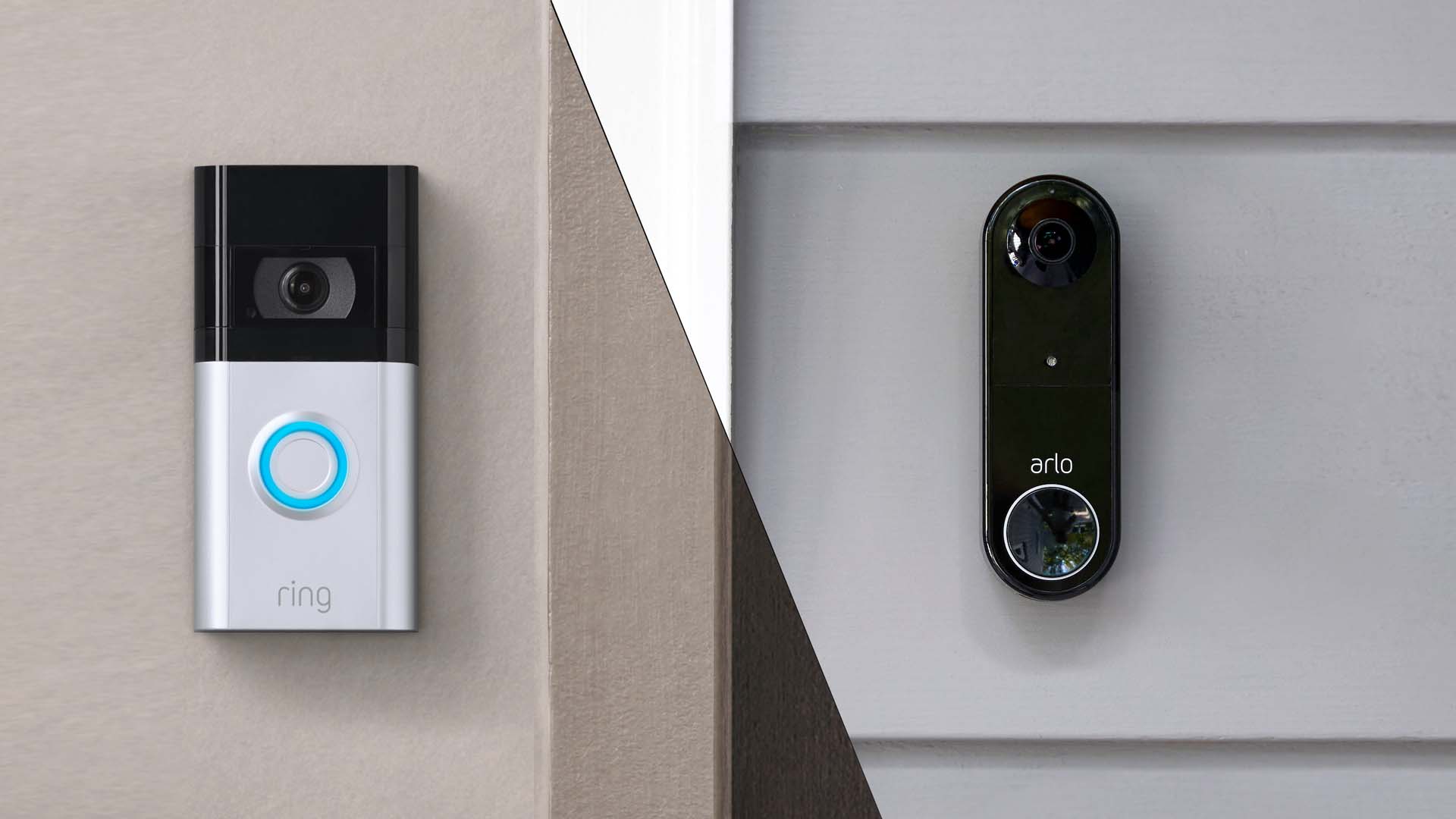
These video doorbells show you who's at your door, even when you aren't home.
We explain everything you need to know to connect an iPhone to an Apple Watch.

Think you know how to use WhatsApp? We've got some handy tips to help you get the most out of the messaging app.