The 8 travel insurance mistakes that could cost you dearly
From undeclared health details to missed small print, we reveal the common gaps that could hurt you and how to make sure you’re protected.

From undeclared health details to missed small print, we reveal the common gaps that could hurt you and how to make sure you’re protected.
You’ve booked the flights, packed your bags and double-checked your passport, but have you really read your travel insurance policy? Most of us haven’t and that’s often where the trouble starts.
It’s usually only when something goes wrong that people discover that the cover they thought they had is not quite the cover they bought. That’s because travel insurance can vary widely depending on the policy, the traveller and the trip itself. A budget policy may offer very different protection from a more comprehensive one and what is accepted in one case may not be in another.
There is no universal list of things that automatically “invalidate” travel insurance – and anyone who tells you otherwise is probably being a little too confident – but there are some common assumptions that can catch travellers out.
This is where a lot of people come unstuck.
A condition may feel familiar and nothing to fuss about, especially if it is well-managed day-to-day, but what seems minor to the person travelling may still be something an insurer expects to know about.
It matters because medical treatment abroad can be eye-wateringly expensive and a pre-existing condition may also affect the treatment someone needs if anything goes wrong. A condition or medication can change the level of risk involved and the way doctors are able to treat you, which is one reason insurers want as full a picture as possible from the outset.
“Many insurers offer cover for pre-existing medical conditions, however, it’s essential to declare them when taking out your policy,” advises Michelle Cooper, director of travel insurance at Saga.
“With treatment abroad being costly, it’s best to be properly covered should you need treatment while away.”

This is a slightly different misunderstanding, but a common one.
Some travellers assume that if a condition is controlled with medication, it no longer really counts as something they need to mention. High blood pressure is a good example. If it is well-managed with tablets, it can be easy to think of it as sorted rather than ongoing.
But insurers are not only interested in whether a condition feels under control. They may still want to know about the condition itself, even if it is being managed successfully.
The safest approach is not to make assumptions. If you are asked about medical conditions, treatment or medication, it is worth checking the wording carefully and answering as fully as possible.
A surprising number of people think travel insurance is mainly about what happens once they are abroad.
In reality, one of the most useful parts of a policy can begin well before departure. If your policy includes cancellation cover and you have to cancel for a reason covered by it, insurance may help recover costs you have already paid out.
Cooper says: “Travel insurance can cover you if you need to cancel your trip unexpectedly, but it depends on the reason.
“That’s why it’s important to purchase travel insurance as soon as you book your trip, as unexpected circumstances may arise at any time.”
Cancellation costs often go beyond flights and accommodation. Transfers, excursions and car hire can all add up, especially when different parts of the trip have been booked separately, so it is worth checking from the outset exactly what your policy covers and whether all elements of the holiday are included.
A Global Health Insurance Card (GHIC) – previously known as the European Health Insurance Card (EHIC) – entitles you to state-provided medical treatment in certain European countries, but it is not a substitute for travel insurance. It will not cover repatriation if you need to be flown home, private medical care, cancellation costs or lost luggage. Think of it as a useful extra layer of protection, not a replacement for a proper policy.

Travel insurance may cover unexpected cancellations for reasons such as illness, bereavement or another event set out in the policy, but that does not mean every cancelled holiday is claimable. A change of heart or a diary clash is very different from an insured event.
Cooper is clear on this point: “Cancellations due to simply changing your mind or a scheduling conflict won’t be covered.”
It sounds obvious when written down, but when holidays are expensive and plans unravel, many people understandably hope insurance will cushion every blow, but usually, it depends on the reason.
A holiday activity can sound harmless enough when you are booking it from the comfort of your kitchen. Insurance companies however may take a more detailed view.
Many policies include a range of activities, but that doesn’t mean everything is automatically covered or covered to the same level. Some activities may be included only if they are professionally organised and supervised, while others may require extra protection.
“While many travel insurance policies include standard activity cover, higher-risk pursuits such as skiing or diving may require additional protection and have limited cover,” says Cooper.
Her advice is simple: “Always check your policy details before booking any activity to ensure you have the right level of cover for your trip.”

Insurance is there for genuine mishaps, not for treating your passport, phone and jewellery as though they are indestructible.
“While most travel insurance provides some cover for the theft or loss of valuables such as passports, money, and jewellery, there are limits on how much you can claim, and certain conditions apply,” explains Cooper.
Insurers will usually expect travellers to take sensible precautions, whether that means using a hotel safe, keeping valuables secure or not leaving expensive items unattended.
The principle is fairly simple: cover may be there, but common sense is expected to come on holiday too.
Sometimes it is, sometimes it’s not.
If your flight is cancelled, for example, the first call is not always to your insurer. In many cases, your airline or tour operator is responsible and, depending on how you paid, your credit or debit card provider may also offer some protection for purchases between £100 and £30,000.
That said, your travel insurer may still be worth contacting early on, especially if you are unsure where responsibility lies or what you should be accepting from an airline or tour operator. Most insurers can offer guidance and support, which can be helpful before you agree to a refund or make alternative arrangements.
“Travel insurance may be able to help with additional costs, such as accommodation or alternative travel arrangements if you’re left stranded due to circumstances beyond your control,” says Cooper.

If your holiday involves visiting more than one country, it is worth checking exactly where your policy covers you. Some policies are designed around specific regions or have different terms depending on the destination, which means a trip that starts in one place and ends in another may not be fully protected throughout.
This is especially relevant for cruise passengers, who may visit several countries in a single voyage. A policy that covers you in Europe may not automatically extend to a port call in North Africa, for example, so it is always worth listing every destination when you buy your cover and double-checking that each one is included.
(Hero image credit: GettyImages)


Booked your trip and thinking about travel insurance? When you're looking to compare travel insurance, don't settle for less.

Saga offers escorted tours throughout Europe and as far afield as South Africa, Japan, Canada and Australia, plus hotel stays in popular European hotspots including Spain, Portugal, Croatia and Greece.

Ancient palaces, crystal-clear seas and undiscovered budget beaches – our travel experts share the best travel destinations for 2026.

Our guide to the most remarkable places to visit in Africa, the continent of contrasts.
.jpg?la=en&h=760&w=1730&hash=3900F1F9D5EBD1961A7DFC7B29B5BA1A)
Holidays can boost your brain power, help you live longer and even relieve pain.






Autumn on Europe’s rivers is always spectacular. We’ve got the best cruises to try in 2025.

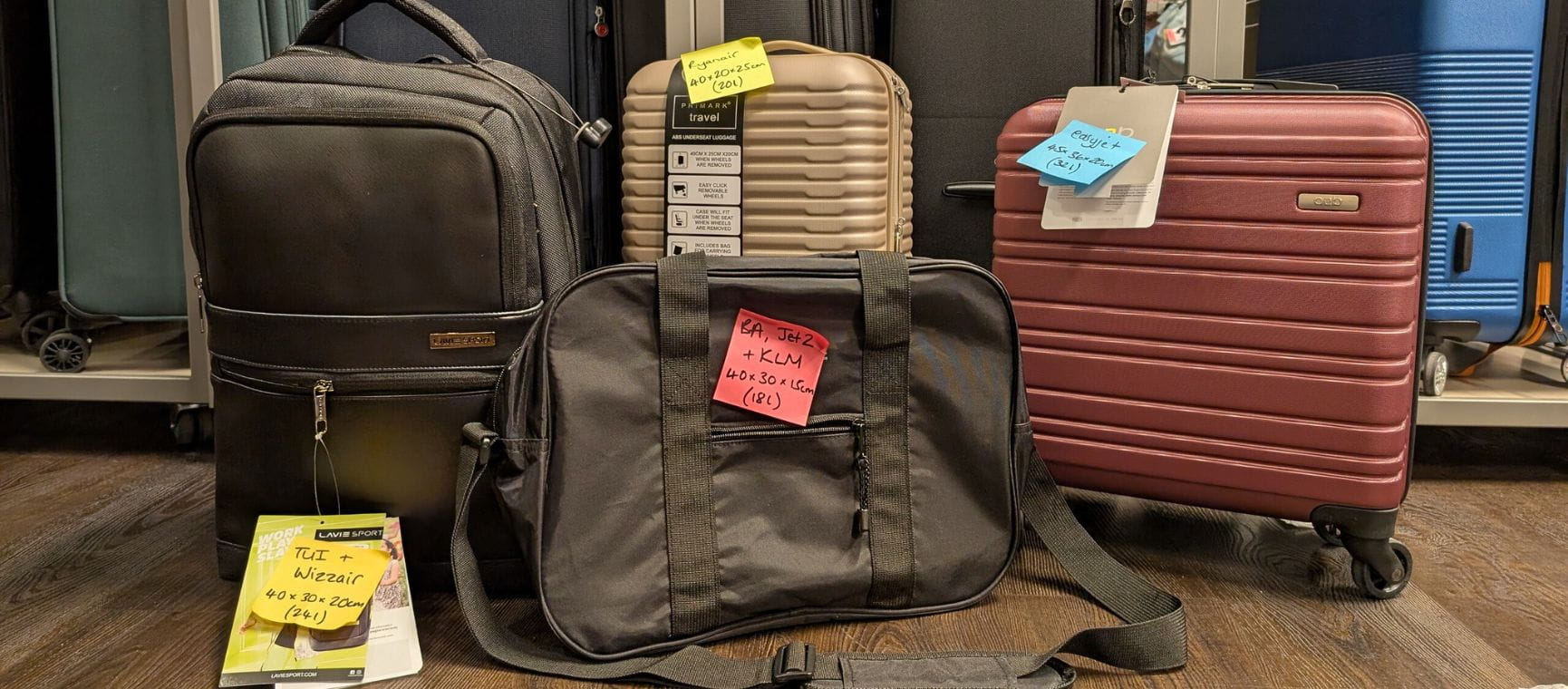
We help you beat the airlines at their own game with the cabin bag weight and size limits for the UK's seven most popular carriers.