
Saga's Automated Assistant
What product would you like to discuss today?
Saga's Automated Assistant
Do you currently have a policy with us?
How does your policy number appear on your documents?
Keeping your home up-to-date and well-maintained can be a struggle with a long to-do list, and some jobs are easier than others to tick off.
But what happens when you notice a crack in the wall? Can you fix cracked walls yourself, or do you need to call in some help?
Most homes will have cracks in the walls at some point, regardless of when or how well they were built, but some cracks aren’t serious enough to affect the stability of the building.
There’s probably no need to worry if you’ve noticed some lines appearing on your walls, for example in your living room, as plaster does typically crack for a number of reasons. These can include:
A new home may see some settlement cracks and experience some new plaster cracking as the house settles down into its foundations. The ground under the house might compact under the weight of the building, but this usually stabilises quite quickly.
Buildings shrink and expand as temperature and humidity vary throughout the year. Small movements as the building responds can cause hairline cracks in walls and ceilings.
Building materials in your home absorb excess moisture (from showers and baths, drying clothes or boiling kettles) causing them to expand. When they dry out, cracks can appear. Leaks can also cause cracks, but these will come with evidence of staining or water damage as well.
When a house is first built, or if you’ve added an extension, the materials used (like plaster, wood and concrete) have a lot of water content that naturally dries out over several months, leading to cracks in plaster walls.
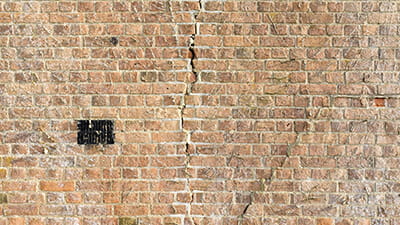
Cracks can also appear due to subsidence, heave or landslip, and these are the ones that are generally bad news. Thirsty trees and shrubs planted too close to the house, poor drainage and past mining activity can all be causes of subsidence, which you need to address sooner rather than later.
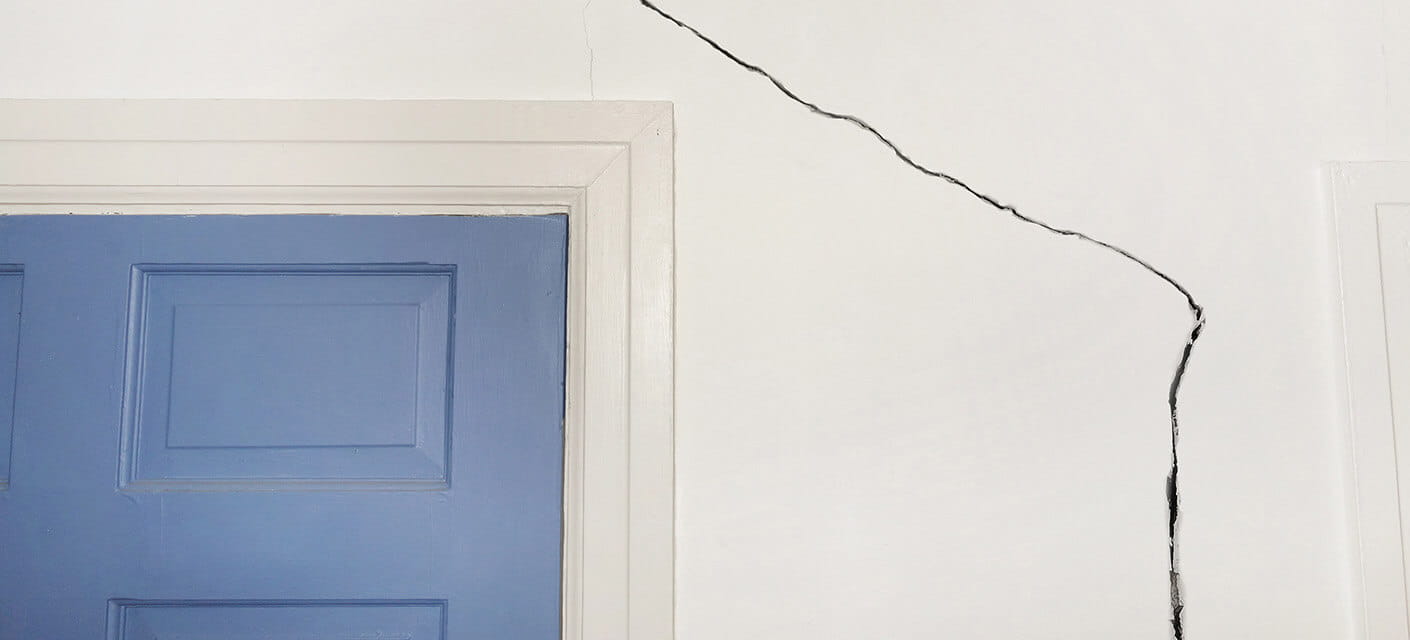
Internal wall cracks can take many shapes and sizes. Size and placement are often a good indication of what’s causing them.
In most cases you don’t need to worry about hairline cracks in plaster, but when the cracks are wider than the edge of a pound coin, you may be facing a more serious issue.
It’s unlikely that the cause is excessive settlement, subsidence or heave-related movement, but if you do notice certain signs then you might need to act. You should be wary if a crack is:
If you notice other issues such as windows and doors sticking in their frames, or if a crack has significantly grown since you first spotted it, you may need to seek expert help.
Taking a few simple measures in your home can help to reduce the likelihood of small cracks appearing.
For smaller cracks that are mostly cosmetic, you may be able to fix them yourself if you know how, or you can search online for how to fix and repair hairline cracks in plaster walls to get hints and tips on simple wall crack repair. Using a suitable filler, grout or sealant the next time you redecorate your home will take care of most minor cracks.
But where the cracks might be a sign of other damage and especially of subsidence, you’ll need to act quickly and do more than just fixing cracks in walls. You should contact your insurer for help as soon as possible.
Your insurer will advise you on the next steps and will usually send a specialist like a structural engineer or a surveyor to examine the damage and find the cause of the potential subsidence.
If it’s found that the subsidence has been caused by coal mining, you’ll need to get help directly from the Coal Authority, although you should keep your insurance provider informed of any claim.
If your property has been affected by subsidence before, you’ll need to provide all the details and evidence to show that the issues have been fixed.
The insurance quote you get will factor in previous issues; if eligible, your premium may be higher as a result. A copy of a surveyor's or structural engineer's report to confirm previous issues have been fully repaired may also be requested.
Most buildings insurance policies will cover your property against subsidence if it hasn’t already been affected in the past. Saga Plus and Select home insurance policies cover subsidence, ground heave and landslip at the site on which the building stands.
But if your cracked walls are caused by settlement, or by general wear and tear, insurance companies (including Saga) are unlikely to pay out to repair them as it would be considered general maintenance.
Cracks can also be the result of poor workmanship or using faulty materials, which again won’t typically be covered by your buildings insurance.
You may however be able to claim for this elsewhere, for example against the original contractor that did the work or on the warranty that came with your new build home. Check your policy booklet to see exactly what you’re covered for.
Saga Home Insurance is arranged and administered by Ageas Retail Limited and underwritten by Ageas Insurance Limited.
Whether you're looking for straightforward insurance or cover that's packed with extras, our home insurance has plenty of options for people over 50.
Choose Saga Plus, our highest level of home cover, and freeze the price of your home insurance for 2 years if nothing changes. T&Cs apply.
There's plenty to explore and learn about our home insurance cover.

Planning some time away? Make sure your property is still protected if you leave it empty for a while.

Keep your home toasty and fuel-efficient with a few simple boiler maintenance tips. Avoid costly callouts with the help of our boiler care year planner.

What does it mean? Here’s how home insurance can help with get things back to normal after a leak.

Saga home insurance comes with garden cover included. Find out what’s included and get tips to help secure your garden.

Use our seasonal home maintenance checklist to keep your home ship shape and avoid major costly repairs
Enjoy your two-wheel adventures more when you get the right bike insurance.