10 ideas for getting your garden ready for spring
From protecting your fruit trees to clearing up winter waste, our top tips will prepare your patch for the season ahead.
From protecting your fruit trees to clearing up winter waste, our top tips will prepare your patch for the season ahead.
A thorough cleanup sets the stage for everything that follows. Begin by removing fallen leaves, twigs, and any leftover annuals that have collapsed over winter – decaying plant matter can harbour fungal spores and pests that will happily attack new growth.
Give borders a gentle tidy, clear pathways, and sweep patios or decks where algae may have built up in damp weather. If you’re using cleaning products, look for environmentally friendly, plantsafe options to avoid harming nearby beds or containers.
This early tidy also helps you spot any structural issues – broken pots, damaged edging, or loose paving slabs – before the busy growing season kicks in.
Grass can look a little sorry for themselves after winter, and spring can be the best time to repair your lawn. Start by raking out moss and thatch to allow air and light back into the grass.
Follow with a spring lawn feed to give it a nutrient boost – nitrogen rich foods help it green up quickly. Scarifying and aerating compacted areas encourages healthy root development.
Once nighttime frosts have passed, re-seed bare patches, keeping them moist until the new grass establishes. If your lawn edges look ragged, recutting them creates an instant sense of order.
Your garden waste from the cleanup is a valuable resource. Add leaves, stems, and grass clippings to your compost heap, balancing them with “brown” materials such as cardboard or dried twigs to keep the pile healthy.
Turning the heap introduces oxygen and speeds up decomposition, rewarding you with nutrient rich compost that improves soil structure, moisture retention, and microbial life. Even small gardens can benefit from a compact compost bin – and any surplus compost is perfect for using in pots, beds, or vegetable patches.

If you grow your own food, this is planning season. Check what seeds you already have, decide on crop rotation for your beds or containers, and order any missing varieties. Early starters like tomatoes, chillies, and aubergines can be sown indoors or in a heated propagator.
Clean and disinfect pots, trays, and greenhouse surfaces to keep diseases at bay. Making your own seedling pots from yogurt containers, egg boxes, or folded newspaper is economical and brilliant for reducing waste – plus, many of these biodegrade directly into the soil when you plant out your seedlings.
Late winter to early spring is a key pruning window for many shrubs. Before buds swell, potbound plants should be moved into slightly larger containers with fresh compost to boost growth. Delicate or halfhardy plants may need relocating to a sheltered corner or cold frame until temperatures settle.
Create a pruning checklist: shrubs like buddleia, cornus, and climbing roses respond well to a hard prune, helping them produce vigorous, colourful growth later in the season. Always use clean, sharp tools to avoid damaging stems.

Weeds take every opportunity to establish themselves early in the year, so tackling them now saves headaches later. Remove them from the root (especially taprooted varieties like dandelions), and dispose of them before they set seed.
Break up compacted soil with a rake or fork to improve drainage and airflow. Adding topsoil or compost enriches the earth, giving perennials and early blooms the best possible foundation. Mulching afterwards helps retain moisture and reduces the return of weeds.
With sunnier days ahead, your outdoor furniture will soon be back in action. Plastic pieces usually just need warm, soapy water to lift grime and algae.
For wooden furniture, start with a scrub to remove winter dirt, then sand any rough patches. Apply a suitable oil, stain, or protective sealant to help it withstand moisture and UV exposure – this not only revives the colour but also prolongs the life of the wood. Fabric cushions may benefit from a wash or a fresh weatherproof protector.

Well cared for tools make gardening jobs safer, easier, and more enjoyable. Clean off soil with a stiff brush, then wash and dry them thoroughly.
Sharpen blades on secateurs, shears, and loppers for cleaner cuts that reduce plant stress. A light coating of oil prevents rust and keeps moving parts smooth. Check handles for splinters or cracks and replace any damaged components before the busy season begins.
Consider organising your tool shed or storage space for quicker access during spring tasks.
Early detection is your best defence against pests that can cause major damage. Inspect the undersides of leaves for aphids, scale, vine weevil larvae, or caterpillar eggs. Removing pests manually where possible avoids disrupting beneficial insects like ladybirds and bees.
If an infestation is more serious, choose targeted treatments and follow instructions carefully. Encouraging wildlife – such as frogs, hedgehogs, and predatory insects – can naturally help keep many pests in check throughout the season.
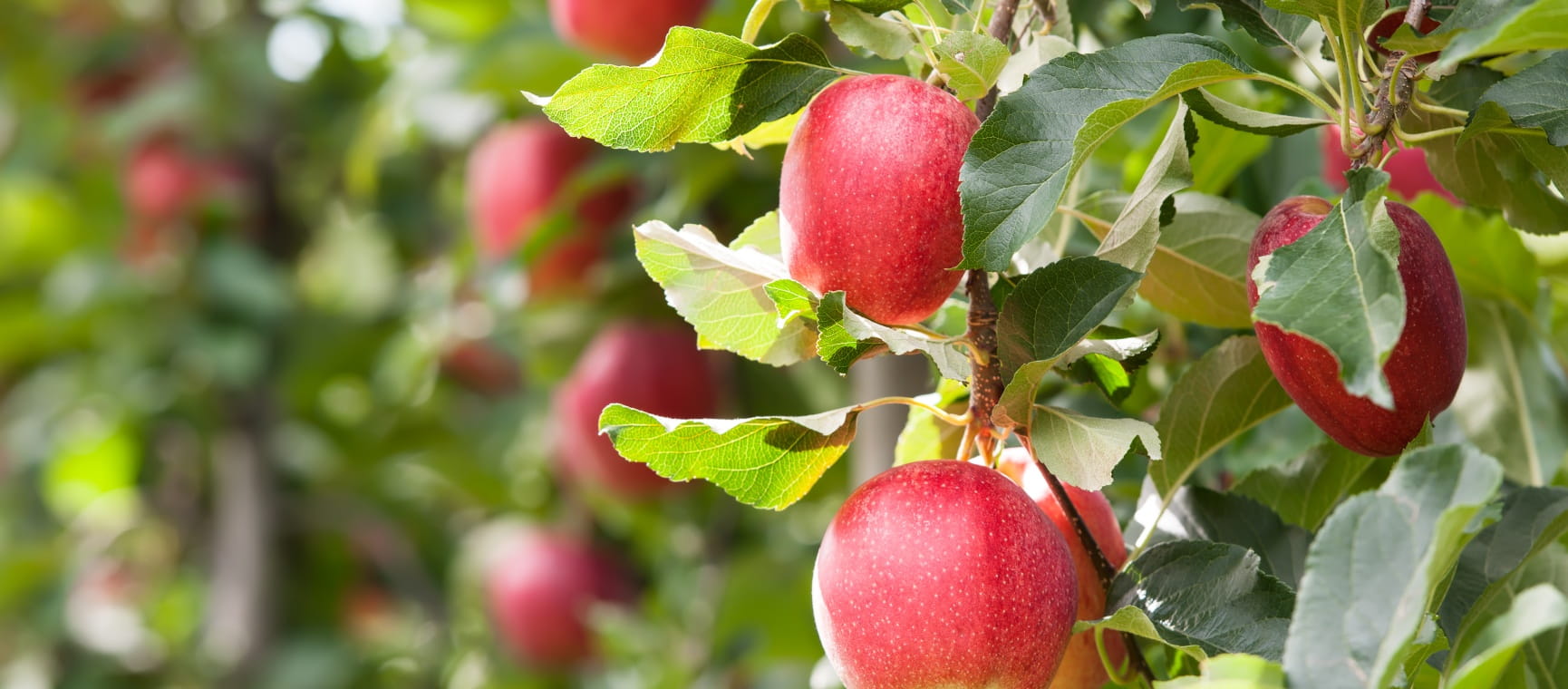
As fruit trees and bushes begin forming buds, hungry birds and small mammals become more interested. Use wildlifefriendly netting or mesh to protect ripening fruit while still allowing air and light to circulate.
Tie nets securely to avoid entangling wildlife. Providing an alternative food source – such as bird feeders stocked with nuts, seeds, or suet – helps divert animals away from your plants while supporting local species. Regularly check supports on young trees to ensure they haven’t loosened or tilted over the winter.
(Hero image credit: Getty)


Find out about Saga's Gardening holidays here...
Explore stunning outdoor sanctuaries on Saga’s garden-themed getaways – it doesn't matter if you’re a keen horticulturist or just someone who enjoys colourful blooms.

Saga Home Insurance comes with garden cover included. Find out what’s included and get tips to help secure your garden.
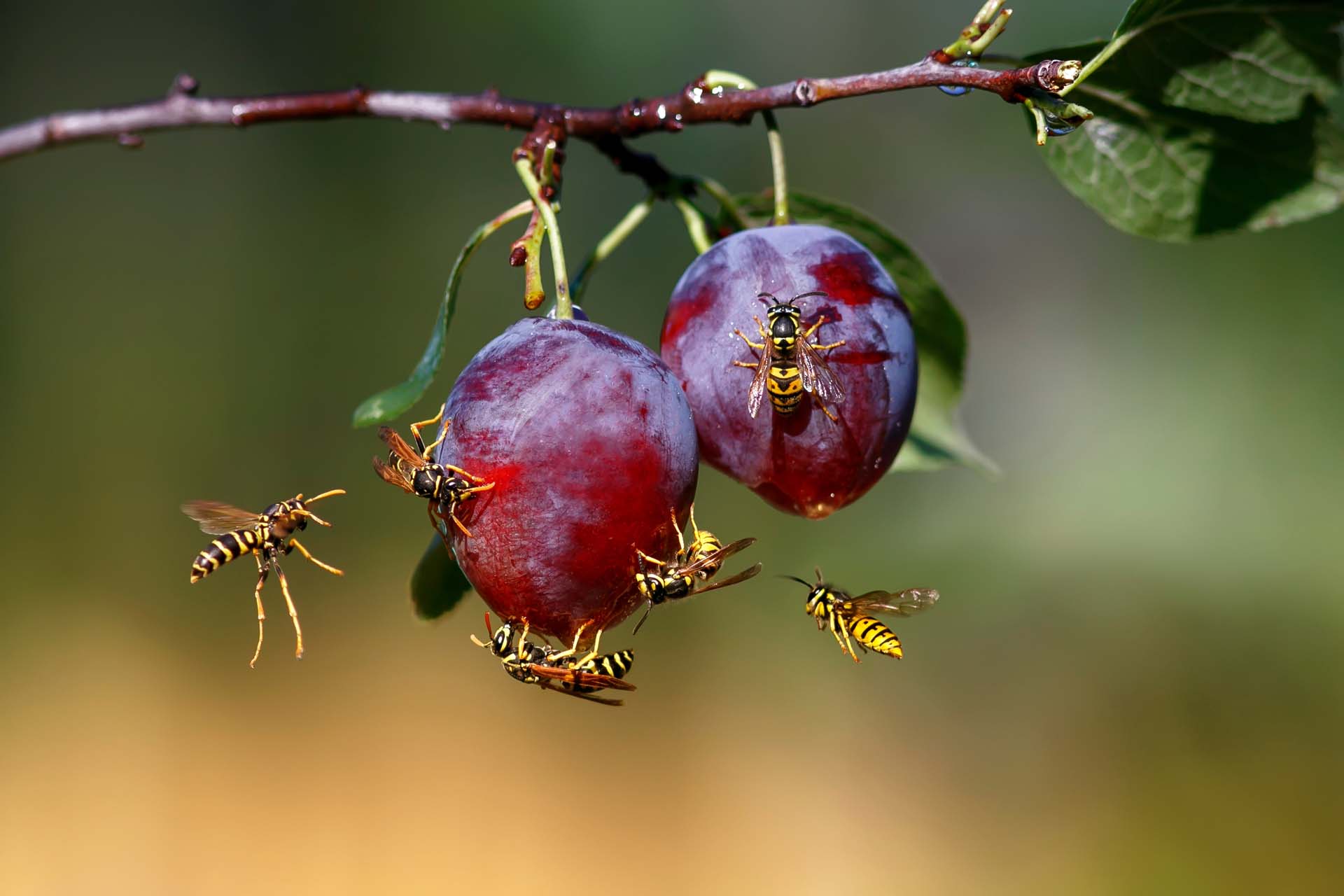
Blighted by buzzing? How to keep wasps out of your garden without harming them so you can enjoy the summer.
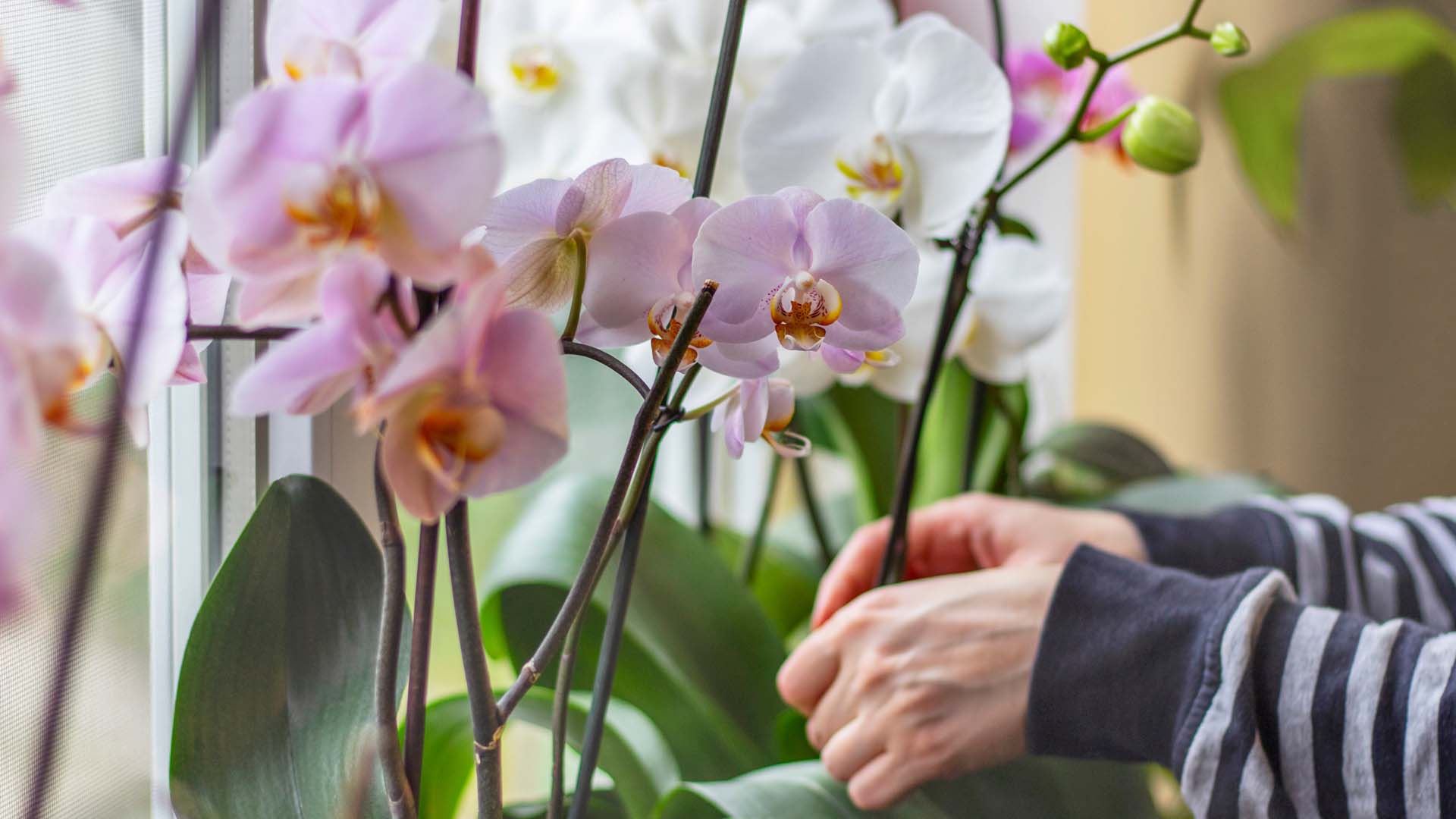
Our expert pruning and watering hacks include a top tip to keep them flowering from Alan Titchmarsh.


Want to know how to get rid of dandelions? Advice on how to tackle them but why they might be worth sparing.