How to drought-proof your garden for hotter summers
As heatwaves and hosepipe bans become more common, gardening experts share the practical ways to help your plants survive hotter, drier summers.
Getty
As heatwaves and hosepipe bans become more common, gardening experts share the practical ways to help your plants survive hotter, drier summers.
Record heatwaves and dry spells are becoming more common and, as the Met Office explains, the trend for warmer and wetter winters and hotter and drier summers is one they expect to continue.
In the UK and Ireland, we’re used to more rain than we saw in the early part of summer 2026. Hosepipe bans are becoming a regular fixture in some areas, particularly in the south of England, and water has become more precious.
Our experts explain how to future-proof our gardens and boost our plants chances of thriving during heatwaves and hosepipe bans.
We know what this means, but according to author and podcaster Laetitia Maklouf, we still pine for plants that don’t thrive in our gardens because they look good on the internet. “Stop and notice what works well in your garden and plant more of that instead,” she tells Saga Magazine.
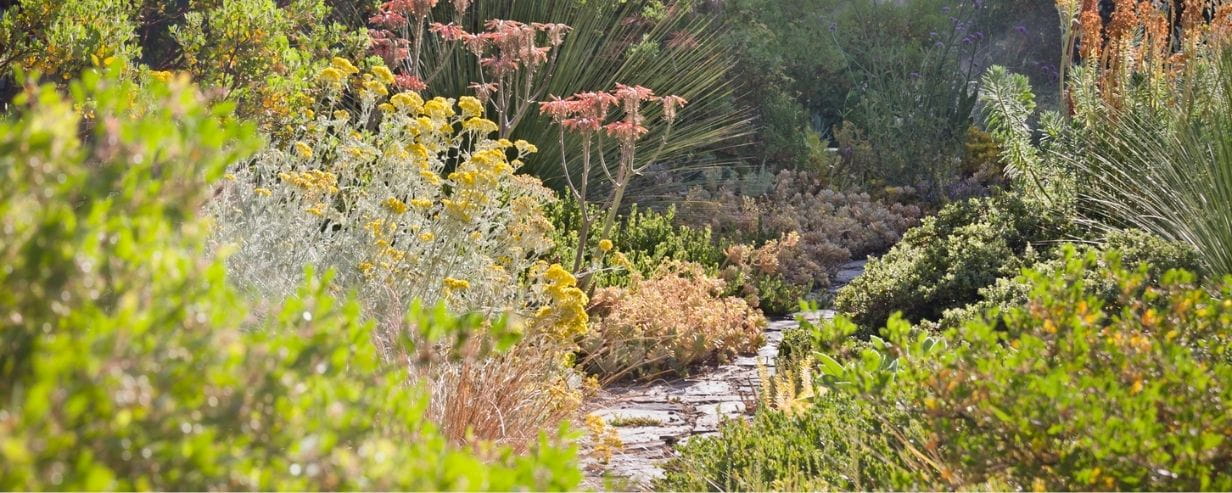
Award-winning garden designer and horticulturalist Tom Hoblyn is an expert in drought-tolerant planting and he agrees: “Look hard at where the sun and shade fall in your own garden and match plants to those microclimates rather than fighting them.
"A hot, west-facing border wants Mediterranean and steppe species that shrug off heat; a shadier, moisture-retentive spot suits something entirely different.
“This is the first principle of resilient planting, and it matters more with every passing year.”
“Free-draining, mineral-rich substrates, sharp sand or fine gravel worked into the topsoil suppress the thuggish, moisture-hungry weeds and create the lean conditions in which resilient, high-diversity planting thrives,” explains Hoblyn.
“This is the substrate work I do at my own trial garden in Suffolk, and it is transformative.”
This is the garden-saving advice of Maklouf. “Find a mulch that works for you and apply it liberally, making sure that the soil beneath it is moist,” she explains. “This extra layer will keep things cool and damp in summer, and roots insulated in winter. Certain mulches will also feed your soil.
“It is my deeply held belief that mulching does something akin to taking you into gardening sensei territory, at which point you can be deeply chilled-out about everything, sit back and smile at all the worried people,” she says.
If your garden is looking scorched, we’ve got the best advice on what to do and why the biggest mistake during a heatwave is doing too much.

Don’t forget to plan for torrential rainfall among all the heat-panic, urges Hoblyn: “It’s not only drought we are designing for now but also short, violent downpours.
“So think about where excess water will go as much as where it is scarce; permeable paths, level changes, planting that can cope with an occasional wet foot as well as long dry spells.”
Learn from your previous planting mistakes when future-proofing your garden, says Hoblyn: “For anyone thinking long-term, do not replace dead or struggling plants with exactly the same thing.
“If a plant has failed in a hot, dry spell, that is useful information about your garden’s future, not just this year’s.”
Thinking of our gardens in layers rather than one single swathe is key to survival. “Nature achieves resilience and density through vertical stratification, with taller structural plants, summer-dormant bulbs, ground-hugging mounds and self-sown annuals filling the gaps, rather than through spacing plants apart and mulching the gaps with bark,” says Hoblyn.
“A garden built this way copes better with stress precisely because it behaves more like a natural plant community.”
Maklouf says this can be achieved simply by planting some trees this winter or erecting a frame upon which climbers can scramble, which is also perfect for those of us who enjoy retreating to cooler parts of the garden.
“Dappled shade is – for me – the ultimate luxury on a hot day,” she adds.

A final piece of advice on future-proofing our precious foliage, Maklouf urges: “For any plant, but particularly for trees, taking an extra interest in their wellbeing in those first three years can mean the difference between leaving a legacy and something that struggles for its entire life.
“Water long and deep in those first spring and summer seasons. Guide those roots deep down to find the water table. Do it for you, for your children, and for their children.”


Saga Home Insurance comes with garden cover included. Find out what’s included and get tips to help secure your garden.
Find out about Saga's Gardening holidays here...
Explore stunning outdoor sanctuaries on Saga’s garden-themed getaways – it doesn't matter if you’re a keen horticulturist or just someone who enjoys colourful blooms.
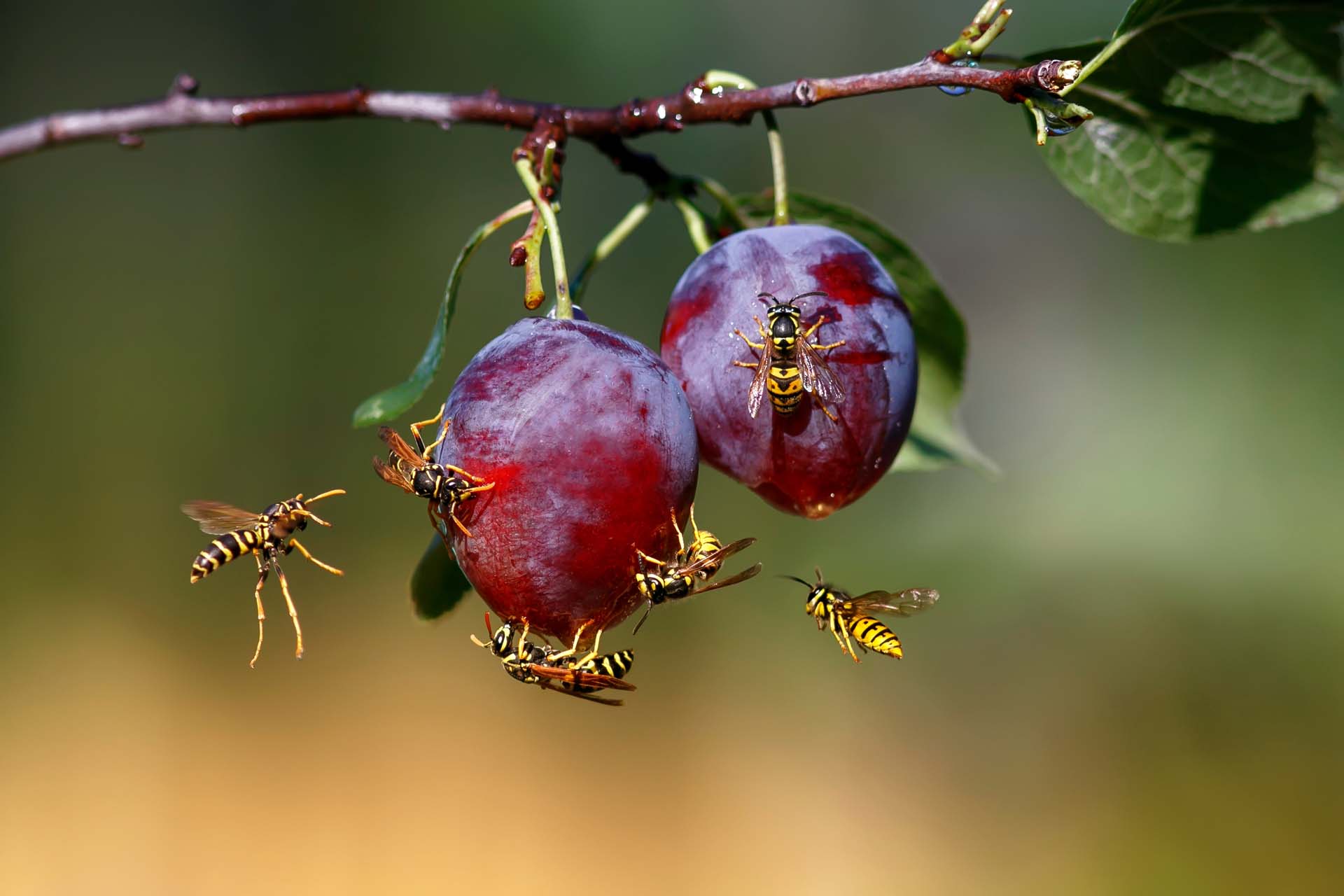
Blighted by buzzing? How to keep wasps out of your garden without harming them so you can enjoy the summer.
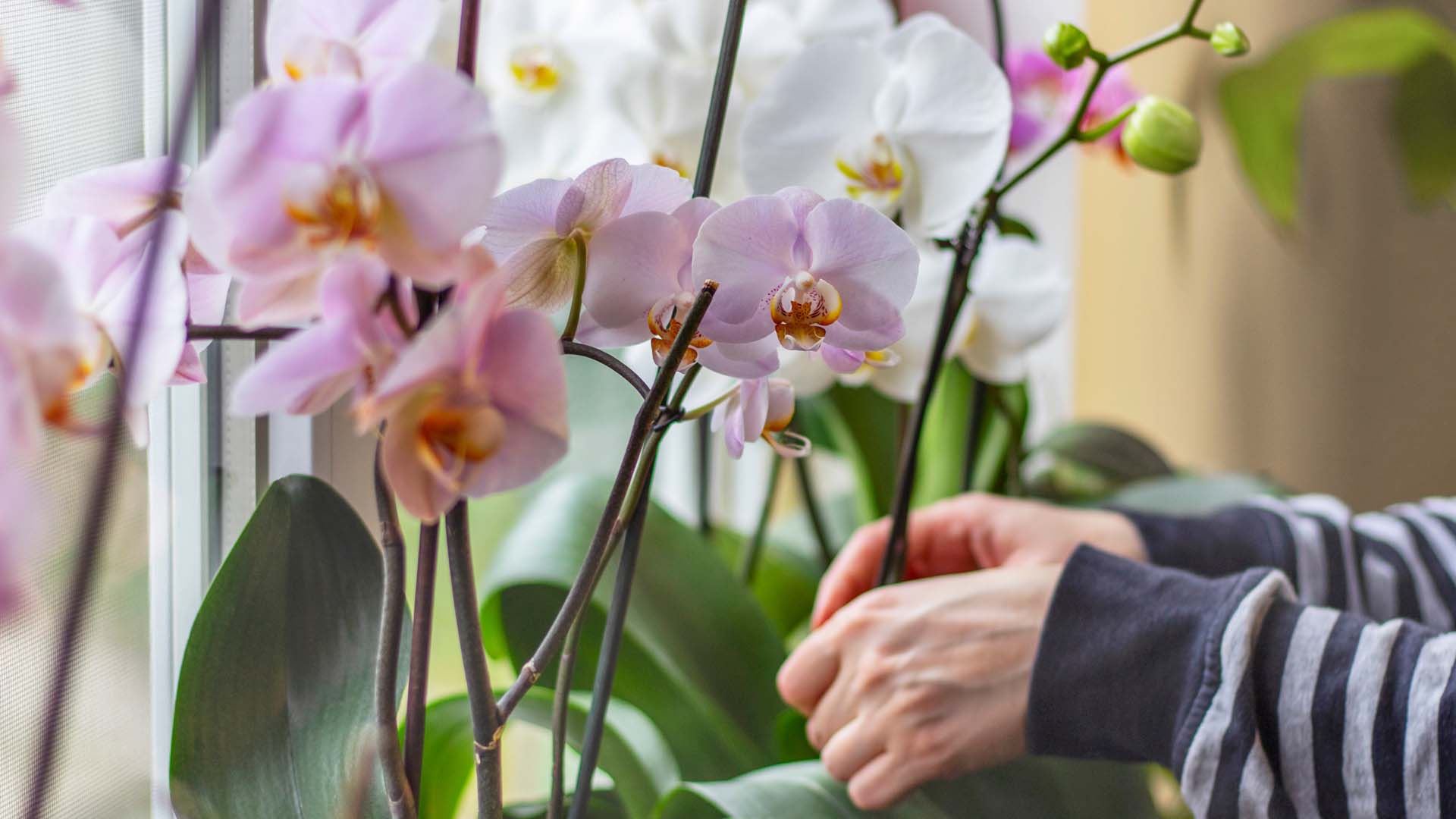
Our expert pruning and watering hacks include a top tip to keep them flowering from Alan Titchmarsh.


Want to know how to get rid of dandelions? Advice on how to tackle them but why they might be worth sparing.