Could your morning fruit juice be raising your cancer risk?
Are juices and smoothies as good for you as you think? Our nutrition experts share the best and worst for your health – and they might surprise you.
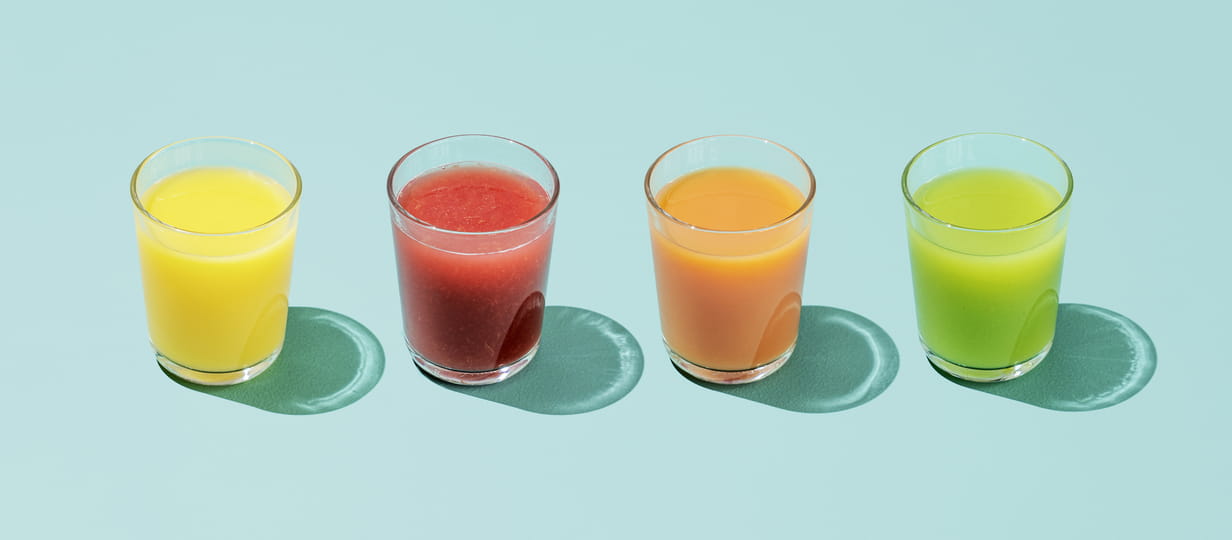
Are juices and smoothies as good for you as you think? Our nutrition experts share the best and worst for your health – and they might surprise you.
These days, we’re bombarded with a dizzying rainbow of pre-prepared fruit and vegetable-based beverages, and many of us have invested in a juicer or smoothie maker in a bid to turbo-charge our 5-a-day quota.
Whether it’s a green juice, a pure fruit and vegetable drink or a smoothie, we presume these nutrient-rich beverages are wellbeing boosters.
But one large-scale study on the health impact of sweet drinks found a higher risk of cancer among those who regularly drank fruit and/or vegetable juice.
Scientists documented the dietary patterns of more than 86,000 women across a period of 10 years, and found that those who had a daily glass (around 250ml) of fruit or vegetable juice had a 13% higher risk of breast cancer, compared to those who drank none at all.
The women were cancer-free and an average age of 51 when the study began, with 2,644 of them later diagnosed with the disease.
Although no distinction was made in the study between freshly squeezed and carton juices, all beverages were classified as 100% “pure juice”, with no added sugar.
Summarising their findings in the Frontiers in Nutrition journal, the authors of the research said: “In this large study, consumption of pure fruit/vegetable juice was associated with an increased risk of breast cancer, suggesting that healthier beverage choices may play a role in breast cancer prevention.”
The researchers added: “Additional studies are still needed to confirm the associations and explore potential mechanisms.” But they advised eating fresh whole fruit and vegetables instead of drinking juice: “The beneficial compounds and nutrients in whole fruits, like vitamins and fibre, may help mitigate the adverse effects of sugar, and offer protective benefits.”
On the results of the study, Mary Merheim, nutrition consultant and author of Navigating Nutrition in Later Life, says: “The dangers of canned sugary drinks have been publicised a lot over the years, and not just because of the sugar load but also due to other factors like artificial colours.
“That 100% fruit juice is actually more risky than these drinks is a significant new finding, though.”

The study was observational and didn’t reveal the biological mechanisms behind its results, but scientists have found links between high fructose intakes (commonly associated with juices) and a greater cancer risk.
A study indicated that some breast cancer cells can use fructose for energy and reproduction, while further research noted the potential of fructose to promote the growth of tumours. Another study associated an increase in inflammation and cancer progression with fructose intake.
Merheim says: “I think it’s because the benefits of fruit have always been likened to the benefits of vegetables. The message of ‘5-a-day’ is one that everyone in the country knows, but it’s universally thought that the ‘5’ can be any combination of fruit, vegetables or juices.
“The majority of the benefit of fruit and vegetables comes from the fibre, though, which is lost when we just drink the juice of the plant.”
Trying to meet our 5-a-day quota in a hurry is also to blame, says Merheim: “We are a grab-and-go culture, with meal deals for lunch being the obvious example. We assume that having a bottle of fruit juice along with our pre-prepared sandwich and bag of crisps will make it more ‘healthy’.
“Also, the publicity around the smoothie fad was huge. They were considered a great way of cleansing the body and helping with nutrition or weight loss, without much science to back it up.”
“Well, the biggest problem is simply not drinking enough – of anything,” explains Merheim. “We tend to feel less hungry and thirsty in later life, despite our bodies still needing fuel of both forms.
“As our organs age – in particular the kidneys and liver – they become less efficient at eliminating toxins, and we actually need to drink more to help them flush everything through.”
Changing tastes as we get older, and the development of a 'sweet tooth' can also contribute to bad drink choices, she adds: “I’ve found in my nutritional work with older people that tastebuds can change substantially, and we might crave more sweet food and drinks. So we reach for juices.”

The NHS advises that we limit fruit juice and smoothies to a maximum of one small glass (150ml) a day, and that we drink it with a meal.
Merheim advises: “We should absolutely be reducing the amount of juice we drink in a day. Who hasn’t been told by their dentist to drink less acidic fruit juice?
“We all watered down the apple juice when our kids were young, and yet we generally don’t bother to do it once we become adults.”
All that said, if a breakfast juice is a morning must-have for you, Merheim says: “I’d always suggest a piece of fruit with a cup of tea over a glass of juice first thing, but if you drink a juice in the morning, please brush your teeth straight after! You don’t want those sugars and acids to stay on your teeth.”
From the healthiest juices to the worst culprits, Merheim ranks seven popular varieties from best to worst, to help you to choose your juice wisely:
“Cranberry is the healthiest in terms of having the least fructose (around 6g per 150ml), but be mindful as some have hidden added sugars. Always check the label.”
Cranberries boast more antioxidants than most fruits, and can help reduce inflammation and offer protection from oxidative stress, while boosting overall immune health. Cranberry juice is also helpful in warding off urinary tract infections with its bacteria-fighting compounds (proanthocyanidins).
“At around 10g sugar per 150ml glass, grapefruit juice is another healthier option, but it’s still best to consume it in moderation. It is, however, a good source of vitamin C, and a small glass can provide 40-50% of your daily requirement.
“The flavanones (a type of antioxidant) in grapefruit can also support healthy cholesterol levels, and some research has even linked citrus flavonoids with a lowered risk of cardiovascular disease.
“It’s very important to note that grapefruit should be avoided by people taking medications for high blood pressure, high cholesterol (statins), arrhythmia, anxiety or immunosuppressants, as it can cause dangerous side effects by increasing drug concentration. It also interacts with Warfarin and certain antihistamines.”
Believed to be the most antioxidant-dense of all the fruits, pomegranate juice is packed with powerful polyphenols (plant compounds) that can help to reduce inflammation markers and protect against age-related cognitive decline. Polyphenols can also be helpful for our heart health and overall wellbeing in later life.
Merheim says: “The antioxidant properties of pomegranate juice are impressive, and offer a wealth of health benefits as we age. But again, stick to a small glass, as 150ml can contain around 18g of fructose.”
The original immunity booster, a 150ml glass of orange juice can provide a whopping 70-90mg of vitamin C, which is around 75-100% of our daily intake. It’s also a valuable source of folate (vitamin B9), which is beneficial for brain health and red blood cell production.
“Orange juice is good for hydration as it contains plenty of potassium and water, but it’s still relatively high in fructose, with around 13g per 150ml,” says Merheim.

Despite containing small amounts of vitamin C, potassium and plant compounds, apple juice is one of the worst contenders in the sugar stakes, with around 16g per 150ml.
Merheim advises: “The health benefits of apple juice don’t outweigh its high sugar content, so I’d always recommend opting for a lower-sugar option, or one that’s rich in vitamins and antioxidants. Or dilute apple juice (at least by half), as I mentioned earlier.”
Containing moderate amounts of beta-carotene and vitamin C, mango juice can help to support eye health and immunity, but its sky-high sugar content of up to 20g of sugar per 150ml glass negates any valuable health benefits, says Merheim.
“A small glass of mango juice has the same sugar as half a can of full-sugar Coca-Cola, and very little fibre to boot,” Merheim adds.
“It’s bad news for your teeth and blood sugar levels, so I’d avoid it if I were you.”
Despite containing heart-healthy antioxidants and polyphenols, grape juice is the most sugary on the market. Containing an average of 22g per 150ml glass – and very little fibre – it can cause a rapid rise in blood glucose.
“The astronomical amount of sugar in grape juice can contribute to weight gain and tooth decay, and it also has a high glycaemic impact. Opt for a small handful of whole grapes instead, at all costs!”
Amanda Ursell, nutritionist, consultant and broadcaster, says that we should try to re-think our breakfast drink rituals and replace that glass of sweet juice with healthier options that can deliver a real mood lift and a wellbeing boost.
“Making a warming mug of ginger tea in the morning, using ‘real’ peeled raw ginger, can be really uplifting,” she says. “And some studies reveal ginger to have ‘cardioprotective’ properties… that are down to its active ‘super nutrients’ having a combination of heart-friendly effects on blood pressure and blood fats. Adding a slice of lemon gives it an extra lift.”
For cold drink options, Ursell says that coconut water is an interesting one: “Researchers found it to be more effective than a placebo beverage at helping to calm symptoms of mild ulcerative colitis, and its electrolyte content is perfect for a hydration boost when we wake up.
“But if you still crave something a little fruitier, infused sparkling water could be a refreshing option for first thing.”
[Hero image credit: Getty]



Exclusively for Saga Magazine subscribers – Save up to £4,300 per person for a limited time.
Join us for the voyage of a lifetime aboard Spirit of Adventure as she embarks on an all-inclusive 73-night cruise around South America in January 2027.

Buy direct and start a new Saga Health Insurance policy by the end of 10 December 2026 to get your first 3 months free. T&Cs apply.
Underwritten by Bupa Insurance Limited.

Expert nutritionists break down the most important foods to eat in each decade as we get older.

We reveal the 7 best tinned foods to supercharge your health while saving you time and money.
From ketchup to mayo – how healthy are your sauces? We find out the pitfalls and surprising benefits of our favourite condiments.

Could honey be the sweetest way to supercharge your health this year? Our experts explain the benefits and which to buy.
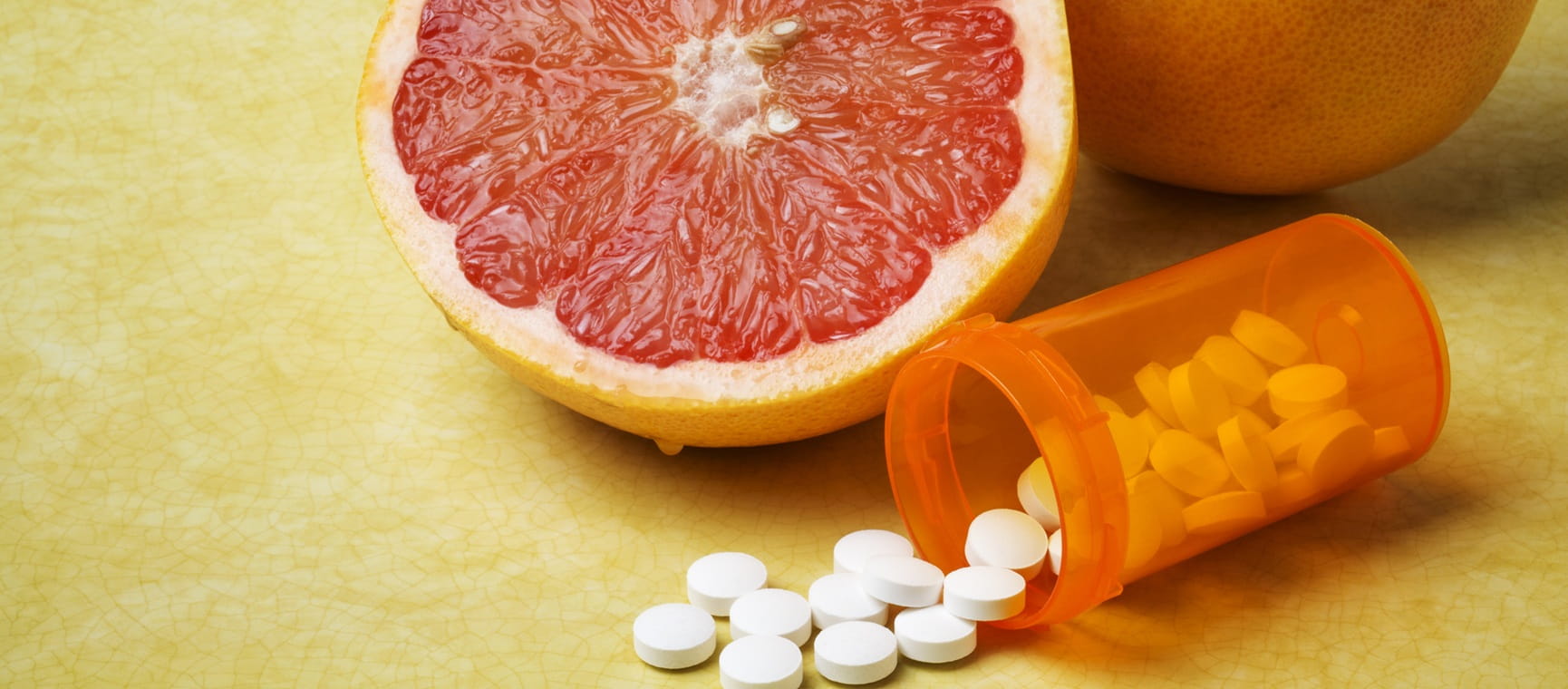
Our expert guide to the common foods you shouldn't mix with prescription drugs.

Experts reveal whether chilled supermarket soups are worth the extra cost and if some flavours are better for you than others.
Looking after your gut health could be one of the biggest things that you can do for your overall health. Here are the best foods to keep your gut happy.
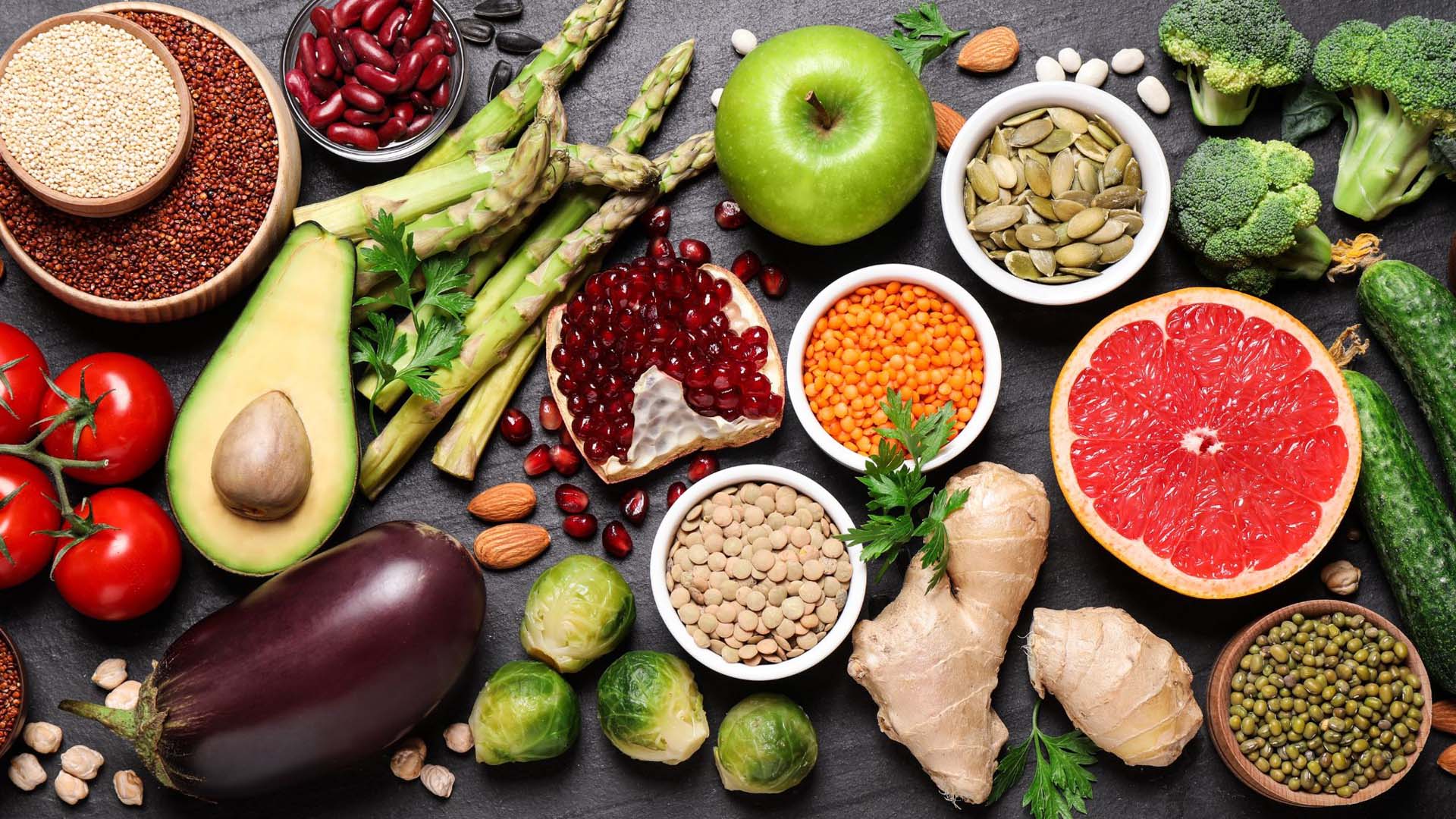
The foods that could help you live longer and protect against chronic illness.

A dietician reveals which foods can help protect vision and prevent age-related eye conditions.
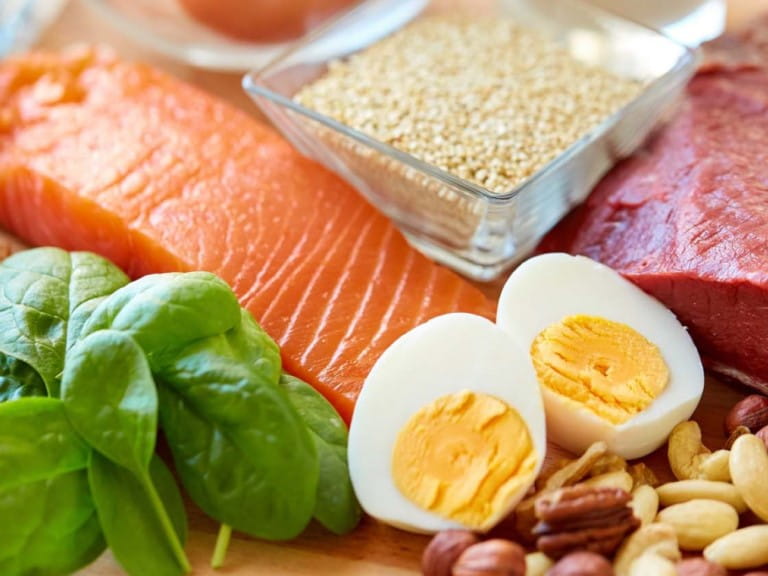
Everything you need to know about protein, from how it benefits your body to the best high-protein foods – and how much you really need.