The 5 best seeds to eat as you get older
Seeds are tiny powerhouses of essential nutrients. A sprinkle of these superfoods can help everything from managing diabetes to boosting heart health and muscle mass.
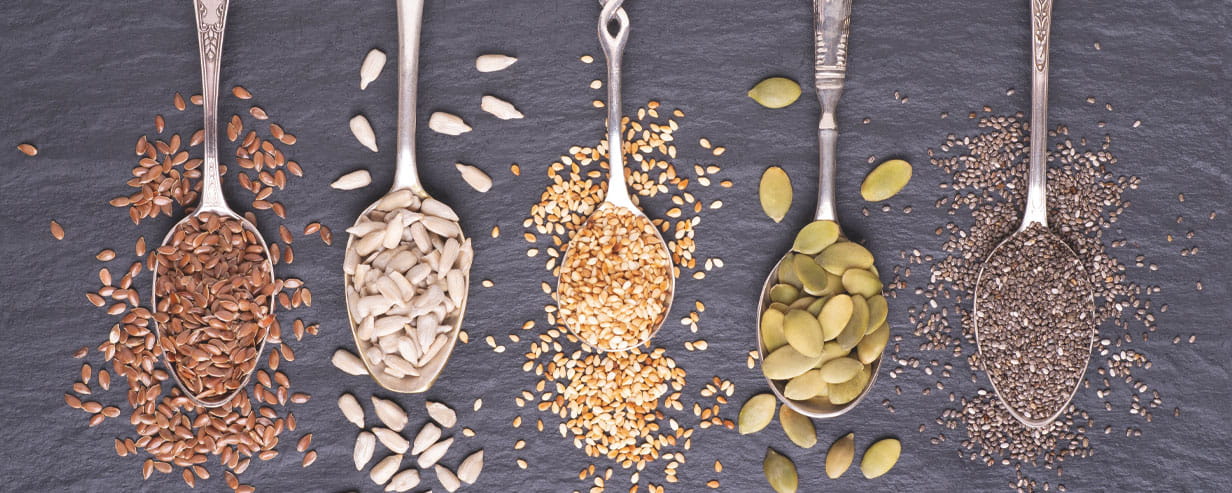
Seeds are the latest heavy-hitters in the nutritional world, but they’re not yet on everyone’s radar despite being packed with nutrients that can help us age well.
“Seeds are rich in fibre, which supports digestive health and feeds the good bacteria in your gut microbiome,’ explains Dr Federica Amati, head nutritionist at ZOE, the science and nutrition company. “A diet containing adequate fibre is associated with a lower risk of heart disease and Type 2 diabetes.
“They’re also a good source of bioactive plant compounds, vitamins, and minerals and contain healthy fats, including omega-3s, which support heart health while reducing inflammation.”
Many people worry that seeds will get stuck in their teeth, but the healthiest way to eat them solves this problem. “I always advise patients to buy milled or ground seeds they can stir into meals,” says nutritionist Leni Wood, at Nellsar Care Homes. “The hard work of chewing through the crunchy shell then dissolving it in stomach acid has already been done for you, making it easier for your body to access and absorb the healthy fats and nutrients within.”
Flaxseeds are a go-to if you have, or are at risk of, cardiovascular disease. A study by University of Manitoba, Canada, gave 98 heart disease patients 3 tbsp a day. After a year, they saw a 10mmHG drop in systolic blood pressure and a 7mmHG drop in diastolic blood pressure – equating to a 50% drop in heart attacks and stroke risk.
Flaxseeds are a rich source of alpha-linoleic acid (ALA), a plant form of omega-3 fatty-acid – a powerful antioxidant and anti- inflammatory linked with a lower risk of death from cardiovascular disease. “Buy it ground to get past the husk and access the ALA,” says nutritionist Rob Hobson.
Not just the preserve of bird food, these seeds are a useful aid in managing diabetes.
A study by Indian researchers found that when people ate 1/2 tsp of sunflower seeds daily for six months, their fasting blood sugar (glucose levels) fell by 10% compared to a control group. What’s more, levels of HDL (good) cholesterol increased, a plus for diabetics who are at higher risk of heart disease. The researchers put these effects down to high levels of an antioxidant called chlorogenic acid.
Scientists in New Zealand saw results in just three weeks when they gave post-menopausal women with Type 2 diabetes 30g (3 tbsp) of sunflower seeds a day. The women saw a 9% drop in LDL (bad) cholesterol, a 12% drop in triglycerides (fat in the blood) and a 5% drop in blood pressure.
Hemp seeds, derived from the cannabis plant, contain the highest protein levels of any seed, with 31g per 100g – comparable with red meat, which contains around 30g per 100g.
“Protein is a building block of muscle mass, which makes the high level in hemp seeds important for preventing sarcopenia, or muscle degradation, as we age,” says Wood. “Protein is even more important when we’re frail or recovering from surgery because it helps repair our body’s cells.”
Hemp and chia are the only seeds to contain all nine essential amino acids, making them a complete protein, like meat and poultry. “Amino acids are necessary for regeneration, from the repair of brain cells to production of stomach acid,” she adds.
Chia seeds may be having a moment, but their reputation as a constipation cure is here to stay. Two tablespoons of chia contain 10g of fibre, the most of any seed (sunflower seeds contain 2g), and a third of the daily recommended amount.
“Soak chia seeds for just a short time, and they’ll form a gel-like mucilage which makes them pass gently through the digestive system, unlike more traditional roughage which can be aggravating,” says Wood. “Chia are high in soluble fibre, which helps soften stools.”
A study by Spanish scientists found that soaked chia can increase growth of lactobacillus, good bacteria in our large intestine, which enhances the absorption of nutrients from food and is beneficial for IBS.
If you forever need the loo, try adding pumpkin seeds to your diet. Japanese scientists gave 45 volunteers 10g of pumpkin seed oil a day and found that after 12 weeks, feelings of urgency and frequency of nighttime loo visits had decreased significantly. Several studies have also found a link between pumpkin seeds and benign prostatic hyperplasia or BPH (enlarged prostate, which limits urine flow).
Researchers in Germany discovered that eating pumpkin seeds led to a clinically significant reduction in symptoms of BPH compared to placebo after 12 months. “Pumpkin seeds are rich in zinc, which is great for prostate health, as well as magnesium, a relaxant that reduces muscle contractions in the bladder,” explains Rob Hobson, author of Unprocess Your Life (HarperCollins). “They also contain a powerful phytosterol called beta-sitosterol, which reduces inflammation in the bladder and relaxes the bladder wall, so reducing the urgency to wee.”
Health insurance for people over 50 that provides a quicker route to diagnosis and planned medical treatment in a private facility.
Underwritten by Bupa Insurance Limited.
Some Saga holidays include soothing or spiritual activities like joining a traditional tea ceremony in Japan, practising yoga in India or bathing in Iceland’s Blue Lagoon.
Expert nutritionists break down the most important foods to eat in each decade as we get older.
We reveal the 7 best tinned foods to supercharge your health while saving you time and money.
From ketchup to mayo – how healthy are your sauces? We find out the pitfalls and surprising benefits of our favourite condiments.
Could honey be the sweetest way to supercharge your health this year? Our experts explain the benefits and which to buy.
Our expert guide to the common foods you shouldn't mix with prescription drugs.
Experts reveal whether chilled supermarket soups are worth the extra cost and if some flavours are better for you than others.
Looking after your gut health could be one of the biggest things that you can do for your overall health. Here are the best foods to keep your gut happy.
The foods that could help you live longer and protect against chronic illness.
A dietician reveals which foods can help protect vision and prevent age-related eye conditions.
Everything you need to know about protein, from how it benefits your body to the best high-protein foods – and how much you really need.