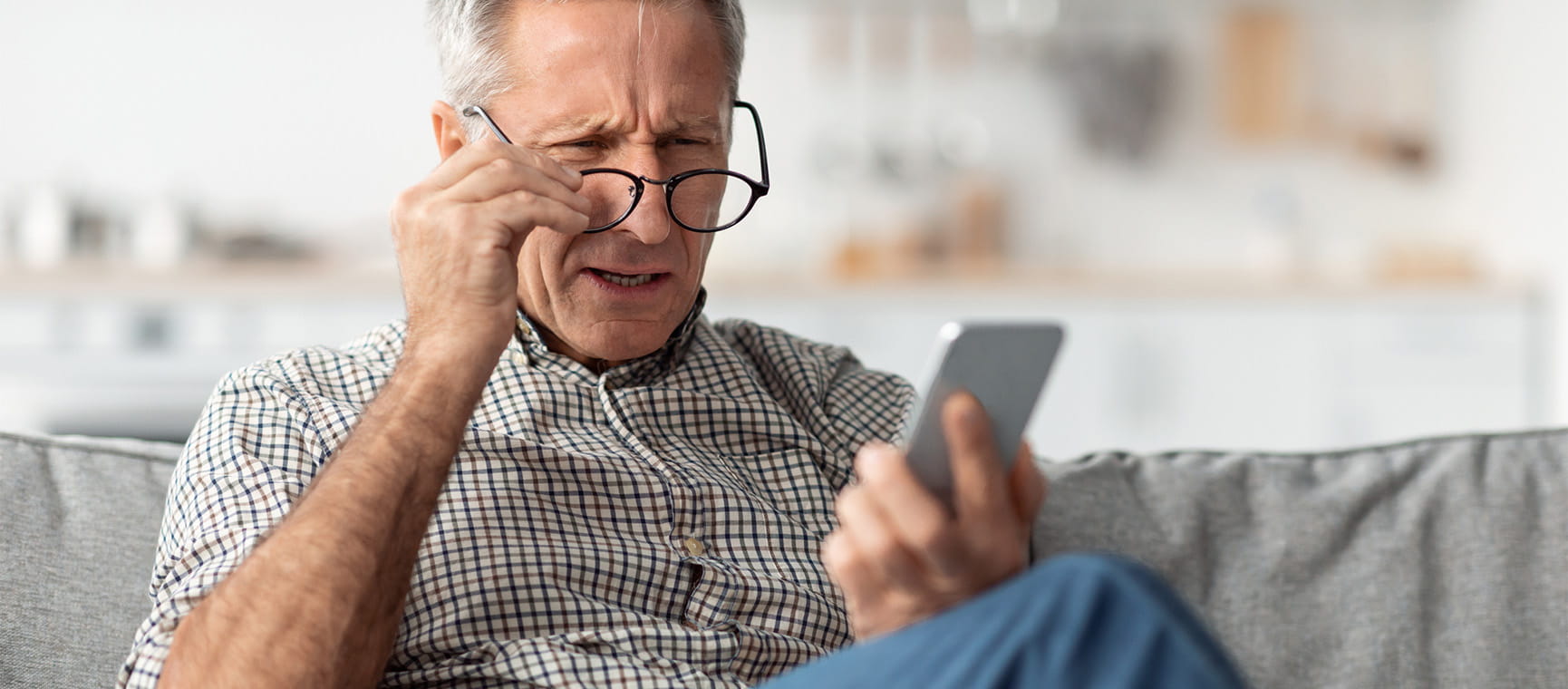
I sometimes struggle to remember names - should I see my doctor?
Dr Mark Porter on why its important to see a GP about memory loss worries - and how an early diagnosis can make a difference.
Q. My memory isn’t what it used to be, particularly when it comes to names. Most of the time it’s fine, but occasionally I struggle to recall the name of someone or something I know well, such as a friend, an actor on TV or a favourite piece of music.
I am 78 and in otherwise good health. Should I discuss it with my doctor, or is this normal for someone my age?
We all have memory lapses from time to time, and they do become more frequent with age as the brain’s "computing power" starts to wane and it struggles to find the right "file" at the right time. The tricky bit – for both patient and doctor – is working out when these lapses are a sign of more worrying problems.
Worsening memory loss, often for recent events, can be a symptom of the early stages of dementia, particularly Alzheimer’s disease. However, it is often also typically accompanied by a gradual decline in cognitive ability, impacting on everything from navigation skills when driving to being able to carry out complex tasks such as using a computer or following a difficult recipe. Mood and behaviour can be affected too.
I can’t give you a definitive answer, but forgetting names occasionally in your late seventies wouldn’t concern me if it’s your only issue.
However, the fact that it is worrying you enough to write to me suggests it may not be as occasional as you imply, so it’s best not to ignore your symptoms. And here’s why.
If you book an appointment to see your GP, they might, after delving a bit deeper and putting you through some basic memory and cognitive function tests (a quick questionnaire), be able to reassure you all is fine. Even if they do turn up more worrying cognitive impairment, the sooner this is identified, the better.
First, it may have nothing to do with dementia but could be related to a far more treatable underlying cause such an underactive thyroid, vitamin B12 deficiency, depression or even a side effect of medication.
Many older people take lots of different medicines, some of which can have significant effects on the brain. Common culprits include sleeping tablets (prescription only and over-the-counter types), old-fashioned antihistamines (eg Piriton), diazepam (Valium), antidepressant/nerve pain treatment amitriptyline, and opioid painkillers like codeine.
Second, if he or she can’t identify an obvious underlying reversible cause, your GP can refer you on to a specialist clinic to investigate further, where they might start treatments that may help symptoms and, sometimes, even slow progression (but be aware even the very latest dementia treatments won’t help everyone).
However, early diagnosis isn’t just about the medical benefits. Confirmation can also help you access any benefits and social care you are entitled to and give you and your family time to plan for the future: everything from booking a dream trip to seeking professional advice about legal and financial matters.
Bottom line? Please discuss your concerns with your doctor.
If you've got a medical question get in touch by emailing Dr Mark Porter. He can’t reply individually, but will respond to questions selected for his column.
With 26 years experience in practice and a partner in a busy South Gloucestershire surgery, Dr Mark is also resident doctor on BBC One's The One Show, presents Radio 4's Inside Health, writes for The Times, and has popped up on celebrity versions of The Weakest Link and Mastermind.
Dr Mark was awarded an MBE in 2005 for services to medicine.
Health insurance for people over 50 that provides a quicker route to diagnosis and planned medical treatment in a private facility.
Underwritten by Bupa Insurance Limited.
Treat someone special to a Saga Magazine subscription – 12 inspiring issues for just £29.95. Every issue is packed with real-life stories, exclusive celebrity interviews, insightful articles and practical tips on health, finance, travel, and more.
Plus, enjoy two free gifts: a classic Parker Jotter Pen in a festive cracker and a puzzle book. A thoughtful gift that entertains all year round.
Here’s how to spot the symptoms of heat disease and reduce your danger.
Strong calves for a strong mind: how they support our circulation and brain health, with easy moves to strengthen yours at home.
Our GP Dr Mark Porter explains what can cause itchy skin, which is a common problem as we get older.
The benefits of heat and cold therapy, and how Nordic bathing won over our nervous writer.
As the cost of weight-loss injections rise, what are the alternatives? Experts offer advice on the best and safest ways to shed pounds.
Worried you’ve morphed into Victor Meldrew? Find out how to battle that bad mood, and what to do if you’re stuck with a grouchy loved one.
The NHS winter vaccination campaign kicks off next week. Here’s the lowdown on what you need to book.
Pilates for back pain – what to do if you are suffering, and five gentle exercises that could help.
Dizziness or vertigo: a sensation of spinning, can stop us doing everyday things for fear of falling. Try these tips to stop feeling dizzy
You don’t have to put up with bladder leaks. We try out the latest pelvic floor gadgets for men and women.
Cataracts are a normal part of ageing. Learn how to spot the signs – and when it’s time to consider surgery.