14 simple habits that could transform your life this year
From walking a little further to sleeping more regularly, we asked the experts for the small changes that can have the biggest impact on our health, mood and resilience.

From walking a little further to sleeping more regularly, we asked the experts for the small changes that can have the biggest impact on our health, mood and resilience.
When we think about transformation, it often feels like something big and daunting. Giving up sugar for good. Losing two stone. Training for a half-marathon. It’s hardly surprising that many of us decide it’s all too much and stick with what we know, even if it’s not serving us particularly well.
But what if those giant overhauls aren’t actually needed to transform how you feel? What if feeling better was less about willpower and more about working with the way life actually looks day to day?
Scientific research increasingly suggests that we don’t need dramatic lifestyle changes to feel better. In fact, many of the biggest gains come from small habits repeated consistently, rather than grand gestures or strict regimes.
We spoke to wellbeing experts, and reviewed a wide range of studies and clinical research to identify the everyday actions that genuinely make a difference. The result is a collection of realistic, achievable habits – from how we move and sleep to how we connect, eat and unwind – that can quietly support better health and a greater sense of balance over time.
None of these habits are dramatic on their own. They won’t transform your life overnight, and they don’t need to. But practised little and often, they can quietly change how your days feel, adding more ease, steadiness and resilience along the way.
There’s no need for an expensive gym membership or a complicated workout plan to improve your health – simply getting out and walking can make a real difference.

Large studies from Harvard show that regular walking, even at a gentle pace, is linked to better heart health, improved mood and a longer life. And you don’t need huge step counts either. People walking around 7,000 steps a day had a significantly lower risk of early death compared with those doing far fewer. That equates to roughly an hour spread across the day, such as 30 minutes in the morning and again after dinner.
The wider evidence backs this up. Regular walking is also associated with a lower risk of cardiovascular disease and type-2 diabetes, alongside better sleep, improved cognitive health and greater longevity, making it one of the most effective (and overlooked) health habits we have.
And according to health and wellbeing trainer Veronica Wilde, you don’t even need to set aside exercise time to get those steps in.
“I always encourage my clients to look at where movement can naturally fit into their existing routine,” she says.
“That might be parking slightly further away, getting off the bus one stop earlier, taking calls while walking, or building in a short walk after meals. Even small changes – an extra 5-10 minutes here and there – add up quickly over the day, and make hitting around 7,000 steps far more achievable without feeling overwhelming.”
If you have an Apple Watch, you’ll be familiar with that little nudge telling you it’s time to stand. That gentle nag can feel unnecessary, until you realise how long you’ve actually been sitting.
Research has found that breaking up long periods of sitting improves blood-sugar control, even in people who already meet exercise guidelines. Simply standing up or walking briefly every 20-30 minutes led to healthier post-meal glucose levels, a reminder that it’s not just how much we move, but how often we move across the day that matters.
Wilde says the benefits are felt quickly.
“Long periods of sitting can negatively affect circulation, posture, joint mobility and energy levels,” she explains. “Our bodies are designed to move little and often. Standing up and moving regularly helps maintain healthy blood flow, supports muscle activation, and reduces stiffness and fatigue.”
Sleep researchers have found that getting daylight exposure during the day, especially in the morning, helps regulate the body clock, supporting better sleep later on.

You don’t need blue skies or blazing sunshine either. Simply getting outdoors for 10-20 minutes in the morning, even if it’s cloudy, is enough to make a meaningful difference. And if it’s raining? Standing near a bright window or taking a short walk still helps far more than staying under artificial light indoors.
On darker mornings, a SAD lamp can be a helpful boost. These lamps give off bright, daytime-style light, which can help wake up your body clock when natural light is limited.
Using one for 20-30 minutes after waking – while having breakfast or reading, for example – may support energy levels and sleep timing. They’re best seen as a back-up on gloomy days rather than a replacement for getting outside when you can.
Look for lamps designed for light therapy that offer around 10,000 lux.
For many people, saving isn’t about getting rich, it’s about peace of mind. Having a small buffer can make day-to-day life feel noticeably calmer.
Behavioural finance research shows that people are far more likely to save when it’s automatic, because it removes the need for constant decision-making and willpower. Even small, regular amounts can build quietly over time. £1 a day, rounding up card purchases or a standing order just after payday can all add up without being missed.
Some banks encourage this with simple challenges. Digital bank Monzo, for example, runs a popular 1p saving challenge, where you save 1p on day one, 2p on day two, gradually increasing across the year. By the end, you’ve saved £667.95 – without ever feeling the pinch.
Designed for people over 50, the new Saga Easy Access Savings Account is here to make saving simple.
When it comes to sleep, timing matters more than many of us realise.

One study found that people with irregular bed and wake times had a higher risk of major cardiovascular events, regardless of how many hours they slept. In other words, keeping roughly the same sleep schedule each day may be just as important as total sleep time.
Christine Schneider, a clinical psychologist at Cambridge Therapy Centre, says that consistency is often easier than people expect.
“Getting your sleep into some kind of rhythm is often much easier than people expect, even if you've never had a set schedule before,” she explains. “The key is to think in terms of gentle structure rather than rigid rules.”
She recommends starting with a regular wake-up time rather than chasing the “perfect” bedtime: “What tends to work best is anchoring your day with a consistent wake-up time first, even if sleep the night before was poor.”
Simple evening cues can also help signal that the day is winding down.
“Small daily rituals matter more than elaborate routines,” Schneider explains. “Doing the same few things in the same order each evening helps the nervous system shift out of alert mode.”
She suggests that these rituals could include dimming the lights, putting devices away at a set time, having a warm shower or sitting quietly with a book or some music.
Schneider suggests writing things down earlier in the evening to help the mind switch off.
“A brief written ‘brain dump’ earlier in the evening, or intentionally closing down unfinished tasks, can be surprisingly powerful,” she says. “We believe that this is because they've mentally finished today’s work and closed the book on it, so to speak.”
The aim isn’t to force sleep, but to make evenings feel less mentally demanding, so that rest can arrive naturally.
Strong social ties aren’t just nice to have, they’re vital for health. One major review found that people with strong social relationships had a 50% higher chance of survival, putting connection on a par with well-known health risks like smoking. Large UK studies back this up, linking loneliness and social isolation to a higher risk of early death, heart disease and poorer mental health.
The takeaway? You don’t need a packed diary. Regular, meaningful contact, whether that’s a chat, a coffee or a walk with someone, really does count.
A cluttered space can quietly drain your energy. It’s rarely the whole house; more often, it’s the same few surfaces that mysteriously refill themselves. Yes, we’re looking at you, dining table.

Research in environmental psychology shows that visual clutter is linked to higher stress levels and mental fatigue, making everyday tasks feel harder than they need to be, particularly as we get older.
A brief daily 'reset' helps. Spending just 10 minutes clearing surfaces, putting things back where they belong, and setting up for the next day can reduce cognitive load and make your home feel calmer and more supportive. It’s not about deep cleaning; instead it’s about restoring order little and often, so that your home works with you, not against you.
Taking a moment to notice what’s going right can genuinely shift how we feel. Psychology research shows that people who regularly practise gratitude report better mood, greater optimism and even improved sleep, often within just a few weeks.
It doesn’t need to be elaborate – a mental note, a short list or a daily habit of appreciation is enough to make a difference.
Cold showers might sound extreme, but brief exposure to cold water has been linked to short-term boosts in alertness, mood and resilience, particularly when done gently and consistently.
A large study found that people who ended their daily shower with cold water over the course of a month took fewer sick-leave days than those who didn’t, while other studies link short cold exposure with feeling more awake and less stressed afterwards. The benefits appear to come from short bursts – around 30-90 seconds at the end of a normal shower – rather than prolonged discomfort.
Cold exposure isn’t suitable for everyone, especially those with heart or circulation conditions, but for healthy adults it can be a simple habit worth experimenting with.
You don’t have to brave icy water to feel calmer. Natalia Valentina, an ICF-qualified Blue Health Coach, says that gentle exposure is often enough.
“Simply being near water, watching waves, paddling or sitting with your feet in the sea can calm the nervous system, reduce anxiety and improve sleep,” she says. “For many over-50s, regulation matters more than exertion.”
There’s a reason “put the kettle on” has long been shorthand for comfort.

A daily cuppa has been linked to lower stress and improved calm focus. Studies from University College London found that tea drinkers showed lower levels of the stress hormone cortisol after stressful tasks, suggesting that tea may help the body recover more quickly from everyday pressure.
Nutrition research also highlights tea’s natural combination of caffeine and L-theanine, which supports a state of relaxed alertness – awake, but not jittery.
But how much tea should you be drinking to get these benefits?
“Previous research has shown that the sweet spot is four cups of tea a day – or 400-600mg daily of the flavonoids known as flavan-3-ols – to dampen the effects of stress on the body,” says tea scientist Dr Tim Bond, from the Tea Advisory Panel.
Not a tea drinker? Green tea, coffee or herbal infusions can offer similar plant compounds or gentle hydration. It’s about finding a daily habit that suits you.
Doing something kind for someone else doesn’t just help them – it helps you, too. Research shows that small, everyday acts of kindness are linked to higher happiness levels and reduced stress, often delivering an immediate lift in mood. The effect appears strongest when kindness is freely chosen rather than done out of obligation, and one kind act often encourages another.
It can be as simple as sending a thoughtful message, letting someone out in traffic, checking in on a neighbour, paying a compliment or doing a small favour.
You don’t need hours of hiking to feel the benefits of nature.

A large UK study by the University of Exeter found that people who spent around 120 minutes a week outdoors – in parks, countryside or coastal settings – reported significantly better wellbeing and overall health than those who didn’t.
For Valentina, the impact of environment is something she’s experienced first-hand.
“Living by the coast changed not just my mental health, but how naturally movement fitted into daily life,” she says.
“Natural environments reduce mental load, decision fatigue and stress, all of which impact physical health. Being near blue spaces, in particular, supports balance, breathing and emotional resilience without overtaxing the body.”
She says that time outdoors doesn’t have to be strenuous to be effective.
“A gentle walk beside the sea, a river or even a canal encourages a slower, more rhythmic pace, which is easier on joints and more sustainable as we age.”
The message is simple: little and often counts. A regular dose of fresh air and natural surroundings can support mood, movement and long-term wellbeing – without pushing the body too hard.
Trying something unfamiliar is one of the best workouts for the brain. Research shows that learning new skills, even later in life, can improve memory and thinking more effectively than passive activities.
It doesn’t need to be ambitious, either. Learning a new recipe, trying a different walking route, picking up a simple card or board game, or learning a few new words each week all give the brain something new to work on. And if you’ve ever avoided a phone update because it “moves everything around”, you’re not alone, but that mild discomfort is often the very thing that helps keep the brain engaged.
As we get older, it becomes easier to lose muscle strength and stability, not just from inactivity, but because our bodies don’t respond to protein quite as efficiently as they once did.
There’s growing evidence that how you spread protein across the day matters, too. One large study in older adults found that higher protein intakes, and a more even distribution across meals, were associated with better muscle-related outcomes, supporting the idea that leaving most of your protein until the evening may not be ideal.
This doesn’t mean counting grams or overhauling your diet. It’s simply about making sure that meals earlier in the day include some sort of protein. This could be eggs or yogurt at breakfast, and beans, fish, chicken or tofu at lunch.
Hero image credit: GettyImages



Buy direct and start a new Saga Health Insurance policy by the end of 10 December 2026 to get your first 3 months free. T&Cs apply.
Underwritten by Bupa Insurance Limited.

Your chance to win cruise for two to Cádiz, Casablanca and the Canary Islands, worth more than £9,600.

Are you retiring at the wrong age? The best age to retire for your body, brain, happiness and pocket.


Everything you need to know about the lung infection, and how you could be ill with “walking” pneumonia without realising it.
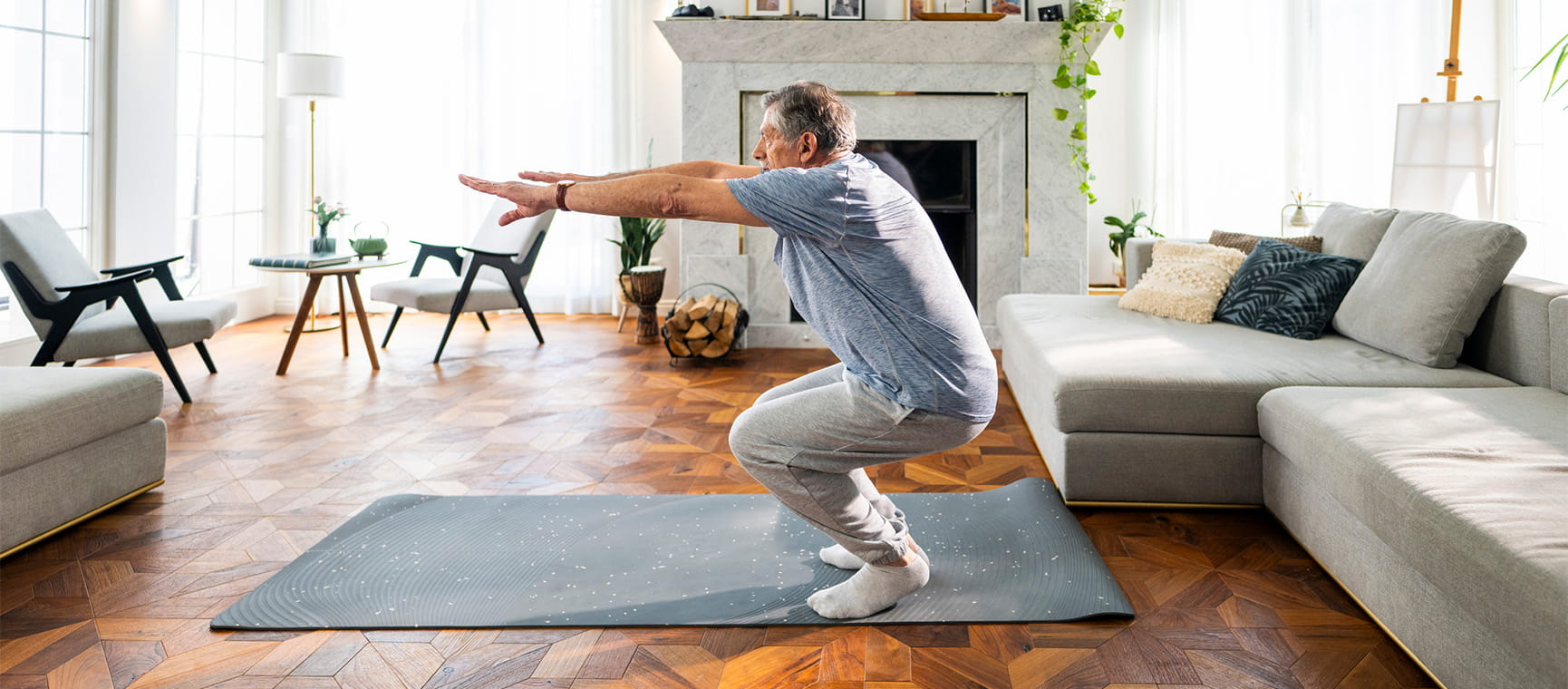
Strong calves for a strong mind: how they support our circulation and brain health, with easy moves to strengthen yours at home.

Our GP Dr Mark Porter explains what can cause itchy skin, which is a common problem as we get older.

Worried you’ve morphed into Victor Meldrew? Find out how to battle that bad mood, and what to do if you’re stuck with a grouchy loved one.

The benefits of heat and cold therapy, and how Nordic bathing won over our nervous writer.

From breathlessness to swollen ankles, a cardiologist explains the warning signs to look out for.


Everything you’re entitled to this year, when you can have it, and the gaps that remain.

Pilates for back pain – what to do if you are suffering, and five gentle exercises that could help.
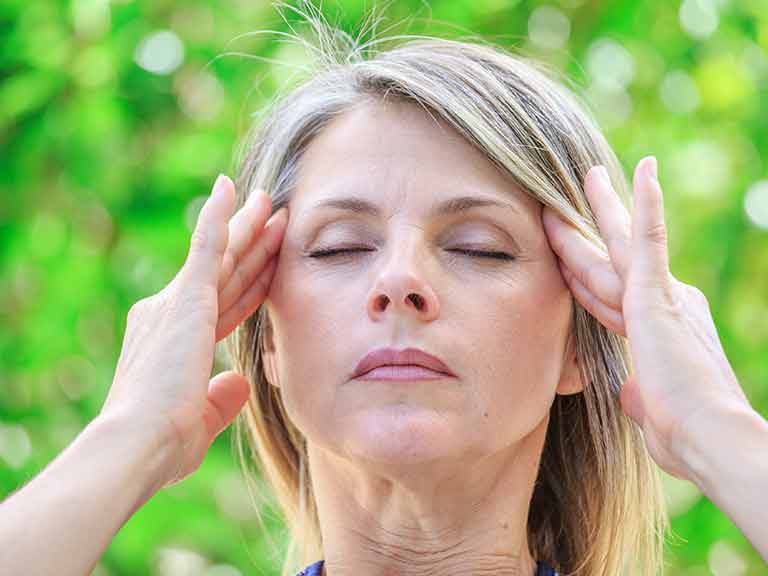
Dizziness or vertigo: a sensation of spinning, can stop us doing everyday things for fear of falling. Try these tips to stop feeling dizzy


You don’t have to put up with bladder leaks. We try out the latest pelvic floor gadgets for men and women.

Cataracts are a normal part of ageing. Learn how to spot the signs – and when it’s time to consider surgery.