How many hours of sleep do I need as I get older?
Sleep patterns change as we get older and the amount of sleep we need isn’t always the same.
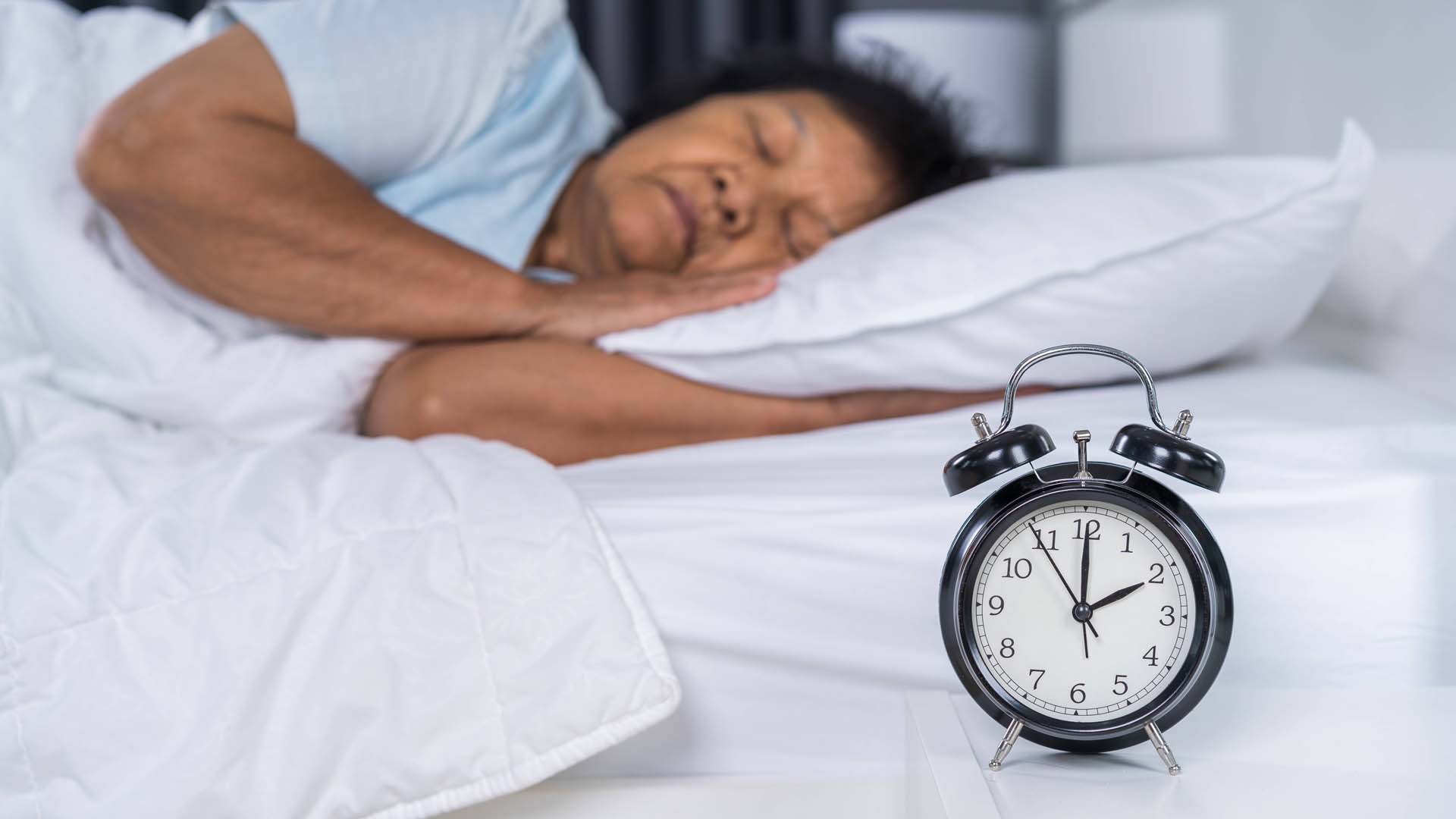
Image credit: Shutterstock/BaLL LunLa
Sleep patterns change as we get older and the amount of sleep we need isn’t always the same.
If the question “how many hours of sleep do I need?” is keeping you awake at night, then rest assured that you’re not alone.
You’ll probably be familiar with the number of hours’ sleep recommended by the NHS: seven to nine a night.
However, it’s a guideline for adults that doesn’t take into account age-related changes. It’s likely that your sleep has changed over the years, which is completely normal – but is there a magic number of hours you should be getting?
“Sleep patterns change as you get older,” explains David Lee, clinical director of Sleep Unlimited.
“The brain stem – that controls sleep – doesn’t work quite as well. So, your ability to get off to sleep, fall into deep sleep and maintain your sleep is reduced.”
“Older people feel less satisfied with sleep because the depth just isn’t there any more. You have more lighter sleep, and you’ll wake up more, because it’s harder to maintain it as you age.”
This is backed up by data from Nuffield Health’s Healthier Nation Index 2024. It found that 37% of adults over 55 said that their sleep quality had become worse over the past 12 months.
While the NHS figure of seven to nine hours is a useful guideline, Lee advises that we should aim to get as much quality rest as possible – and that doesn’t necessarily mean a certain number of hours.
“I talk about proportions, not hours, because some people get six hours of sleep and feel alert and they’re healthy,” he says.
“Throughout the night you go through 90-minute sleep cycles of REM (Rapid Eye Movement) sleep and non-REM sleep. The proportions depend on the person and their lifestyle – for example, if you’ve drunk a lot of caffeine or alcohol before bed, you’ll likely get less deep sleep because we know through studies that they can interrupt sleep patterns.”
However, Lee stresses not to get hung up on proportions or hours. It’s much more about the quality of the rest that you get and how you feel in the daytime, which will be different for everyone. Use the seven to nine hours as a guideline, but it’s possible to feel alert and refreshed after less than that.
Indeed, research has concluded that there’s no magic number. If you notice your ability to concentrate, perform and remember is declining, you should seek advice from your GP.
Obstacles to sleep include:
“If you can avoid these in the two hours before bed, you’ll likely see a decrease in sleep disturbances,” Lee advises.
This two-hour rule is only a base figure to work from, however. If that’s too big an ask for you, he suggests trying 15 minutes for a few nights and building from there.
Good old-fashioned fresh air and daylight are a really good treatment for sleep issues.
“All you need to do is walk out of your front door to get some,” says Lee. “I use it with my clients all the time. I won’t sit in a therapy room with them – I’ll go and sit in their gardens, because daylight is a massive boost for sleep.”
He adds you can also promote a good night’s rest with mental and physical activity throughout the day – so aim to move about and keep your brain healthy and active as much as you can.
If you’re concerned about your sleep, speak with your GP, who will be able to offer advice or refer you to a sleep specialist.


Your chance to win cruise for two to Cádiz, Casablanca and the Canary Islands, worth more than £9,600.

Buy direct and start a new Saga Health Insurance policy by the end of 10 December 2026 to get your first 3 months free. T&Cs apply.
Underwritten by Bupa Insurance Limited.

Are you retiring at the wrong age? The best age to retire for your body, brain, happiness and pocket.


Everything you need to know about the lung infection, and how you could be ill with “walking” pneumonia without realising it.
Strong calves for a strong mind: how they support our circulation and brain health, with easy moves to strengthen yours at home.


Our GP Dr Mark Porter explains what can cause itchy skin, which is a common problem as we get older.

Worried you’ve morphed into Victor Meldrew? Find out how to battle that bad mood, and what to do if you’re stuck with a grouchy loved one.

The benefits of heat and cold therapy, and how Nordic bathing won over our nervous writer.

Here’s how to spot the symptoms of heat disease and reduce your danger.


Everything you’re entitled to this year, when you can have it, and the gaps that remain.

Pilates for back pain – what to do if you are suffering, and five gentle exercises that could help.
Dizziness or vertigo: a sensation of spinning, can stop us doing everyday things for fear of falling. Try these tips to stop feeling dizzy


You don’t have to put up with bladder leaks. We try out the latest pelvic floor gadgets for men and women.

Cataracts are a normal part of ageing. Learn how to spot the signs – and when it’s time to consider surgery.