
If you suffer from arthritis, you may well have ingredients in the kitchen that could help – and others that are making it worse.
“What you eat can’t cure arthritis, but it can definitely make a difference,” says nutritionist Kathleen Cornmell. “Arthritis is an inflammatory condition, so you need to avoid food that could cause more inflammation and eat food that will strengthen your immune system.”
A well-functioning immune system can help keep inflammation under control.
The results are likely to be “gradual and cumulative”, says nutritional therapist Nicola Shubrook. You may need to adopt these habits over several weeks or months before you experience the benefits.
Your gut houses nearly three quarters of your immune cells. When it’s out of balance, it can drive inflammation, a key trigger behind arthritis pain and flare-ups.
“Often people say you are what you eat, but actually you are what you can absorb,” says Cornmell. A gut that’s damaged or out of sync can’t pull in the nutrients that your joints depend on. Your body then struggles to repair and regulate itself.
To get a sense of your gut health, check your stool against the Bristol Stool Chart. You should be going every day or every other day.
Fibre-rich food: such as oats, beans, lentils, apples and berries feed good gut bacteria, helping them produce compounds that calm inflammation.
Fermented foods: including yogurt, kefir, sauerkraut and kimchi contain live bacteria that can rebalance your gut microbiome.
Prebiotic foods: like garlic, onions, leeks, asparagus and bananas help your gut flora stay strong and diverse.

When you eat refined carbohydrates such as white bread and pastries, the glucose level in your blood spikes and then crashes. To compensate, your body produces cortisol and insulin. Prolonged elevation of cortisol and insulin can drive inflammation.
“Balancing blood sugar alone often improves people’s joint pain,” says Cornmell.
“Never eat a naked carb,” says Cornmell. “Bring protein into every meal.
"If you’d like a piece of toast, have it with eggs. If you’d like a banana, have it with full-fat Greek yogurt.
Ultra-processed foods such as sausages, packaged snacks and much mass-produced bread are packed with refined seed oils, emulsifiers and artificial additives. Each can disrupt gut bacteria, trigger low-grade inflammation and strip your diet of nutrients your joints need.
“Read the ingredients label,” says Cornmell. “If you can’t get the ingredients in a shop, think twice about buying it."
Swap sunflower, vegetable and palm oil for extra virgin olive oil. “Extra virgin olive oil contains bioactive compounds which have anti-inflammatory and antioxidant benefits,” says Shubrook. Aim for 1-2 tablespoons a day in cooking, dressings or drizzled over vegetables.
A lot of mass-produced bread counts as ultra-processed because it contains sugars and preservatives. A homemade loaf or one from a local bakery is a healthier choice. Some people with arthritis also benefit from going gluten-free.
If you think gluten might be worsening your symptoms, try a gluten-free trial week: no bread, pasta, pastry or any product containing wheat, barley or rye. If you suspect coeliac disease, see your GP.

“Omega-3 fatty acids reduce pain and morning stiffness,” says Shubrook. They intercept the inflammatory process at a cellular level, suppressing the production of inflammatory chemicals called prostaglandins and cytokines.
Omega-3 has a blood-thinning effect. If you’re on anticoagulants or take aspirin daily, talk to your GP before significantly increasing your intake.
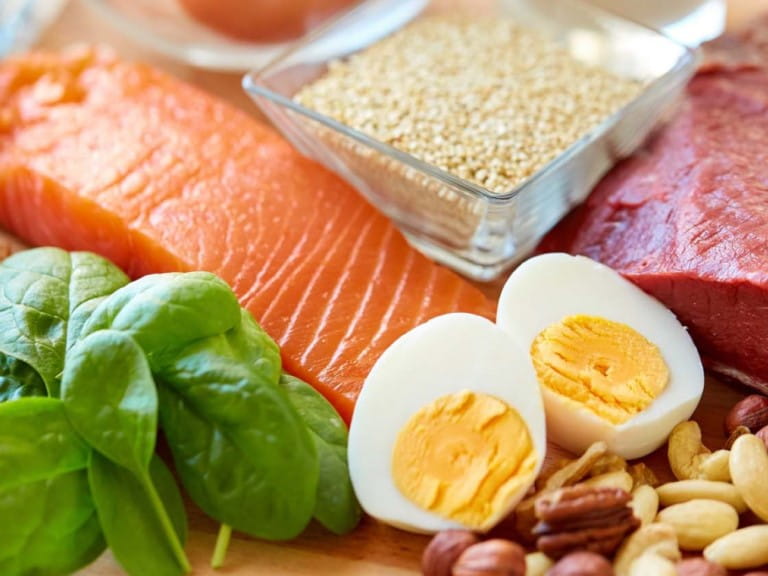
Aim for at least one portion of oily fish a week, such as salmon, mackerel, sardines, herring or anchovies. Tins still count.
Not keen on fish? Omega-3 is also found in walnuts (a portion is 30g), chia seeds (two tablespoons), flaxseeds and hemp seeds.
Curcumin, the active compound in turmeric, helps calm the body’s inflammation response. “Adding turmeric to your meals or taking a curcumin supplement may help improve inflammation and symptoms over several weeks,” says Shubrook.
Pairing it with black pepper can boost absorption, although people with sensitive digestion may be better without it. If you’re on any medication, check with your GP before taking curcumin supplements.
Ginger can also help reduce the chemical signals that drive swelling and pain.

Cornmell recommends eating 30 different plant foods a week, including herbs, spices, nuts, seeds and legumes. Keeping a tick list on the fridge can be useful.
“You get different nutrients from different colours of fruit and vegetables,” she says. “The more diversity in your diet, the more diverse your gut bacteria and the stronger your immune system.”
Almost all vegetables are beneficial.
With fruit, be careful of the sugar level. Berries are a particularly good choice. Anthocyanins, the compounds that give berries their colour, can significantly lower inflammation. “Daily consumption of strawberries, blueberries or tart cherry juice (with no added sugar) can lead to significant reductions in joint pain and stiffness,” says Shubrook.
Aim for around 80g fresh or frozen a day or 30ml of tart cherry juice diluted in water once or twice daily.
Higher-sugar tropical fruits such as mangoes and pineapples are better eaten with a meal to avoid a glucose spike.
Muscle mass starts declining when we reach about 30, accelerating after 60. Without enough protein, joints are less supported, blood sugar is harder to stabilise and recovery from inflammation is slower.
Start the day with a couple of eggs. An omelette contains 12-14g of protein.
Full-fat Greek yogurt is a good alternative. Aim for 150-200g topped with berries and a tablespoon of chia seeds or walnuts.
Stir chickpeas or shredded chicken into vegetable soup.

Avoid fruit juice. “Juice is just the sugar from the fruit,” says Cornmell. A whole piece of fruit is better because fibre slows sugar absorption.
Alcohol can irritate the gut and disrupt your microbiome. If you want a glass of wine, have it with a meal so that the protein and fibre reduce how quickly it is absorbed.
Good choices include kombucha (watch the sugar content), water infused with lemon or cucumber, and green tea.
“Compounds in green tea, such as EGCG, have anti-inflammatory and antioxidant effects and can be a useful, soothing addition to an overall joint-friendly diet,” says Shubrook. Aim for three to five cups a day.
Cornmell recommends following an anti-inflammatory diet 80% of the time. “It’s not all about restriction,” she says. “You have to enjoy life.” Stick with it, though, and the rewards can be substantial.
“People often tell me they can now get on with their life.”
(Hero image credit: GettyImages)


Buy direct and start a new Saga Health Insurance policy by the end of 10 December 2026 to get your first 3 months free. T&Cs apply.
Underwritten by Bupa Insurance Limited.

Find out about Saga's gastronomy holidays here...
They say the way to the heart is through the stomach, and Saga’s thoughtfully crafted food and wine holidays are perfect if you like trying new flavours and exploring traditional methods of cooking.

Expert nutritionists break down the most important foods to eat in each decade as we get older.

We reveal the 7 best tinned foods to supercharge your health while saving you time and money.
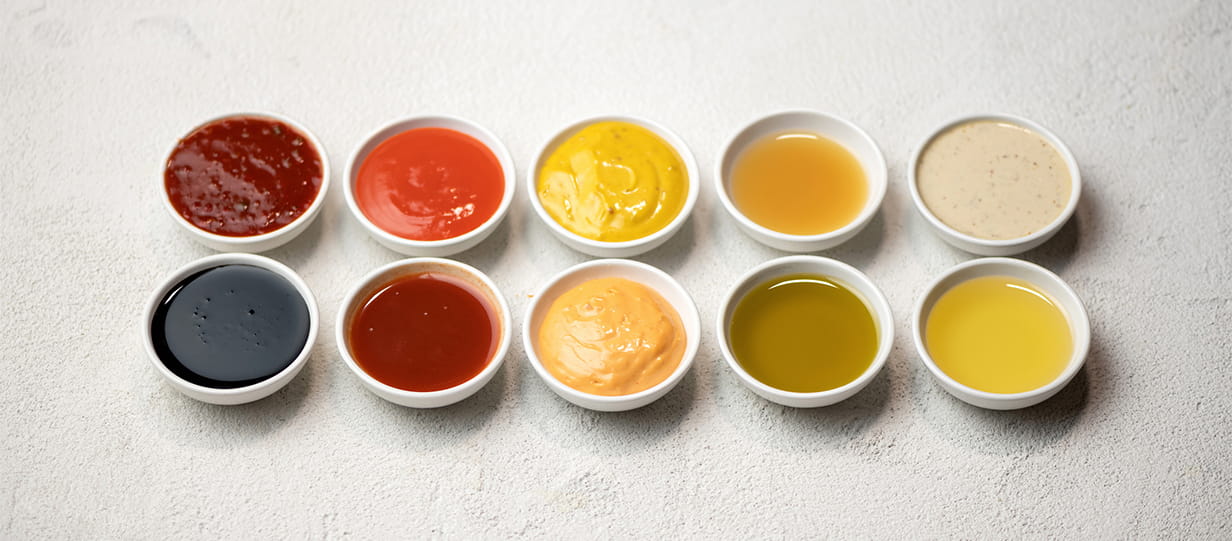
From ketchup to mayo – how healthy are your sauces? We find out the pitfalls and surprising benefits of our favourite condiments.

Could honey be the sweetest way to supercharge your health this year? Our experts explain the benefits and which to buy.
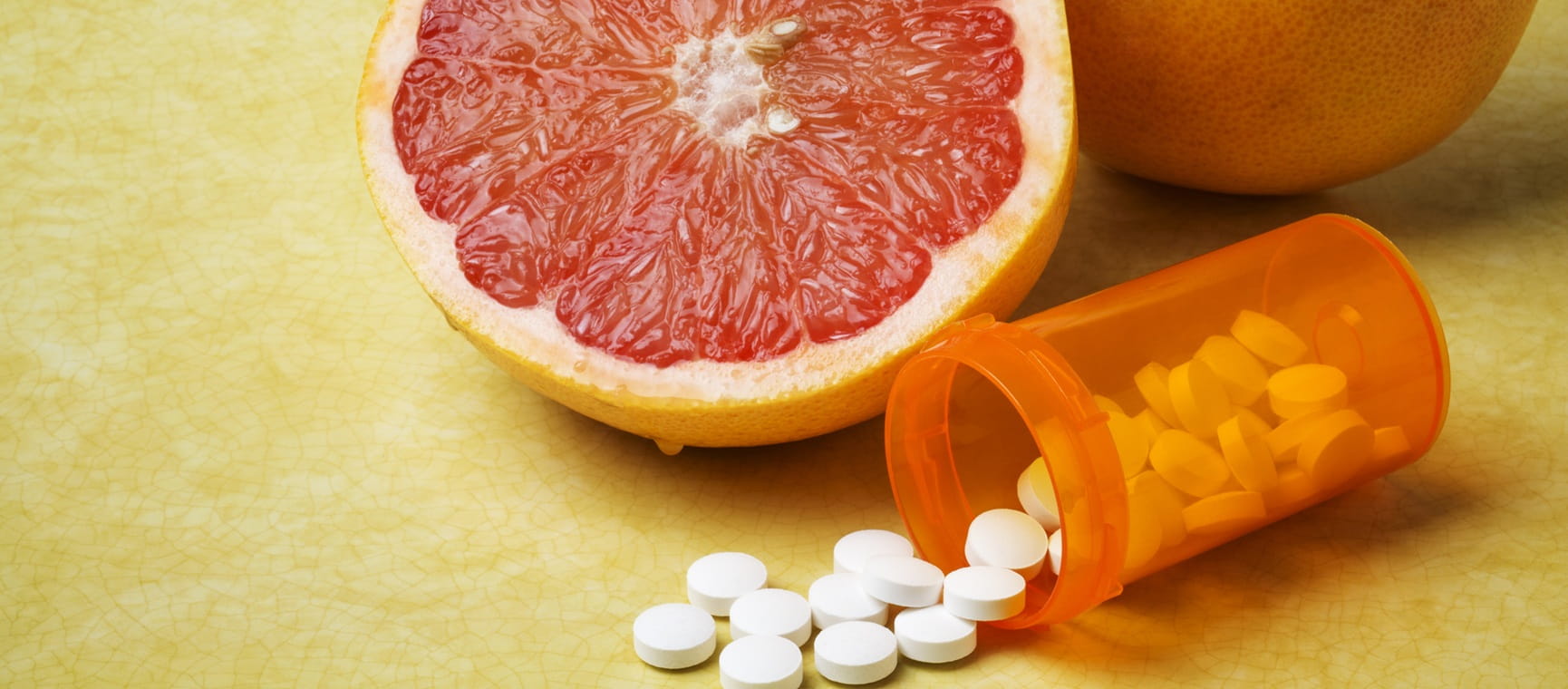
Our expert guide to the common foods you shouldn't mix with prescription drugs.

Experts reveal whether chilled supermarket soups are worth the extra cost and if some flavours are better for you than others.
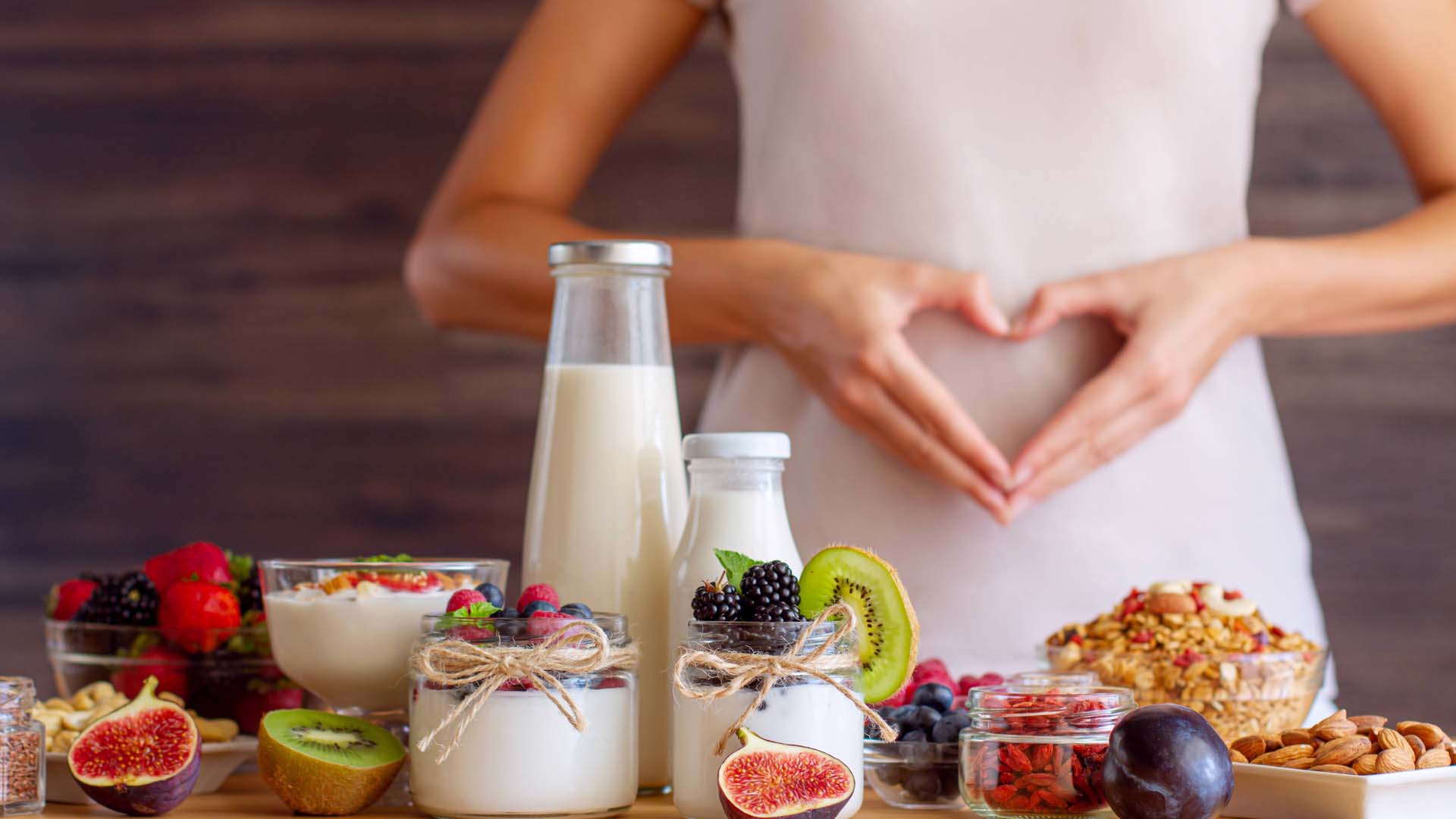
Looking after your gut health could be one of the biggest things that you can do for your overall health. Here are the best foods to keep your gut happy.
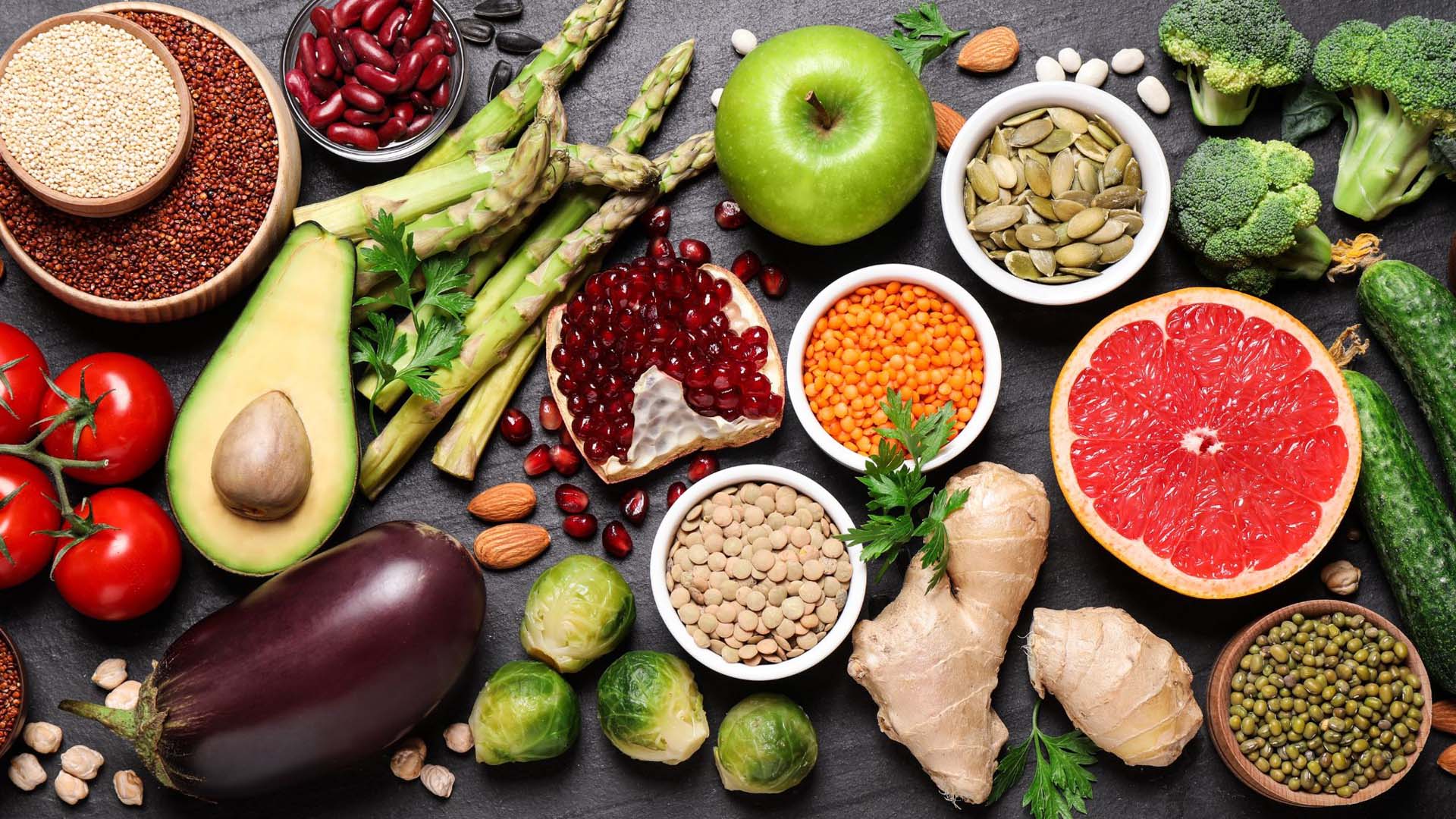
The foods that could help you live longer and protect against chronic illness.


A dietician reveals which foods can help protect vision and prevent age-related eye conditions.
Everything you need to know about protein, from how it benefits your body to the best high-protein foods – and how much you really need.