7 surprising health benefits of wearing a fitness tracker
From better sleep to detecting early warning signs of health issues, experts explain the unexpected ways fitness trackers can support your wellbeing as you get older.
From better sleep to detecting early warning signs of health issues, experts explain the unexpected ways fitness trackers can support your wellbeing as you get older.
You don’t need to be an elite athlete to benefit from a fitness tracker. They’re useful for anyone wanting to monitor and improve their health, especially as we age.
The latest watches, bands and rings don’t just measure steps and sleep – they can also detect falls, spot changes in our health and improve sleep.
We spoke to the experts to find out how to make the most of a wearable device, whether you’re attempting to outrun Mo Farah – or you just want to improve your wellbeing.
Fitness trackers can offer a clear picture of your health, kickstarting better habits. They act, says Melissa Powenski, a mental health nurse and personal trainer, like “a friendly mirror”. Seeing your starting point and the impact of changes can be motivating.
“People often like seeing the evidence and being held accountable for what they know they should be doing,” agrees Victoria Anderson, clinical exercise physiologist at Longevity Health and Fitness in London.
Anderson recommends wearing your tracker for a week or two before making major changes. “Don’t live by it as soon as you put it on,” she says. “Just have it there in the background.” This helps establish an accurate baseline before setting targets.
Trackers can highlight subtle changes in our health over time. A rising resting heart rate, for instance, may signal something is wrong.
Some devices can detect irregular rhythms such as atrial fibrillation, which is linked to the risk of strokes.
“If you notice these sorts of changes, you might want to get them checked out by a doctor,” says Dean Blackstock, a chiropractor and director of Vitae Spine & Wellness Centre in Kent.
“Spotting something like this early could prevent a trip to A&E.”
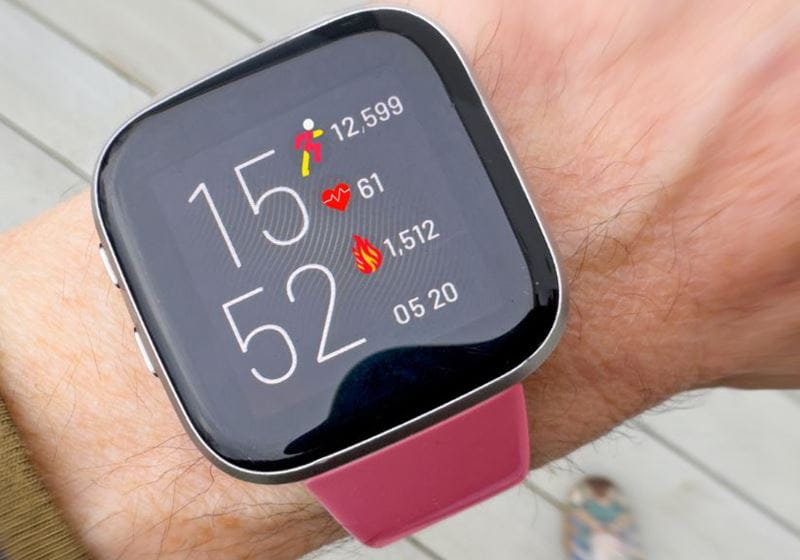
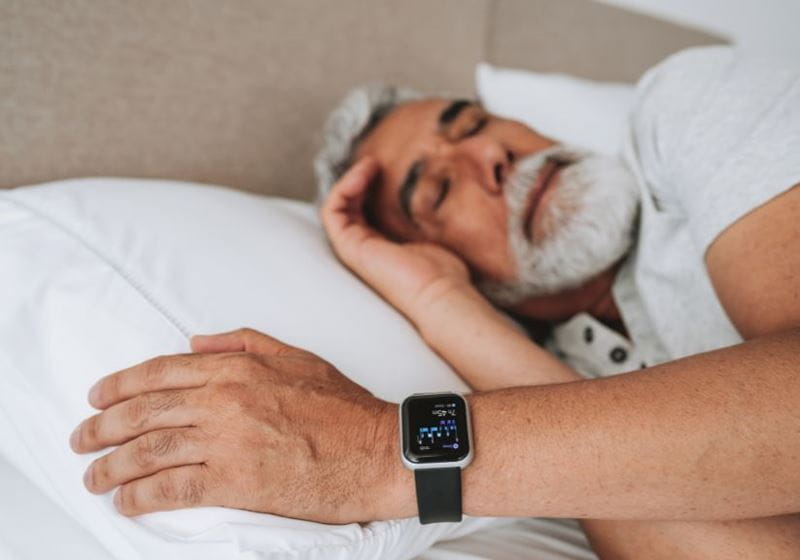
Sleep is essential for recovery and energy. “Deep sleep is when a lot of our physical recovery happens,” says Anderson. “If we’re exercising more, we want to be sleeping more.”
Blackstock recommends six to eight hours a night but cautions against getting overly concerned about sleep quality.
“Depth and quality of sleep can vary for many reasons,” he says. “You might be taking medication or looking after grandkids who frequently wake up.”
Instead, he suggests focusing on the quality of rest by winding down and limiting screen time before bed.
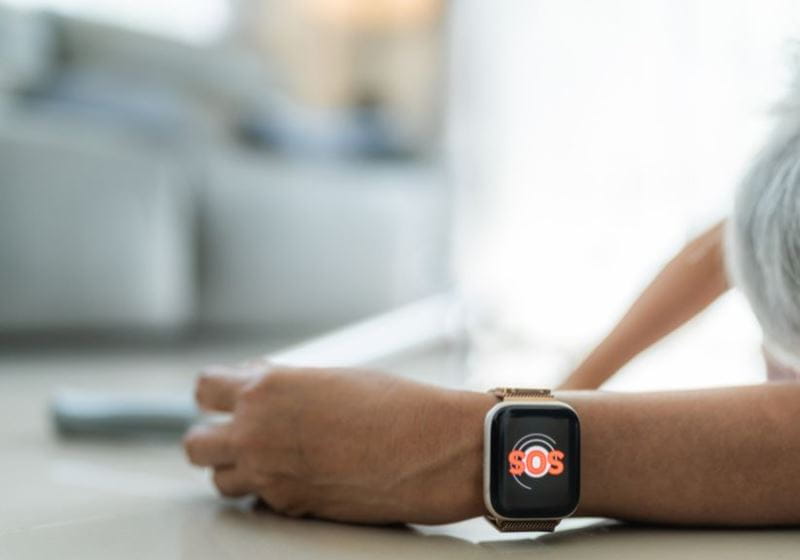
Many devices now include fall detection and alert systems that can contact someone if needed. “This gives you reassurance that you’re covered if anything happens,” says Blackstock. It can help people stay active and independent.
Sometimes the benefit, however, is more for others. “I think it gives families confidence more than individuals,” says Anderson.
If you’re fiercely independent, you might enable fall detection to reassure your family, while paying more attention yourself to cadence or steps per minute.
“Somebody with a lower cadence [more of a shuffling gait] has a higher risk of falling,” says Anderson. “If we can improve cadence even by a couple of points, it’s good for somebody’s overall health.”
There is not only less chance that they’ll fall, Anderson says. They’re also more likely to have better heart and respiratory health.
A strong heart keeps blood flowing efficiently, delivering oxygen and nutrients, while reducing the risk of conditions such as heart disease and stroke. Movement strengthens the heart by making it pump faster and more efficiently, like training a muscle. Over time, regular activity such as brisk walking, cycling or swimming helps it pump more blood with less effort.
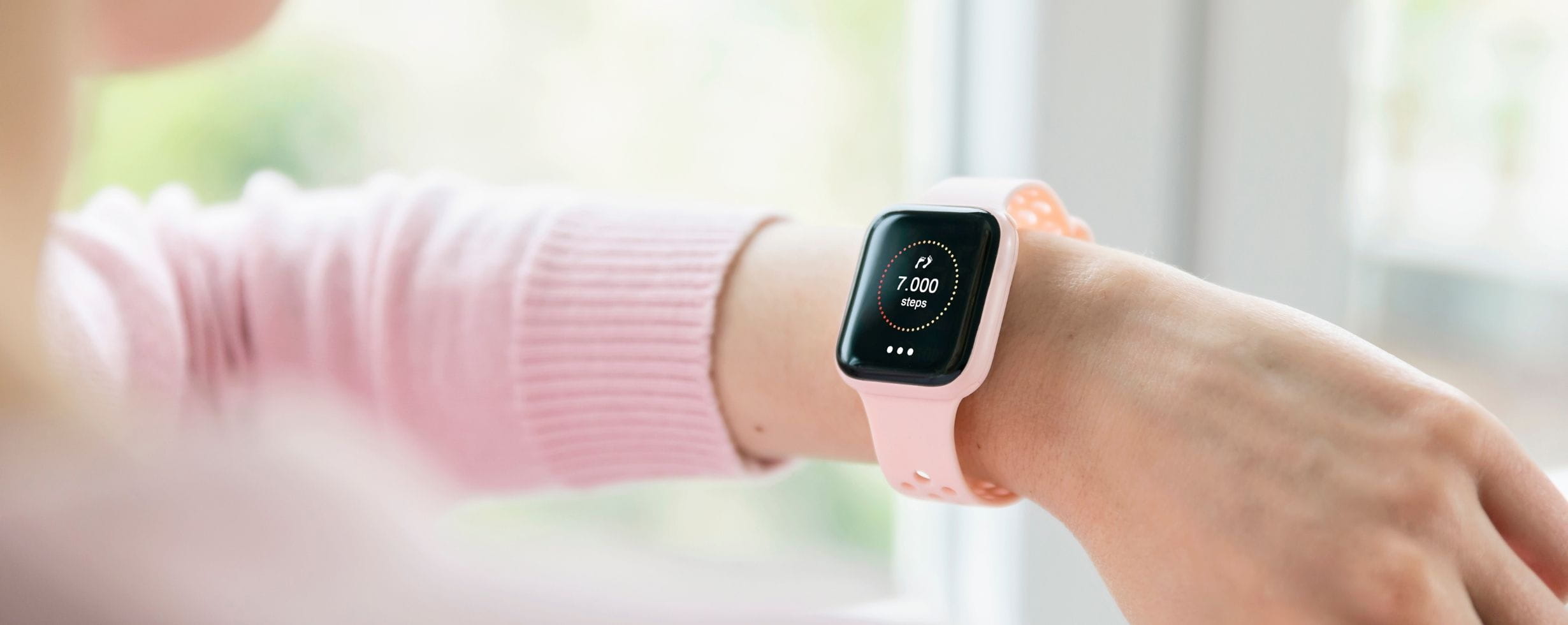
The obvious way to measure movement is step count. A healthy range is 7,000 to 10,000 steps, says Blackstock. Build up gradually if you’re starting lower to avoid injury. Even modest increases support your heart.
But it’s not just about how far you walk – it’s also about how movement is spread through the day.
“If somebody does 10,000 steps at 5am and sits down for the next 14 hours, that has less impact than somebody who is casually active throughout the day,” says Anderson. “Breaking up sedentary time is arguably more important than getting in your steps.”
Long periods of sitting slow blood flow and strain the heart and metabolism. Many trackers prompt you to stand or move, even briefly once an hour.
Movement boosts blood flow to the brain, helping it to stay sharp. “A lot of people report feeling more alert,” says Anderson.
Some also feel happier, adds Powenski, as exercise releases endorphins, chemicals that lift mood and reduce stress, lowering the risk of depression.
Regular movement keeps joints and the spine healthy. A lack of movement is a major cause of aches and stiffness, particularly in the lower back and hips, says Blackstock. Long periods of sitting, whether you’re reading, watching TV or leaning over a device, can lead to tight muscles and reduced mobility.
Trackers highlight how sedentary your day is, prompting more frequent movement. These small, consistent actions are often more sustainable than intense bursts, says Powenski. They help people avoid cycles of overdoing it and stopping altogether.
Trackers can help people exercise more effectively. By monitoring heart rate and activity levels, they show how the body responds and recovers from a workout. This can help you avoid doing too much exercise too quickly or too little to see results, says Anderson.
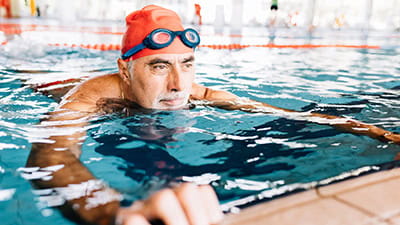
They can even improve performance in hobbies such as golf or swimming, says Blackstock. Comparing performance with tracker data can reveal whether fitness is affecting results, allowing more targeted improvements, such as working on hip flexibility or core strength.
“Before getting a tracker, think about what you want to get out of it,” says Blackstock. Without a clear goal, the data can feel overwhelming. “You need to be aware of the metrics that you’re measuring and how you interpret them,” he says.
Use the data as a guide rather than letting it dictate your behaviour. Some metrics, such as SpO₂ (peripheral oxygen saturation, the amount of oxygen in your blood), can be less accurate, says Anderson, while heart rate variability is more useful over longer periods.
Whatever you’re measuring, the tracker should support your lifestyle rather than take over.
“Always check in with how you’re feeling,” says Blackstock. “If you’re walking 15,000 steps a day and feel exhausted, you probably need to walk less. If you feel fine, you may well be on the right path.”


Buy direct and start a new Saga Health Insurance policy by the end of 10 December 2026 to get your first 3 months free. T&Cs apply.
Underwritten by Bupa Insurance Limited.
Find out about Saga’s walking holidays here…
Saga’s walking holidays are perfect for exploring Europe’s stunning destinations on foot. They’re suitable for all fitness levels and offer a well-balanced mix of guided walks and relaxation.
NHS England wants everyone to be using its app within three years - we look at the situation UK-wide and what to do if you haven't got a smart phone.
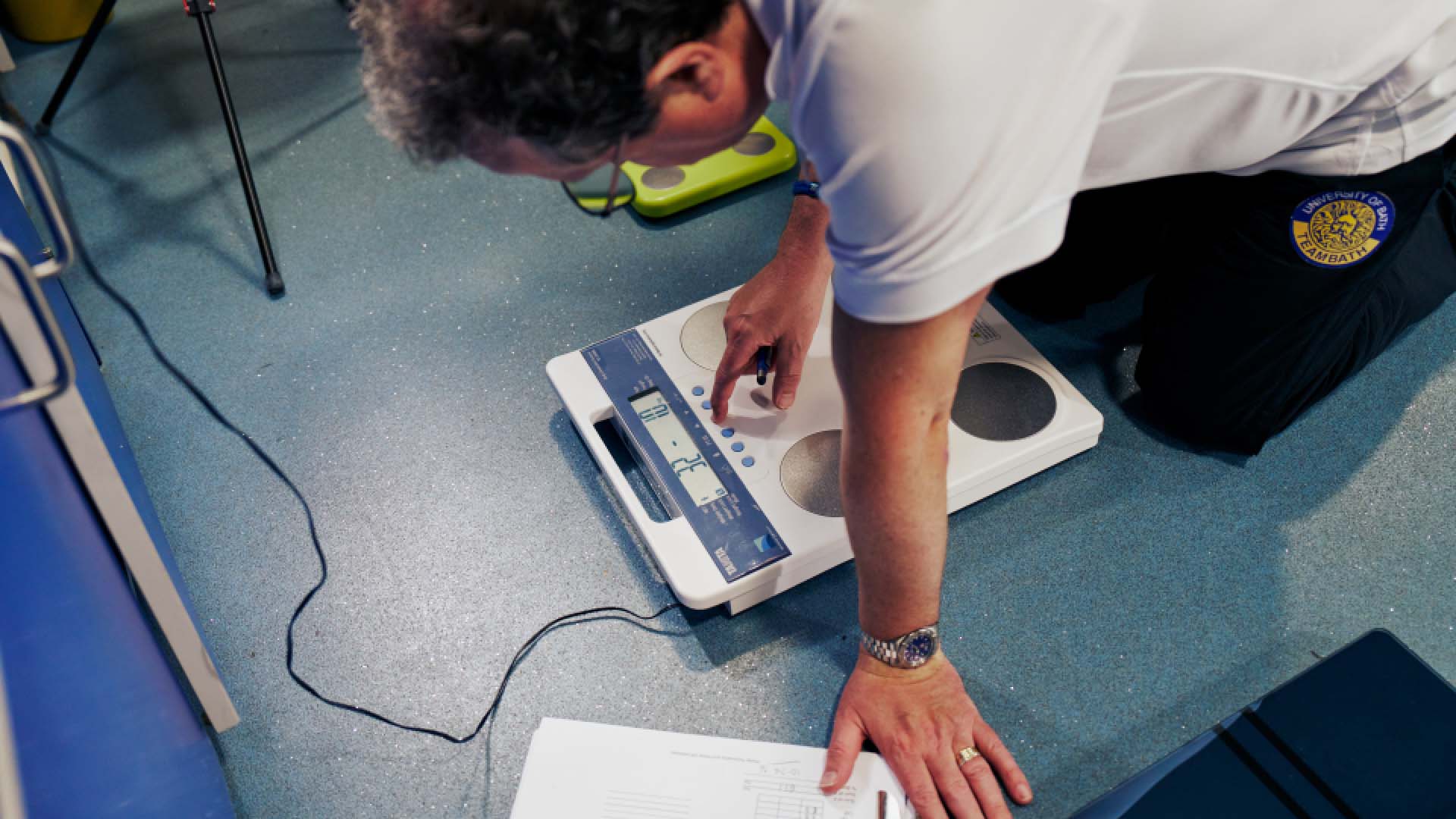
When it comes to tracking your body composition, are smart scales accurate enough to be useful?
The pros, the cons, with expert advice on whether to take your running indoors or out.
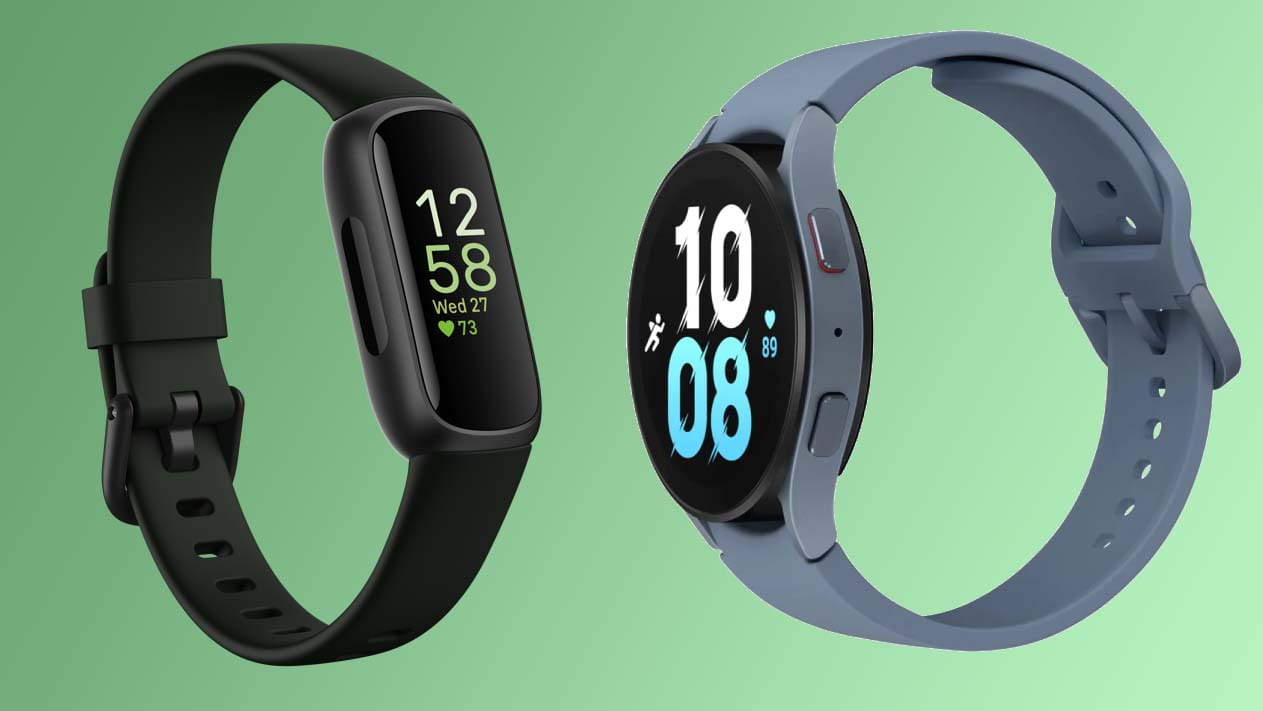
We are here to help you decide which wearable is right for you, a sleek fitness tracker or feature-packed smartwatch
Cleaning with an electric toothbrush is much easier, especially if you have mobility problems in your hands.
Your questions answered about what really is a good 5k time.