Could your prescription medicines be leaving you low on essential nutrients?
Some prescribed drugs can rob us of vital vitamins and minerals in our food. These are the medicines to watch out for, plus expert advice on how to avoid deficiencies.

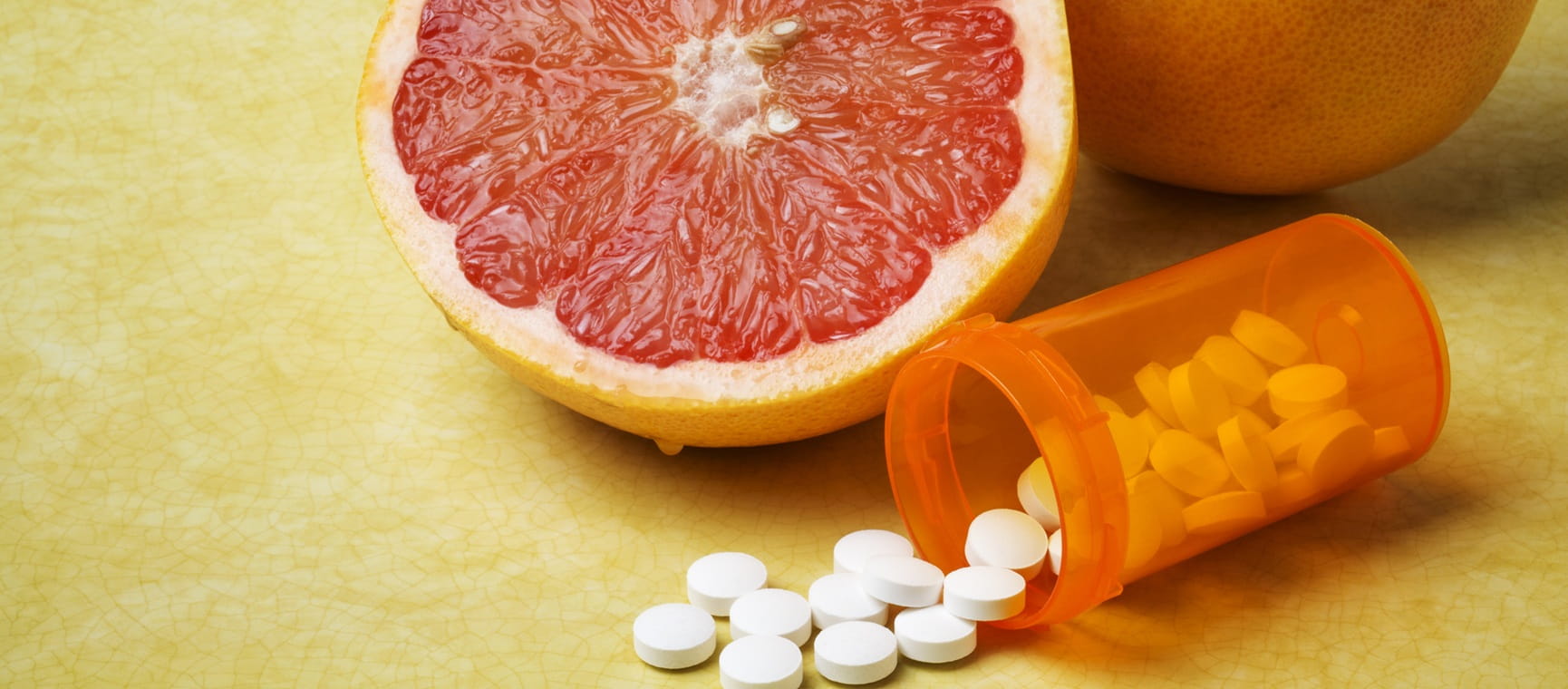
They’re our everyday allies – the medicines that help us stay well and treat everything from high cholesterol and acid reflux to diabetes and high blood pressure. But they could be doing something less welcome too – depleting our bodies of nutrients.
Some of the biggest culprits include drugs for digestive problems, especially proton pump inhibitors (PPIs) such as omeprazole, as well as the diabetes drug metformin.
Certain heart and blood pressure meds, including some diuretics, also make the list in a review published in Exploratory Research in Clinical and Social Pharmacy, as do oral steroids and some antidepressants.
This absolutely doesn’t mean we should stop taking regular medication. But it is a useful reminder to pay extra attention to nutrient intake, especially when taking multiple meds.
More than one in five people (22.8%) take five to nine different drugs by their mid-seventies.
Even without medication, ageing can change how well we absorb and use nutrients. “Poor appetite, smaller meals, changes in digestion and declining kidney function can all interfere with how nutrients are absorbed,” says Dr Marie Spreckley, a specialist in diabetes and metabolic disorders at the University of Cambridge.
Shifts in body composition (more fat, less muscle), less stomach acid, and changes in liver function also alter how the system processes and clears medications. These can slowly reduce physiological reserve, the body’s buffer against illness, injury, surgery or other stressors.
“It is usually the combination of ageing, diet and health conditions, together with medication, that pushes up risk,” explains Dr Spreckley.
In the journal Prescriber, Dr David Laight of the University of Portsmouth wrote that, apart from well-known examples such as vitamin B12 and metformin, problems can fly under the radar. Symptoms such as fatigue, muscle weakness and reduction in mobility are missed or blamed on ageing or illness.
“Clinicians are good at spotting immediate side effects, but nutrient deficiencies are often slower to emerge and less obvious,” says Professor Amira Guirguis, chief scientist at the Royal Pharmaceutical Society. “They are not always picked up unless specifically looked for.”
Can lower vitamin B12 because it affects B12 absorption in the gut. Greater risk with long-term use, higher dose and a diet lacking B12 – for instance, if you eat little or no animal foods such as meat, fish, eggs or dairy.
Pins and needles is a common symptom of low vitamin B12. In the long term, cognition can be affected.
Can lower magnesium and may affect B12 and iron over time. A 2025 review suggests that long-term PPI use may lower calcium, potentially increasing the risk of bone weakness and falls.
Can deplete calcium and vitamin D. Risk rises with long-term, high-dose use, and for people at greater risk of osteoporosis.
Prescribed for oedema (swelling) caused by heart failure and kidney disease. They increase fluid loss, which can wash out minerals. Can affect levels of potassium, magnesium and thiamine. Those with a poor diet and multiple meds are more at risk.
Symptoms of electrolyte imbalances may include cramps and dizziness.
Meds for high blood pressure/heart failure. Can raise potassium levels, especially in those with reduced kidney function or those taking other potassium-raising medications.
Can contribute to iron deficiency, especially with long-term use and for those with a history of stomach problems or taking blood thinners.
Can disturb electrolyte balance, especially potassium, with long-term use. You’re more at risk with a poor diet and/or dehydration.
Some SSRIs may affect sodium balance which can cause memory problems in older people.
If you’re taking a medication known to affect a particular nutrient, ask your GP surgery to check your levels.
It’s easy to assume that medications are doing all the hard work and neglect what you eat.
“I often see people not eating enough protein, fibre and micronutrients, especially if their appetite is poor,” says Rob Hobson, nutrition consultant to the supplement company Healthspan.
“Over time, that creates a gap that medication doesn’t fill.’’
*Don’t try to match foods to specific medications. “It’s more helpful to make sure that overall you’re getting the nutrients your body needs most,” Hobson explains.
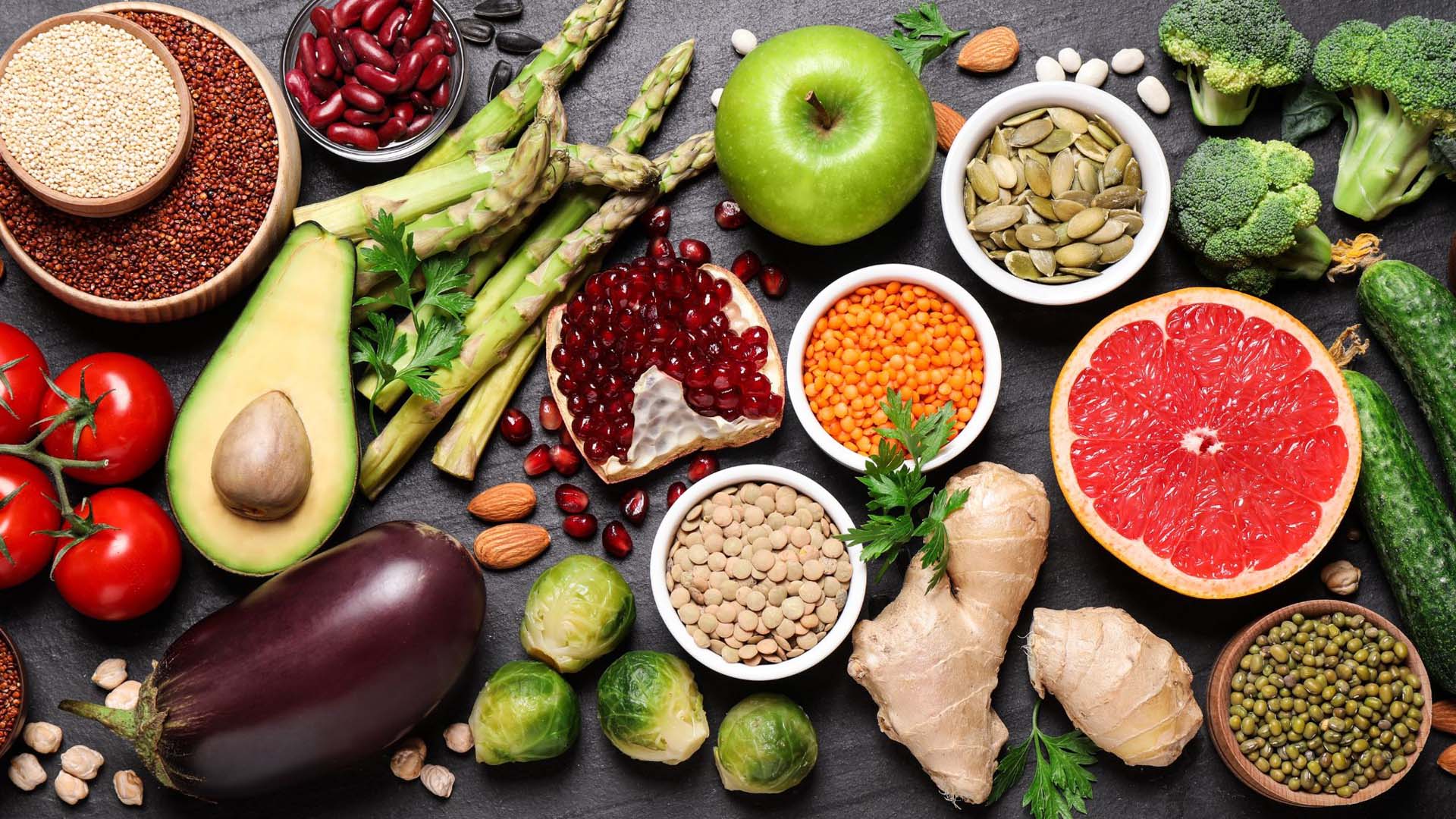
Focus on protein (found in meat, eggs, fish, dairy, pulses/seeds) to maintain muscle; calcium (dairy products, leafy veg) for strong bones; magnesium (green leafy veg, seeds/nuts, pulses) for muscles and nerves; and vitamin B12 (meat, fish, dairy, eggs) for energy and brain function.
Small, consistent habits make a big difference. Build meals around vegetables and protein not carbs. Choose wholegrains instead of refined carbs to boost magnesium and fibre. Try to include protein (meat, eggs, fish, beans or yogurt) with each meal. A handful of nuts or seeds can add magnesium and healthy fats.
Diet tweaks may not be enough. “Targeted supplements are likely to be the best approach if a deficiency is medically confirmed or strongly suspected, especially with known issues like low vitamin B12 in people taking metformin or a long-term PPIs,” says Dr Spreckley.
If you take a drug that depletes a nutrient you may already be short of – such as B12 if you’re on metformin or PPIs and don’t eat animal products, for example; or magnesium if you take PPIs and don’t eat much leafy veg – then a supplement may be particularly useful.
Make sure you have regular medication reviews – at least once a year if you’re taking multiple meds, are over 75 and/or have ongoing health conditions.
You can arrange this through your GP surgery or local pharmacy.
When opting for supplements, avoid mega-doses of nutrients. Look for a supplement that supplies around 100% of daily reference intakes (DRIs).
Look for third-party testing or quality assurance.
Don’t let a diagnosis of high blood pressure deflate you. Find out how to get cover for this common health condition.
Health insurance for people over 50 that provides a quicker route to diagnosis and planned medical treatment in a private facility.
Underwritten by Bupa Insurance Limited.
Expert nutritionists break down the most important foods to eat in each decade as we get older.
We reveal the 7 best tinned foods to supercharge your health while saving you time and money.
From ketchup to mayo – how healthy are your sauces? We find out the pitfalls and surprising benefits of our favourite condiments.
Could honey be the sweetest way to supercharge your health this year? Our experts explain the benefits and which to buy.
Our expert guide to the common foods you shouldn't mix with prescription drugs.
Experts reveal whether chilled supermarket soups are worth the extra cost and if some flavours are better for you than others.
Looking after your gut health could be one of the biggest things that you can do for your overall health. Here are the best foods to keep your gut happy.
The foods that could help you live longer and protect against chronic illness.
A dietician reveals which foods can help protect vision and prevent age-related eye conditions.
Everything you need to know about protein, from how it benefits your body to the best high-protein foods – and how much you really need.