Do I need to take a magnesium supplement?
Magnesium is claimed to help with everything from sleep and muscle cramps to mood and memory problems. Does it really work – and how do you know if you’re getting enough?

Magnesium is claimed to help with everything from sleep and muscle cramps to mood and memory problems. Does it really work – and how do you know if you’re getting enough?
One of the body’s most important minerals and the fourth most abundant (after calcium, potassium and sodium). Around 50-60% of it is stored in our bones, with the rest in muscles and other soft tissues.
Magnesium helps drive hundreds of vital processes in our bodies and is important throughout life.
“It protects cells, reducing inflammation, it enhances energy production and helps keep bones and muscles healthy, as well as helping regulate blood pressure,” says Dr Lindsy Kass, senior research fellow in health and exercise physiology and performance nutrition at the University of Hertfordshire.
Most research to date has looked at how magnesium could help ease sleep problems, mood, migraine, and muscle cramps. But more recently researchers have been looking at its role in heart and brain health.
Over time not getting enough magnesium may increase oxidative stress, cell damage linked to ageing and disease. Low levels have also been linked to a higher risk of heart disease, stroke and type 2 diabetes as well as mood problems, memory loss, muscle aches and weaker bones.

Severe magnesium deficiency is uncommon, but you could still be falling short of your needs. In the US around 60% of adults fail to achieve the average recommended daily intake, while 45% are deficient.
The picture in the UK is similar, according to the latest National Diet and Nutrition Survey. This showed that adults aged 65-plus were getting just 79% of the recommended intake. In the 75-plus age group, meanwhile, 22% of men and 27% of women fall below the LRNI (lower reference nutrition intake), a level so low that it would not be sufficient for most people, according to the government’s Scientific Advisory Group on Nutrition.
Even if you eat pretty well you could still be falling short of what you need. The reasons? Today’s fruit and veg contain less magnesium than 100 years ago due to soil depletion, while ready meals and processed foods can lose up to 80 to 90% during manufacture.
Magnesium is found in foods we’re often told to eat more of – wholegrains, beans, lentils, nuts, seeds, leafy greens and some fish – but if you’re not a big fan of these foods you may not consume enough. “Many people simply don’t eat a wide enough variety of different plant foods to get enough magnesium in the diet,” says registered nutritionist Rob Hobson, nutrition consultant to Healthspan.
Less healthy choices such as white toast instead of wholegrain, crisps instead of nuts, and quick convenience meals that are low in nutritional value can all chip away at magnesium intake.
Age can be a factor too. As we get older magnesium levels naturally decline, partly because of “inflammageing” (low level inflammation linked to ageing), poorer absorption, smaller appetites or having the same meals day in day out.

Plenty of people swear by magnesium for better sleep but the science is mixed. It may depend on whether you’re low on it to begin with. “Usually with micronutrients, once you have reached the amount you need, more is not necessarily better,” says Dr Kass.
Some studies have linked higher magnesium intake to better sleep quality and duration. Others have found that people drop off around 17 minutes faster, although total sleep time is only improved slightly, when they take a supplement. A 2025 study, meanwhile, found that magnesium glycinate led to small but significant improvements in insomnia, especially in people likely to be low in magnesium.
What about topical products such as magnesium cream? The jury is still out, says Dr Kass. Her research shows that magnesium can be absorbed through the skin, but it’s not known if it’s magnesium itself or simply the relaxing bedtime ritual of rubbing in a cream that’s having an effect.
The evidence is pretty mixed. “There is no clinical evidence that magnesium helps with anxiety or low mood,” says Kass, although she does point to a 2024 review in which people self-reported feeling less anxious after supplementation.
Another review of seven studies revealed a significant reduction in depression scores in people with depression taking a magnesium supplement.
Magnesium has been under investigation for more than 30 years for the treatment of migraine. A review published in the journal Nutrients in 2025 suggested it could be a useful add-on alone or in combo when other treatments have had little or no effect.
A 2020 Cochrane review (these are considered the gold standard in research) found oral magnesium supplements did not improve muscle cramps in older people, although we do know that magnesium plays a role in muscle relaxation by opposing calcium, which triggers muscle contraction, so in theory it could help.
Magnesium is also important for heart rhythm, blood pressure and blood vessel health and low levels have been linked to a higher risk of heart disease. But again, research isn’t yet clear enough to reach firm conclusions.

Food should always come first, say the experts. “Just 25g of pumpkin seeds provides around half your daily magnesium needs,” says Kass. Spinach, avocado, lentils, nuts and wholegrains are other good sources.
If diet alone doesn’t cut it, a supplement may help but it’s not a magic fix. “Adding one supplement will not compensate for a diet low in wholegrains, pulses, nuts, seeds and vegetables,” says Hobson.
He suggests supplementation may be indicated when food intake is low, needs are higher, or someone has symptoms like fatigue, muscle cramps, poor sleep or low mood.
The problem is that these symptoms can be caused by other factors as we age. Hobson also cautions: “Magnesium supplements aren’t for everyone. Check with your doctor if you have kidney disease or take regular medication.”
High-dose magnesium can cause diarrhoea, and digestive problems so check the dose and form.
Magnesium has to be bound to another compound to keep it “stable” in the body.
Options include:
There is a huge range of magnesium supplements on the market and at different price points, including Healthspan magnesium glycinate (£14.99 for 120 tablets) and Viridian High Potency Magnesium Bisglycinate (£28.05 for 120 capsules).
The key thing to check is the amount of “elemental magnesium”, the magnesium the body can actually use. Around 110mg to 300 mg a day is usually enough.
Note: If you have kidney problems or are taking medications such as diuretics, antibiotics or some diabetes drugs check with a GP or pharmacist first.
Saga Health Insurance has advice from a registered GP to help you decide which vitamins and minerals to take.
(Hero image credit: Getty Images)


Buy direct and start a new Saga Health Insurance policy by the end of 10 December 2026 to get your first 3 months free. T&Cs apply.
Underwritten by Bupa Insurance Limited.

Find out about Saga's gastronomy holidays here...
They say the way to the heart is through the stomach, and Saga’s thoughtfully crafted food and wine holidays are perfect if you like trying new flavours and exploring traditional methods of cooking.

Are you retiring at the wrong age? The best age to retire for your body, brain, happiness and pocket.


Everything you need to know about the lung infection, and how you could be ill with “walking” pneumonia without realising it.
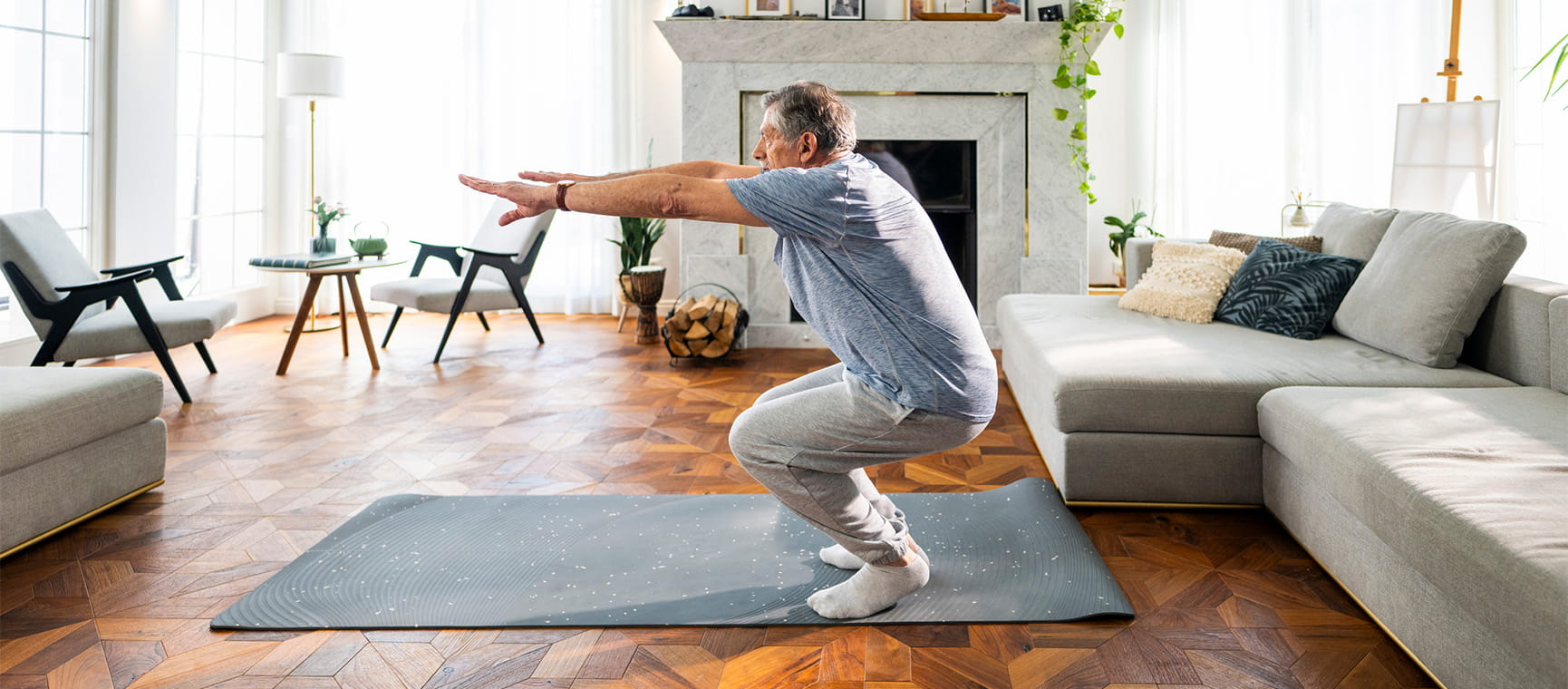
Strong calves for a strong mind: how they support our circulation and brain health, with easy moves to strengthen yours at home.


Our GP Dr Mark Porter explains what can cause itchy skin, which is a common problem as we get older.

Worried you’ve morphed into Victor Meldrew? Find out how to battle that bad mood, and what to do if you’re stuck with a grouchy loved one.

The benefits of heat and cold therapy, and how Nordic bathing won over our nervous writer.

Here’s how to spot the symptoms of heat disease and reduce your danger.


Everything you’re entitled to this year, when you can have it, and the gaps that remain.

Pilates for back pain – what to do if you are suffering, and five gentle exercises that could help.

Dizziness or vertigo: a sensation of spinning, can stop us doing everyday things for fear of falling. Try these tips to stop feeling dizzy


You don’t have to put up with bladder leaks. We try out the latest pelvic floor gadgets for men and women.

Cataracts are a normal part of ageing. Learn how to spot the signs – and when it’s time to consider surgery.