Should I still take omega-3 supplements?
New research suggests that the supplements may be linked to faster cognitive decline. We find out the facts from the experts.

New research suggests that the supplements may be linked to faster cognitive decline. We find out the facts from the experts.
People first realised the health benefits of omega-3 in the 1970s, when scientists studying Greenland’s Inuit population found that their fish-rich diet was protecting their hearts. Later research found the same fats also supported brain health.
But now, a new study from researchers in China has suggested omega-3 supplements may be associated with faster cognitive decline in older adults.
The headlines might sound alarming, but experts say there is no reason to throw out your supplements just yet. “I don’t think this study means people should panic or suddenly stop taking omega-3 supplements,” says Kathleen Cornmell, a nutritional therapist.
“But it does remind us that supplements are not automatically beneficial for everyone.”
The research, published earlier this year in the Journal of Prevention of Alzheimer’s Disease, used data from the Alzheimer’s Disease Neuroimaging Initiative (ADNI), a long-running US study tracking brain health in older adults.
Researchers compared 273 people taking omega-3 supplements with 546 non-users matched for age, sex, genetics and medical conditions. Over about five years, the people taking supplements showed faster decline on memory and thinking tests.
This pattern appeared regardless of whether people carried the APOE4 gene, one of the strongest inherited risk factors for Alzheimer’s disease, although the study wasn’t designed to prove cause and effect.
Researchers didn’t find more classic Alzheimer’s markers, such as abnormal protein build-up. Instead, scans suggested differences in how the brain uses energy among people taking omega-3 supplements, which may suggest that the brain is not functioning as efficiently.
The researchers concluded that omega-3 supplements “may be associated with accelerated cognitive decline in older adults”.

Experts stress that this study does not prove omega-3 supplements caused cognitive decline. It was observational, tracking people over time without controlling dosage, duration or reasons for taking the supplements.
Dr Oliver Shannon, lecturer in human nutrition and ageing at Newcastle University, says the findings must be interpreted carefully. “This study is a relatively small observational study in which users of omega-3 supplements and non-users were followed for around five years,” he explains. “While these findings are interesting, they should be interpreted cautiously.”
A key issue is what scientists call “confounding by indication”. People who take supplements are often already worried about their health. “Someone may have started taking omega-3 supplements because they were concerned about their memory, had a family history of dementia or had early symptoms,” says Cornmell. “Even with careful statistical matching, it’s extremely difficult to completely account for those differences.”
The study also couldn’t assess dosage, quality, freshness or formulation. “A high-quality product and a cheap oxidised fish oil capsule are very different things,” says Cornmell. They might behave differently in the body.
Researchers suggest there may be a “sweet spot” where omega-3 is beneficial, while high doses could be harmful for some people.
A recent review suggested that lower doses of omega-3 may be enough for people to see a benefit, while higher doses showed mixed results.
The authors suggest omega-3 may require a “delicate balance” in the ageing brain. Too much omega-3 could increase oxidative stress in the brain or worsen an underlying condition.
This doesn’t mean omega-3 itself is dangerous, but it does highlight that higher doses might not always be safe.
Navigating the world of vitamins and minerals
The study is better viewed as a warning sign than a conclusion. “I would see it as a hypothesis-generating study, but not enough to overturn the wider evidence base,” says Cornmell.
Evidence remains mixed. A recent overview of studies involving tens of thousands of adults over 40 found a small improvement in cognitive scores among people who took omega-3 supplements.
However, large clinical trials often show that omega-3 supplements have little effect. The VITAL cognitive study found 1g daily of marine omega-3 did not significantly improve cognitive outcomes in healthy older adults.
These studies, however, also didn’t show harm. “The evidence does not strongly support omega-3 as a guaranteed brain-protection supplement for everyone,” says Cornmell. “But equally, we do not have proof that it causes cognitive decline.”
Omega-3s still have well-established benefits elsewhere in the body.
The two key omega-3 fats – EPA and DHA – are found mainly in oily fish. DHA supports the brain and the retina, while EPA has anti-inflammatory effects and may support heart health.
High-dose omega-3 has strong evidence for lowering triglycerides, a type of blood fat linked to heart disease.
Dr Shannon says omega-3 should be viewed as part of an overall healthy diet rather than a standalone fix. “The best evidence we have suggests that consuming a healthy Mediterranean-style diet could help maintain brain health and lower dementia risk,” he says. Aim for vegetables, fruit, pulses, nuts, olive oil and fish, while limiting ultra-processed foods and sugary snacks.
“Omega-3s matter for our health,” says Cornmell, “but they are not the whole story. An omega-3 supplement will not compensate for a poor diet, poor sleep, lack of movement, stress or metabolic disease.”

Experts increasingly believe that getting omega-3 from food may be preferable to supplements. “There is some research suggesting that whole food sources of omega-3 may be better for health than supplements,” says Dr Shannon, “possibly because fish contains many other beneficial nutrients, alongside omega-3.”
Oily fish also provides protein, vitamin D, selenium and iodine. It is also much harder to consume excessive omega-3 through food alone.
Cornmell recommends eating two to three portions of oily fish a week, such as sardines, salmon, mackerel, trout, herring or anchovies. Plant sources like flaxseed, chia seeds and walnuts contain ALA, a plant form of omega-3, but the body only converts small amounts of this into the more useful EPA and DHA forms
A typical intake of 250mg to 1,000mg a day, combining EPA and DHA, is considered reasonable for adults, says Cornmell.
Higher doses should be approached with care. “I would be much more cautious with high-dose omega-3, particularly above 2g per day, unless there is a clear clinical reason and appropriate medical guidance,” she says.
Very high intakes may increase the risk of bleeding, especially alongside blood-thinning medication. Some studies also suggest an increased risk of an irregular heartbeat at higher doses. Because of these potential dangers, patients are often advised to stop taking omega-3 supplements before surgery.
For most people, there is no need for alarm, although you might want to consider whether you need a supplement at all.
“For healthy adults who eat oily fish regularly, supplements may not be necessary,” says Cornmell, “although for people who don’t eat fish or who have specific clinical reasons, supplementation may still be useful. The better question is: what does your diet look like, what are your risk factors and what are you trying to achieve?”
If you do take omega-3, experts recommend choosing a reputable brand, checking expiry dates and avoiding high doses unless advised by your doctor.
“These findings are important,” says Dr Shannon, “but they need to be interpreted alongside the wider evidence.”
Are you getting enough of the right vitamins and minerals?
(Hero image credit: Getty)


Buy direct and start a new Saga Health Insurance policy by the end of 10 December 2026 to get your first 3 months free. T&Cs apply.
Underwritten by Bupa Insurance Limited.

Your chance to win cruise for two to Cádiz, Casablanca and the Canary Islands, worth more than £9,600.

Expert nutritionists break down the most important foods to eat in each decade as we get older.

We reveal the 7 best tinned foods to supercharge your health while saving you time and money.

From ketchup to mayo – how healthy are your sauces? We find out the pitfalls and surprising benefits of our favourite condiments.

Could honey be the sweetest way to supercharge your health this year? Our experts explain the benefits and which to buy.
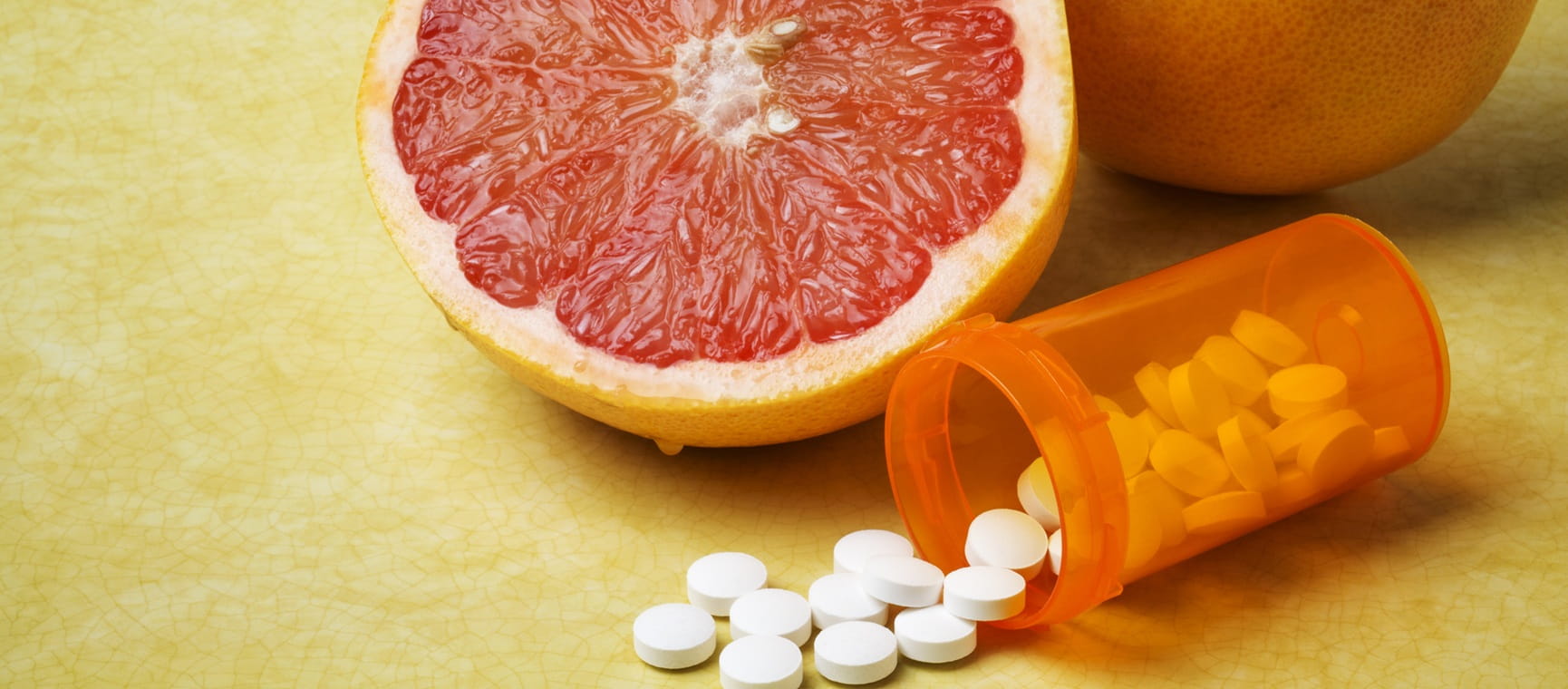
Our expert guide to the common foods you shouldn't mix with prescription drugs.

Experts reveal whether chilled supermarket soups are worth the extra cost and if some flavours are better for you than others.

Looking after your gut health could be one of the biggest things that you can do for your overall health. Here are the best foods to keep your gut happy.
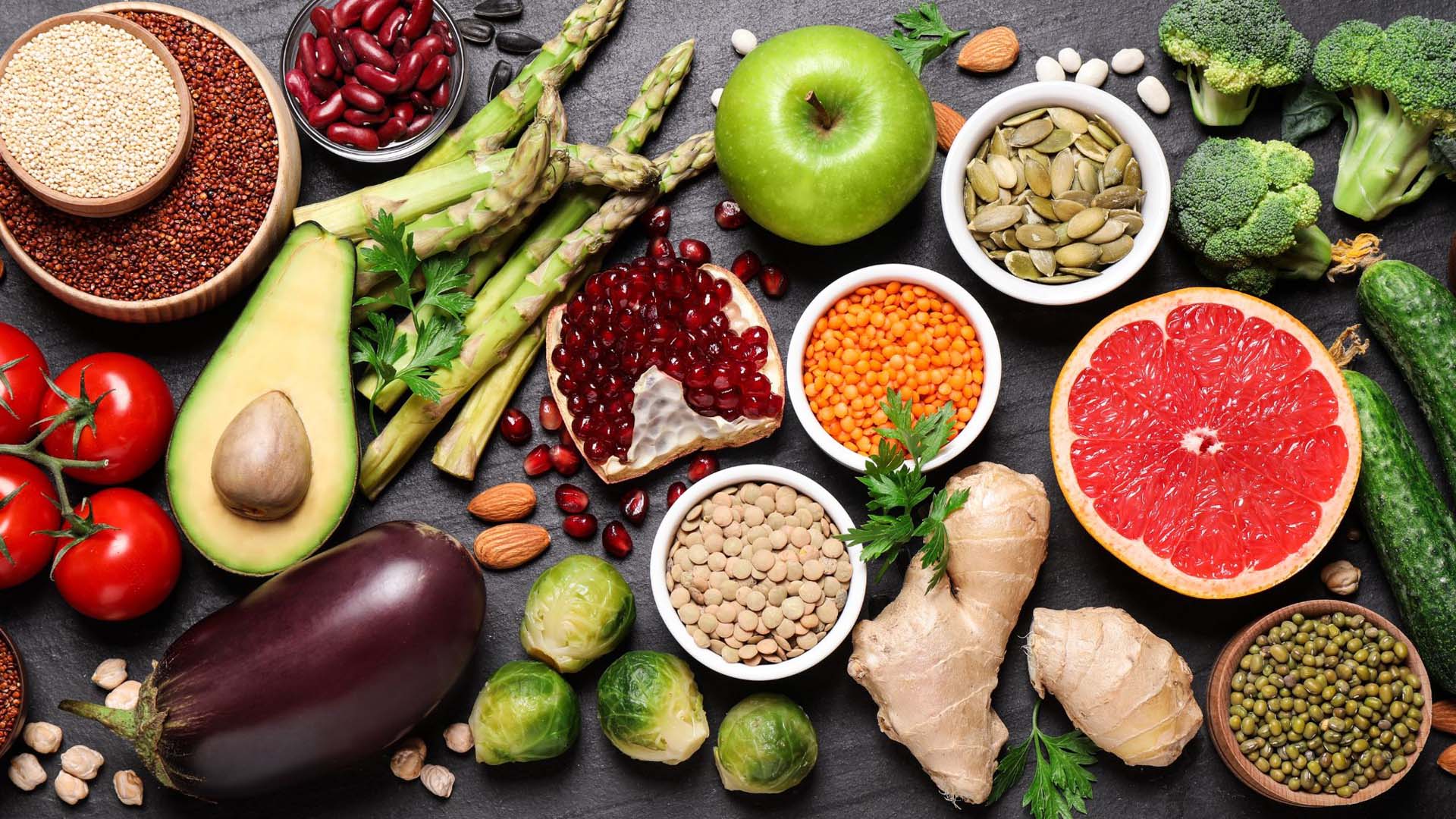
The foods that could help you live longer and protect against chronic illness.


A dietician reveals which foods can help protect vision and prevent age-related eye conditions.
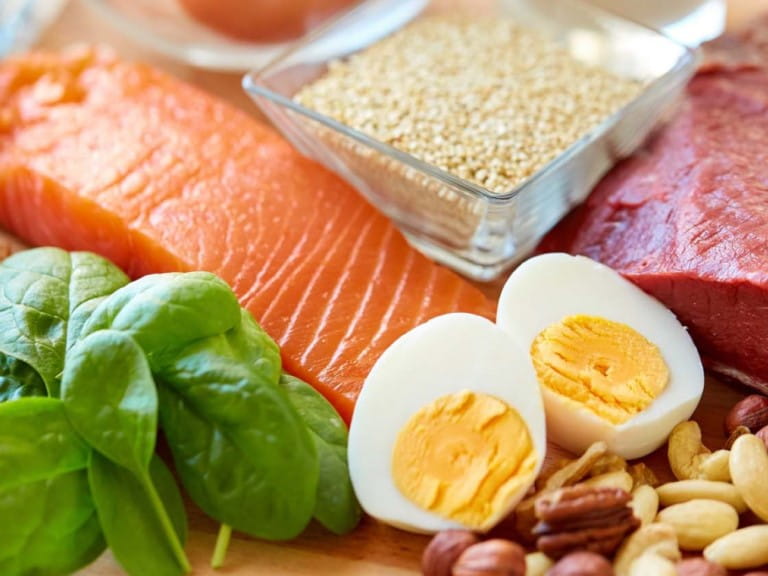
Everything you need to know about protein, from how it benefits your body to the best high-protein foods – and how much you really need.