6 healthy spices that can help tackle age-related health problems
Spices such as ginger, cardamom and cinnamon have traditionally been used to treat everything from arthritis to high blood pressure. But can they really improve your health?
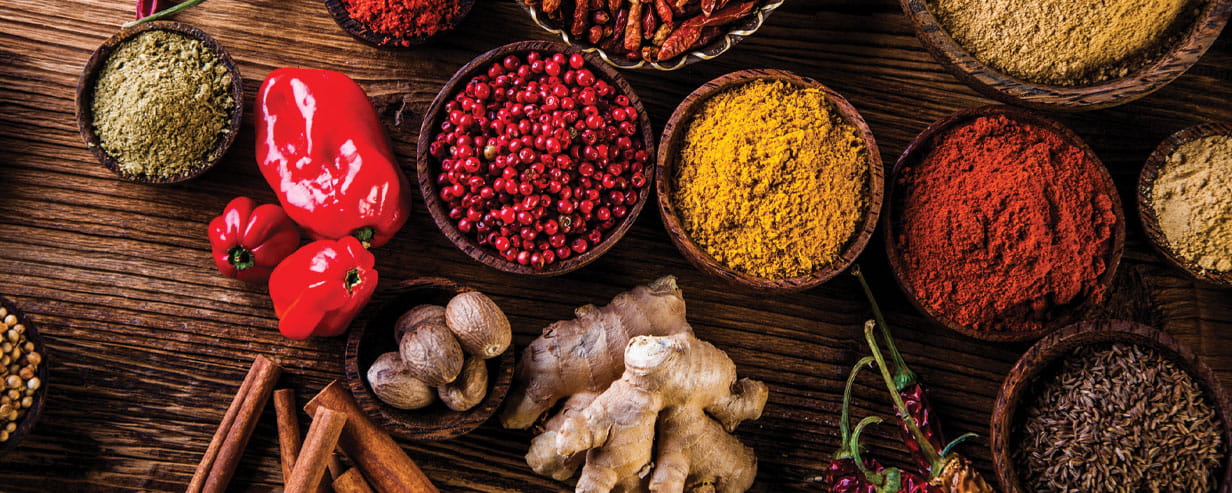
Ginger has been used for centuries in Chinese and Ayurvedic medicine and it’s also one of the most studied spices in Western medicine, too.
“Most of the arthritis studies have looked at osteoarthritis, specifically knee pain,” says Leni Wood, head nutritionist at Nellsar Care Homes.
“In a trial by the University of Miami, 247 patients took ginger supplements for six weeks, and 42% had less knee pain after walking, and took less pain medication. It works in the same way as non-steroidal anti-inflammatory drugs such as ibuprofen, by blocking inflammatory pathways and numbing pain receptors.”
A Hungarian study in 2024 linked the pain-reducing capabilities of ginger to the anti-inflammatory compounds it contains, particularly shogaol, an antioxidant only found in dried or heat-treated (not fresh) ginger.
Supplements of concentrated ground ginger or extracts of ginger have been used in most scientific studies so that very high doses could be administered (more than 500mg daily in the Miami trial).
However, the amount needed to address inflammation in the wider population is much lower, with an Iranian study finding that just 2g a day of ground ginger (approximately 1 teaspoon) significantly reduced inflammatory markers in people with Type 2 diabetes.
“Chilli peppers contain capsaicin, an active compound that encourages the production of beneficial bacteria and reduces harmful bacteria in the gut – this is useful as we age because our microbial diversity naturally declines,” explains Dr Alison Grimston, head of functional medicine at Dr Finlay’s Private GP Practice.
“Capsaicin increases a type of bacteria called Akkermansia, which strengthens the gut barrier. Higher levels of Akkermansia have been linked to lower body fat and healthier blood sugar levels.”
People with sensitive stomachs should be cautious as chilli can act as a metabolic stimulant, which speeds up gut transit.
“You only need a small amount a few times a week, it doesn’t need to be daily,” says Dr Grimston.
“If you don’t tolerate heat, mild chillies give the same health boost.”
A GP provides expert insights into the role they play in our lives and and answers your most common questions
“Turmeric contains curcumin, a polyphenol that helps to dampen inflammatory pathways in the body, reduce cytokines (inflammatory signalling molecules), and reduce oxidative stress,” explains Dr Grimston.
“As we age, we experience low-grade chronic inflammation, leaving us at higher risk of osteoarthritis, cardiovascular disease and cognitive decline. Turmeric can help to gently calm that process.”
A Chinese meta-analysis found that using curcumin in treating chronic diseases including arthritis, psoriasis, and irritable bowel disease can cut the inflammatory response and improve symptoms, relieve pain and speed recovery.
Because turmeric contains such tiny amounts of curcumin (2-6%), supplements are used in medical trials. Taken as a medicine, a common curcumin dose is 400 to 600mg three times a day, the equivalent of 15g of turmeric powder (up to 6 teaspoons).
To cut inflammation, try a dose of 800mg daily. Up curcumin’s bioavailability by eating it with black pepper and healthy fats.
“Eating it in the diet is safe, but check with a doctor before taking a supplement,” says Wood. “Turmeric can block iron absorption so I wouldn’t recommend if you’re anaemic.”
Do not take curcumin supplements if you are on blood thinners and check with a GP/pharmacist if you are on blood pressure medication.
Extracted from crocus flowers, this vividly coloured spice has been the subject of several recent medical studies. A large 2024 review by Indian scientists said it was a promising treatment for mild to moderate depression. It’s thought to work in a similar way to antidepressant drugs, keeping the feel-good neurotransmitter serotonin at high levels.
The research backed up findings that saffron has antidepressant qualities akin to prescription SSRIs, including fluoxetine and citalopram. It also has strong antioxidant properties, which can help with inflammation and oxidative stress, both factors implicated in depression.
Most medical studies have used doses of 30mg saffron extract. It would be hard to get this from diet alone, so supplements would be needed, such as Viridian Saffron Extract (30 capsules, £21.35). Talk to a GP or pharmacist first.
Some trials have connected cardamom intake with reductions in systolic and diastolic blood pressure.
“It appears to relax blood vessels, possibly because of the potassium and antioxidants it contains,” says Dr Grimston. “It could also be due to its diuretic properties (increased urination removes water build up and decreases blood pressure).
Blood pressure and arterial stiffness naturally increase with age, so this could help as an adjunct (not a replacement) to medication.”
“I would recommend a half to one teaspoon of ground cardamom a day as part of a healthy diet,” says Dr Grimston.
This crowd-pleasing dried bark is a powerful agent in lowering blood glucose levels, particularly important for those with Type 2 diabetes.
A 2024 study gave obese and pre-diabetic subjects 4g cinnamon a day for four weeks and found that overall glucose concentrations were consistently lower in the cinnamon group than the placebo. There was also a fall in triglycerides (fat in the blood).
The effects were put down to cinnamon’s high polyphenols upping insulin sensitivity.
While subjects were given supplements, the 4g could be gained through diet. Be careful, though, warns Wood: “Most commercially available cinnamon isn’t actually cinnamon at all, it’s cassia.
"Cassia looks, smells and tastes like cinnamon, but it does not have the health benefits and can harm the liver in high amounts.
"Look for Ceylon cinnamon or ‘true cinnamon’.”
Join Dr Mark Porter on Saga’s Experience is Everything: The Health Edition, where he talks to experts about staying healthy and well as we age.
Buy direct and start a new Saga Health Insurance policy by the end of 10 December 2026 to get your first 3 months free. T&Cs apply.
Underwritten by Bupa Insurance Limited.
Exclusively for Saga Magazine subscribers – Save up to £4,300 per person for a limited time.
Join us for the voyage of a lifetime aboard Spirit of Adventure as she embarks on an all-inclusive 73-night cruise around South America in January 2027.
Expert nutritionists break down the most important foods to eat in each decade as we get older.
We reveal the 7 best tinned foods to supercharge your health while saving you time and money.
From ketchup to mayo – how healthy are your sauces? We find out the pitfalls and surprising benefits of our favourite condiments.
Could honey be the sweetest way to supercharge your health this year? Our experts explain the benefits and which to buy.
Our expert guide to the common foods you shouldn't mix with prescription drugs.
Experts reveal whether chilled supermarket soups are worth the extra cost and if some flavours are better for you than others.
Looking after your gut health could be one of the biggest things that you can do for your overall health. Here are the best foods to keep your gut happy.
The foods that could help you live longer and protect against chronic illness.
A dietician reveals which foods can help protect vision and prevent age-related eye conditions.
Everything you need to know about protein, from how it benefits your body to the best high-protein foods – and how much you really need.