9 expert ways to cut your chances of having a stroke
What steps can you take to minimise your stroke risk? Medical specialists offer their best advice.

What steps can you take to minimise your stroke risk? Medical specialists offer their best advice.
Every year more than 100,000 people in the UK suffer a stroke, according to The Stroke Association. It’s one of the leading causes of death and disability in the country and more than two-thirds of survivors leave hospital with some form of disability.
The majority occur in older people, but around 25% of stroke patients are aged 65 or younger when they have their first, down from the age of 67 or younger a decade before. The broadcaster Eammon Holmes was 66 when he was hospitalised with a stroke in April.
And in recent years, cases among the under-55s have doubled. The reasons are still being investigated but longer working hours, stress and anxiety are all thought to play a part.
Strokes occur when the blood supply to the brain is disrupted and brain cells can become damaged or die. If you suspect someone is suffering one, call 999 immediately. The faster the response the better the chance of recovery.
A stroke affects people in different ways, but can affect movement, speech, memory and leave sufferers with long-term fatigue.
But there are simple things we can do to minimise our risk. Two stroke doctors offer their expert advice:
“High cholesterol is a very undertreated risk factor for stroke,” warns Dr Louise Shaw, consultant stroke physician at the Royal United Hospital Bath and president of The British and Irish Association of Stroke Physicians (BIASP). “Everyone should know their readings.”
GP surgeries in England offers patients aged 40-74 the free five-yearly NHS Health Check, which includes fingerprick tests for cholesterol. You can request one from your GP in Wales, Northern Ireland and Scotland if you’re over 40 and haven’t yet had a test.
Your target cholesterol depends on your individual risk factors, which your GP surgery can give you, but if you haven’t had a stroke, the total cholesterol level should be below 5, advises Dr Shaw.
“Some people have an outdated idea of what their cholesterol readings should be,” warns Dr Shaw. “Over time, our targets for cholesterol have been lowered because of increasing scientific evidence of the benefit of greater reduction.”
If your figures are within target (which can be different for each individual), says Dr Shaw, you can wait for a further five years to repeat. But if you have other risk factors, you may need it repeated at least annually.

Atrial fibrillation (AF) can make you five times more likely to have a stroke, according to The Stroke Association.
AF is an irregular heart rhythm that can cause blood clots to form, which then pass into the blood vessels, classically in the brain, causing 25-30% of strokes.
“Apple or similar smartwatches are getting increasingly good at picking up irregular heart rate,” says consultant vascular surgeon at Spire Nottingham Hospital, Dr David Sidloff. “Some blood pressure monitors can, too.”
If your device alerts you to an irregular pulse, consult your GP, Dr Sidloff advises.
Your GP may then refer you for an ECG to check for AF, which if diagnosed, can be managed with blood thinners. Medication can be prescribed, too, to those with an irregular heart rate so clots don’t build up.
“Smoking is a very powerful risk factor for stroke,” says Dr Shaw. The chemicals contained within cigarettes damage cells and can also lead to reduced blood oxygen levels, and contribute to raised blood pressure, cholesterol levels and blood clot risk – all of which increase stroke risk.
It’s thought that smokers are around three times more likely to have a stroke than non-smokers, says The Stroke Association. The good news is that as soon as you quit, your risk of stroke starts to decrease and within around five years can be similar to a non-smoker.
One of the most important factors in reducing your risk of having a repeat stroke and of it having lasting impact is getting medical treatment as quickly as possible.
Dr Shaw says that learning to identify the symptoms can save lives and there is an acronym to help: FAST (Face drooping, Arm weakness, Speech difficulty and Time to call 999).
If you experience these three signs, it is vital to dial 999 immediately. “Time is everything,” says Dr Shaw. “When you experience stroke, 2 million brain cells die every minute.”
Vascular surgery can also reduce the risk of a further, more disabling stroke. Some sufferers will have a blockage in the artery in the neck. “Clearing that out and widening the artery carries one of the largest benefits in terms of stroke reduction,” says Dr Sidloff.

“High blood pressure is one of the most common risk factors for having a stroke,” warns Dr Shaw. It can lead to stroke by causing changes in the walls of blood vessels, which can lead to both blockages and rupture, and also by causing damage to the heart, which increases the risk of heart failure and atrial fibrillation.
Check it at least twice a year at home and in a clinical setting as some people’s blood pressure goes up when they’re in a medical environment, Dr Shaw advises. And take it at different times of the day and when you’re relaxed as well as after you’ve been physically active.
“For most people, including those in their 60s+, your target blood pressure will be below 140/85,” advises Dr Shaw. “But if you have diabetes or kidney problems in particular, we would want it to be below 130/80. Your GP can give you your target.”
Dr Shaw recommends buying a monitor that is UK-approved (validated by the British and Irish Hypertension Society or BIHS). You should check the arm cuff is the right-size, too. Most are medium-sized but if your arm is much larger or smaller than average, you may need to buy a different size for a correct reading.
Keeping track of your readings is vital, too, alongside the date, time and location they were taken so you can share this with your doctor.
Eating a balanced diet is key for general health but there’s good evidence that it’s highly beneficial for your heart and blood vessels, which keeps the brain healthy and therefore reduces the risk of stroke.
“Salt really increases blood pressure, which is associated with increased risk of stroke,” says Dr Shaw, “And where you’ll find a lot of salt is in Ultra Processed Foods or UPFs.”
The best approach, she advises, is to prepare food yourself so you know what’s in it. And if you are buying shop-bought food, go for those with fewer ingredients and are fresher. Long-life sliced bread for example has far more in it than fresh. You can always freeze fresh foods if you can’t finish them up.
“The worst thing you can do as you age is to stop moving both for stroke-risk and general health,” warns Dr Shaw. Exercising lowers cholesterol, stabilises blood sugar, lowers blood pressure and boosts heart health. Plus, if you have a stroke, being fitter means you are more likely to have a better recovery.
The NHS advises that we do at least 150 minutes per week of moderate exercise, which for many can feel like unachievable but Dr Shaw advises starting small: “Find something you enjoy that fits into your daily routine.
“Taking a walk on most days of the week will make a big difference and then you can add some activity that is a bit more strenuous, such as running and swimming or gardening, digging and raking up. The key is to push yourself a bit, so you’re slightly breathless.”
“Alcohol is damaging to the brain. It shrinks it and damages the vessels, making a stroke more likely,” says Dr Shaw. It also raises your blood pressure, which contributes to around half of all strokes in the UK, according to The Stroke Association. Plus it increases your chances of developing Type 2 diabetes and atrial fibrillation, which are both linked to stroke.
Government guidelines advise both men and women to drink no more than 14 units per week but Dr Shaw says this should be spaced out, too.
“Drinking 14 units in one night is more damaging for the body than drinking it across three days.”
Dr Sidloff adds that excess drinking may impact the liver’s ability to clot blood, which makes your blood vessels more likely to bleed, causing stroke.
“Being overweight increases your stroke risk in all sorts of ways,” suggests Dr Sidloff. “If you are carrying more weight, you tend to move less, which means your heart health will suffer. If you are consuming less healthy food, your risk of blood pressure is increased. And if you’re consuming too much sugar, your risk of diabetes increases, which is linked to stroke risk because it plays havoc with cholesterol and blood sugar levels.”
There are lots of genetic factors to do with how much you weigh. “So it’s not necessarily entirely in your control,” says Dr Sidloff. “But trying to keep a healthy weight will pay dividends.”
(Hero image credit: Getty)

Some Saga holidays include soothing or spiritual activities like joining a traditional tea ceremony in Japan, practising yoga in India or bathing in Iceland’s Blue Lagoon.

Buy direct and start a new Saga Health Insurance policy by the end of 10 December 2026 to get your first 3 months free. T&Cs apply.
Underwritten by Bupa Insurance Limited.

Are you retiring at the wrong age? The best age to retire for your body, brain, happiness and pocket.


Everything you need to know about the lung infection, and how you could be ill with “walking” pneumonia without realising it.
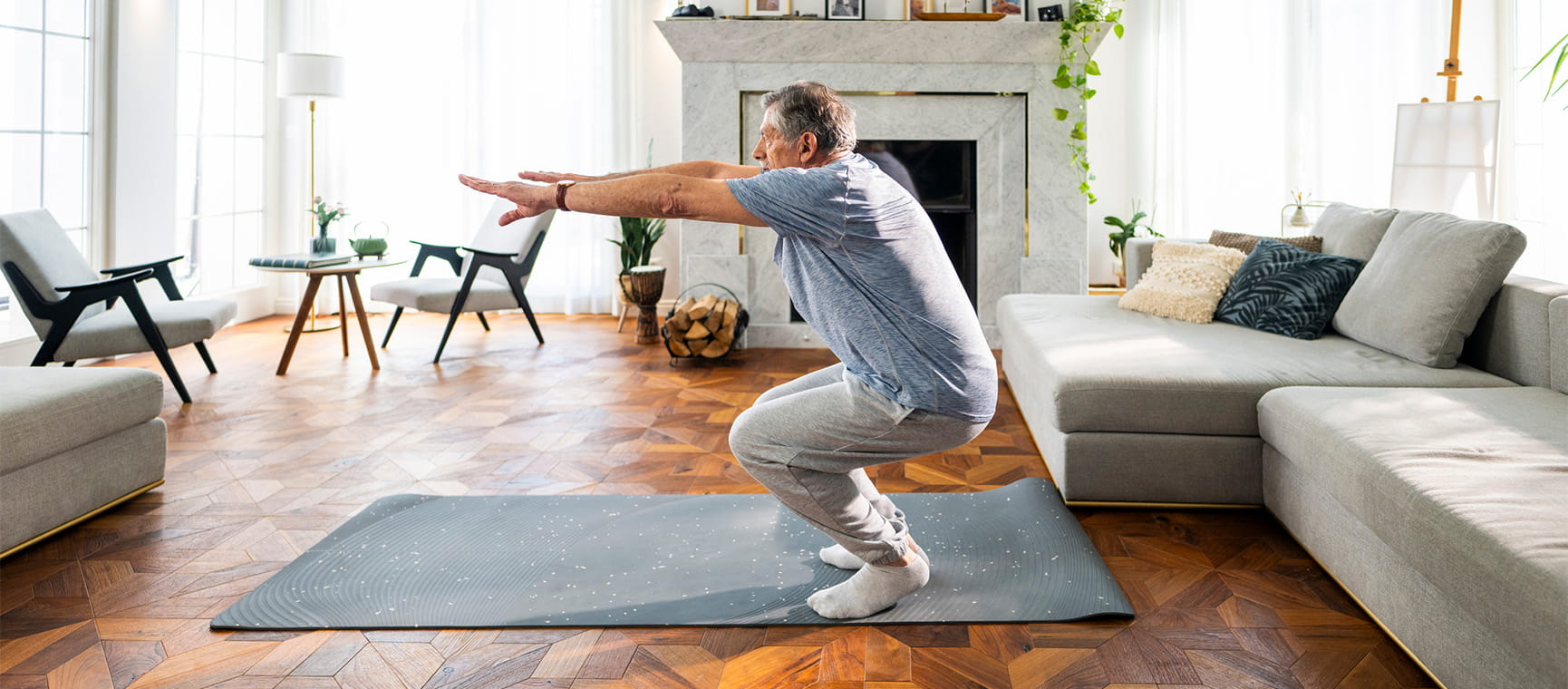
Strong calves for a strong mind: how they support our circulation and brain health, with easy moves to strengthen yours at home.


Our GP Dr Mark Porter explains what can cause itchy skin, which is a common problem as we get older.

Worried you’ve morphed into Victor Meldrew? Find out how to battle that bad mood, and what to do if you’re stuck with a grouchy loved one.

The benefits of heat and cold therapy, and how Nordic bathing won over our nervous writer.

From breathlessness to swollen ankles, a cardiologist explains the warning signs to look out for.

Everything you’re entitled to this year, when you can have it, and the gaps that remain.

Pilates for back pain – what to do if you are suffering, and five gentle exercises that could help.

Dizziness or vertigo: a sensation of spinning, can stop us doing everyday things for fear of falling. Try these tips to stop feeling dizzy


You don’t have to put up with bladder leaks. We try out the latest pelvic floor gadgets for men and women.

Cataracts are a normal part of ageing. Learn how to spot the signs – and when it’s time to consider surgery.