What is matcha – and is it really a healthier alternative to coffee?
The bright green drink may be trendy but is it worth trying? We examine what matcha is, what it tastes like and whether you should swap your morning coffee for it.
If you’ve visited a café recently, you won't have missed different types of matcha drinks on the menu. The vibrant bright green powder is turning up everywhere – in lattes, iced drinks and even desserts.
But if you’re wondering what matcha actually is, and whether it’s something you’d enjoy, you’re not alone.
So should you swap your morning coffee for a mug of matcha? We spoke to the experts to find out what its health benefits really are.
But while matcha may look like the latest wellness trend, it’s actually anything but new. The drink has been prepared in Japan for centuries. And thanks to its unique mix of caffeine, antioxidants and calming compounds, it’s touted as a gentler – and potentially healthier – alternative to coffee.
“Matcha can be an alternative to coffee for some individuals, but it isn’t inherently ‘healthier’,” says Bini Suresh, lead for dietetics and therapy services at Cleveland Clinic London and a British Dietetic Association spokesperson.
“The choice largely depends on personal tolerance to caffeine and overall dietary habits. Current evidence suggests moderate caffeine intake (around 400mg per day for most adults) can be part of a healthy diet.”
Beyond its effect on energy levels, matcha has attracted attention for its nutritional profile.
It also contains L-theanine, an amino acid found naturally in tea. “This has been shown in some studies to promote relaxation and may help attenuate the sharper stimulatory effects of caffeine,” says Suresh.
“This combination may lead to a more sustained energy release and improved alertness, although individual responses can vary.
“Matcha is rich in polyphenols, particularly catechins such as epigallocatechin gallate (EGCG), which have recognised antioxidant properties,” she explains. These compounds are thought to help protect the body from oxidative stress – a process linked to ageing and many chronic diseases.
There is also growing interest in matcha’s potential role in supporting heart and brain health. Research suggests regular consumption of green tea may be linked to improved cardiovascular health, with a study showing a significant decrease of total cholesterol and LDL (often known as “bad” cholesterol).
If you’re used to a classic cup of English breakfast tea or a strong coffee, matcha can taste quite different, largely because it’s made in a completely different way.
Joyce Maina, head of tea at Bird & Blend Tea Co explains: “What really makes matcha different from other teas is that you’re consuming the whole tea leaf in powdered form, rather than just an infusion. This gives it a much more vibrant flavour and a higher concentration of nutrients.”
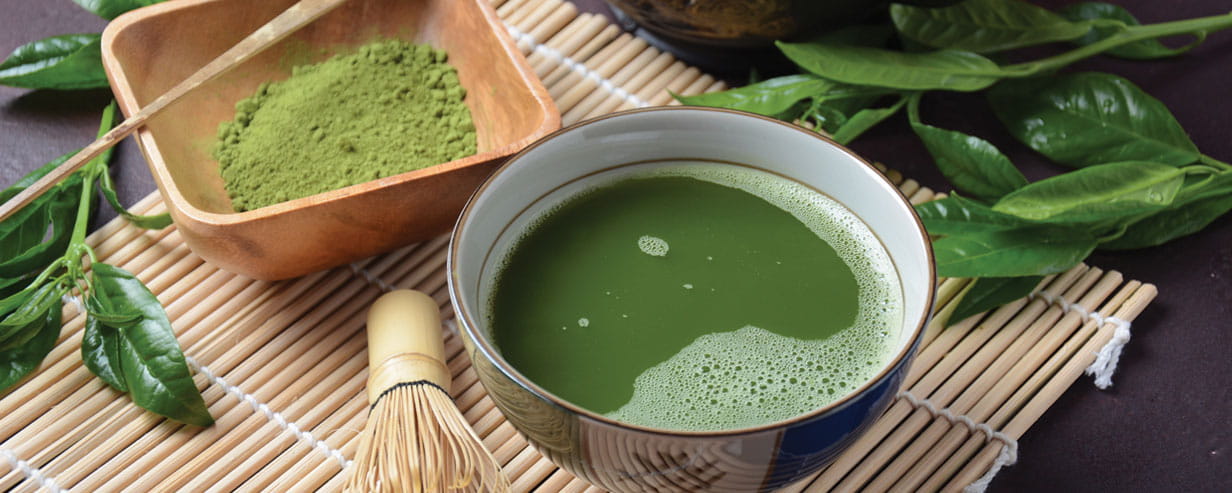
Matcha is produced by growing tea plants in shade before harvest, then grinding the leaves into a fine powder, which is whisked with hot water to create a smooth, frothy drink.
As Maina explains, this process is steeped in tradition: “Matcha has been enjoyed for hundreds of years as part of the Japanese tea ceremony, originally for its ability to help monks stay alert during meditation.”
In terms of taste, matcha is often described as slightly grassy with a gentle bitterness and a savoury note known as umami. Bird & Blend describes it as “earthy and vegetal”, with a subtle natural sweetness.
The flavour depends largely on quality. Premium “ceremonial grade” matcha tends to be smoother and more delicate, whilst cheaper varieties can taste more bitter.
For beginners, the easiest introduction is often a matcha latte. The powder is whisked with a small amount of hot water, then combined with warm milk to create a creamy, slightly sweet drink. If you enjoy coffee, many people find matcha becomes an easy alternative to a cappuccino or flat white.
Many people are now looking for alternatives to coffee that provide energy without the jittery side effects. Matcha has gained a reputation as a drink that delivers a more balanced energy boost.
According to Katherine Swift, founder of matcha brand OMGTea, the drink was almost unknown in Britain when she launched her company a decade ago.
“Nobody even knew what matcha was,” she says. “But as people have become more interested in health and wellness, more are discovering it as an alternative to coffee.”
Swift adds that demand continues to grow as more people rethink their daily habits. “People are increasingly looking for energy without the spikes and crashes, and we’re seeing more people aged 50 and over discovering matcha as part of a wider focus on long-term health and wellbeing.”
Maina agrees: “Coffee drinkers are turning to matcha for a more sustained energy boost without the jittery crash. We’re also seeing more older customers discovering it and enjoying the focused feeling it provides.”
Market researchers now estimate the global matcha market is worth nearly £4 billion.
Matcha does contain caffeine – roughly 40 to 90 milligrams per cup depending on how it’s prepared. That’s less than a typical cup of coffee (around 95mg), but still enough to increase alertness.
Many drinkers find it provides a steadier, more gradual energy boost compared to coffee, without the sharp spike and crash.
“Matcha tea provides a sustained, jitter-free energy boost lasting three to six hours,” says nutritionist Pamela Mason of the Tea Advisory Panel. “It supports calm alertness and improved cognitive function.”
If you’re curious about matcha, the good news is that it’s simple to prepare and easy to adapt to your usual routine.
Matcha powder is widely available in supermarkets and health food shops, making it easy to try at home.
Some Saga holidays include soothing or spiritual activities like joining a traditional tea ceremony in Japan, practising yoga in India or bathing in Iceland’s Blue Lagoon.
Health insurance for people over 50 that provides a quicker route to diagnosis and planned medical treatment in a private facility.
Underwritten by Bupa Insurance Limited.
Expert nutritionists break down the most important foods to eat in each decade as we get older.
We reveal the 7 best tinned foods to supercharge your health while saving you time and money.
From ketchup to mayo – how healthy are your sauces? We find out the pitfalls and surprising benefits of our favourite condiments.
Could honey be the sweetest way to supercharge your health this year? Our experts explain the benefits and which to buy.
Our expert guide to the common foods you shouldn't mix with prescription drugs.
Experts reveal whether chilled supermarket soups are worth the extra cost and if some flavours are better for you than others.
Looking after your gut health could be one of the biggest things that you can do for your overall health. Here are the best foods to keep your gut happy.
The foods that could help you live longer and protect against chronic illness.
A dietician reveals which foods can help protect vision and prevent age-related eye conditions.
Everything you need to know about protein, from how it benefits your body to the best high-protein foods – and how much you really need.