The 5 drinks that could be keeping you awake
Experts explain the drinks that could be stopping you sleeping, with simple swaps for a restful night.
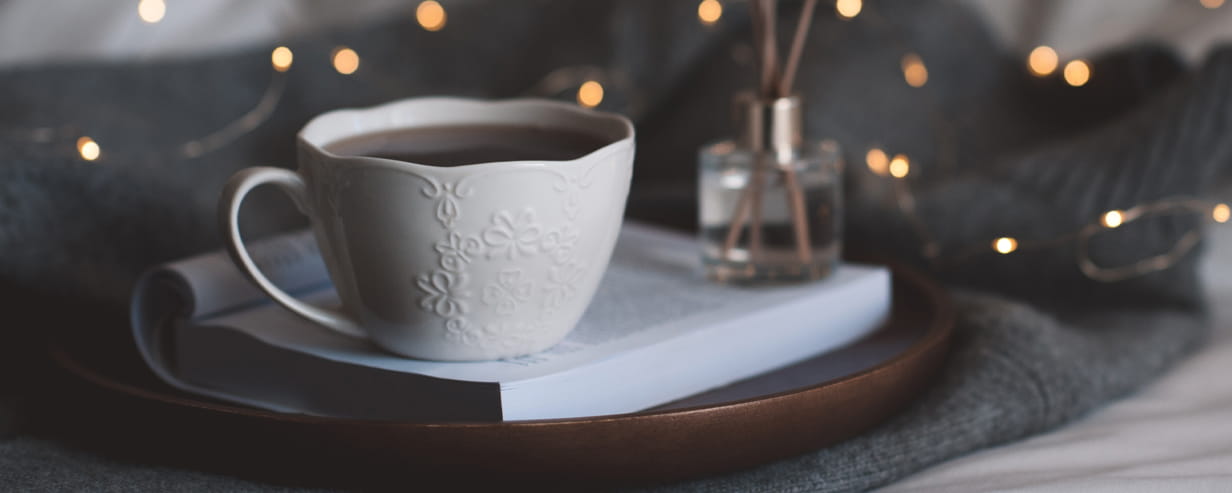
Experts explain the drinks that could be stopping you sleeping, with simple swaps for a restful night.
We all know that a coffee before bed is not conducive to sleep, but you might be surprised to hear that your morning pick-me-up can also still have an effect hours later. And what about a glass of wine or a nice cup of tea before bed? With so many headlines about how to sleep well, the advice can become confusing.
Sleep health epidemiology researcher Adrian Zacher, who’s conducting a study on how well we sleep, advises a common-sense approach to bedtimes. “Avoid sugar and caffeine – and don’t go to bed too early,” he says.
“Think about what time you want to wake up. So, if you go to bed at 9pm, the chances are you’re going to wake up in the night because you’ve already had your eight hours.”
If you’re struggling with sleep, it might be time to overhaul what you’re drinking, so we asked the experts what to avoid and what to sip instead.
While alcohol in moderation has health benefits, a night cap can not only disturb our sleep, but it can also have a knock-on effect for the following night.
“Alcohol interferes with the actual architecture of sleep, so you’re not going to get into the deeper, more restorative levels you need,” says Zacher. “Think about how you’re going to feel the morning after – it’s more than a hangover.
“If you feel lousy the next day, you want to go to bed earlier because you’re falling asleep on the sofa, and you wake up at 3am and start fretting about not feeling good in the morning.”
Although hot chocolate is touted as a relaxing bedtime drink, it could actually keep you awake. But the good news is that it’s the added sugar, not the chocolate itself, that’s the culprit.
“Cocoa has a tiny stimulant effect, but it’s of no consequence,” says Zacher. “If it contains sugar, though, that’s going to give you a rush you don’t need at bedtime. Read the label and check what’s in it.”

Mid-afternoon feels like the right time for a nice cup of tea, but if you’re really serious about sleep, you’ll need to go for decaffeinated because caffeine stays in your system for five hours or more.
“I’m a tea-holic and I love a coffee, but I have a rule of no caffeine after noon,” says Zacher. “Caffeine has a long half-life, which means it’s still in your bloodstream if you’ve had a cup of tea in the afternoon.”
Timing is everything when it comes to drinking coffee. In the morning, it’s your friend, but steer clear later in the day.
“I hit the coffee hard in the morning, but I’m trying to wean myself off it, so I stop drinking it at 10am,” says Zacher.
“A caffeine jolt gets you going, but it won’t drive you into sleep in the evening. So, if you feel like you have a sleep problem, cut it out altogether or opt for decaf.”
Night-time is not the right time to hydrate – you need to be doing that earlier on in the day. “Front-loading your liquid intake during the day is best because if you drink water before bed, that’s going to exacerbate your night-time urination,” says Zacher.
“If night-time urination is a problem, or you have any worries around your sleep, flag it to your GP. Multiple wees in the night could be a symptom of obstructive sleep apnoea, and for a man, you’ve got to think about your prostate.”

So what should we be drinking to relax us in the evening? Sleep expert Dr Deborah Lee, who works with Comfybedss, says that timing is important: “A small calming drink as part of a relaxing evening sleep routine can be simple and effective, but still aim to have it an hour or two before you get into bed, because you don’t want to wake up for a wee in the middle of the night.”
Cherry juice is enjoying a buzz on social media, so you’ll need to hunt it out in your local supermarket, but Dr Lee insists it’ll be worth the effort. “It’s one of the few drinks that naturally contain melatonin, the hormone that regulates the body’s sleep-wake cycle,” she explains.
If you’re looking for an alternative to your traditional cuppa, try this herbal tea instead.
“Chamomile contains an antioxidant called apigenin, which binds to receptors in the brain that promote sleepiness and reduce insomnia symptoms,” says Dr Lee. “This is why it’s one of the most widely recommended bedtime drinks.”
Go retro with this comforting childhood favourite. “Milk contains tryptophan, an amino acid that helps the body produce serotonin and melatonin,” says Dr Lee.
“The warmth of the drink can also be psychologically comforting, and form part of a relaxing night-time routine.”
Not a fan of dairy? Switching to an almond drink has its bedtime benefits, according to Dr Lee: “Almonds are naturally rich in magnesium, which helps relax muscles and calm the nervous system. That can make it easier to fall asleep.”
“Peppermint tea is naturally soothing and can help with digestion, which can often keep people up at night,” says Dr Lee.
“Improving digestion may help you sleep a lot more comfortably.”
(Hero image credit: Getty)


Buy direct and start a new Saga Health Insurance policy by the end of 10 December 2026 to get your first 3 months free. T&Cs apply.
Underwritten by Bupa Insurance Limited.

Some Saga holidays include soothing or spiritual activities like joining a traditional tea ceremony in Japan, practising yoga in India or bathing in Iceland’s Blue Lagoon.

Are you retiring at the wrong age? The best age to retire for your body, brain, happiness and pocket.


Everything you need to know about the lung infection, and how you could be ill with “walking” pneumonia without realising it.
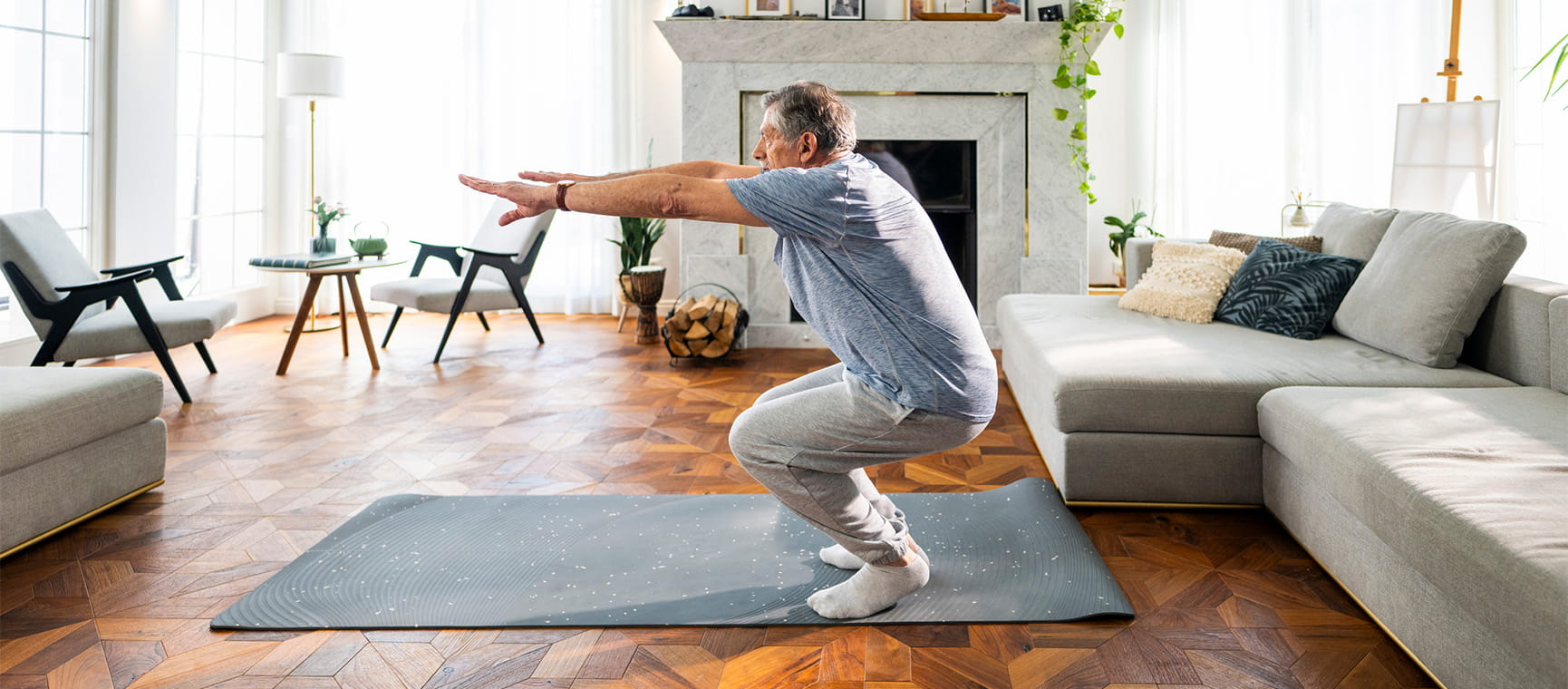
Strong calves for a strong mind: how they support our circulation and brain health, with easy moves to strengthen yours at home.


Our GP Dr Mark Porter explains what can cause itchy skin, which is a common problem as we get older.

Worried you’ve morphed into Victor Meldrew? Find out how to battle that bad mood, and what to do if you’re stuck with a grouchy loved one.

The benefits of heat and cold therapy, and how Nordic bathing won over our nervous writer.

From breathlessness to swollen ankles, a cardiologist explains the warning signs to look out for.


Everything you’re entitled to this year, when you can have it, and the gaps that remain.

Pilates for back pain – what to do if you are suffering, and five gentle exercises that could help.

Dizziness or vertigo: a sensation of spinning, can stop us doing everyday things for fear of falling. Try these tips to stop feeling dizzy


You don’t have to put up with bladder leaks. We try out the latest pelvic floor gadgets for men and women.

Cataracts are a normal part of ageing. Learn how to spot the signs – and when it’s time to consider surgery.