I flew in a Spitfire and made a lifelong dream come true
Jeremy Taylor has a lump in his throat as he finds out what its like to fly in Britain’s most iconic aircraft, the Spitfire, in the skies where the Battle of Britain was fought.
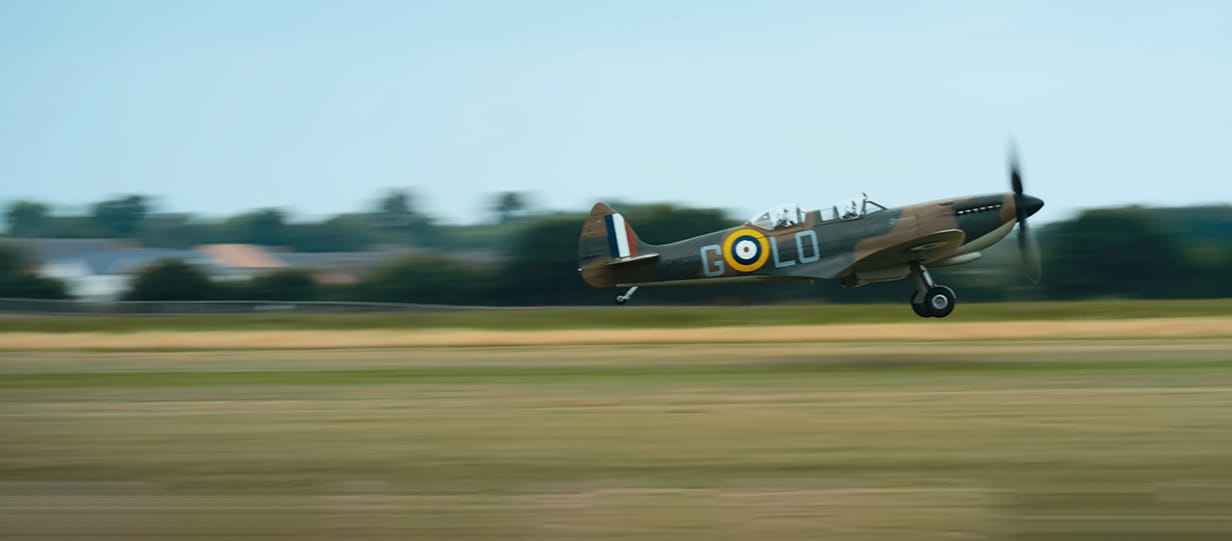
Jeremy Taylor has a lump in his throat as he finds out what its like to fly in Britain’s most iconic aircraft, the Spitfire, in the skies where the Battle of Britain was fought.
Most of us have a bucket list of cool things we want to do before we die.
Perhaps watch the Northern Lights, ride Route 66 on a Harley-Davidson, climb to the base camp of Mount Everest or treat your family to the holiday of a lifetime. For me, top of the list by some distance was always a flight in a Spitfire.
The dream began when I was a child, making Airfix models beside my father. Those cack-handed attempts usually ended in tears, with glue and paint splashed across our dining table.
Thanks to my job as a journalist, I’ve been lucky enough to fly with the Red Arrows, land a helicopter on an aircraft carrier and perform aerobatics in biplanes. Thrilling adventures all, but that fascination with the most famous fighter aircraft of all time never diminished.
Making a model aircraft would still be an achievement today but flying a proper big boy’s toy, a real-life Spitfire, over the same countryside where the Battle of Britain was fought in the summer of 1940? That would be very special indeed.
The first Spitfire flew in March 1936, and more than 20,000 were eventually commissioned by the RAF. The vast majority were single-seater aircraft but many of the 70 or so Spitfires still flying today have been adapted to carry a passenger, so I’ve travelled to Goodwood Aerodrome in the Home Counties to achieve my flight of a lifetime.
Spitfires.com runs a fleet of three dual-seaters, as well as a pair of single-cockpit models and a simulator.
The £330,000 digitalised replica allows cost-effective pilot training, or Spitfire “flights” for those who want the experience without leaving terra firma.

During the war, the Goodwood Aerodrome was called RAF Westhampnett and housed two RAF fighter squadrons during the Battle of Britain.
When the conflict ended, the outer perimeter road became the famous motor-racing track Goodwood Circuit, now home to the Goodwood Revival motorsport event, run by the Duke of Richmond.
The corridor into the hanger is a hall of fame of those who have taken to the skies in a Spitfire. Tom Cruise, Zara Tindall, Cate Blanchett and Prince Harry all feature.
However, pride of place goes to those who flew a Spitfire for the RAF, including Squadron Leader Geoffrey Wellum, who wrote about his experiences in the Battle of Britain in his memoir, First Light.
Mary Ellis, who was a ferry pilot with the Air Transport Auxiliary (ATA), is also featured. Women weren’t allowed to fly combat missions in World War II, but Ellis still left her mark by getting aircraft to frontline airfields.
“It’s remarkable the different ages and kinds of people who want to fly,” says spokesman Matt Ponsford.
“Many have saved for years, others had relatives who were involved during the war – some are already pilots and just want a chance to experience the unique thrill of a Spitfire.
“There’s no upper age limit – we flew a 101-year-old once! The passenger just needs to be healthy enough and under 6ft 6in, to fit in the cockpit. They also need to be less than 17 stone, so as not to affect the aircraft’s centre of gravity.”
Flights cost from £3,250 for 30 minutes, and the company operates all around the country.
“Maintenance, aviation fuel and insurance are very high – we are flying aircraft that are over 80 years old,” explains Ponsford.

My plane is called Gilda – named after her registration, G-ILDA. She was manufactured at Castle Bromwich in 1944 as a single-seater, stored and then shipped to the South African Air Force after the war. Following a major crash, the wreckage was salvaged and converted to a twin-seater model in the early 2000s.
Gilda isn’t believed to have fired a shot in anger (many Spitfires never saw frontline combat as they were used in training or built towards the end of the war) but today, pilot Tim Granshaw will be showing me how it feels to be a fighter ace.
An airline captain for his day job, he’s also qualified in aerobatics and has spent more than 800 hours flying Spitfires.
Rather than bounding to the plane like an RAF pilot on a scramble, I’m first given a lengthy safety briefing, measured up for a green flying suit – armed with a sick bag in each ankle pocket – and escorted up the steps to the rear cockpit.
The briefing includes instructions on bailing out – release the seat harness, open the canopy and side door, then pull the parachute D-ring after I’ve jumped. I’m glad I wore my contact lenses because the procedure is handily embroidered on the thigh of my flying suit, too.
The Spitfire’s deafening, unmistakable roar is provided by a Rolls-Royce Merlin engine. The 27-litre powerplant has an exhaust outlet for each of its 12 cylinders, sending a flash of flame down each side of the nose on start-up. It also helped give the Spitfire its evocative name.
In front of me, a rash of analogue dials and gauges flicker to attention as the smell of aviation fuel and oil infuse the cockpit. Four propeller blades shudder Gilda into life before we start a slow taxi towards the grass runway.
For such a dynamic aircraft, Gilda looks ungainly on the ground. With two large front wheels mated to a small trailing wheel, the fuselage sits angled towards the sky until the Spitfire attains enough air speed to lift the tail.
The pilot must weave left and right to see ahead – collisions on the ground weren’t uncommon.
As Granshaw finalises his instrument checks and opens the throttle, noise and vibration reach fever pitch. The Spitfire bounces forward along the grass, the famous elliptical wings – designed for speed and agility – lifting us slowly and gently into the air.

It’s difficult to grasp that this graceful aircraft was designed as a killing machine, to engage in aerial dogfights over the very fields that I’m looking down on now.
Below, I can see the coastline that many pilots died defending – it’s sensory overload.
Like many passengers, I have a lump in my throat as Granshaw talks me through our next manoeuvre, the victory roll. Frowned upon by the RAF during the war, the aerobatic twist has since become symbolic of the Battle of Britain.
Looking up at the ground, the blood rushes to my head, and I can feel the G-force pulling at the seat harness as the camouflaged right wing rises above the canopy.
Below, I’m sure a thousand eyes are watching as we skirt the edge of Portsmouth, turn east and head for home. There’s one final treat – Granshaw asks me if I want to fly the aircraft myself.
The rear cockpit is identical to the front, so, gently grasping the control stick situated between my legs, I turn the Spitfire left and right across the skies. It is beautifully simple.
Gilda bunny hops across the airfield as we land and taxi back to the hanger. I need a moment before climbing out; the flight has left me lost for words.
I’m stuck in a haze of patriotic nostalgia, overwhelmed by the emotions of the experience.
After winning the Battle of Britain, Winston Churchill famously called them “the few”, but sadly none of the estimated 3,000 Spitfire pilots remain alive today – Group Captain John ‘Paddy’ Hemingway was the last, and he passed away at the age of 105 in March.
Thankfully, the iconic aircraft that helped keep the enemy from our shores has survived as an enduring symbol of freedom.
A flight in a Spitfire should be on everyone’s bucket list.
(Hero image credit: Chris Corless)

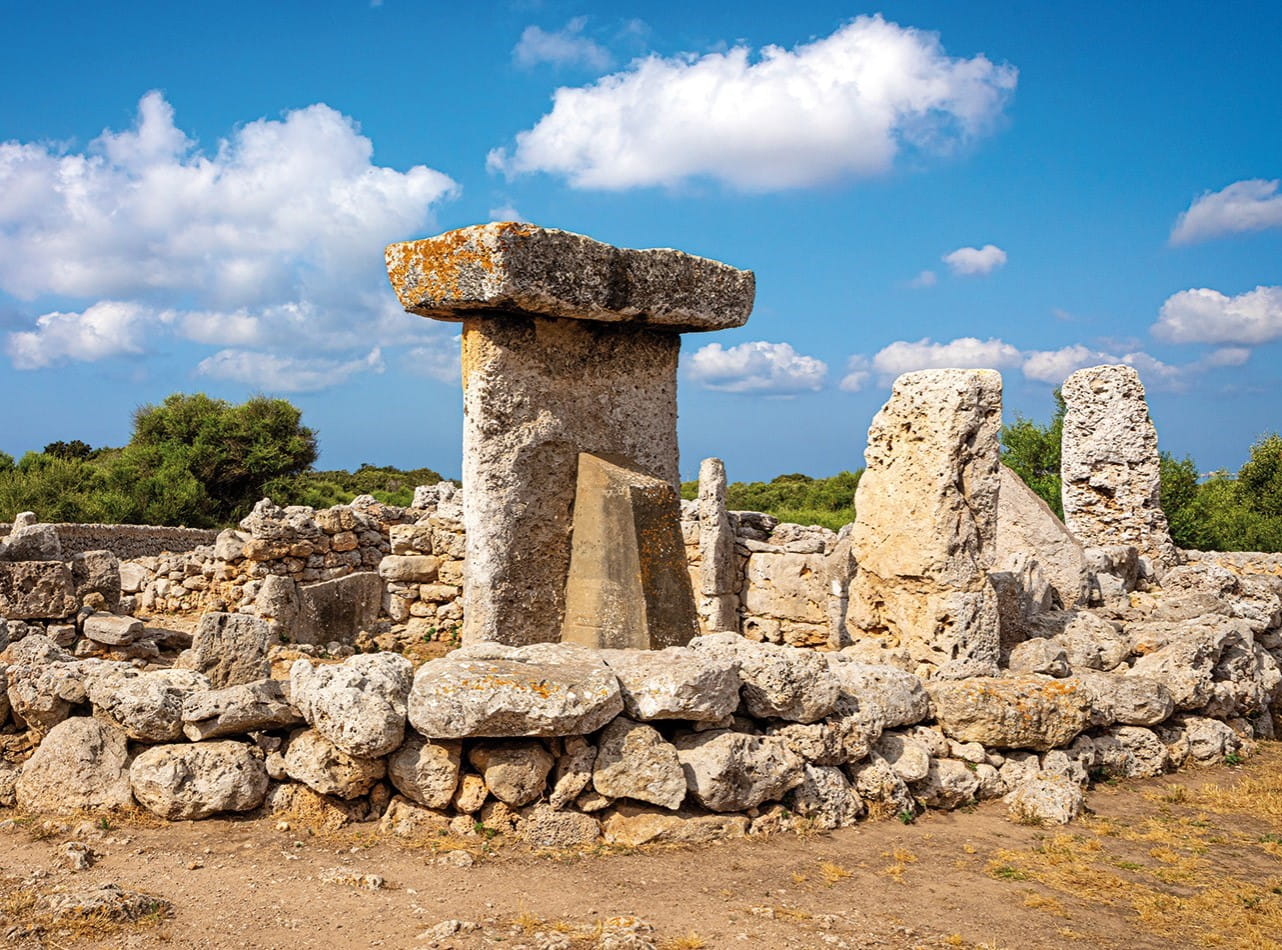
Find out about special interest holidays here...
On Saga’s archaeology holidays, you'll explore artefacts from early European civilisations as expert hosts share stories of famous archaeological sites – along with a few hidden gems.

Your chance to win cruise for two to Cádiz, Casablanca and the Canary Islands, worth more than £9,600.
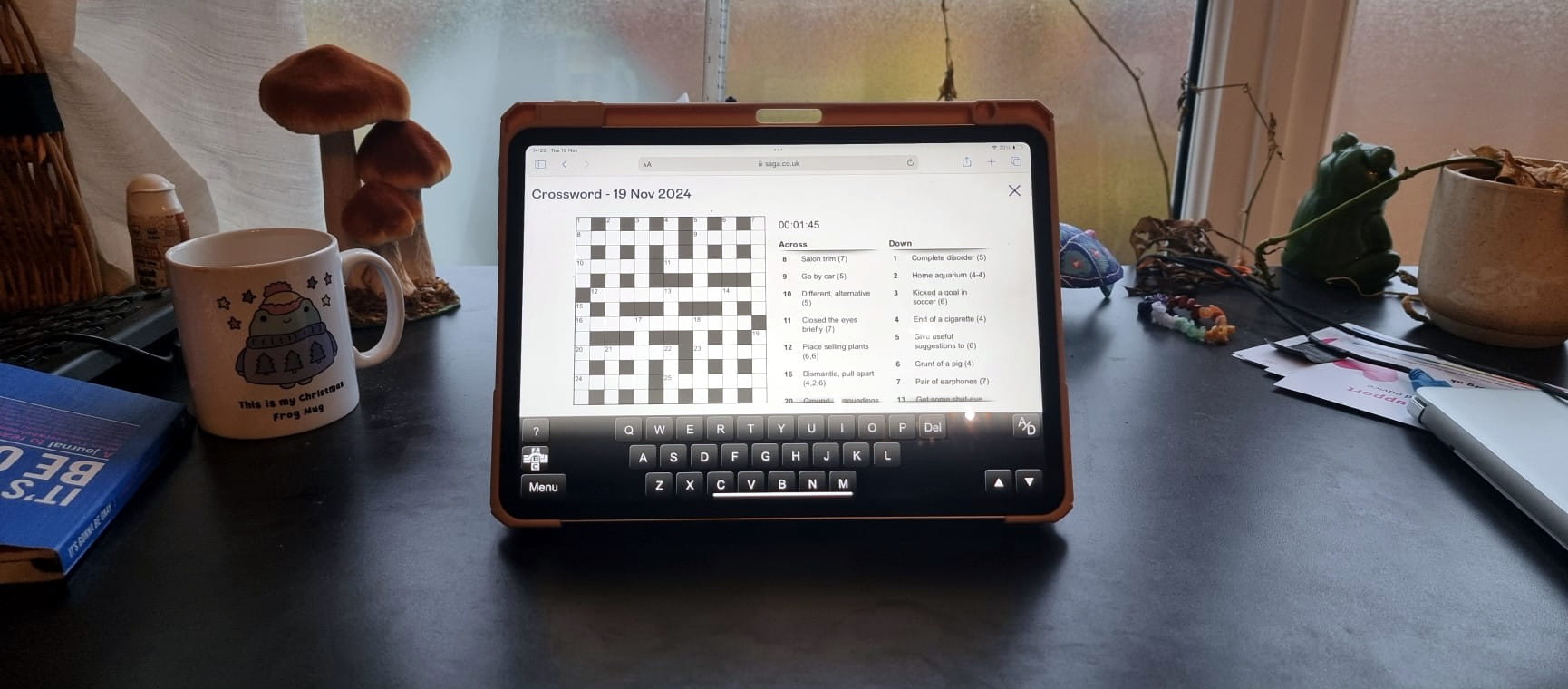
Try these simple tips and fixes for Saga’s crossword, sudoku and codeword puzzles.
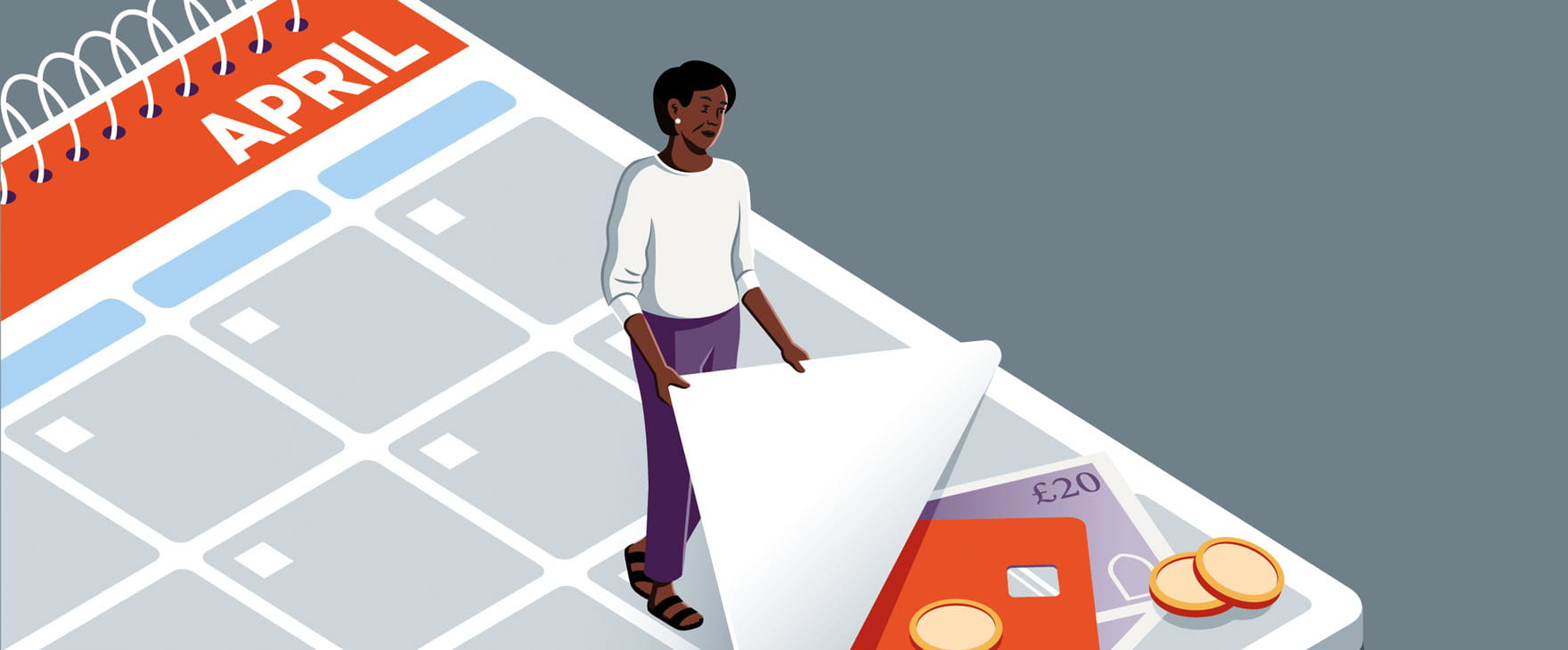
With the start of the new financial year on 6 April, our money expert explains the changes to your pension, benefits and taxes.