Why your postbox could be going digital - and how to use it
Royal Mail’s new solar-powered digital postboxes accept parcels as well as letters. Here’s everything you need to know and why they’ve upset the yarn bombers.
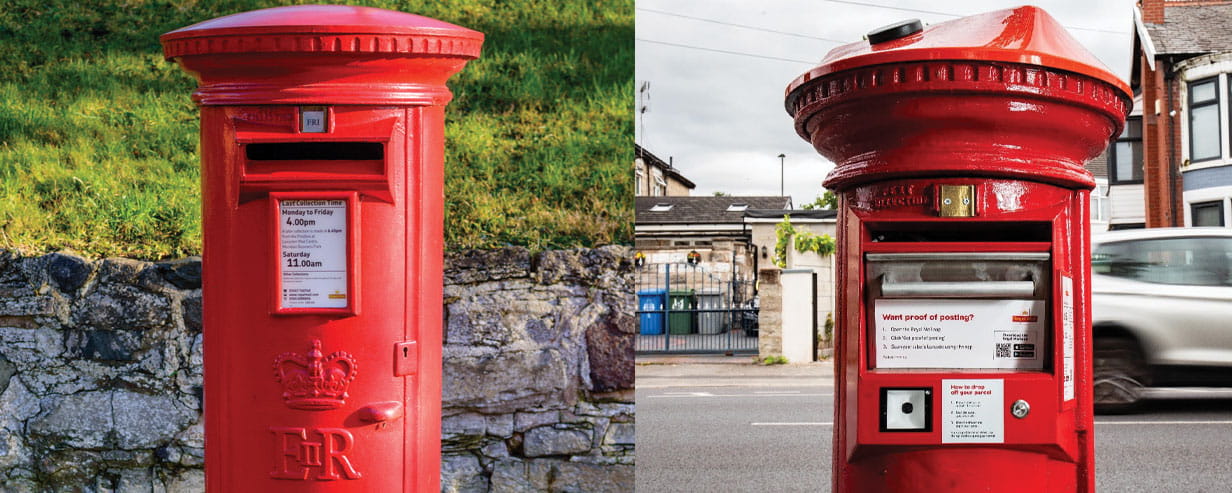
Royal Mail’s new solar-powered digital postboxes accept parcels as well as letters. Here’s everything you need to know and why they’ve upset the yarn bombers.
The design of our trusty red postboxes has remained largely unchanged since Victorian times. Their cylindrical bodies, domed heads and narrow mouths are familiar fixtures on our streets.
Now, though, many of them are being converted for the digital age. The new boxes have a parcel drawer just below the letter slot, and peaked roofs with solar panels. Here, we explain what the upgrade means for you.
Royal Mail plans to convert about 3,500 postboxes out of the 115,000 across the country. The first new-look postboxes were installed last year in Hertfordshire and Cambridgeshire. The rollout will be completed this spring.
Unfortunately, there is no way to tell if your local postbox is getting a makeover: there is no postcode checker or interactive map, and locations can still change.
These boxes can accept shoebox-sized parcels as well as letters. You can still send a letter in the same way, but you can now also deposit a small package just below the letter slot. The drawer is powered by a solar panel on the roof of the postbox.
Sending a parcel involves buying postage online, printing a label and scanning a QR code on the Royal Mail app to open the drawer.
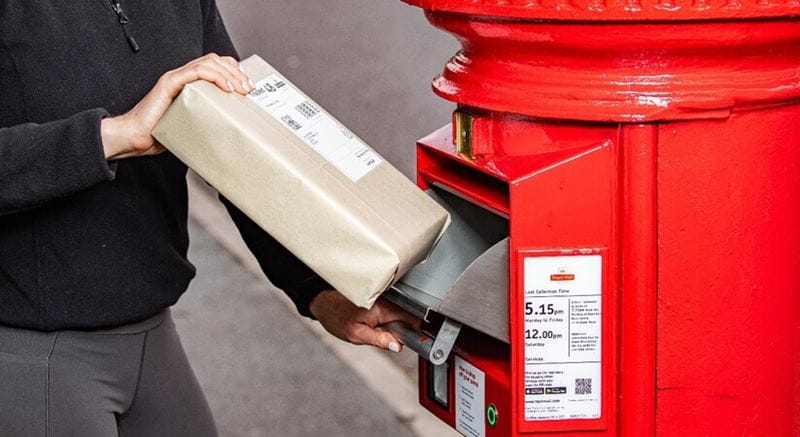
Royal Mail says that you can still send your parcels as before. “Our postboxes of the future complement our existing services,” says a spokesperson. “They offer another convenient way for customers to access Royal Mail’s services, alongside home delivery and collection, our customer service points, post office branches, lockers and Royal Mail shops.”
They are meant as an additional service. Royal Mail and the Post Office have been separate businesses for over a decade, so a new box down the road does not automatically trigger the closure of your local post office.
Natalie Turner, deputy director for localities at the Centre for Ageing Better, a charity working to improve life as we get older, recognises that the upgrade comes with risks. “At Ageing Better, we don’t want to see innovation stifled,” she says. “But we do want organisations to be aware of the risks of exclusion when delivering new innovations, and ensure that mitigation is made.”
Many older people might be happy using the service. Two thirds of over-65s, Turner notes, have a smartphone, and more than half of 65-74-year-olds shop online at least once a month.
But this doesn’t account for everyone. “Some older people can be at risk of digital exclusion,” Turner explains. “Over-55s make up 94% of the 4.5 million people who have never been online. The important thing is that this innovation is seen as an additional offer for Royal Mail customers and is not seen as a replacement for post offices.”
While the new design still has a slot for letters, the peaked roof with solar panels means that yarn-bombers have had to come up with new plans for their postbox toppers. Knitted elephants or flowers might not be essential to our way of life, but they are much-loved by communities and a source of pleasure for crafters across the country.
“When I first saw the black plastic wrapping around my local postbox in January, I was so disheartened and sad,” says Syston Knitting Banxy (SKB), an anonymous knitter in Leicestershire, who has made about 120 toppers. SKB’s knits have raised thousands of pounds for charity and have featured in Coronation Street at Christmas for the past four years.

When the new postbox arrived in her town, residents quietly rebelled. Someone started a petition asking Royal Mail to reconsider, garnering 1,360 signatures, while the local MP, wrote to Royal Mail describing how the toppers helped bind the community together. Neither approach worked.
Eventually, the town took matters into its own hands, fundraising to buy a decommissioned cast-iron postbox of its own. It will be unveiled at the end of February. People won’t be able to use it as a postbox, but they will still be able to admire Banxy’s knits.
Some have taken a more philosophical approach. Fiona Barker, an audiologist and picture book writer from Berkshire, has a plan if hers comes under threat. “If and when it does happen to me, I’ll yarn-bomb another piece of street furniture,” she says. She might make some birds to perch on a bench or a locomotive for some railings near the railway station.
Others are sticking to postboxes but adapting their designs. The Barlick Yarn Fairies in Lancashire was one of the first to come up with a new pattern, sharing it on Facebook. “The challenge is to keep the items sewn on upright, as there’s the slope of the panel to take into consideration,” they tell Saga Magazine. “It’s all about thinking outside the box.”
If technology sends you into a spin or you just prefer analogue living, you can still ask your postman to collect parcels from your home.
Royal Mail offers a free doorstep collection service for parcels and many special delivery items when postage is bought in advance. Book a collection online and the postman will pick it up during their usual round.
You can also still go into a Royal Mail customer service point or a post office.
(Hero image credit: Getty/Royal Mail)

Saga offers escorted tours throughout Europe and as far afield as South Africa, Japan, Canada and Australia, plus hotel stays in popular European hotspots including Spain, Portugal, Croatia and Greece.

Why settle for less? Switch up your savings with true easy access and a great rate:
In partnership with NatWest, designed for people over 50. Interest paid monthly.
New customers only. UK residents only.
Try these simple tips and fixes for Saga’s crossword, sudoku and codeword puzzles.
With the start of the new financial year on 6 April, our money expert explains the changes to your pension, benefits and taxes.