I thought I was protecting my money - but it was a scam
Our financial expert on what to do if you've been scammed and whether you can recover your money.

Our financial expert on what to do if you've been scammed and whether you can recover your money.
I recently had a phone call from someone who said they were calling from my bank’s fraud team.
They told me there had been suspicious activity on my account, and that, to keep my money safe while they investigated, I needed to transfer it to a “secure account”.
The caller was very convincing and even seemed to know personal details, so I followed their instructions and moved the money.
It was only later when I contacted my bank, that I realised the account I’d sent the money to had nothing to do with them. It appears it was a scam. I feel rather foolish that I’ve been taken in like this.
What should I do now, and is there any chance of recovering the money I transferred?
We’ve all had scam calls, suspicious texts or messages online, so you’re certainly not foolish — and far from alone.
Citizens Advice research shows more than seven million of us fell victim to scams last year, with around 20% significantly impacted by the financial loss they suffered.
By contacting your bank immediately you’ve given yourself the best possible chance of recovering the payment. Most victims of this type of scam are now reimbursed under current protections.
You’ve experienced first-hand just how convincing and manipulative today’s fraudsters can be.
“Bank transfer scams” (technically, Authorised Push Payment fraud) involve a scammer convincing someone to transfer money from their bank account to the scammers, for what they believe is a legitimate reason.
A large proportion of this type of fraud begins online. With you, the caller posed as your bank over the phone. Using high-pressure tactics, caller-ID “spoofing” (where the scammer falsifies the phone number or name displayed on your phone) and, increasingly, AI-enabled impersonation, fraudsters pose as people and organisations we trust to steal money.
If you haven’t already, report the scam to Report Fraud, change your password on your online banking account and install any system updates for your phone, tablet and computer. Going forward, keep a close eye out for unusual transactions on your bank account and check your credit reports for applications you don’t recognise.
Scammers are targeting one-time codes that are designed to keep you safe.
Learn how to avoid their tricks.

Most “bank transfer” scam fraud is now covered under rules introduced in October 2024 by the Payment Systems Regulator.
In most cases, banks must refund victims up to a maximum of £85,000 and usually within five working days, unless further investigation is needed. Last year, 88% of the money lost to APP scams was reimbursed to victims.
If your bank turns down your claim, they must show that you acted with ‘gross negligence’ — much more than simply not being careful. It is up to them to prove this, not you to disprove it.
For context, only 3% of claims are rejected on this basis. If you're unhappy with your bank’s handling of your claim, you can complain to the Financial Ombudsman Service.
1. Know the signs. Theses should ring alarm bells:
2. Think before you act on unexpected requests. Stop, hang up and call the centralised number 159 to speak directly to your bank’s fraud team, or use the number on the back of your card.
3. If you feel threatened or in immediate danger, call 999. If it's not an emergency, call 101.
4. Report the scam via Report Fraud, the dedicated police service for cyber-crime and fraud, by calling 0300 123 2040 or at Report Fraud. If you live in Scotland, call Police Scotland on 101.
5. Accept support. You’ll be asked by the police if you want your details to be passed on to Victim Support. However technically-savvy you consider yourself, these advisors deal with the emotional and practical impact of financial scams every day — it’s worth accepting their help. You can also contact them directly on 08 08 16 89 111, or Age UK on 0800 678 1602 and Citizens Advice on 0808 223 1133.
6. Keep records. Note all contact and correspondence between you and the scammer. This will be useful when you ask your bank to reimburse you.
In a nutshell, as Stop Scams UK’s Pritie Billimoria says: “Pause and think before acting on unexpected requests, particularly where money or personal or financial information is involved. Your bank will never ask you to move money.”
Hero image credit: GettyImages


Your chance to win cruise for two to Cádiz, Casablanca and the Canary Islands, worth more than £9,600.
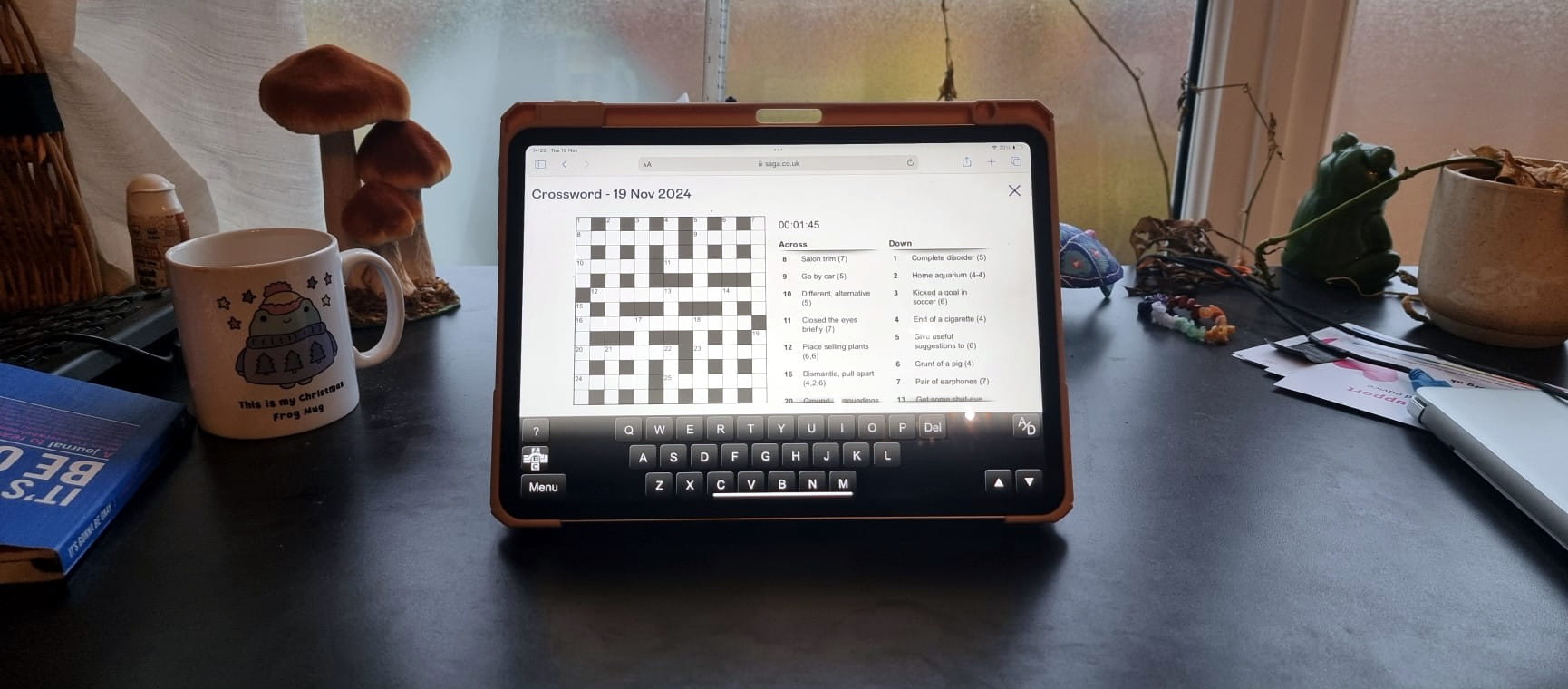
Try these simple tips and fixes for Saga’s crossword, sudoku and codeword puzzles.
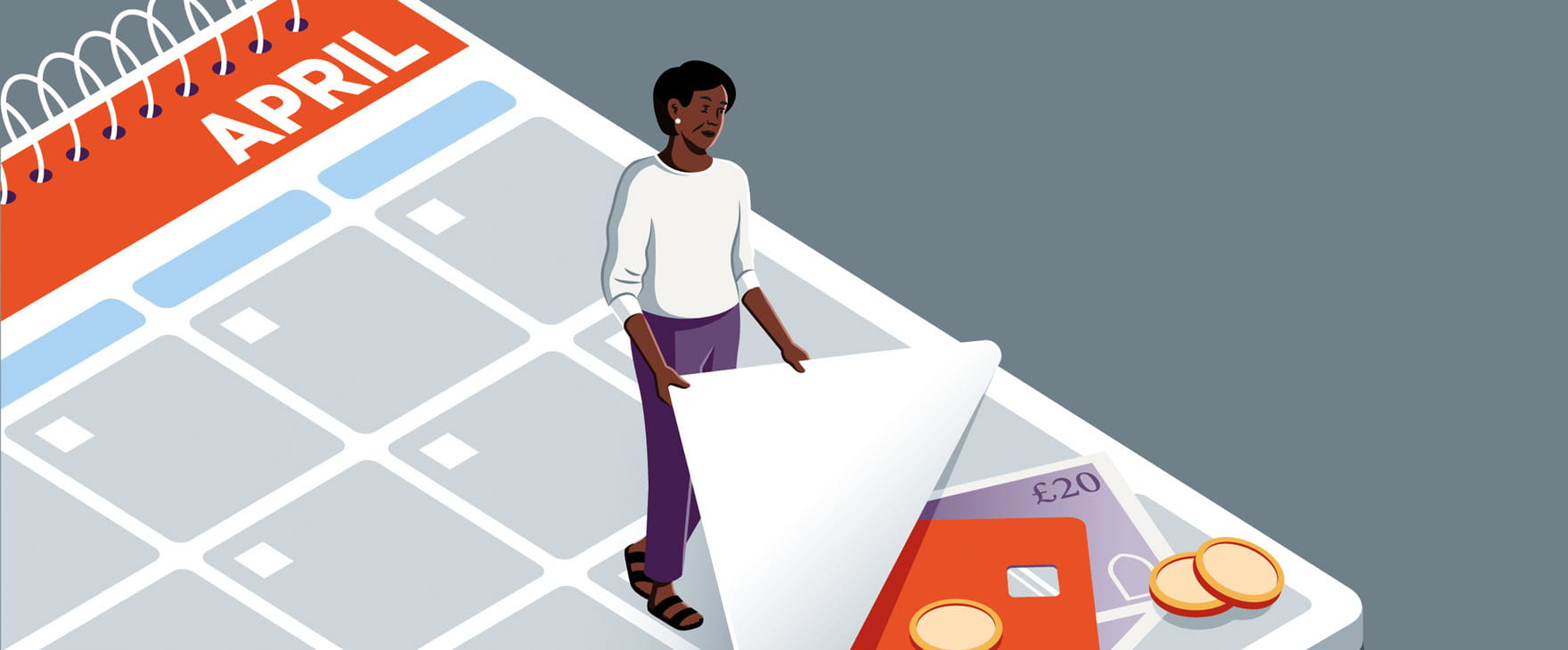
With the start of the new financial year on 6 April, our money expert explains the changes to your pension, benefits and taxes.