Susie Dent is star-struck by the origin of some common words
“We can still catch an echo of the constellations if we listen hard enough,” says our lexicographer.

“We can still catch an echo of the constellations if we listen hard enough,” says our lexicographer.
I have a confession to make. I am an incorrigible eavesdropper. Not for the gossip, which is too often at someone else’s expense, but for what I’d like to claim is a purer reason: to learn the subtle ways in which language is changing all around us. Where else would I overhear such gems as “It’s a doggy-dog world” or “He’s the head poncho”, or learn from a group of teenagers that to say “She ate that” is to deliver a compliment of the highest order?
My recent drop from the eaves came from two people queuing at a coffee shop. They were chatting animatedly about a colleague whose idea hadn’t gone down too well at a meeting. “Total disaster,” one of them said, not without relish. Now, apart from the hyperbole we are all guilty of these days, it did send my brain off in a new direction as I queued for my morning latte. It made me think about stars, and the extent to which they influence our language and our lives.
As a teenager, I would eagerly look up my horoscope the moment Jackie magazine dropped through the letterbox. My heart would quicken if it told me I’d be going on an adventure, while any warning of an imminent issue with friends would put me off playdates for days. It felt trivial and fun, yet somehow important at the same time. Only later did I discover that, by believing that the stars and planets were controllers of my destiny, I was connecting with ancient generations before me.
The full, calamitous extreme of that word 'disaster' is just one example. Its story began with the Italian disastro, meaning ‘ill-starred’, because terrible events were once thought to come from the negative influence of the stars. “Disaster” comes from the same family as “astronaut” (literally a “star sailor”), and the starlike “asterisk”.

Similarly, the word “consider” was applied to decisions far weightier than what to have for lunch. Its original meaning, based on the Latin word sidus, or “constellation”, was to observe the stars, a means of foretelling the future. The same root also gave us “desire”, which was to wish upon the stars for what we truly wanted.
The hope, of course, was that the stars would be kind, but that didn’t always work out – as Romeo and Juliet, the original “star-crossed lovers”, will testify. In the Middle Ages, sudden epidemics of disease with no clear earthly cause were also blamed on the effects of the stars: influenza, for example, is Italian for “influence”. Similarly, medieval calendars would mark two days in each month with the letter D, for these were known as dies mali, or “evil days”, when the stars were inauspicious and bad luck would surely follow.
Astrology holds that those born during the ascendancy of a particular planet are especially susceptible to its powers, and this, too, is enshrined in our vocabulary. Jupiter, also known as Jove, was a majestic character believed to be the source of joy and happiness. Anyone who was “jovial” was said to have inherited the god’s jolly nature. Someone “mercurial” or changeable by nature inherits that description straight from Mercury, the swift and sprightly messenger of the Olympian gods, known for his volatile temperament. A far cry from someone born under the cold and distant Saturn, consequently named “saturnine”.
Times have changed, of course, and so have our words. Yet we can still catch an echo of the constellations if we listen hard enough. The next time I find myself tuning into a nearby conversation (probably tomorrow), I will be thanking my lucky stars for that.
[Hero image credit: Michael Leckie]



Your chance to win cruise for two to Cádiz, Casablanca and the Canary Islands, worth more than £9,600.

Treat someone special to a Saga Magazine subscription – 12 inspiring issues for just £34.95. Plus, you will also enjoy three free gifts: a cotton tote bag, a bumper puzzle book and a box of Guylian Seashell chocolates.
Every issue is packed with real-life stories, exclusive celebrity interviews, insightful articles and practical tips on health, finance, travel, and more. A thoughtful gift that entertains all year round.
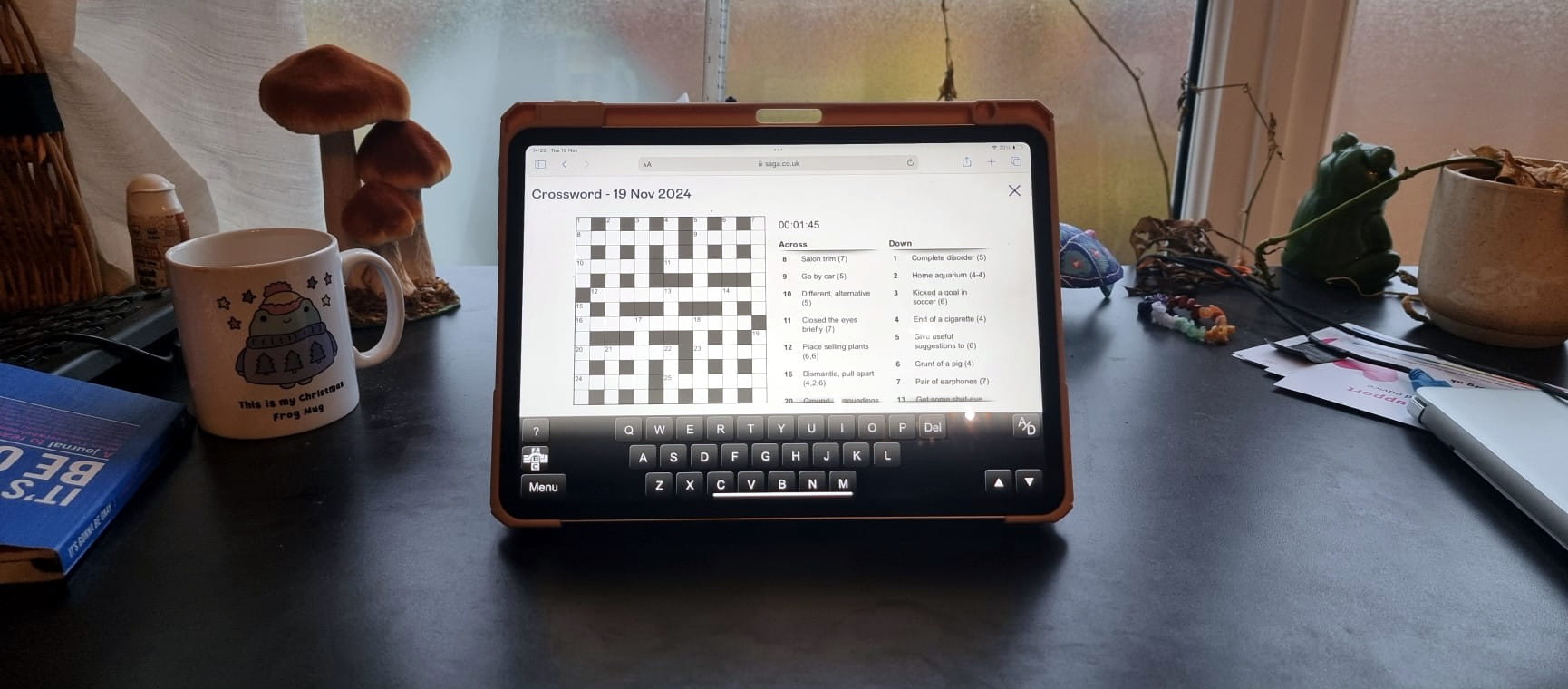
Try these simple tips and fixes for Saga’s crossword, sudoku and codeword puzzles.
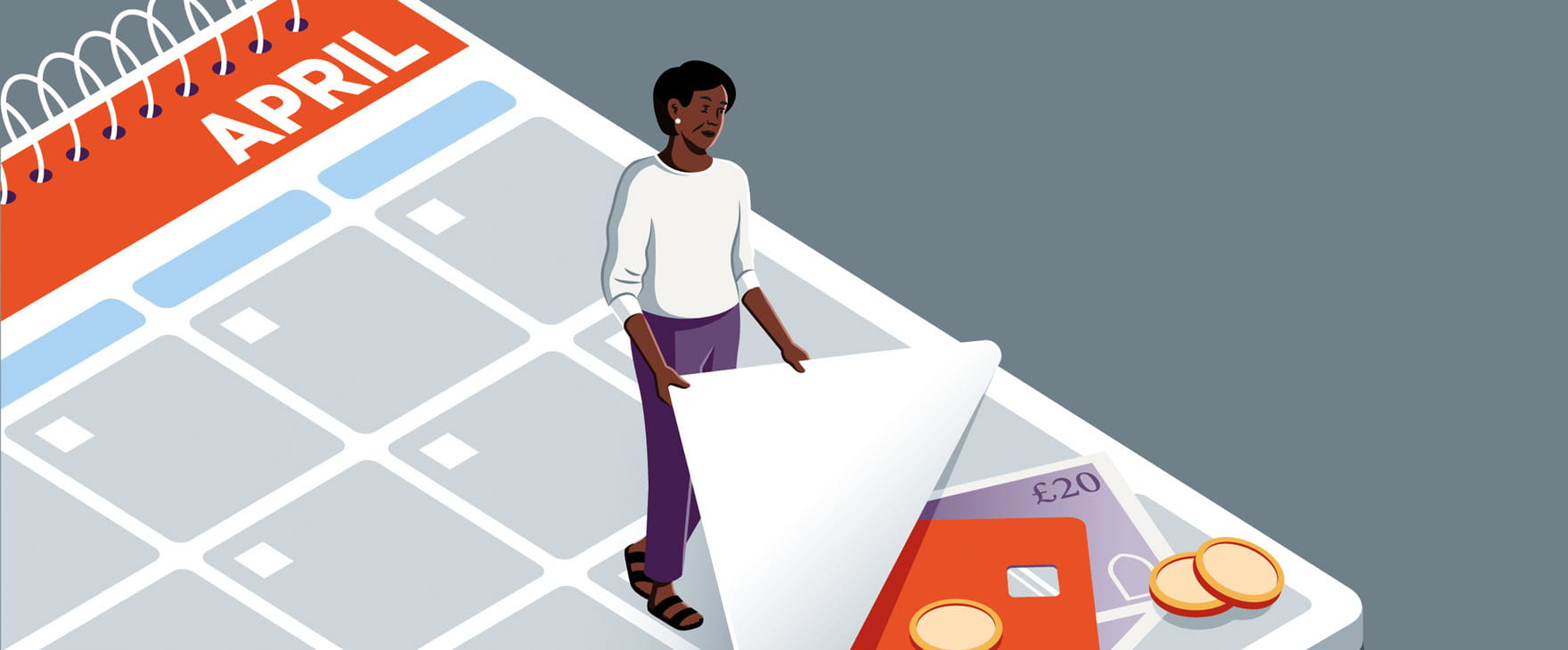
With the start of the new financial year on 6 April, our money expert explains the changes to your pension, benefits and taxes.