Going on holiday? Don’t make this passport mistake
As new research shows travellers are confused about new passport rules, here’s what you need to know to avoid being turned back at border control.
Getty
As new research shows travellers are confused about new passport rules, here’s what you need to know to avoid being turned back at border control.
Do you know when your passport expires? New research by Saga Travel Insurance found that 16% of people have no idea when theirs runs out – and 10% have less than a year remaining.
Thousands of people have already been caught out by the "ten-year rule" which requires passports must have been issued less than ten years before your travel date if you're going to Europe, so check your passport to make sure it’s still valid.
The research found that one in 14 holidaymakers have been denied entry into a country because they didn't have enough time left on their passport before it expired.
Michelle Cooper, director of Travel Insurance at Saga says: “Nobody should have their holidays ruined because of a simple passport error. A few quick checks can help people avoid unnecessary stress, unexpected costs and disruption at the airport.”
If you haven’t travelled for a while, then it’s even more essential that you read our advice before your next holiday. You will need to get used to the non-EU queue and extra checks, and make sure your passport is up to date.
Here we break down everything you need to know about our British passports in 2026, so you don’t get caught out at passport control.
If you are off on holiday this year make sure you are fully prepared before you travel with this essential holiday checklist from the experts at Saga Insurance.

Half of travellers believe that every country requires a passport to have six months remaining before travel, but for many you need three months. “It’s important to check the specific rules of the country you’re travelling to so that you know how long you need remaining on your passport. Some destinations require three months remaining on your passport, while others require six months," says Cooper.
Travelling without enough time left on your passport means you could be turned away by your airline or border security. “If you’re denied boarding or refused entry because your passport doesn’t meet those rules, travel insurance is unlikely to cover costs such as cancelled accommodation, missed flights or return travel expenses. This is because the responsibility typically sits with the traveller to ensure their passport meets the entry requirements of the country they’re visiting,” says Cooper.
“That’s why checking your passport carefully before travelling is one of the most important things you can do before a holiday.”
Travel insurance can cover you if you need to cancel your trip, but it depends on the reason. Read about the situations where you'll be covered - and the ones you won't with this simple guide.
After Brexit, citizens in the UK became “third-country nationals”. This means there are two new conditions for UK travellers to the EU and wider Schengen Area (a group of European countries that don’t have border controls between them).
There’s been some confusion around the ten-year rule, but Cooper explains: “EU and Schengen countries require passports to be less than ten years old on the day of entry. While all new passports last exactly ten years, passports issued before 2018 remain valid for ten years and nine months.
“If you have an older passport, make sure you check both the issue date and expiry date before travelling to avoid problems at the border.”
This came into force on 1 January 2021 when the UK left the EU and has been causing travellers issues ever since.
If your passport was issued after 2018, it’s valid for exactly ten years and you will be fine. If your passport was issued before September 2018, the Passport Office may have added the previous passport’s leftover months on it, which was okay when we were part of the EU. It is not okay now.
In this case, your passport hasn’t officially expired and could be valid for travel elsewhere. However, you will not be allowed to travel in Europe as it was issued more than ten years ago. You will need a new one.
You cannot claim compensation if you are turned away as it is your responsibility to make sure your passport is valid for travel. Double-check the dates on your passport before you book your holiday.
It is worth making sure that your passport is in good condition. Replace it if it has serious rips, missing pages, heavy water stains or the cover is coming apart. Make sure your personal details can be read clearly and the laminate on the photo page is not lifting.
If you’re travelling beyond the UK and wider Schengen Area, you also need to be aware of that individual country’s rules.
Each country has a different requirement for the months left until the passport’s expiry date. Check the Post Office's guide to be sure.
You might be feeling proud that your passport’s filling up with lots of stamps from previous trips, but some countries require travellers to have a minimum number of blank pages remaining in their passport for stamps and visas.
“People can sometimes focus entirely on expiry dates and forget to check how many blank pages they have left, but some destinations can refuse entry if there isn’t enough room for official stamps or visa documentation," says Cooper.
“If you’re a frequent traveller, you should regularly check how many blank pages you have remaining in your passport before booking a trip.”
The introduction of the EU entry/exit system (EES) removes the needs for passport stamps, so this will become less of a concern as more people register for it.
“As travel systems evolve, including the gradual rollout of digital border systems such as the EU’s Entry/Exist System (EES), physical passport stamping may become less common. But for now, requirements can still vary depending on destination and border process,” says Cooper.
Applying for a passport is the same as it’s been for a few years.
The Home Office told Saga Magazine: “If we do not need any further information after receiving the application, customers can expect their passport within three weeks.”
That’s three weeks from when documents are received, not when you send them off. During peak times, such as public or school holidays, it could take up to 10 weeks, so check how long it takes to get a passport well before you travel.
The recent changes to passports concern their validity when you travel, their strength when getting a visa and the time you’ll spend at border controls. There are also new rules this year for British nationals with dual citizenship.
Passport fees are reviewed every year. Find out more about passport fees at gov.uk.
Looking to get a passport in a hurry? You won’t be the only one. The Home Office told Saga Magazine: “More than 7,000 appointments for urgent services are made available across the seven passport offices in the UK each week.”
If you need a passport quickly, you must book an appointment online to go to a passport office. The soonest appointment may not be at your nearest passport office, so be prepared to travel anywhere in the country to get one.
You can find the current guide to times and prices for fast-track passports here and for new passports on a standard service here.
Passport validity can be problematic for children's passports as they only last five years and that date can come round very quickly.
Be vigilant if you’re travelling with the grandchildren as getting a fast-track appointment for a child’s passport can take up to a week.
Make sure you're on the official HM Passport Office site when you apply. There are fake sites set up to look like the official one, but will charge you extra, or worse still defraud you.
If you need help with applying for your passport, use the Post Office's Check & Send service. For £16 they will ensure you've included the correct documents, your photo is valid, all forms are filled in correctly and they send it by special delivery.

The latest passports are blue and biometric, making it easier to go through the gates at border control. However, if you’re travelling with a child under 12, you won’t be able to do this. If the child is between 12 and 18, they might be able to use eGates, depending on the country.
The EU emblem has gone and the embedded chip contains more information than ever. The design also features advanced anti-forgery elements, such as holograms, microprinting, and potentially more sophisticated RFID (Radio Frequency Identification) chips to prevent counterfeiting and identity theft. The new passports feature King Charles’ coat of arms on the cover.
The Entry/Exit System (EES) means biometric data (fingerprints, face scans) may be collected at Schengen borders for UK travellers.
You don't not need a visa to travel to the EU. However, you will need a visa-waiver to visit most EU countries towards the end of the year.
The European Travel Information and Authorisation Scheme (ETIAS) means that UK passport-holders have to pay a fee of €20 (£18) for an electronic travel authorisation to get on the database. This is valid for three years or until your passport expires, whichever comes first. You can find out more on the ETIAS website.
It’s like the ESTA for the US and will usually be issued in minutes. There will be a six-month grace period when it finally comes in, but be prepared for delays at the airport when it is introduced.
If you haven’t travelled for a while, you might be surprised to be ushered into the non-EU queue when you reach your destination and have to wait longer.
Since its phased roll-out in October 2025, the EU’s Entry/Exit System (EES) has led to delays at several European airports. The extra biometric checks have slowed border processing, with wait times rising by up to 70% in some locations, according to Airports Council International.
Technical problems have also been reported in Spain, while Portugal halted EES operations at Lisbon Airport temporarily after long queues.
The European Commission has said it will give member states “certain flexibilities” to help manage bottlenecks during the busiest travel periods until September. Even so, officials at France’s two biggest airports are pushing for the roll-out to be paused altogether over the summer.
As of 25 February 2026, if you’re a British citizen with dual nationality, you can no longer use a foreign passport alone to enter the UK.
To travel to the UK, you must show a valid British or Irish passport, or a passport from another country that has a certificate of entitlement, digital confirmation that you have the right of abode in the UK, before getting on a plane, ferry or train to the UK. Buying a certificate costs £589 and could take weeks.
Some airlines may accept an expired British passport with a valid second passport issued since 1989, as long as all the biographical details match, but this is at their discretion. If you don’t have a valid British passport, airlines may refuse to let you on the plane.
If you lose your passport abroad, don’t panic. First, cancel it straight away through the official gov.uk “report a lost or stolen passport” service to stop anyone else using it.
Then, decide how urgently you need to travel: if you’re in a rush to get home or on to your next stop, you can apply online for an Emergency Travel Document, a short-term passport-style travel document issued by a British embassy, consulate or high commission, which should be ready in a couple of days.
If you’re not in a rush, you can apply for a full replacement passport from overseas, but expect the standard process to take a few weeks.
It can be difficult to keep up with the latest travel rules, especially with many travellers still carrying the travel anxiety of COVID times, but don’t let this stop you exploring.
Know the rules, check your dates and use that knowledge to relax into your holiday.


Click below for your chance to win a 15-night cruise to the Canary Islands on board Saga's Spirit of Adventure, worth more than £8,300.

Saga offers escorted tours throughout Europe and as far afield as South Africa, Japan, Canada and Australia, plus hotel stays in popular European hotspots including Spain, Portugal, Croatia and Greece.

Ancient palaces, crystal-clear seas and undiscovered budget beaches – our travel experts share the best travel destinations for 2026.

Our guide to the most remarkable places to visit in Africa, the continent of contrasts.
.jpg?la=en&h=760&w=1730&hash=3900F1F9D5EBD1961A7DFC7B29B5BA1A)
Holidays can boost your brain power, help you live longer and even relieve pain.





Autumn on Europe’s rivers is always spectacular. We’ve got the best cruises to try in 2025.

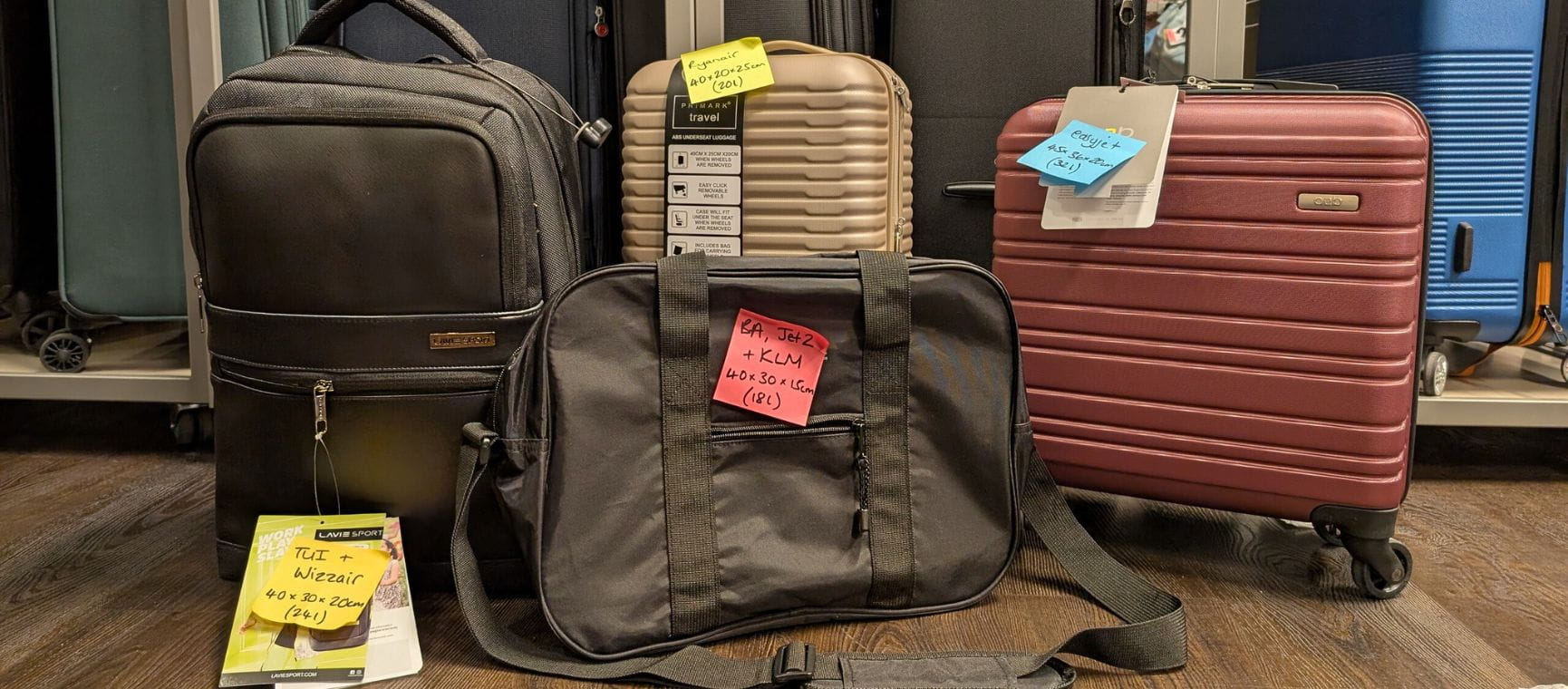
We help you beat the airlines at their own game with the cabin bag weight and size limits for the UK's seven most popular carriers.