Should you give up coffee for your health?
Dr Mark Porter on the effects of too much coffee, and what it could mean for your health.

Image credit: GettyImages/Nikola Milosevic
Dr Mark Porter on the effects of too much coffee, and what it could mean for your health.
Q. I drink two to three cups of strong ground coffee every day but a couple of friends in our bridge group have given it up on health grounds and advised me to do the same.
I’d miss it terribly. What are the risks?
I am not sure why, but coffee does seem to have a reputation for not being good for you. In fact, if anything, the opposite probably applies, based on the latest research.
Moderate coffee consumption – up to three to four cups of average strength brews – is associated with lots of benefits ranging from better endurance and stamina during physical exercise to a reduced risk of heart attack, stroke and even some cancers.
One caveat: all these benefits are based on studies looking for differences between coffee drinkers and their non-coffee drinking peers.
The research doesn’t prove that coffee is responsible for the apparent health benefits, and it may well be something else about regular consumers that explains the difference. However, it does at least suggest that coffee is likely to be good for you, rather than harmful. And it tastes good – at least to me.
That said, there are downsides. Caffeine is a stimulant and can interfere with sleep patterns if drunk in the evening, and heighten symptoms from palpitations (a fast or irregular heartbeat), as well as sometimes exacerbating anxiety.
Contrary to popular belief, it’s not a powerful diuretic (encouraging urine production) unless you drink a lot of it, so it won’t dehydrate you, but can irritate the bladder lining, meaning you pass smaller volumes more frequently.
And finally, there is also some evidence that it may increase fracture risk in women with osteoporosis, but the evidence here is mixed.
I would carry on enjoying your two to three cups a day. As I will.


Treat someone special to a Saga Magazine subscription – 12 inspiring issues for just £34.95. Plus, you will also enjoy three free gifts: a cotton tote bag, a bumper puzzle book and a box of Guylian Seashell chocolates.
Every issue is packed with real-life stories, exclusive celebrity interviews, insightful articles and practical tips on health, finance, travel, and more. A thoughtful gift that entertains all year round.

Expert nutritionists break down the most important foods to eat in each decade as we get older.
We reveal the 7 best tinned foods to supercharge your health while saving you time and money.
From ketchup to mayo – how healthy are your sauces? We find out the pitfalls and surprising benefits of our favourite condiments.

Could honey be the sweetest way to supercharge your health this year? Our experts explain the benefits and which to buy.
Our expert guide to the common foods you shouldn't mix with prescription drugs.

Experts reveal whether chilled supermarket soups are worth the extra cost and if some flavours are better for you than others.

Looking after your gut health could be one of the biggest things that you can do for your overall health. Here are the best foods to keep your gut happy.
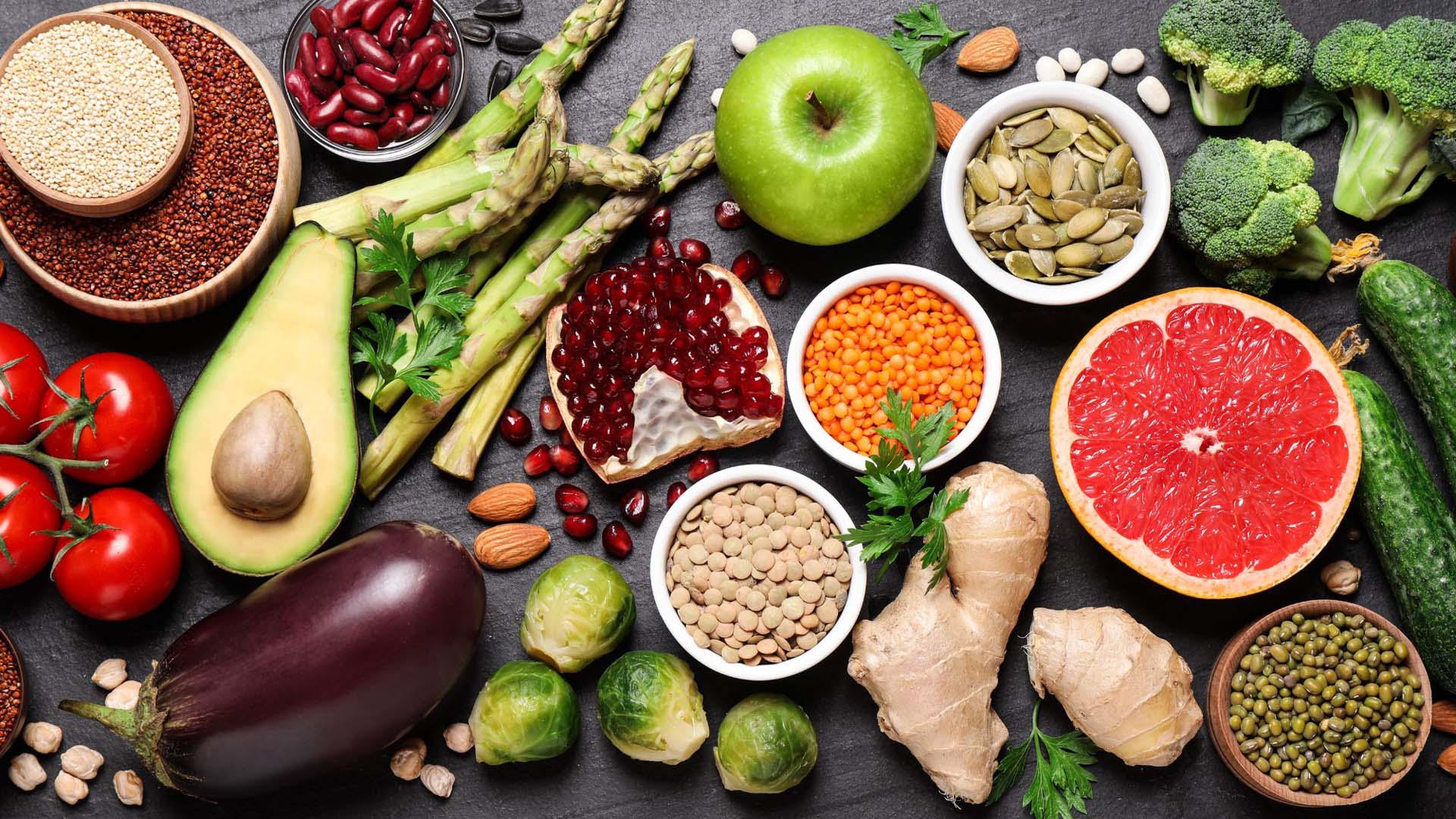
The foods that could help you live longer and protect against chronic illness.

A dietician reveals which foods can help protect vision and prevent age-related eye conditions.
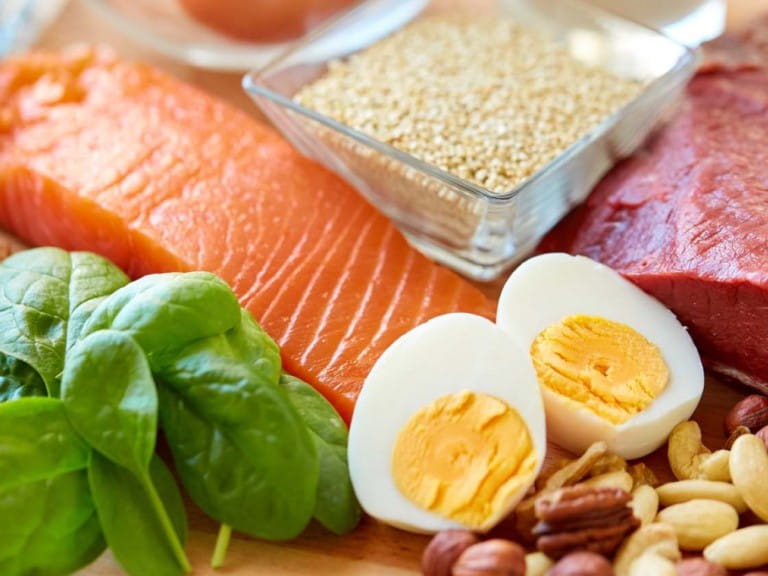
Everything you need to know about protein, from how it benefits your body to the best high-protein foods – and how much you really need.