Hugh Fearnley-Whittingstall: the “fibre crisis” that is damaging our health
The TV chef on why fibre is even more important as we get older – and can boost your brain, help your heart and up your energy levels.
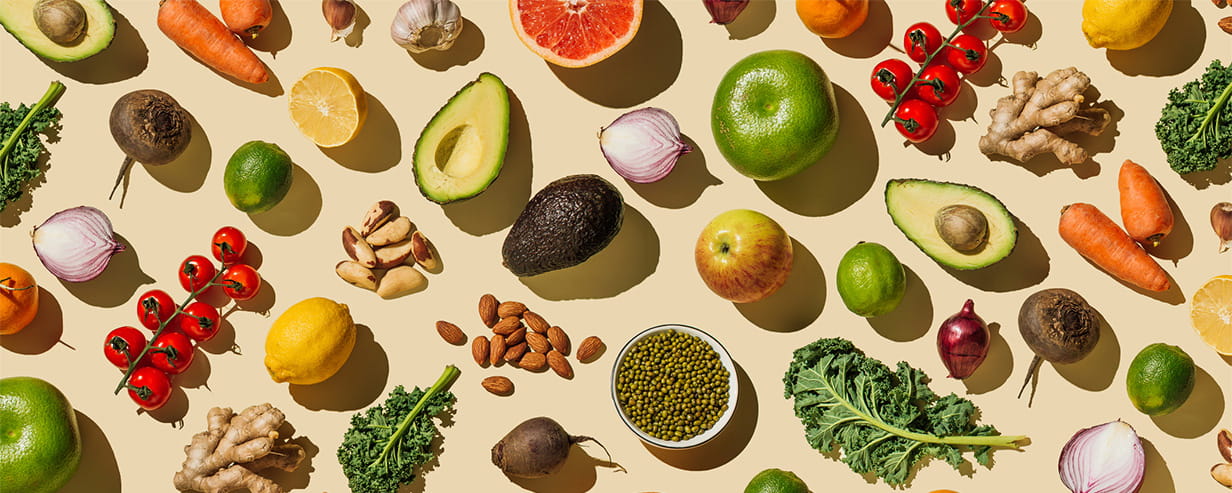
The TV chef on why fibre is even more important as we get older – and can boost your brain, help your heart and up your energy levels.
Hugh Fearnley-Whittingstall is on a new crusade – to boost our bodies and minds as we age with a fibre-fuelled diet that is as simple as it is delicious.
While protein has had its moment and we’ve long-been encouraged to exercise more and sleep better, chef, organic farmer and food campaigner Fearnley-Whittingstall is firm on what’s really damaging the nation’s health; an extreme deficit of fibre in our diets.
The statistics do indeed stack up. Just 4% of us eat the recommended 30g of fibre a day, and the health impact can be far more serious than we might think. Fearnley-Whittingstall says we are in a “fibre crisis” and this is to blame for soaring rates of heart disease, obesity, diabetes, some cancers and plummeting mental health.
Research even suggests that increasing your fibre intake by just 10 grams a day could significantly lower your risk of early death.
In Fearnley-Whittingstall’s new book High Fibre Heroes, he shines a light on 12 everyday fibrous vegetables and pulses to get us all “fibremaxxing”.
This gut-boosting supernutrient’s role in our overall wellbeing is about far more than just keeping us “regular”, as we once believed.
While fibre has long-held a “roughage” reputation, it plays many other powerful roles in super-charging our gut health.
During the fermentation process of fibre within the large intestine, beneficial bacteria aids the growth and diversification of that all-important microbiome, which not only boosts digestion, but strengthens our immune systems and overall wellbeing.

Alongside this, fibre intake also creates short-chain fatty acids (SCFAs), which reduce inflammation, nourish our colonic cells and maintain a healthy gut barrier.
Fearnley-Whittingstall says: “Yes, of course fibre keeps us regular – and that’s very important – but it supports our health in so many other ways. I want people to think of fibre as an actively beneficial substance, because it is!
“Different kinds of fibre nurture different kinds of gut bacteria, and those bacteria then produce lots of amazing substances that have a profound impact on our overall health.”
Those clever SCFAs from fibre can also help to regulate glucose metabolism and improve insulin function. By slowing down the absorption of carbohydrates into the bloodstream, a high-fibre diet can help to reduce post-meal blood sugar spikes, with some studies showing a lowered risk of Type 2 diabetes.
Fearnley-Whittingstall says it’s the sheer diversity of fibre-fuelled compounds and microbes that support a steadier release of glucose into the bloodstream: “Most people will have heard of soluble and insoluble fibres, but there are sub-categories within those: pectins, for instance, found in apples and citrus fruit, or beta-glucans from oats.
“All of these are fermented by different bacteria in our gut to produce substances like short-chain fatty acids that have profound effects for our health, including regulating blood sugar.”
With fibre’s crucial roles in levelling out our absorption of carbohydrates and supporting our gut health, it can also bring an improvement in our physical energy levels and a surge of the “happy” chemical messengers, dopamine and serotonin.
Fearnley-Whittingstall believes fibrous foods might even see us saying goodbye to those dreary mid-afternoon slumps, along with an overall improvement in our mood and a surge in satiety.

“A higher fibre intake helps us feel more satisfied with less food, and also results in steadier energy levels,” he says. “But that’s not rocket science, it should be our baseline: eat wholesome food and plenty of plants and you’ll feel good.
“The sugary, over-refined rubbish that’s come to dominate our diets leads to a total lack of satiety and creates energy surges and crashes (and the emotional fall-out involved in those) with a cycle of hankering for more of the same type of foods to satisfy us.”
One study highlighted a marked improvement in cognitive performance, mood and wellbeing with an increased intake of soluble dietary fibre.
Fibre is your heart’s best friend, with its powers to lower blood pressure, cholesterol and inflammation. Soluble fibre (found in foods like beans, oats, apples, vegetables and flaxseeds) is particularly supportive of our heart’s health.
Packed with antioxidants, magnesium and potassium, fibrous foods can boost blood vessel function and their super-charged SCFAs can help to reduce chronic inflammation; lowering our risk of atherosclerosis (the narrowing and hardening of the arteries).
An intensive Lancet review of 185 studies and 58 clinical trials concluded that a higher fibre intake (notably between 25g and 29g daily) was linked to a lower risk of cardiovascular and coronary heart disease.
A combination of the fibre-fuelled health benefits above can lead to an overall lowered risk of some cancers (including colorectal cancer), Type 2 diabetes and strokes, according to the Lancet review. The studies and trials consistently linked a higher fibre intake with reduced rates of chronic disease and even premature death.
“The data is quite robust and highlights a reduced mortality risk across populations,” agrees Fearnley-Whittingstall. “But this is not just about buying extra years – it’s about feeling healthy and well, positive and fulfilled in the years you have.”

However, he says he finds the stats on fibre intake shocking: “The UK average is about 18g a day, and we need at least 30g.
“Low-fibre diets are linked to a host of health issues, from increased risk of heart disease and some cancers, to rising obesity and Type 2 diabetes. These illnesses characterise our current health crisis – something that I argue could also reasonably be called a ‘fibre crisis’, since a lack of fibre is at the heart of it.”
So, how does the plant-led chef boost fibre in his own diet? We asked him for his favourite fibrous staples.
“You’ve put me on the spot there!” he laughs. “Well, I’ve obviously got my 12 titular hero vegetables (peas, carrots, cabbage, beans, cauliflower, leeks, mushrooms, tomatoes, lentils, spinach, sweetcorn, and broccoli) that each get a chapter in my new book.
“Aside from these, I have a handful of foods that are currently riding very high in my estimation.”
“I couldn’t not have apples in my top five. They are delicious, ubiquitous, inexpensive and we grow them so well in the UK. They’re a great source of the soluble fibre known as pectin, especially if you eat the skin.”
“Proof, if it were needed, that high fibre does not have to mean low fun, dark chocolate is very high in fibre (it does, after all, begin life as a fruit). If you find it a little bitter, pair it with other, sweeter high-fibre foods, such as peanut butter, or cook it into sumptuous puds.”
“These are a seasonal treat but I love them because they are rich in a specific type of fibre, inulin, which is prebiotic – it acts as a sort of fertiliser, fostering the growth of good bacteria in the gut.”

“Seeds in general are very high in fibre but, even in this context, chia is streets ahead. These tiny black seeds are literally packed with the stuff (one tablespoonful has nearly 5g) and many other essential nutrients besides.
“Sprinkle them on cereal, bake into biscuits or even mix with a little water and leave to swell into a “pudding” which you can jazz up with fruit, yogurt and honey.”
“Okay, these ones do get a chapter each in the book. But I have to single them out here too, because we should all be eating more of them and they are such an easy win.
“Cheap as chips and magnificently fibre-rich, I’m never without these store-cupboard stalwarts. You don’t have to cook them from scratch – those in tins or vac-packs are just as good for you.”
Recipes taken from High Fibre Heroes by Hugh Fearnley-Whittingstall (Bloomsbury Publishing, RRP: £26). Photography © Emma Lee.

Hugh Fearnley-Whittingstall joins Susie Dent on the Experience is Everything podcast to talk about his passion for sustainable food and the joys of eating well.
(Hero image credit: GettyImages)



Buy direct and start a new Saga Health Insurance policy by the end of 10 December 2026 to get your first 3 months free. T&Cs apply.
Underwritten by Bupa Insurance Limited.

Find out about Saga's gastronomy holidays here...
They say the way to the heart is through the stomach, and Saga’s thoughtfully crafted food and wine holidays are perfect if you like trying new flavours and exploring traditional methods of cooking.

Expert nutritionists break down the most important foods to eat in each decade as we get older.

We reveal the 7 best tinned foods to supercharge your health while saving you time and money.
From ketchup to mayo – how healthy are your sauces? We find out the pitfalls and surprising benefits of our favourite condiments.

Could honey be the sweetest way to supercharge your health this year? Our experts explain the benefits and which to buy.
Our expert guide to the common foods you shouldn't mix with prescription drugs.

Experts reveal whether chilled supermarket soups are worth the extra cost and if some flavours are better for you than others.

Looking after your gut health could be one of the biggest things that you can do for your overall health. Here are the best foods to keep your gut happy.
The foods that could help you live longer and protect against chronic illness.


A dietician reveals which foods can help protect vision and prevent age-related eye conditions.
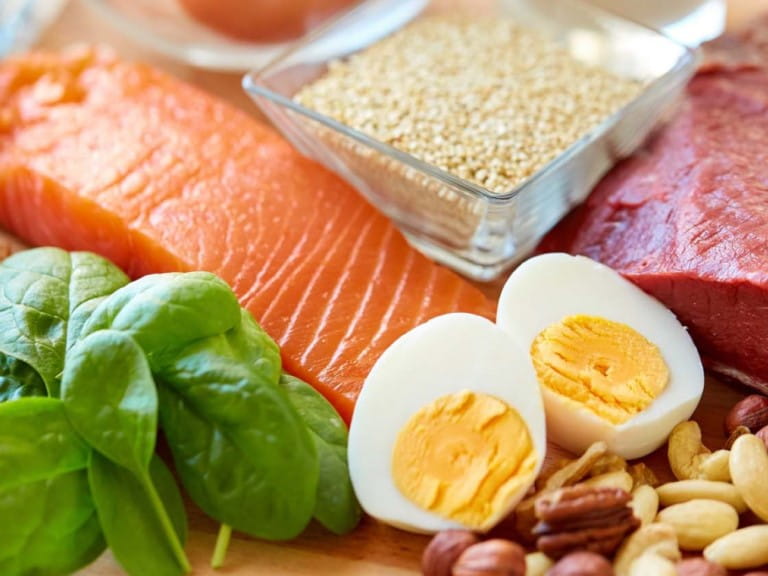
Everything you need to know about protein, from how it benefits your body to the best high-protein foods – and how much you really need.