10 ways to protect your eyes as you get older
Don’t just assume failing vision is due to age – half of sight loss is avoidable. An eye expert explains the steps you can take to prevent it.

Getty
Don’t just assume failing vision is due to age – half of sight loss is avoidable. An eye expert explains the steps you can take to prevent it.
So you’ve clicked on this article to read it, but how clearly are you seeing what’s written in front of you? Are you noticing that you are straining to make out the type or that it seems a little blurry?
It’s possible that your vision is deteriorating slightly and it may be time to book that opticians appointment. But did you know that up to 50% of sight loss is avoidable?
I'm the head of optometry, low vision and eye health at the RNIB and our research has shown that every day 250 people in the UK start to lose their sight. But much of this could be prevented with a few very simple steps. Too many people just accept failing vision as “just an age thing” and they don’t seek help until it’s too late.
Studies show that reduced vision makes it harder to socialise and the more isolated we become, the greater the risk of developing dementia, so if you’re having problems, make an appointment with your optometrist sooner rather than later.
The good news is that there is lots you can do to minimise your risk of sight loss. If you are living with deteriorating vision, there is a lot of support to help you overcome some of the challenges, so do reach out – you are not alone.
The first thing to know is that the most common causes of sight loss in the UK are age-related macular degeneration (AMD), cataract, glaucoma and diabetic eye disease.
Age-related macular degeneration (AMD) is where the centre of the light-sensitive layer at the back of the eye is damaged – there are broadly two types, wet and dry. Wet AMD needs treatment immediately to prevent loss of vision. Although there is a lot of research into dry AMD, there aren’t any treatment options yet. Both types of AMD will cause blurring and distortion in the centre of your vision. This condition never affects your side vision which remains normal even in advanced stages.
To help prevent AMD it is recommended that you have a diet of green leafy vegetables, omega-3 from oily fish, vitamins A, C and E, and a wide range of fruit and vegetables, plus give up smoking.

Cataracts are a clouding of the lens inside the eye. Most cataracts are a natural age-related change and therefore most people at some point in their life will develop this clouding. Some medications, health conditions, UV light and injuries can cause it to happen earlier or more quickly.
The good news is that these days, cataracts can be treated and the vision fully recovered in most cases.
Glaucoma is the name given to a group of eye conditions that gradually reduce your side vision due to the pressure inside your eyes.
The condition runs in families but can also happen without any family history. It can be controlled with treatment, but not cured.
In the early stages you will be unaware of the condition and so it is very important that you have regular eye tests so that it can be detected before any damage has happened.
Diabetic eye disease is when the blood vessels in the light-sensitive layer in your eye become blocked or weak and leaky. For most people this can be prevented by working with your doctor to manage your diabetes and blood pressure. If it starts to develop it can be treated with laser or injections to stop the blood vessels from leaking.
There are no symptoms when diabetic eye disease starts and, as with glaucoma, the best way to prevent sight loss is to have regular checks so it can be treated before the symptoms start.
The best thing you can do to prevent sight loss as you age is to have your eyes tested at least every two years until you reach 70 and then every year. Don’t ignore those regular letters and emails reminding you it’s time to go to the opticians.
If you have a family history of eye conditions or have general health problems, you may be advised to have a test more frequently. Remember to have both your retinal screening test and an eye test if you have diabetes.

Contact your optometrist immediately if you notice something isn’t right with your vision. Depending on where you live in the UK, new sudden changes in your vision may be investigated by optometrists or by the hospital eye clinic. Your local opticians will be able to advise you about the services, but if you have concerns out of hours then call 111 for urgent advice.
Symptoms could be flashes or floating bits in your vision, pain or soreness, double vision, sudden loss of vision (even if it comes back quickly) or sudden blurred vision.
An eye test isn’t just to replace glasses, it is a vital check on the health of your eyes. During your eye test, the optometrist will look inside your eyes to check for signs of eye conditions and some general health problems. The extent of your vision to the side, known as your visual field, will be measured to ensure it is as good as it should be. This will help to detect glaucoma or signs of stroke.
Your eye pressure will also be tested to make sure it isn't too high or too low. This will help to detect glaucoma or signs of stroke.
Don’t let the cost of spectacles put you off having an eye test – it is vital you have regular eye tests even if you don’t want or need glasses.
In England, Wales and Northern Ireland, everyone over 60 years of age can have a free NHS eye test, in Scotland it is available regardless of age.
If you are receiving benefits or on a low income you may also be eligible for some money off your glasses.
Some eye conditions can be genetic, so find out if you are at higher risk of eye disease and make sure your optician or optometrist is aware. You might be at higher risk of developing an eye disease or condition if:
Smoking at least doubles your risk of sight loss, so avoid it – your GP surgery has help available if you want to give up. Next to natural ageing it is the biggest cause of sight loss.
Eating a diet of colourful vegetables and oily fish helps to keep your eyes healthy, reducing your risk of AMD, which is the leading cause of sight loss in the UK.
If you are diabetic always attend both your routine eye test at the opticians and your diabetic eye screening appointment – they are looking at different aspects of your eye health and both are vital.
Exercise is important to prevent eye conditions because it makes you healthier and means your blood vessels work better, reducing your risk of sight loss.

Protect your eyes from UV by wearing sunglasses with a UV filter BS EN ISO 12312-1:2022 and which carry the CE mark.
Exposure to UV increases your risk of cataract and AMD.
If you’re doing DIY or sports such as squash where eye injuries are possible, it’s important to look after your eyes, so ask your dispensing optician for advice on the correct eye protection for the task.
Reducing digital eye strain is a good idea. There is no proven evidence that computers and devices cause damage to your eyes, but taking regular screen breaks will reduce eye strain and dry eye discomfort.
It is recommended that you take a break every 20 mins, looking 20 metres away for at least 20 seconds.
As a parent, grandparent or just a good friend, you can be crucial in helping prevent sight loss in the people you love – those who may have difficulty accessing eye care through issues such as learning disabilities, mobility challenges or dementia.
If someone you care for needs extra help in their eye test, make sure you let your optometrist know in advance and they can make changes to the way they approach the test.
And for the grandchildren and younger members of your family, children are entitled to an NHS eye test at least every year until they are 16.
Children often think that the way they see things is “normal” because they don’t know what other people see, so an eye test is the only way to be sure that a child is seeing well. Detecting eye problems before the age of eight is particularly important as during that time their eyes are still developing and there is a chance to treat lazy eyes and squints.
Just like adults, an eye test is possible even if children can’t read letters or communicate – children with learning disabilities are even more likely to have eye problems. Uncorrected eye problems can hold back their education, so a routine eye test can be 30 mins well spent.
Staying alert for changes in your vision and seeking help as early as possible will protect your sight and may also help to detect other general health concerns before they become a problem.
To find out more about looking after your eyes, or about particular eye conditions visit the RNIB website.
Louise Gow is head of optometry, low vision and eye care support services at RNIB.

Some Saga holidays include soothing or spiritual activities like joining a traditional tea ceremony in Japan, practising yoga in India or bathing in Iceland’s Blue Lagoon.

Buy direct and start a new Saga Health Insurance policy by the end of 10 December 2026 to get your first 3 months free. T&Cs apply.
Underwritten by Bupa Insurance Limited.

Are you retiring at the wrong age? The best age to retire for your body, brain, happiness and pocket.


Everything you need to know about the lung infection, and how you could be ill with “walking” pneumonia without realising it.
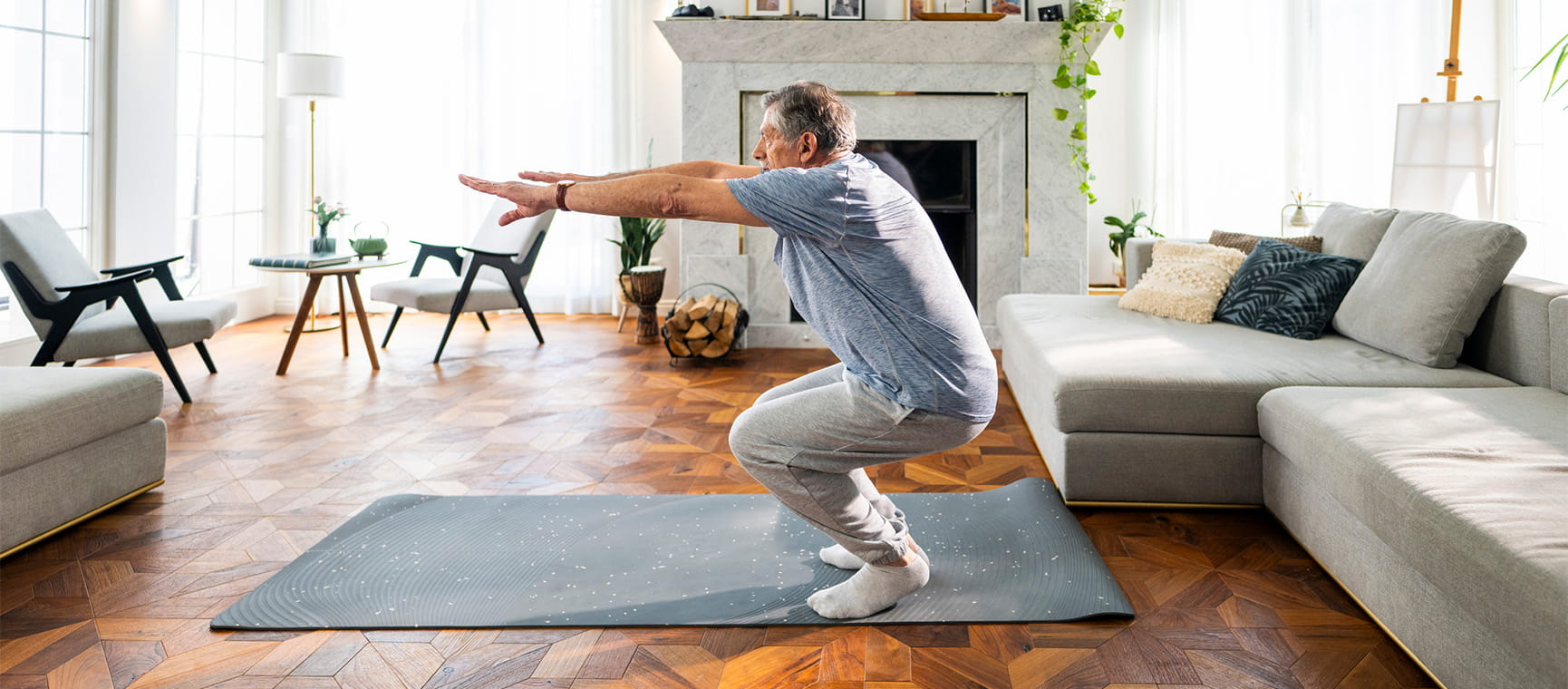
Strong calves for a strong mind: how they support our circulation and brain health, with easy moves to strengthen yours at home.


Our GP Dr Mark Porter explains what can cause itchy skin, which is a common problem as we get older.

Worried you’ve morphed into Victor Meldrew? Find out how to battle that bad mood, and what to do if you’re stuck with a grouchy loved one.

The benefits of heat and cold therapy, and how Nordic bathing won over our nervous writer.

Here’s how to spot the symptoms of heat disease and reduce your danger.

Everything you’re entitled to this year, when you can have it, and the gaps that remain.

Pilates for back pain – what to do if you are suffering, and five gentle exercises that could help.
Dizziness or vertigo: a sensation of spinning, can stop us doing everyday things for fear of falling. Try these tips to stop feeling dizzy


You don’t have to put up with bladder leaks. We try out the latest pelvic floor gadgets for men and women.
Cataracts are a normal part of ageing. Learn how to spot the signs – and when it’s time to consider surgery.