What is happening to my body? 7 signs of ageing and what they really mean
From rogue hairs to 3am wake-ups, these common signs of ageing often have a simple explanation – and there are things you can do about them.
The first sign I had that time was passing wasn’t the big birthday, grey hair or a sudden interest in garden centres. It was a rogue hair jutting out of my wrist.
It was long, wiry and black, which felt particularly unnecessary given that the rest of my hair is blonde and fine. There it was, sticking out as if it had somewhere important to be.
“This is it,” the hair seemed to say. “You’re getting old, and there’s nothing you can do about it.”
Many of these changes start to show up in our 50s and beyond, but there is often is something you can do about them. Not about every rogue hair, creaky knee or 3am wake-up, perhaps, but many of the little quirks of ageing do have an explanation.
Better still, plenty of them can be managed, improved, or at least made less annoying.
Having discovered one rogue hair on my wrist, I now know they can appear almost anywhere.
Chin, jawline, upper lip, nose, ears, eyebrows. Places that previously minded their own business can suddenly start producing hairs with far too much confidence.
For women, this can become more noticeable around and after menopause. Nat Kringoudis, women’s natural health and hormone expert and co-founder of M BODY Minerals, says: “After menopause, oestrogen declines more dramatically than testosterone. It doesn’t necessarily mean testosterone is high – it’s often that the balance between the two hormones has changed.
“This relative shift can make facial hair more noticeable, particularly around the chin, jawline and upper lip. And genetics play a role too.”
Men aren’t immune either. As they get older, hair may thin on the scalp while becoming more enthusiastic in places such as the nose, ears and eyebrows.
Threading, waxing, laser hair removal and electrolysis can all help, depending on the area and how long-term you want the result to be.
For nose and ear hair, trimming is usually safer than plucking.
If hair growth is sudden, excessive or comes with acne, scalp thinning, changes to your periods, weight changes or a deeper voice.
I’ve lost count of the number of times I’ve gone to bed absolutely exhausted, only to wake up at 3am as if summoned by an invisible alarm clock.
Then I lie there wondering if I’ll ever get back to sleep, and why my body has started running its own very inconvenient shift pattern.
Changes to sleep are common as we age, says Dr Hana Patel, NHS GP and resident sleep expert at Time4Sleep.
“As we get older, the part of the brain that controls the circadian rhythm becomes less efficient, and our bodies secrete less melatonin, a hormone that helps to promote sleep,” she says.
That can shift the body clock forward, making you feel tired earlier in the evening and wake earlier in the morning. We can also spend more time in lighter stages of sleep, which makes waking in the night more likely.
Dr Patel says it’s a myth that older people simply need less sleep. The need for seven to nine hours remains, but sleep quality often declines, which is why you can feel tired despite being in bed for long enough.
Women may notice more rapid changes during and after menopause, thanks to falling oestrogen and progesterone. Sleep can also be affected by anxiety, depression, arthritis, nocturia (waking to use the bathroom) and sleep disorders such as sleep apnoea and restless legs syndrome.
Dr Patel recommends a regular night-time routine. Try going to bed and waking up at roughly the same time, keeping the bedroom quiet, dark and cool, and eating your evening meal around three hours before bed.
She also suggests avoiding alcohol and smoking before sleep, switching off screens one to two hours before bedtime, and taking screens out of the bedroom if you can.
If you’re regularly waking in the night, exhausted during the day, snoring heavily, waking gasping, struggling with restless legs, or pain or anxiety is disturbing your sleep.
One minute you’re freezing, the next you’re kicking off the duvet and wondering whether it’s acceptable to stand in front of the fridge. Menopause often gets the blame, and sometimes rightly so, but it’s not the only reason your internal thermostat can start behaving badly. Ageing itself can also make temperature regulation less reliable.
Research shows that the body’s ability to manage heat becomes meaningfully less efficient with age. According to some studies, adults over 50 store significantly more body heat when exposed to the same conditions as younger adults, largely because sweating responses slow down and the skin’s ability to increase blood flow to release heat diminishes.
One review found that older adults increase skin blood flow two to three times less than younger people during heat exposure, making it harder for the body to cool itself down when it needs to.
Feeling colder is the other side of the same coin. As muscle mass declines with age, the body generates less heat at rest, which can leave some people feeling chillier than they used to. For women going through menopause, hot flushes and night sweats add another layer of disruption on top of these changes.
Wear layers, choose breathable fabrics, keep bedding light and adjustable, and notice whether alcohol, spicy food, caffeine, stress or warm rooms trigger flushes or night sweats.
Regular movement and strength training may also help support circulation and muscle mass.
If you have drenching night sweats, fever, unexplained weight loss, palpitations, sudden heat or cold intolerance, or temperature changes that are new, severe or persistent.
One day you’re eating a sandwich perfectly normally. The next, half of it appears to have taken up residence between two teeth that never used to have a gap.
Where dental floss once just about did the job, you now need a TePe brush to get anywhere near the sides.
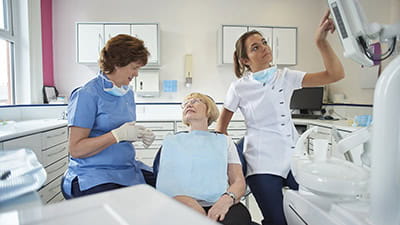
Dr Jenni Rawes, general and cosmetic dentist at Ten Dental, says it can feel as if everything changes at once, but it’s usually several processes overlapping.
“Gum tissue thins and recedes with age, enamel wears down over decades of use and saliva production naturally decreases,” she says.
Medication and hormonal changes, particularly around menopause, can also play a part. Dry mouth matters because saliva helps neutralise acids, wash away bacteria and protect the tissues in your mouth.
Dr Rawes says the most important thing is not to wait until something hurts. “Pain is often a late sign in dentistry,” she explains.
See a dentist and hygienist regularly, use interdental brushes or floss, and don’t ignore bleeding gums. For dry mouth, sip water, avoid alcohol-based mouthwashes and ask your dentist about saliva substitutes or prescription-strength fluoride.
For bad breath, don’t forget to also brush your tongue.
If you have bleeding gums, persistent bad breath, loose teeth, sensitivity, teeth looking longer, worsening gum recession, ulcers that don’t heal, unexplained lumps or ongoing pain.
At some point, your bladder may start behaving less like a helpful storage system and more like a liability.
Suddenly you’re planning journeys around toilets, getting up in the night, or discovering that sneezing carries a degree of risk it never used to.
Bladder changes are common with age, but they’re not all caused by the same thing, says Dr Lucy Hooper, private GP and co-founder of Coyne Medical.
“With age, the bladder muscles can become weaker and less effective at emptying the bladder fully,” she explains. “At the same time, the bladder may also become overactive.”
In women, falling oestrogen after menopause can increase the risk of recurrent UTIs and bladder symptoms. In men, prostate problems are a common contributor.
If you’re having recurrent UTIs after menopause, Dr Hooper says vaginal oestrogen is worth discussing: “Vaginal oestrogen has been shown to reduce recurrent UTIs by 58% compared with placebo treatment.”
Increasing fluid intake to around 1.5 litres a day can also help, unless you’ve been advised otherwise. For leaks or urgency, pelvic floor exercises can make a real difference, especially with guidance from a pelvic health physiotherapist.
If you have pain or burning when passing urine, recurrent UTIs, new or worsening leakage, difficulty emptying your bladder, blood in your urine, fever, back pain, or symptoms affecting your sleep or daily life.
One of the more unfair developments of ageing is when foods you’ve eaten happily for years suddenly start behaving like troublemakers.
A curry you once considered mild now has consequences. Even a perfectly respectable sandwich can leave you bloated enough to question your life choices.
Dr Emma Derbyshire, public health nutritionist and advisor to PrecisionBiotics, says digestion doesn’t simply slow down across the board, but there are changes.
“The muscles that move food through the digestive tract can become less efficient, stomach acid production may decrease in some people, and the diversity of the gut microbiome often changes with age.”
You may also become more sensitive to foods you previously tolerated. Medication, stress, reduced activity and changes in diet can all play a part too.
Fibre, fluids and movement. Dr Derbyshire says the strongest evidence overall is for fibre, from foods such as wholegrains, pulses, vegetables, fruit, nuts and seeds.
Increase fibre gradually, drink enough water and keep moving. Fermented foods such as live yogurt, kefir, sauerkraut and kimchi may help if you enjoy and tolerate them. If symptoms persist, ask your GP or pharmacist to review your medication.
If you notice blood in your stools, unexplained weight loss, a persistent change in bowel habits, severe or ongoing abdominal pain, difficulty swallowing, repeated vomiting, black stools, or reflux that doesn’t improve.
If jars seem tighter, stairs feel steeper and the sofa has somehow got lower, it may not just be your imagination.
Muscle loss with age, known as sarcopenia, is one of those changes many people haven’t heard of, but almost everyone benefits from taking seriously.
Muscle loss becomes increasingly common after the age of 50. “Importantly, muscle strength declines even faster than muscle size,” says Dr Hooper.
That matters because muscle affects how easily you get out of a chair, carry shopping, climb stairs, keep your balance and recover from illness or injury.
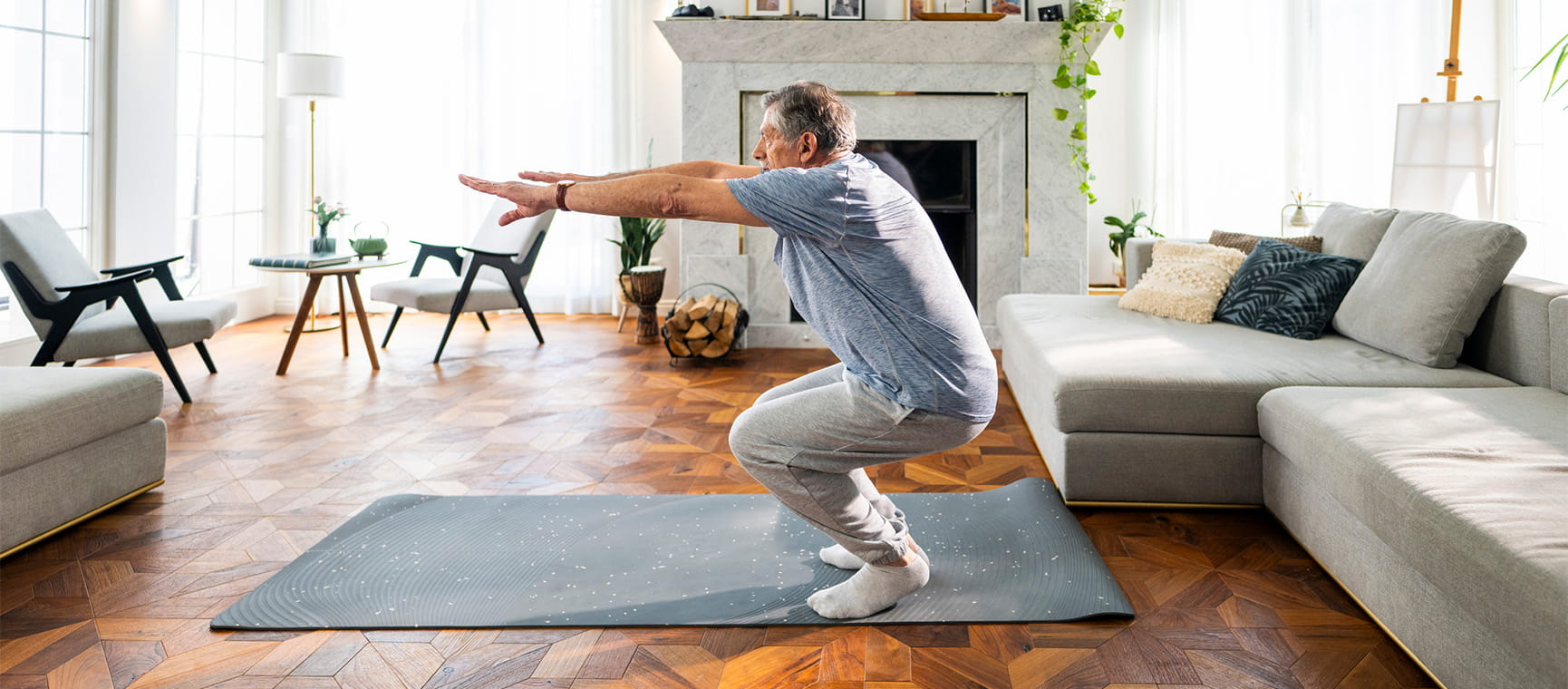
Dr Hooper advises that resistance training remains the single most effective thing you can do. “Ideally, people should undertake resistance exercise twice weekly, targeting both upper and lower body muscle groups,” she says.
That doesn’t have to mean joining a gym. Sit-to-stands from a chair, step-ups, calf raises, resistance bands and light weights can all help.
Protein matters too, ideally around 25 to 30g of high-quality protein per meal.
If you’re losing strength quickly, struggling with everyday tasks, falling, losing weight without trying, feeling unusually weak or fatigued, or having dizziness, fainting, sudden weakness or new balance problems.
So, at what point do these changes cross the line from normal ageing into something worth taking to a GP?
Kringoudis is direct: “Ageing doesn’t mean suffering. A lot of us are told that poor sleep, aches, digestive issues or fatigue are just part of getting older, but that doesn’t mean you should simply tolerate them.”
Her rule of thumb? If a symptom is affecting your quality of life, worsening over time, or stopping you from doing the things you enjoy, it’s worth investigating.
“The goal shouldn’t be to dismiss symptoms because of your age,” she says. “It should be to understand why they’re happening and do something about it.”
Jayne cut her online journalism teeth 25 years ago in an era when a dialling tone and slow page load were standard. During this time, she’s written about a variety of subjects and is just at home road-testing TVs as she is interviewing TV stars.
A diverse career has seen Jayne launch websites for popular magazines, collaborate with top brands, write regularly for major publications including Woman&Home, Yahoo! and The Daily Telegraph, create a podcast, and also write a tech column for Women’s Own.
Click below for your chance to win a 15-night cruise to the Canary Islands on board Saga's Spirit of Adventure, worth more than £8,300.
Health insurance for people over 50 that provides a quicker route to diagnosis and planned medical treatment in a private facility.
Underwritten by Bupa Insurance Limited.
Are you retiring at the wrong age? The best age to retire for your body, brain, happiness and pocket.
Everything you need to know about the lung infection, and how you could be ill with “walking” pneumonia without realising it.
Strong calves for a strong mind: how they support our circulation and brain health, with easy moves to strengthen yours at home.
Our GP Dr Mark Porter explains what can cause itchy skin, which is a common problem as we get older.
Worried you’ve morphed into Victor Meldrew? Find out how to battle that bad mood, and what to do if you’re stuck with a grouchy loved one.
The benefits of heat and cold therapy, and how Nordic bathing won over our nervous writer.
Here’s how to spot the symptoms of heat disease and reduce your danger.
The NHS winter vaccination campaign kicks off next week. Here’s the lowdown on what you need to book.
Pilates for back pain – what to do if you are suffering, and five gentle exercises that could help.
Dizziness or vertigo: a sensation of spinning, can stop us doing everyday things for fear of falling. Try these tips to stop feeling dizzy
You don’t have to put up with bladder leaks. We try out the latest pelvic floor gadgets for men and women.
Cataracts are a normal part of ageing. Learn how to spot the signs – and when it’s time to consider surgery.