Why am I so tired all the time?
Constant exhaustion is so common that GPs even have a term for it: TATT or Tired All the Time. Experts reveal 8 causes and how to tackle them.
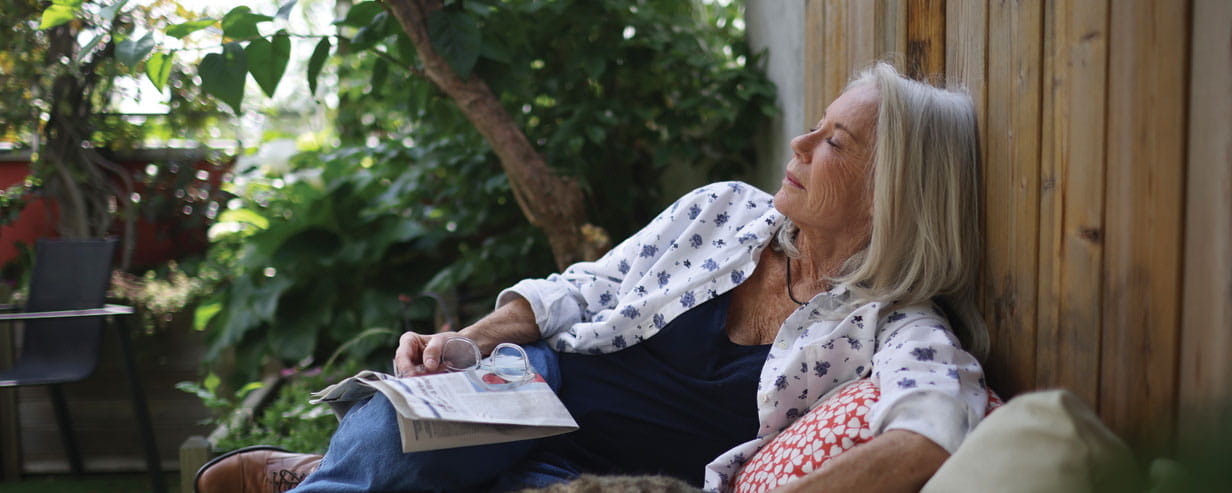
Constant exhaustion is so common that GPs even have a term for it: TATT or Tired All the Time. Experts reveal 8 causes and how to tackle them.
You’ve had a decent night’s sleep, or you thought you had. But come mid-morning, your muscles feel weak and your head feels foggy. Sound familiar? You’re not alone.
One in five of us report general fatigue, according to recent analysis, with one in ten suffering from fatigue that lasts more than six months.
“People come to see me about unexplained tiredness all the time,” says Dr Nicola Harrison, a private GP in London. “It’s so common that we have a name for it. We call it TATT or Tired All the Time.”
There are lots of different causes; we spoke to the experts to find out the prime suspects and what to do about them.
“Low iron is one of the main causes,” says Dr Harrison and it’s especially common as we get older. “As we age, bone marrow doesn’t produce as many red blood cells and iron is a key component of haemoglobin – the protein in red blood cells – so chronic deficiency leads to anaemia.”
Other signs you may be suffering from low iron is if you have restless legs syndrome, as it’s linked to low iron; it also affects sleep.
Your GP can test your iron levels with a ferritin test, says nutritional therapist Nicola Shubrook. Ferritin is stored iron and can fall below optimal levels even when a basic iron reading looks normal.
“Diet alone is unlikely to restore low levels quickly enough,” says Shubrook. “You’ll need supplements before you maintain those levels with food.”
Take iron tablets every other day with orange juice – avoid calcium supplements at the same time as calcium can block absorption. And do note that over-60s found to be anaemic should be referred for a colonoscopy as bowel tumours can cause invisible blood loss.

About one in six UK adults is vitamin D-deficient, and this figure becomes higher still in winter as Britain lacks the right wavelength of sunlight. “Vitamin D supports immunity, energy and mood,” says Dr Harrison. Low levels can also cause joint pain that disrupts sleep.
Other vitamin deficiencies that are easy to develop are vitamin B12 and folate (B9). “I see folate deficiency a lot,” says Shubrook. “When you don’t have enough, you feel tired and low.”
B12 is found almost exclusively in animal products and absorption worsens with age. Plus if you’re stressed, you’re more likely to have insufficient levels as B vitamins support the adrenal glands in producing cortisol and adrenaline, so stress will increase your need for them.
Ask your GP to test vitamin D, B12 and folate. Take vitamin D year-round (the NHS recommends 10mcg daily; some GPs suggest more through winter). Supplements are usually needed for B12 and folate when levels are low.
Vitamin D: Are you taking the right kind? Find out the difference between D2 and D3, whether liquids are better than tablets and the best dose for you.
The thyroid produces hormones that regulate metabolism – how fast cells convert fuel to energy. When they’re underactive, a feeling of fatigue can build. “Hypothyroidism is more common in women,” says Dr Harrison. Other signs include weight gain, dry skin and hair, and constipation.
Ask your GP for a thyroid function test. If results are borderline with multiple symptoms, consider a private assessment that includes a test for Hashimoto’s antibodies as this can cause an underactive thyroid.
Treatment is levothyroxine, a daily tablet that most people tolerate well.

Sleep apnoea occurs when the throat muscles relax during sleep, causing the airway to collapse. Breathing stops, usually many times a night, triggering micro-arousals that deplete sleep quality without waking you up.
“If a partner says you snore loudly, then go quiet and you wake gasping, you might have sleep apnoea,” says Dr Harrison. It becomes more common with age as throat muscle tone declines.
The Epworth Sleepiness Scale, which estimates how sleepy you are, helps gauge severity. A high score is worth showing to your GP.
Your GP can refer you to a sleep clinic for diagnosis. One treatment is CPAP, a machine delivering pressurised air through a mask, free on the NHS. Losing weight, drinking less alcohol and sleeping on your side can help in milder cases.
“Anxiety is an enduring state of perceived threat; a background hum of danger that the nervous system can’t switch off and can be enormously draining,” says therapist Melissa Powenski.
High stress also burns through vitamin C, magnesium and B vitamins, so the more stressed you are, the more tired you become.
CBT has been proven to help anxiety sufferers and can be arranged by your GP. “But even 10 minutes of deep breathing or mindfulness a day can help,” says Powenski.

Hydrochloric acid and enzymes, which both help digestion, decline with age. When the gut isn’t working well, due to low stomach acid, poor digestive enzyme function or an imbalanced microbiome, we will likely feel exhausted.
"Some people feel tired straight after eating because the body’s struggling to break down food,” says Shubrook.
“Think of gut bacteria as pets – they need feeding,” says Shubrook. Prioritise fibre, prebiotic vegetables (leeks, garlic, onions) and fermented foods such as sauerkraut, introduced slowly. A nutritionist can arrange a stool test for chronic issues.
Alcohol disrupts sleep, suppressing deep restorative stages. “If you’re consistently drinking heavily, you effectively have a hangover every day,” says Shubrook.
This depletes B vitamins, puts pressure on the liver (which is central to blood sugar regulation and detoxification), drives low-level inflammation and dehydrates the body.
Eat before and while you drink. The following morning, drink plenty of water and eat something nutritious. Shubrook recommends yogurt with fruit and nuts to steady your blood sugar. Speak to your GP if drinking has become a nightly habit.
“Spending most of the day sitting down can make you feel more tired, not less,” says Powenski, who is also a personal trainer. “Your circulation slows and your energy metabolism dips.” Also, from our thirties, muscle mass falls at 1% a year, accelerating sharply after 60.
"This loss, known as sarcopenia, drives fatigue and reduced mobility.
Walk daily and add 30 minutes of strength training two or three times a week.
To start with, Powenski suggests three rounds of 10 squats, 10 press-ups (doing them on your knees is fine) and ten bent-over rows with tins or water bottles (leaning forward and pulling the weight to your stomach). Pilates is also effective.
(Hero image credit: Getty)


Buy direct and start a new Saga Health Insurance policy by the end of 10 December 2026 to get your first 3 months free. T&Cs apply.
Underwritten by Bupa Insurance Limited.

Some Saga holidays include soothing or spiritual activities like joining a traditional tea ceremony in Japan, practising yoga in India or bathing in Iceland’s Blue Lagoon.

Are you retiring at the wrong age? The best age to retire for your body, brain, happiness and pocket.


Everything you need to know about the lung infection, and how you could be ill with “walking” pneumonia without realising it.
Strong calves for a strong mind: how they support our circulation and brain health, with easy moves to strengthen yours at home.


Our GP Dr Mark Porter explains what can cause itchy skin, which is a common problem as we get older.

Worried you’ve morphed into Victor Meldrew? Find out how to battle that bad mood, and what to do if you’re stuck with a grouchy loved one.

The benefits of heat and cold therapy, and how Nordic bathing won over our nervous writer.

Here’s how to spot the symptoms of heat disease and reduce your danger.


Everything you’re entitled to this year, when you can have it, and the gaps that remain.

Pilates for back pain – what to do if you are suffering, and five gentle exercises that could help.
Dizziness or vertigo: a sensation of spinning, can stop us doing everyday things for fear of falling. Try these tips to stop feeling dizzy


You don’t have to put up with bladder leaks. We try out the latest pelvic floor gadgets for men and women.

Cataracts are a normal part of ageing. Learn how to spot the signs – and when it’s time to consider surgery.