How to get rid of flying ants – 7 expert tips for keeping the swarms at bay
As the UK’s Flying Ant Day dawns, our experts tell you how to keep them out of the house.
Getty
As the UK’s Flying Ant Day dawns, our experts tell you how to keep them out of the house.
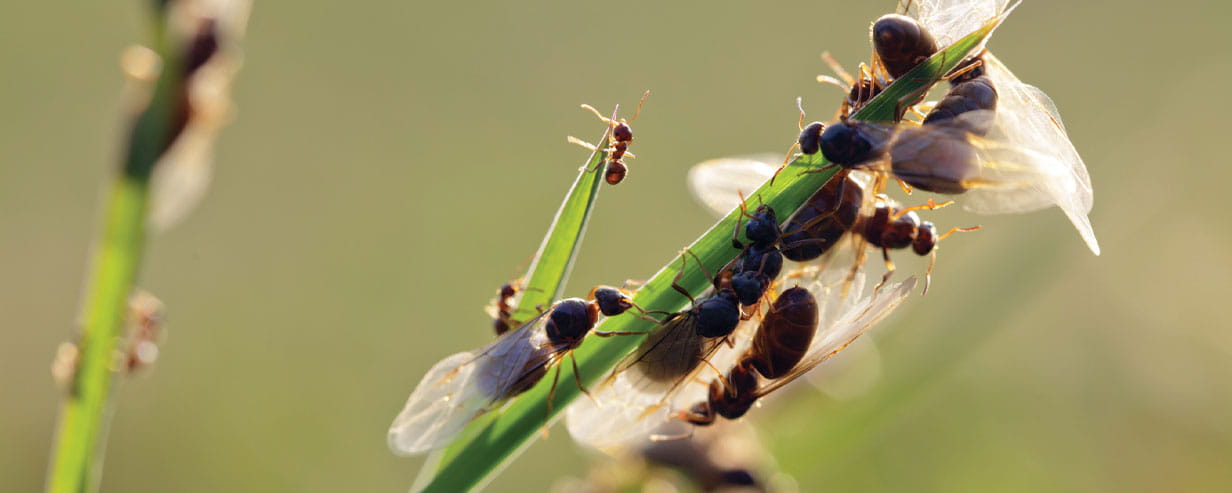
Flying ants can form swarms of thousands when the weather conditions are just right (usually, when the weather is hot and humid).
We’ll often be caught out by swarms of them – either on freshly-washed sheets hanging on the line or as they try to make their escape from the house.
And although they’re nothing to worry about, the sight of hundreds of the tiny pests can send grandchildren (and some of us) screaming. The good news is they’re harmless – and can even do our garden some good.
The UK’s Flying Ant Day isn’t just one day and it happens at different times in different locations. It’s usually in July and August, but many people are predicting it will happen earlier because of the heatwaves.
But according to Stephen Wales of Hertfordshire-based Bespoke Pest Control, the ants need more humidity to thrive. “Flying Ant Day is driven by the weather, and it’ll be a warm, humid day,” he says. “If the ants come out on a hot day, the queens would need to dig through quite hard ground. A thunderstorm makes it softer and they need more moisture to be able to live nicely.”
Although flying ants look like a swarm, they’re actually just the humble kind of ant you’ll occasionally see in your kitchen.
“If you look at the flying ants, you’ll see two different sizes,” says Wales. “The bigger ones are the queens and the smaller ones are the male ants. They mate on the wing, then the males then die off and the queens start nesting somewhere, They’ll burrow into the ground underneath your patio, in a plant pot or under your house.”
According to the Royal Society of Biology, flying ants can be seen on as many as 96% of days between June and September.
Even if you are already under a full-blown invasion, here’s what to do now and how to plan ahead for next year’s prolific flying ant offspring.

The easiest way to get rid of flying ants? Make your home less attractive to them by storing food properly. Flying ants are just mature “normal” ants, and will be equally attracted to any sweet, sticky foods they find lying about.
“If you’ve been seeing ants in your house, it’s likely you'll see them on Flying Ant Day, when they come out of wherever they’ve been hiding,” says Wales. “This could be under your floorboards or in a dark hole.”

This is the top tip specific to deterring winged carpenter ants – replace any damp and decaying wood on your property that has attracted their nests. Also, you’ll need to repair and make good the source of the moisture. Leaks from plumbing or your roof will need to be eliminated.
To keep further infestations from occurring, stop any direct contact between your wooden structure and the ground. This includes any things that attract moisture like piles of soil, plants and mulch.
Have a big pile of firewood to store? Keep it as far from your home as possible and preferably in a dry place.
During flying ant season if your home has a wooden frame it pays to pay special attention to whether the flying ants in your home are getting out of control. The last thing you want is a carpenter ant nest somewhere on your property.
Winged carpenter ants are easy to mistake for termites – but carpenter ants don’t actually eat wood, they use their mandibles to drill holes in it. Carpenter ants prefer to nest outdoors but they are attracted to excessively damp areas like around windows, doors, showers, bathtubs, dishwashers, leaky pipes and drains, and under leaky roof shingles. They have also been known to build their nests in dry timber.
Something as simple as open doors and windows or cracks in your wall and roof can give winged carpenter ants access to your home. If left to their own devices they can cause significant, and costly damage to any wood-frame structures you have including garages and sheds.
Unlike other harmless flying ants, winged carpenter ants can be a real problem, so if you have a wood-framed property and suspect you have an infestation, once you have exhausted the other plans of attack, getting the professionals in should be a key priority.
Before the flying ant season begins, make plans to prevent them from entering your home. Inspect your property for cracks and repair any holes or gaps that would allow flying ants to enter.
Flying ants are no different from any other creatures that will try to exploit weaknesses to gain entry to your home, so seal any potential entry points with caulk and check them regularly.
If flying ants are spotted in your neighbourhood, keep windows and doors closed.

Coming home to windows covered in flying ants can be unnerving, but all they want to do is escape. “They’ll want to build a new nest and that could be under a plant pot or underneath your patio or fake grass,” says Wales. “So if you see them, just open the window and they’ll fly out. They’re attracted to light, so the best thing to do is turn your lights off and let them escape. If there are still a few remaining, vacuum them up and then empty it outside.”
As with keeping house flies out of the house, fly screens will allow you to enjoy some fresh air and cool down while giving the flying ants an impenetrable barrier to entry.
Flying ants would rather be outside and they don’t spread disease. As the RHS says, they’re good for biodiversity and their nests should be left alone if they’re outside.
“Let them go and do what they do because they’re quite beneficial to nature,” says Wales. “Their tunnelling helps to aerate the soil and they milk the aphids, taking all the goodness out and feeding it to themselves.”

All creatures have a role to play in the circle of life. Wherever possible we would prefer not to harm them. However, if you have a particularly destructive flying ant nest on your property, dealing with the potential swarm at the source is an option.
“If you’re putting something down like a spray or a powder, it might disturb the worker ants because they lay pheromone trails, which is why you see them all walking in a neat line,” says Wales.
“You might think they've gone, but they'll be back. All you’ve done is kill the worker ants off – the queen could be there for 30 years and she’ll get food and water from somewhere else and the nest will carry on growing. Unless you kill the whole nest off, you’ll see them again.”
Flying ants in or around your property could signal the formation of a new colony. The more flying ants you notice, the closer the colony is likely to be.
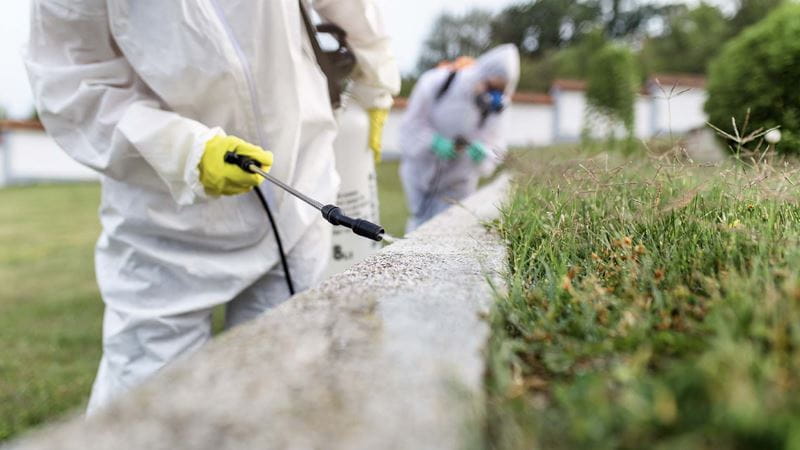
You can usually deal with ants yourself, but if you do decide to bring in a professional look for someone who won’t just spray the problem.
“Use the repellent gels first and if that doesn’t work, get in touch with a pest controller,” says Wales. "I try to spray as little as I can. We use gels now, which are slow acting. The ant takes the poison back to the nest and it kills it off.”
At the end of the day, ants are just trying to do a job. “They don't spread disease, but it’s not nice having ants around your house,” says Wales. “But it’s nature and nothing really keeps them away.”


Whether you're looking for straightforward insurance or cover that's packed with extras, our home insurance has plenty of options for people over 50.
Saga Home Insurance comes with garden cover included. Find out what’s included and get tips to help secure your garden.

We tested the popular supermarket frozen chips to discover which deliver the crispiest, fluffiest results.


A little know-how can go a long way when something goes wrong at home. Here’s our guide to warning signs and what to do about them.
We delve into the world of air frying to share tips on what to look for when buying, and offer advice from expert chefs.