Paul Lewis: June money news
Our money expert has updates on carer’s allowance debt, car finance compensation and dividend tax rates, plus a new way to make payments.

Our money expert has updates on carer’s allowance debt, car finance compensation and dividend tax rates, plus a new way to make payments.
Did you buy a car between 6 April 2007 and 1 November 2024 and use a loan arranged by the dealer? If so you might be one of millions of drivers mis-sold the finance and could be in line for compensation averaging £829 for each agreement you took out.
The redress can be claimed free by complaining to the lender that provided the loan. If you do that by 30 June, your complaint should be dealt with swiftly under special rules the Financial Conduct Authority (FCA) set out on 30 March.
More information and standard letters at MoneySavingExpert and Which?
The government has confirmed it will write off or reduce the debts owed by thousands of carers who received Carer’s Allowance but earned more than the weekly limit. The Department for Work and Pensions carried on paying them and then demanded they pay it back.
However, for 25,000 carers, the DWP misinterpreted its own complex rules and must now compensate them. But another 175,000 carers who were correctly charged will still be pursued to repay. The DWP says no one needs to call as it will deal with all the cases automatically. Let’s hope it gets it right this time.
If you’re regularly caring for someone, make sure you’re getting the right benefits.
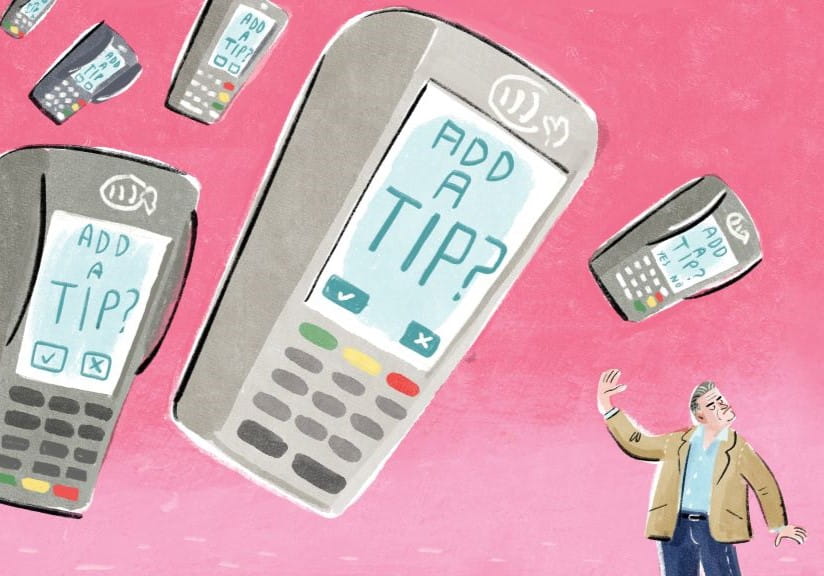
A new way to pay is being offered online and at retailers. It is called Pay by Bank and to use it you need to use mobile banking on your phone. The retailer takes the money directly out of your bank account – all you have to do is approve the payment on your app. Retailers love it because the charges are a lot lower than when you use a credit or debit card.
But consumers pay a heavy price – they lose all their consumer rights if something goes wrong. It is much safer to use a credit card or even a debit card to protect those rights
The number of pensioners paying tax on dividends paid on their shares has more than doubled in four years to 875,000 this tax year. Over all ages, that number has risen to almost 4 million, bringing in an extra £15 billion this tax year compared with four years ago.
The main cause is the sharp reduction in the tax-free dividend allowance. In April 2022, no tax was due on the first £2,000 of dividends. That was slashed to £500 two years later, meaning more dividends were taxed. And the tax rate charged also rose in 2022 and again this April. The 2026/27 dividend income tax rates are:
So it is even more important to put shares into an ISA, where dividends are tax-free.
Dividend tax is hitting more people than ever, and the rates have risen again this year. Learn how to calculate what you owe and ways to pay less.
(Hero image credit: GettyImages)


Why settle for less? Switch up your savings with true easy access and a great rate:
In partnership with NatWest, designed for people over 50. Interest paid monthly.
New customers only. UK residents only.

This year, Saga is celebrating an incredible 75 years – and we’d love you to be part of the celebrations. For a limited time only, you can subscribe to Saga Magazine for just 75p an issue.
Receive the next 6 print editions delivered direct to your door, plus 6 months’ unlimited access to the Saga Magazine app – perfect for reading on the go.
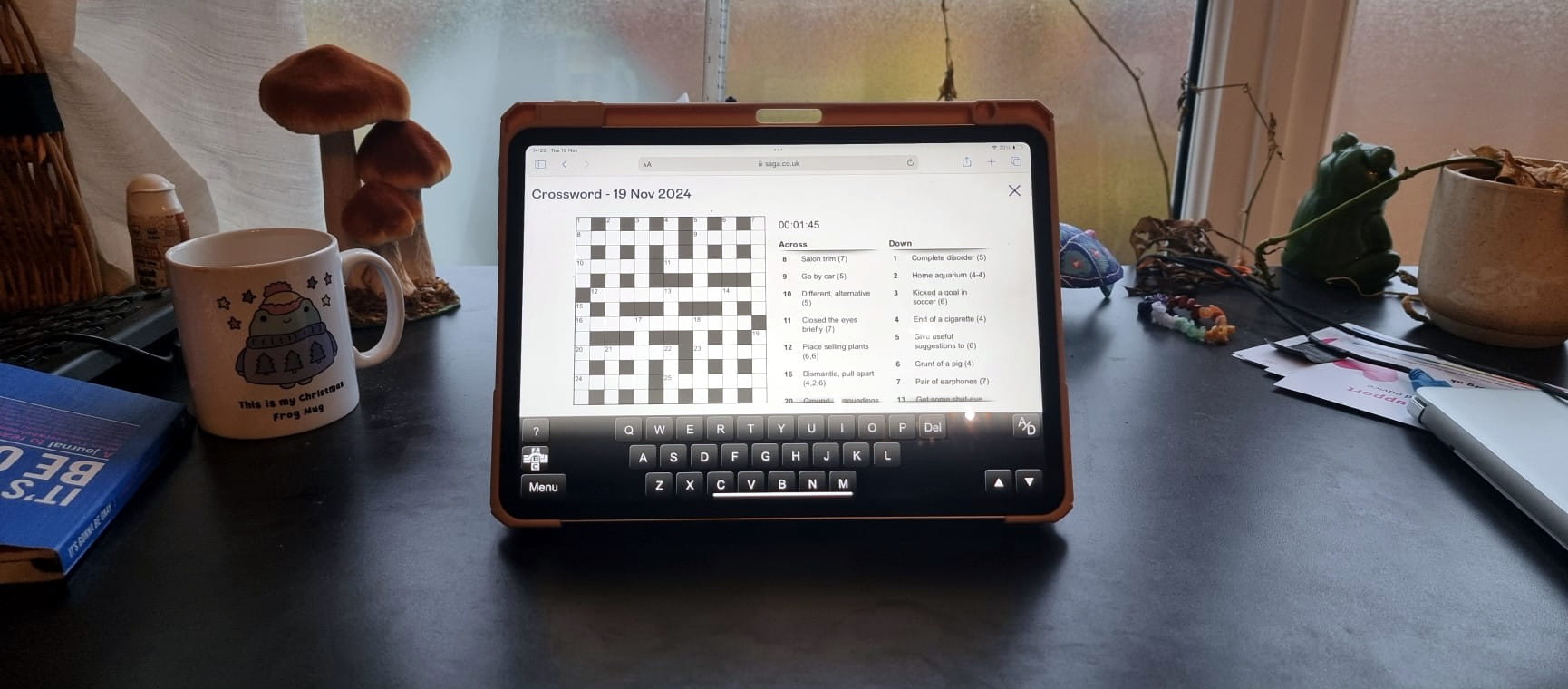
Try these simple tips and fixes for Saga’s crossword, sudoku and codeword puzzles.
With the start of the new financial year on 6 April, our money expert explains the changes to your pension, benefits and taxes.