
Saga's Automated Assistant
Saga's Automated Assistant
If you’ve noticed changes in your own home and wonder if you should be concerned, put your mind at ease by reading through the following information on what subsidence is, what you can do about it, and whether you’re covered by your home insurance.
Subsidence is when ground underneath a building sinks and pulls the building’s foundations down with it. You might find evidence of subsidence when the ground loses moisture and shrinks due to long periods without rain, or when trees and shrubs are planted too close to the building causing the soil to dry out.
Subsidence happens for a number of reasons including:
Building foundations might also be affected by other issues such as heave, when the ground underneath moves upwards due to over-saturation, and landslide, when a building moves down a slope with the ground underneath.
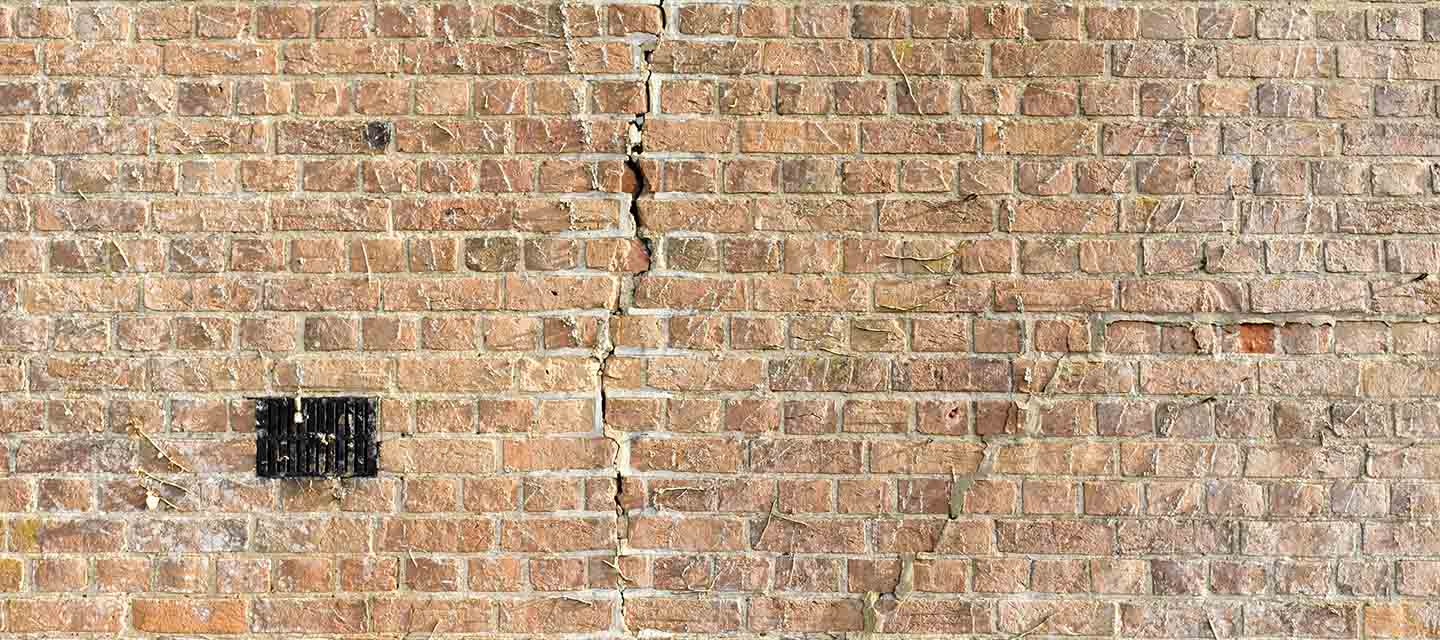
The first signs of subsidence in a house are usually cracks appearing in external or internal walls.
But not all cracks mean you have subsidence. New homes may have cracks as they settle, or houses can display fine cracks with temperature and humidity changes.
Subsidence cracks look quite different to other cracks. Internal subsidence cracks usually appear suddenly and can be found mostly around doors and windows.
Common early signs of subsidence include:
Natural ground subsidence is when the ground cannot support the weight of the building due to natural causes like trees or a spell of dry weather. There are some steps you can take to reduce the risks:
If you do spot signs of subsidence in and around your home, you’ll want to look at subsidence repair pretty quickly, before any issues get worse. If you have a policy that covers subsidence, you should contact your insurer for help as soon as possible.
Your insurer will advise you on the next steps and will usually send a specialist like a structural engineer or surveyor to examine the damage and confirm whether subsidence is the cause.
If it’s found that the subsidence has been caused by coal mining, you’ll need to get help directly from the Coal Authority, although you should keep your insurance provider informed of any claim.
Subsidence can have a significant impact on the value of your property, dependent on how severe the effects are.

If you’re thinking about buying a house with minor subsidence you should make sure that any potential issues are considered when you make an offer. You should also talk to your insurance provider to see if you’ll be able to get suitable cover for a property that has a history of subsidence.
Most buildings insurance policies will cover your property against subsidence if it hasn’t already been affected in the past. Saga Buildings cover policies offer subsidence insurance that also includes ground heave and landslip at the site on which the building stands.
If your property has been affected by subsidence before, you’ll need to provide all the details and evidence that the issues have been fixed. The insurance quote you get will factor in previously known issues, and, if eligible, your premium may be higher as a result.
At Saga we’ll usually ask for a copy of a surveyor's or structural engineer's report to confirm previous subsidence issues have been fully repaired before we can proceed with your quote.
So that we can understand your situation, we’ll want to see evidence of:
This information can be obtained from the insurer that handled your claim.
Saga Home Insurance is arranged and administered by Ageas Retail Limited and underwritten by Ageas Insurance Limited.


Choose Saga Plus, our highest level of home cover, and freeze the price of your home insurance for 2 years if nothing changes. T&Cs apply.
There's plenty to explore and learn about our home insurance cover.
When can you fix cracks yourself and when should you ask for help?

Use our seasonal home maintenance checklist to keep your home ship shape and avoid major costly repairs

Keep your home toasty and fuel-efficient with a few simple boiler maintenance tips. Avoid costly callouts with the help of our boiler care year planner.

What does it mean? Here’s how home insurance can help with get things back to normal after a leak.

It's more complicated than you might think. But there are some ways you could keep yours down.

Saga home insurance comes with garden cover included. Find out what’s included and get tips to help secure your garden.

Beat the burglars and protect your pressies with these top tips.

The energy price rise is impacting millions of UK households. So, what changes can we make to keep costs down and reduce energy use at home?

Find out how to accurately estimate the value of your home’s contents to get the right level of cover.

We’ll help you recognise the signs your boiler may be close to breaking down, find the best replacements, and estimate boiler prices so you can keep your home warm all year round.

Do you need buildings insurance for a leasehold flat? We explain how flat insurance works.