Are shady gardens the future?
As rising temperatures, droughts and flash flooding make gardening more unpredictable, shade could be the solution – for your garden and your health.
Getty
As rising temperatures, droughts and flash flooding make gardening more unpredictable, shade could be the solution – for your garden and your health.
Could you improve your health and happiness without spending a fortune, moving home or even turning back the clock? The Japanese believe you can.
They have turned to nature – through forest bathing, known as Shinrin-yoku – as a way of reducing stress, boosting mood and improving physical health. It could hold the key to modern living.
Japanese medical researchers have studied its effect on the mind and body to discover that participants – who escape the city, switch off their phones and stroll beneath a cooling, woodland canopy in dappled light – have lower blood pressure and pulse rates, fewer stress markers in their bodies and report feeling calmer and comforted.
They conclude that as humans evolved for millennia among trees and nature, rather than the concrete jungles we find ourselves in today, our minds and bodies still crave what we miss.
You don’t, of course, need to escape into a forest to feel the beneficial effects of nature. Everyone who gardens experiences the natural world and its seasonal cycle. But the return of widespread drought and heatwaves this summer has made many of our gardens less calming and more stressful, with higher temperatures, cracked lawns and parched plants reducing the relaxation factor from being outdoors.
As rising temperatures become the norm (2026 saw the UK’s hottest summer on record), experts agree that plants are vital for a healthier future. By increasing the number and scale of plants that we grow, we can effectively recreate a shady glade at our back door – making a better environment that lowers air temperatures and stress levels.
“Domestic gardens are the equivalent of an air-conditioning system for our cities,’ says Dr Tijana Blanusa, principal horticultural scientist at the Royal Horticultural Society (RHS). “Garden plants and trees help cool the air, combating dangerous temperatures caused by heatwaves.”
The most useful plants, Dr Blanusa explains, are trees and climbers because they cast shade and release water into the air through their many leaves.
The benefits are significant, she adds. Just a 10% increase in vegetation (trees or plants) in cities would help control the rise in summertime air temperatures from climate change, thanks to shade and transpiration. Plants such as ivy also help to cool buildings by absorbing the sun’s heat before it hits the walls, so reducing energy use and CO2 output from air conditioning.
.jpg?sc=max&mw=800&h=450&la=en&h=630&w=823&hash=41337DC1EC1AEBB17A593ED2C79C7BE8)
Yet despite its super-powers, shade gardening has an image problem. Ask most homeowners to describe their dream garden and it’d be a south-facing sunny plot. But just as old definitions of “good” gardening have moved from a chemical-led approach to a more natural, wildlife-friendly style, so changing perceptions of shade gardening are the next step.
“Shade is a good thing!” believes Åsa Gregers-Warg, one of today’s leading gardeners urging a more sustainable approach. “I grew up in Sweden, so there were lots of woods where I lived. I still love the tranquillity and calming effect of a woodland garden – and it’s refreshing to escape into from the heat.”
Gregers-Warg is head gardener at the Beth Chatto Gardens in Essex, where she oversees seven-and-a-half acres of every condition from deep woodland shade to drought-tolerant gravel. The gardens’ eponymous founder Chatto was ahead of her time in the 1960s by creating a series of areas that responded to their specific soil and light conditions using the principle of Right Plant, Right Place. This means choosing plants to match your environment rather than simply buying those that catch your eye and hoping they survive.
“As weather changes, shade is definitely needed for the future,” believes Gregers-Warg, “and not just shady gardens but shaded homes, too. There’s a fear of planting close to a house, but it’s time to change that view as there are so many trees or shrubs you can grow for shade, even in smaller gardens.
“I planted a Judas tree by my back door, years ago, and now it’s a perfect screen against summer sun, bringing down indoor temperatures – but I still get winter sun, after the leaves drop.”
While making the right plant selections is vital, the real key to success in shade is how you manage the growing conditions under foot. Shady areas will typically have very dry or damp soil, both of which benefit from opening up with organic matter – ideally a combination of well-rotted manure, homemade leafmould and bought-in, organic mulches of composted bark chippings or shredded plants, such as Strulch or RocketGro.

Adding organic material works for wet or dry soil by creating more air pockets between the soil particles, which stimulates healthier root growth and better moisture retention. Doing this twice a year on the most compacted soils, and annually in early spring to lock in winter moisture on improved borders, will give plants the water and nutrients to thrive without any need for regular digging.
Better still, says Gregers-Warg, is to let nature do the work and leave no bare soil showing at all by using a carpet of ground-cover plants in shade, which keeps soil cool and holds in moisture. This means they rarely need mulch but do rely on natural leaf drop.
Following their example, she suggests that if you have deciduous leaves that fall onto shaded borders, let them lie and rot down naturally, clearing them away only from the crowns of plants and lawns. This natural approach is simply echoing nature and over time helps to create a lovely crumbly, humus-rich surface that enhances the soil without overfeeding it.
Initial plantings in shady ground can take longer to establish, with more watering than in sunnier borders, as shade-loving plants are more dependent upon soil than sunlight. Over time, though, regular mulching will improve results and reduce the need for watering once roots can extend further through improved soil in search of nutrients and moisture.
Gregers-Warg and her team practice a low-water approach to gardening, despite being on very free-draining soil in a county with the lowest rainfall in the UK. Once plants are in the ground, they’re not watered again unless they’re young trees still establishing – but it’s not always an easy message to share with a visiting public who expect highly primped, show-garden standards.
“We all need to be water wise,” Gregers-Warg believes. “There’s a lot of talk about going peat-free, but the next real concern is water. There will be water shortages before long so, to adapt, we must change the way we garden.
“And we have to change people’s expectations. Shade gardens have a subtle elegance, focused more on shape and texture, so they won’t look as lush when you’re not watering. You just have to accept that some plants will look a bit stressed for a while, but when temperatures cool and there’s rain, they’ll perk up again. We show it’s possible in this changing climate to be sustainable and beautiful.”
As the world around us heats up, using the power of plants to stay cool and calm in our gardens and cities looks like a future that even our ancestors would recognise.
Need inspiration? Find out more with our shady garden ideas.
.jpg?sc=max&mw=800&h=450&la=en&h=630&w=823&hash=EA1282E9BD8FF11901D09FA07E0376DC)
Understanding the type of shade you have is key to choosing the right plants. Stand at your back door to see where sun falls in the day and during different seasons. Is the soil in shady areas dry or damp? Do buildings cast deep shadows all year round? If the latter, soil there is likely to be cold for longer and dry.
Cast by buildings, mature trees or evergreen hedges, and on the north side of walls. Even shade-loving plants may struggle under a dense canopy if it’s dry.
Plant: Ferns, ivy, blue-leaf hostas, lily of the valley, snowdrops, skimmia, climbing hydrangea, mahonia, fatsia, Solomon’s seal, kerria, and rhubarb, as well as ground cover: epimedium, liriope, cyclamen, trachystemon, and bergenia.
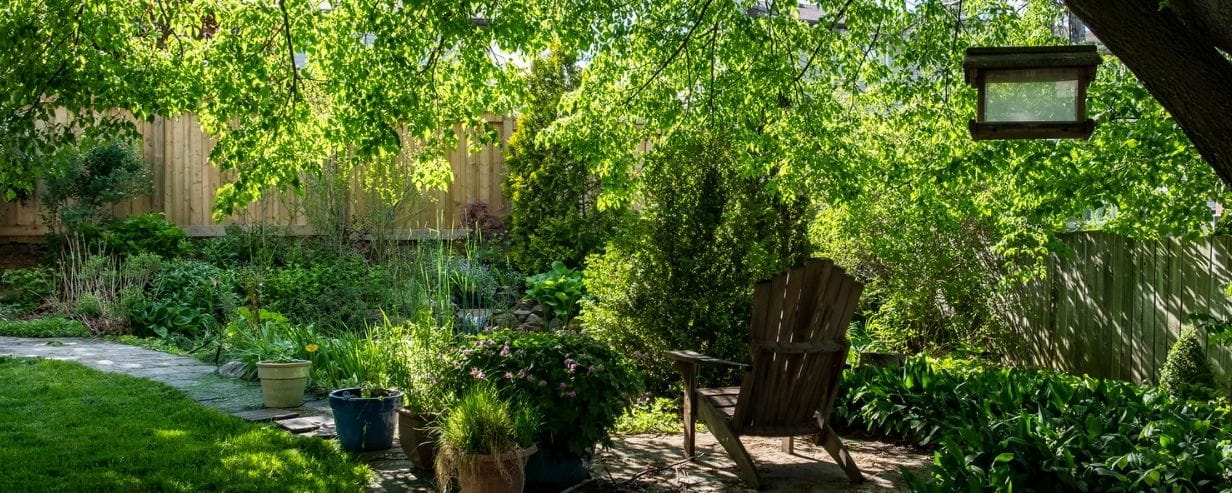
Found under deciduous trees, it is closest to woodland, with a leafy canopy in summer but open in other seasons.
Plant: Hydrangeas, fuchsia, daphne, sarcococca, acers, spring clematis, amelanchier, astrantia, foxglove, euphorbia, dusky cranesbill, pulmonaria, hellebore, Japanese anemone, green and variegated hostas, heuchera, tiarella, pansies, and begonias, as well as hardy bulbs: daffodils, snowflakes, bluebells, and Turk’s cap lilies.
Cast as the sun moves across the sky: 3-6hrs of sun in summer. Many plants are happy here.
Plant: Camellia, late-summer clematis, honeysuckle, astilbe, hardy geraniums, alchemilla, primroses, bleeding heart, honesty, yellow-leaf hostas, and oriental lilies, as well as leafy herbs: mint, parsley, coriander, sorrel, chervil, and sage.
All plants rely on sunlight for growth as it provides the energy they need, but shade plants can only draw upon light from the red end of the spectrum as blue light is generally absorbed by the tree canopy above.
So, they’ve become more efficient at capturing light, growing broader leaves with higher levels of the green pigment chlorophyll that help convert carbon dioxide and water into glucose. They also have lower respiration to retain moisture in often dry conditions.
Find out about Saga's Gardening holidays here...
Explore stunning outdoor sanctuaries on Saga’s garden-themed getaways – it doesn't matter if you’re a keen horticulturist or just someone who enjoys colourful blooms.
Saga Home Insurance comes with garden cover included. Find out what’s included and get tips to help secure your garden.
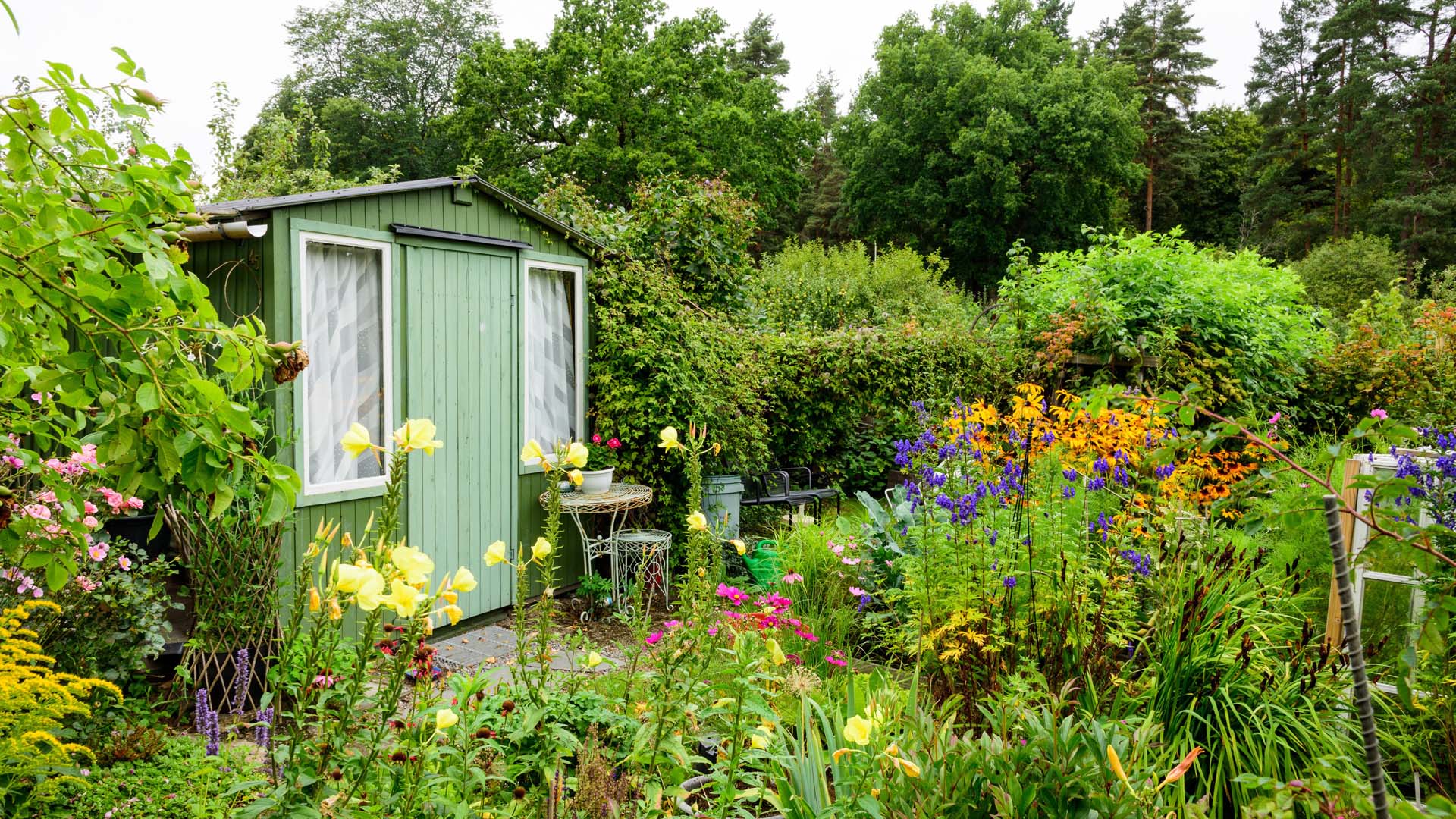
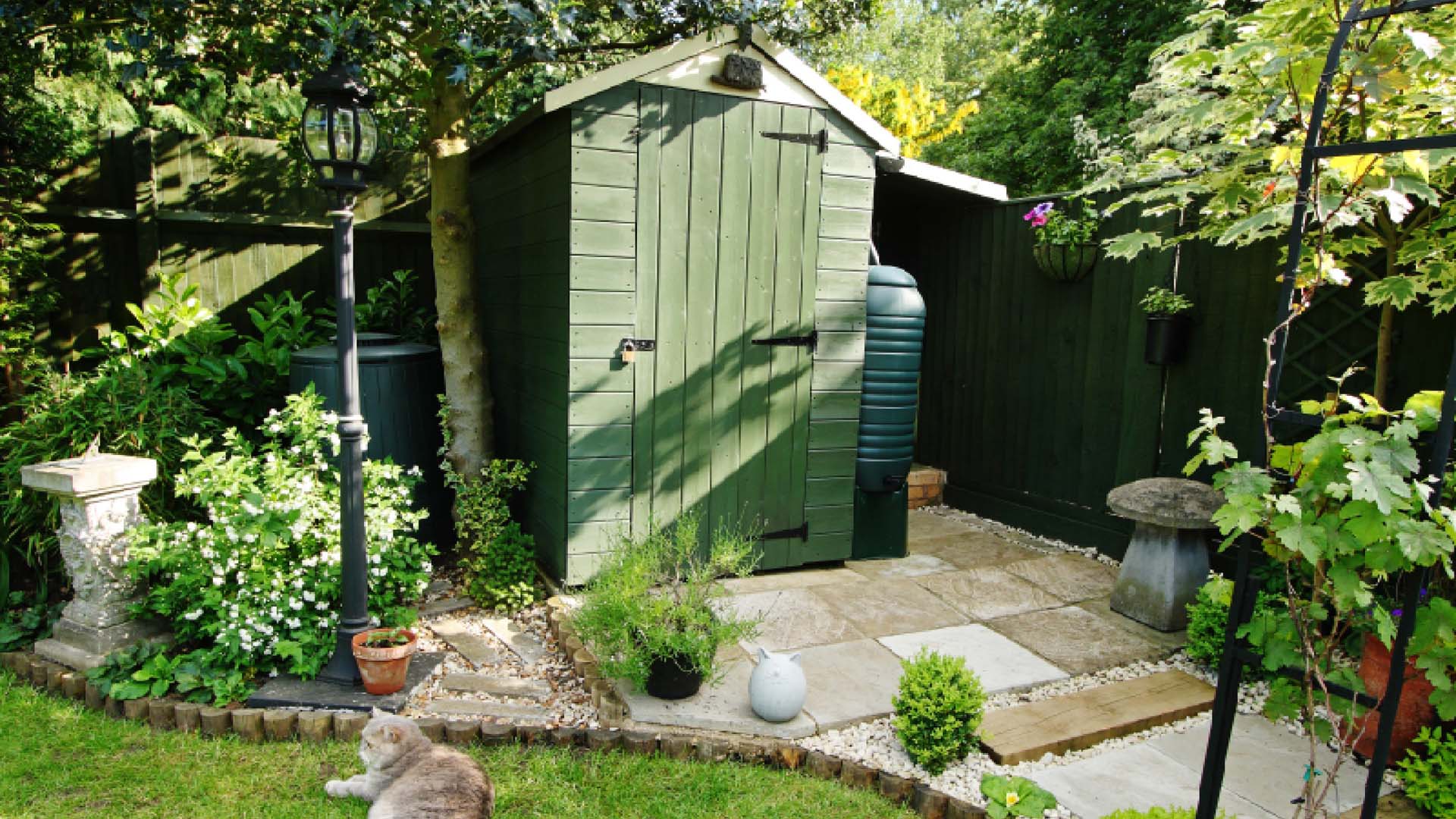
Size, height and where you put it are just some of the factors that will determine whether you’ll need planning permission for a shed.

Our outdoor kitchen ideas come with expert design tips for easy alfresco dining.
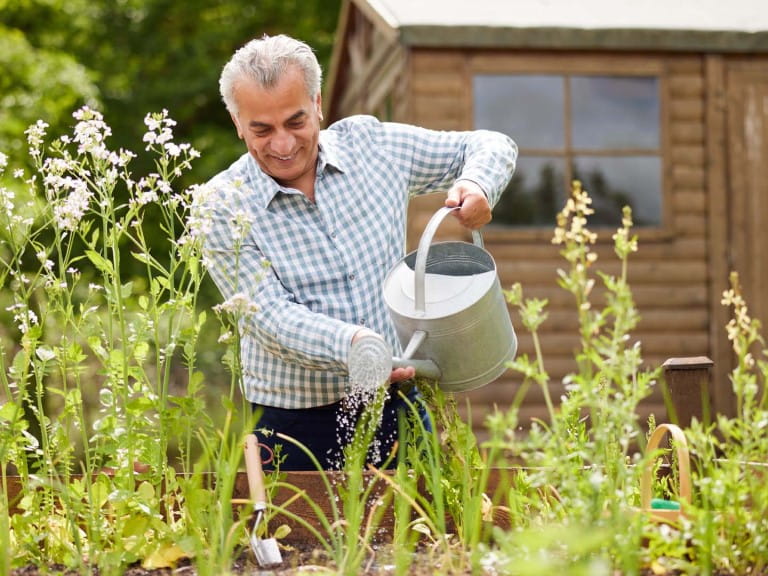
Our raised bed garden ideas can transform tight spaces, soften courtyards and break up sprawling lawns, making plants easier to access and care for.
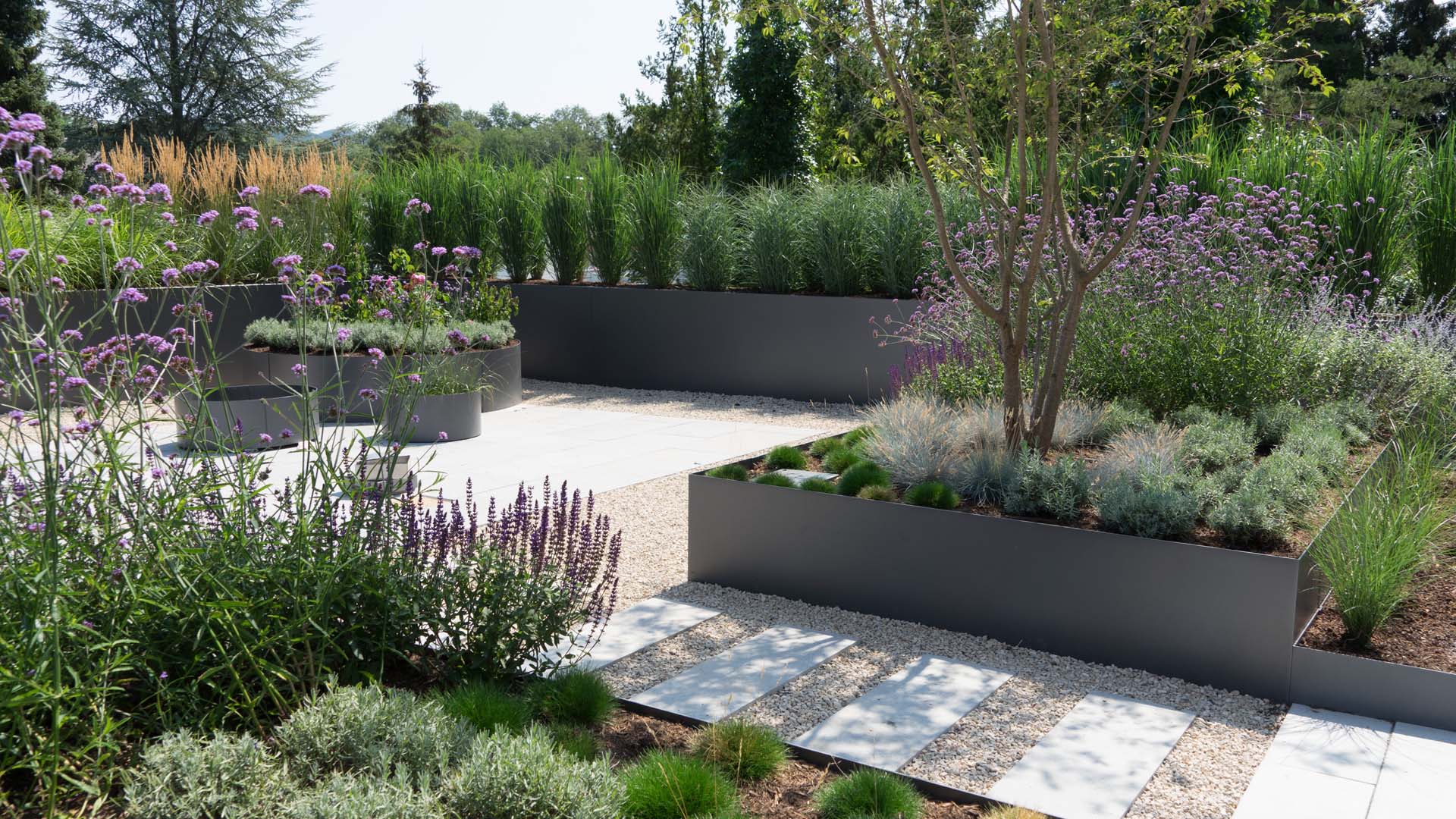
Love your garden, but don’t have enough time to look after it? We’ve got many ideas to reduce your work load.
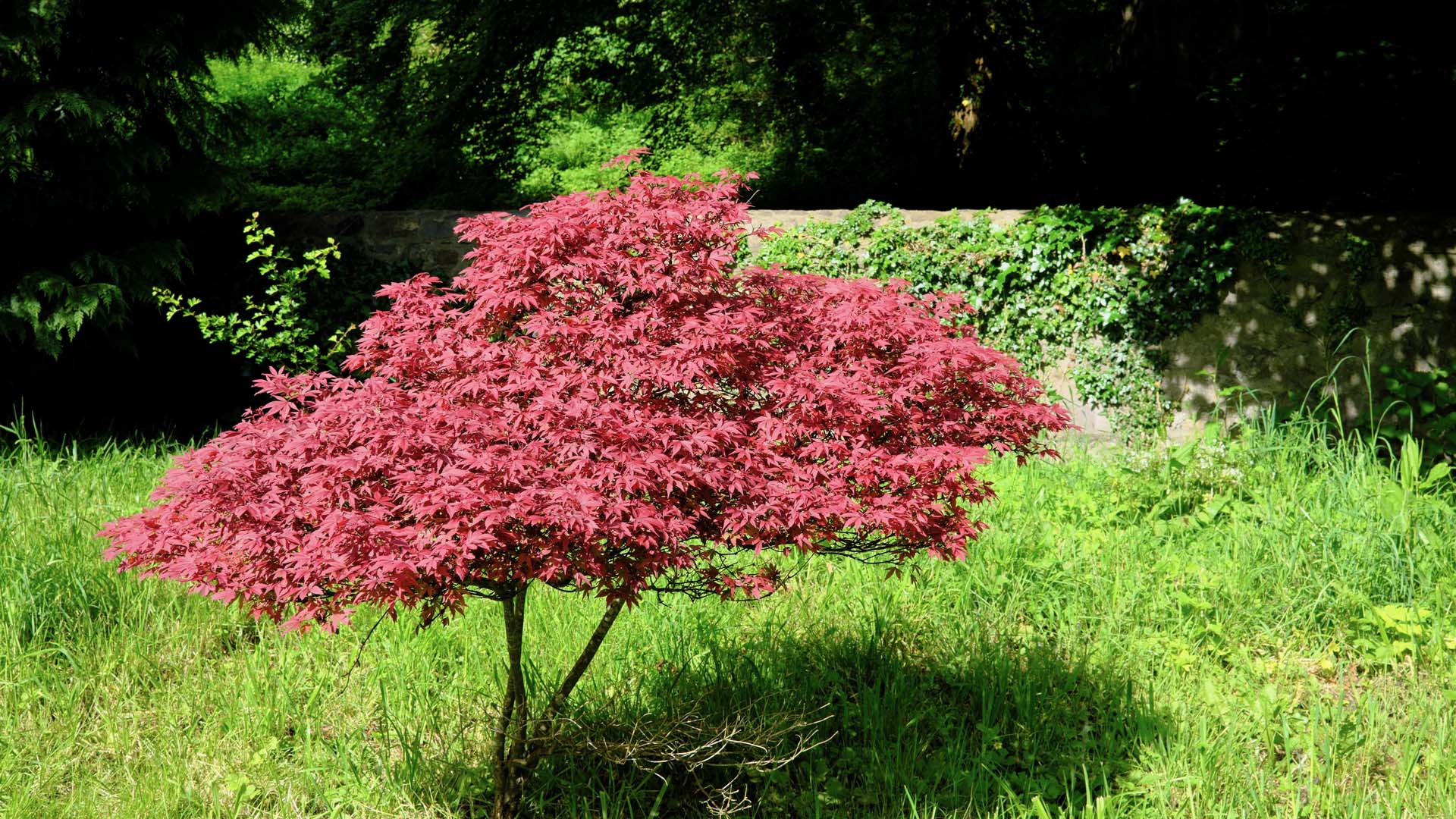
Our best trees for small gardens offer character and colour.
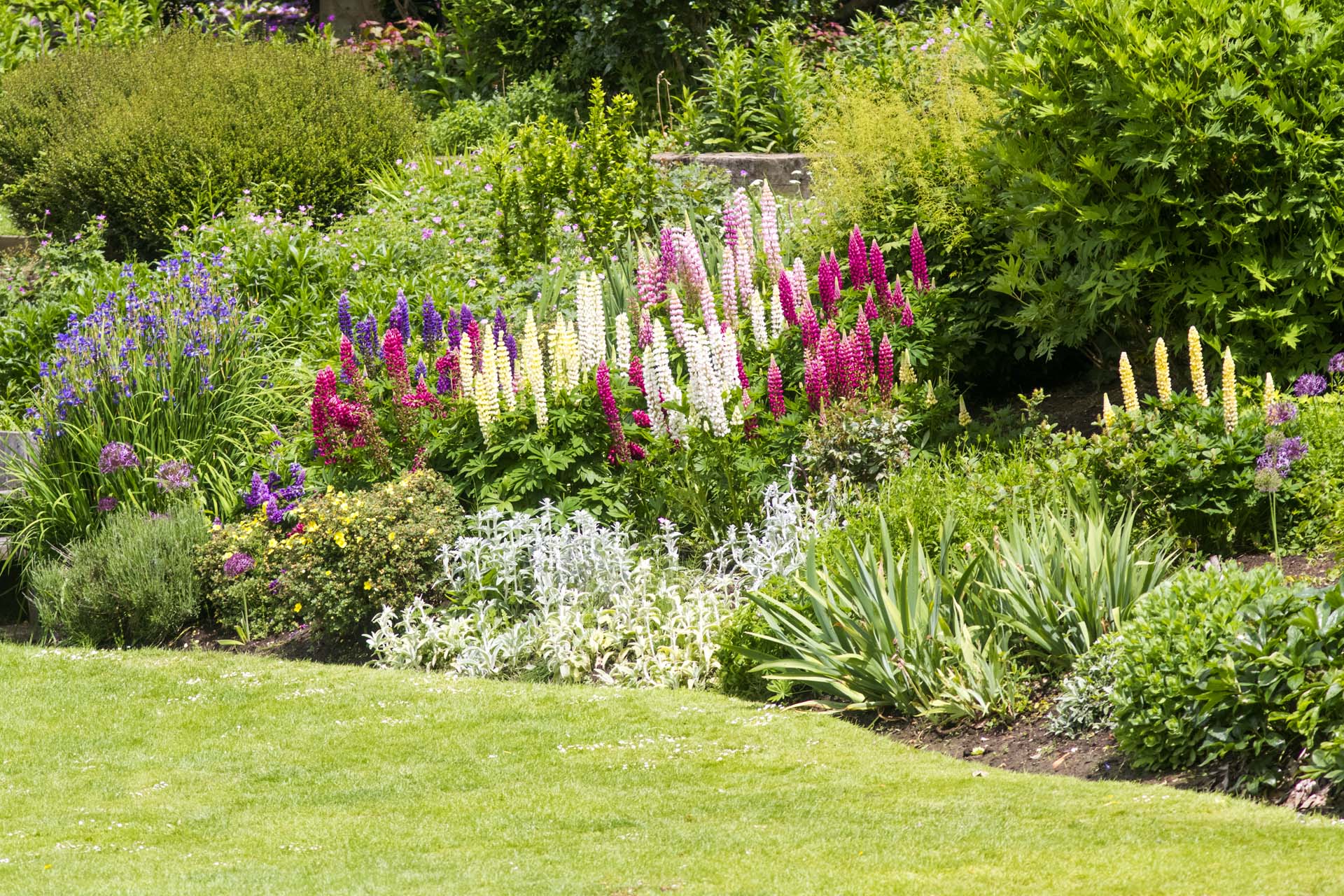
The experts pick flowers and shrubs that will create beautiful borders with minimum effort and maximum impact.
Try these clever ways with rocks, pebbles and boulders to transform your terrain.
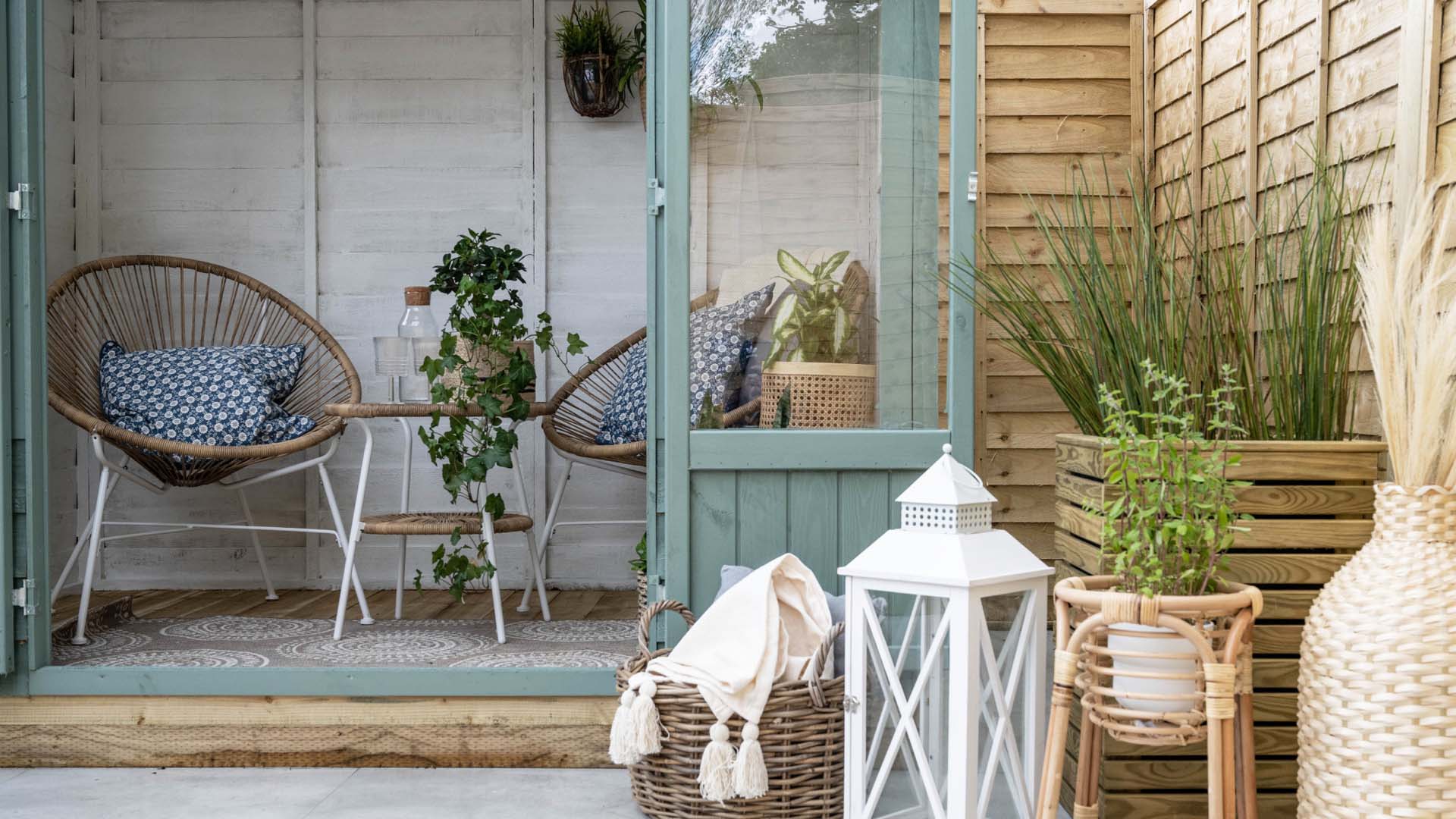
Discover how to make a small garden look bigger with our useful guide that’s crammed with easy tricks, from your choice of floor to the clever use of plants and accessories.
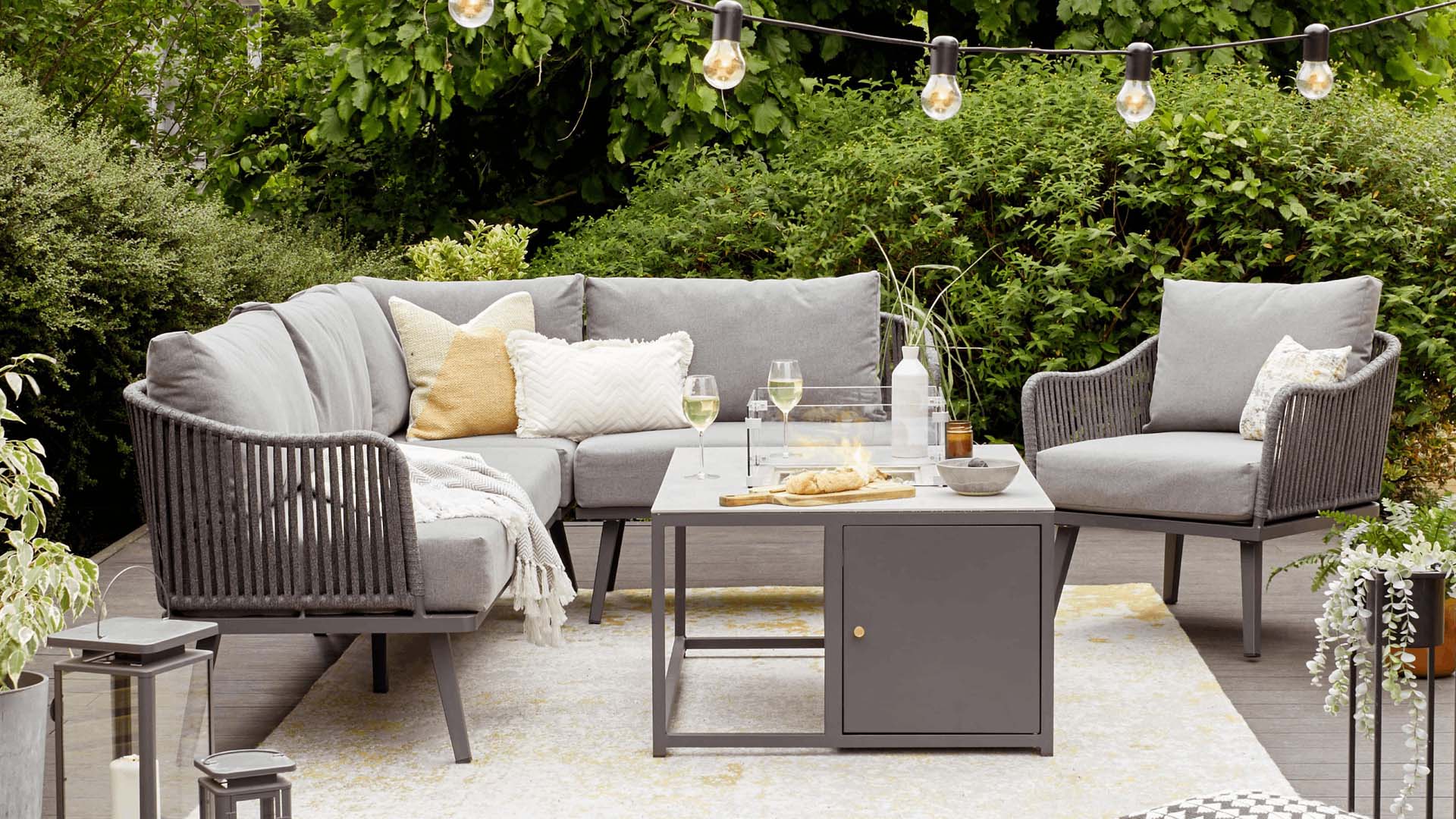
Our garden seating ideas and designs will help you make the best choice for your available outdoor space, with expert tips on keeping your purchases in top condition.