Are baked beans good for you? The truth about Britain’s favourite tin
The nation’s favourite comfort food is packed with health benefits. Discover their wellbeing secrets and which brands are best.
Getty
The nation’s favourite comfort food is packed with health benefits. Discover their wellbeing secrets and which brands are best.
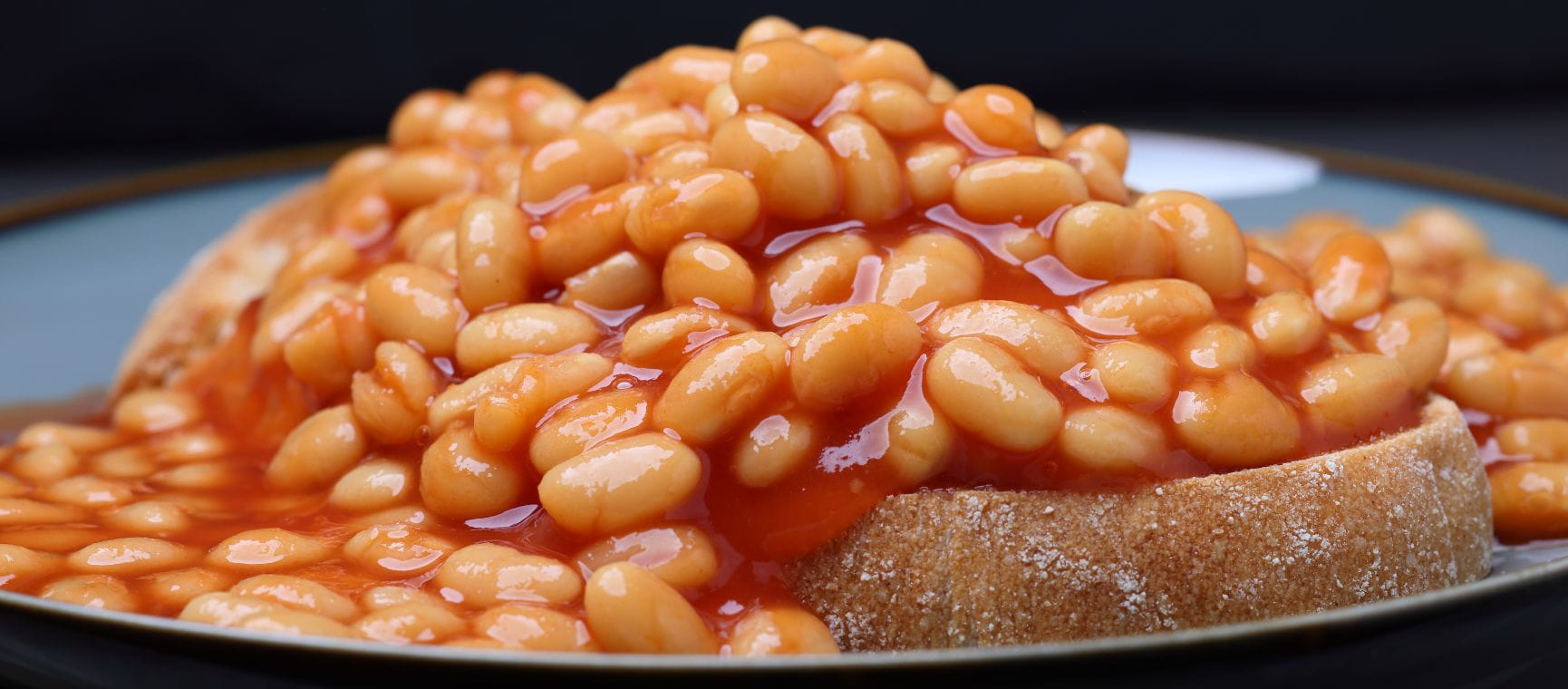
They’re the tin that never lets us down. Quick tea after a long day? Baked beans on toast. Filling for a jacket potato? Baked beans. Final flourish to a cooked breakfast? You guessed it.
But beyond the comfort-factor, are they actually doing us any good? In short, yes. The humble baked bean might just be one of the most underrated health heroes in the cupboard.
Each forkful of baked beans comes with a quiet nutritional punch.
“Less than 10% of UK adults are getting the recommended 30g of fibre a day,” says nutritionist and food coach Kate Law. “On average, most people are only hitting 18-19g. Just half a can of baked beans provides around 9g, which makes them a great addition to the diet.
"They’re also a fabulous source of plant-based protein for muscle repair and maintenance, and a useful alternative source of iron, especially for those who eat little or no red meat.”
It’s unsurprising, then, that we Brits are utterly devoted, hoovering up some 2.5 million cans every single day, or around 5.3 kg per person per year.
Eating beans regularly has been linked with better heart health and lower cholesterol.
In one study, men who added a daily can of baked beans to their diet saw their total cholesterol fall by 11% in just two weeks, and importantly, their levels of HDL “good” cholesterol stayed the same.
Of course, we can’t talk beans without mentioning, well, wind. Beans have a reputation here for good reason: they contain complex carbohydrates that our digestive enzymes can’t fully break down.
“These carbohydrates travel to the large intestine (the gut), where gut bacteria ferment them,” says Law. “The fermentation produces gas, which explains bloating or flatulence.”
But that doesn’t mean you should avoid them. Law advises taking it slow.
“When advising clients to consume more fibre, I always recommend building up gradually and making sure hydration is on point,” she says.
“Most people experience less gas over time as their microbiome adjusts.”
And the pay-off for a little patience? A healthier gut. Baked beans contain both soluble fibre and resistant starch, which act as food for beneficial bacteria. During fermentation, these bacteria produce short chain fatty acids (SCFAs), which, Law says, “can help reduce inflammation, regulate blood sugar and may even lower cholesterol, helping protect against age-related issues like Type 2 diabetes and cardiovascular disease.”
That’s particularly relevant as we age. Gut microbiome diversity naturally declines over time, making us more vulnerable to infections and sluggish digestion. Constipation can also become more common. Keeping the gut well-fed with fibre-rich foods such as beans supports better digestion, stronger immunity, and even mental wellbeing.
“70–80% of the immune system resides in the gut, so keeping bacteria well-fed helps maintain resilience,” Law points out. “Early research is also linking good gut health with positive mental wellbeing, perhaps even protecting against anxiety and depression.”
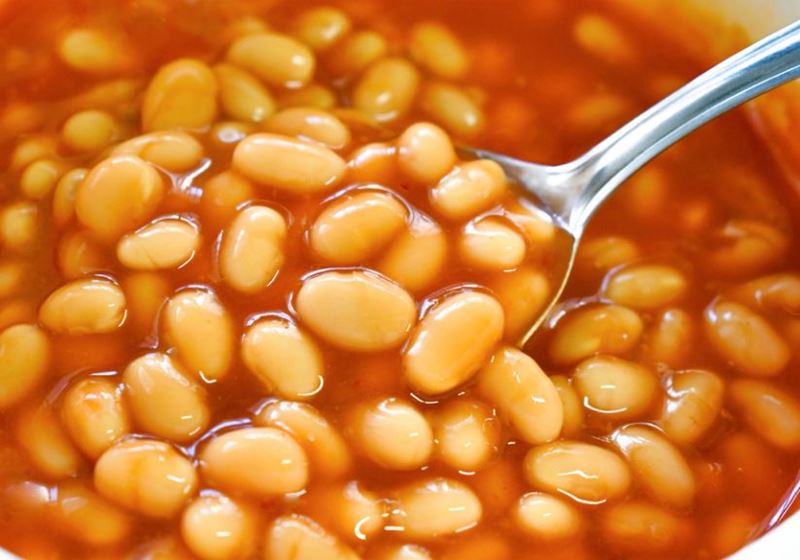
It’s not just the wind factor that gives beans a bad name, they’re often criticised for being high in sugar and salt, but the reality isn’t as bad as you might think.
“Provided the lower sugar and salt varieties are chosen most of the time, it isn’t too much of a problem,” says Law. “If you opt for the reduced versions, it brings levels down even further.”
And don’t be too quick to dismiss the tomato sauce as just flavour either.
“The tomato sauce provides lycopene, potassium and some vitamin C,” explains Law. “Because it’s cooked, the lycopene is particularly well absorbed, so there are real nutritional benefits too.”
Next time you’re browsing the shelves, here’s what Law recommends checking:
“For most people purchasing beans, lower salt and sugar are the key nutrients to watch out for,” says Law.
One extra thing to note: some reduced-salt and sugar varieties are reformulated with a touch of artificial sweetener.
“In most cases this is minimal and consuming artificial sweeteners in such small amounts isn’t dangerous,” reassures Law. “It really comes down to personal preference and personal health goals.”
But are well-known brands such as Heinz and Branston really superior, or are supermarket own-brands just as good? From a nutrition perspective, there’s little between them.
“Generally, supermarket brands are just as good,” says Law. “Heinz and Branston stand out because of branding and promotion, but nutritionally they’re almost identical to own-label.
"For example, ASDA’s baked beans have virtually the same fibre, protein and bean percentage as Heinz.”
We crunched the numbers on fibre, protein, sugar and salt and here are the three healthiest tins on the shelf. All figures relate to a half tin portion.
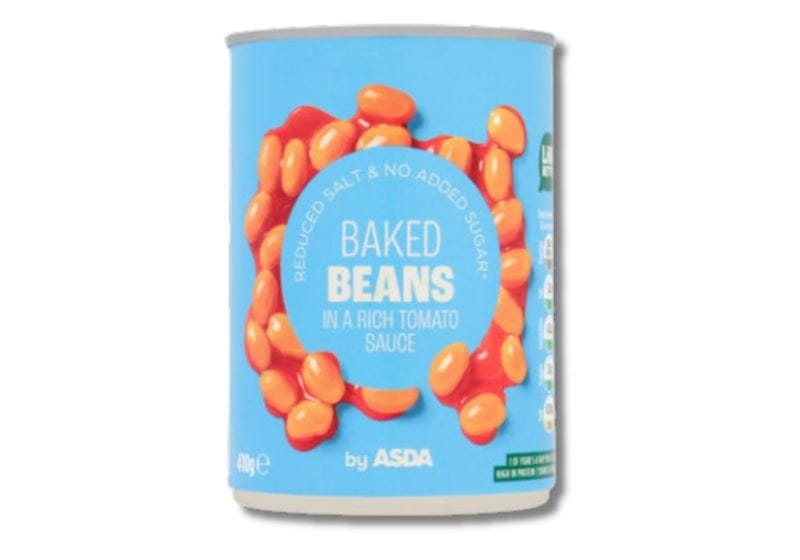
These have an excellent balance of high fibre, good protein and very low sugar, making them a smart choice for both gut and heart health.
At just 42p a tin, they’re also the cheapest on our recommended list, proof that healthy doesn’t have to mean pricey.
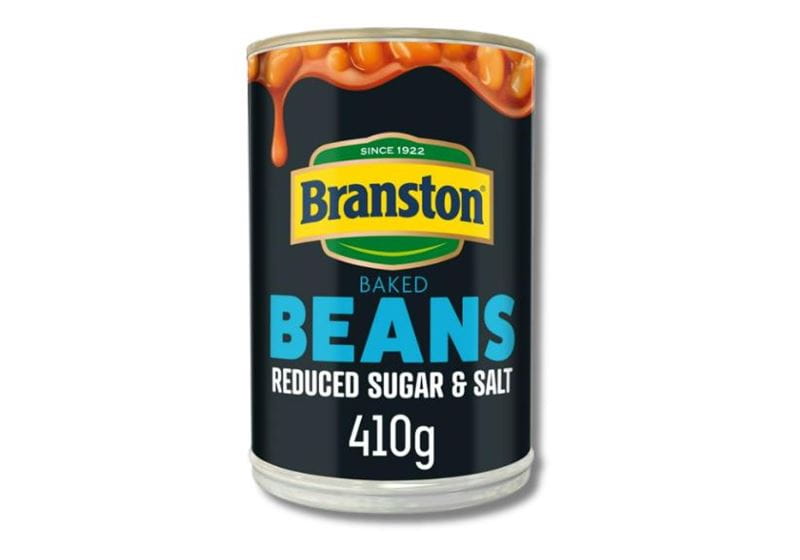
If you’re looking to maximise fibre and protein, Branston’s reduced sugar and salt version comes out on top. With the highest levels of both, these beans are brilliant for supporting digestion, gut health and muscle maintenance.
The sugar and salt are slightly higher than ASDA’s, but still much improved on the standard recipe.
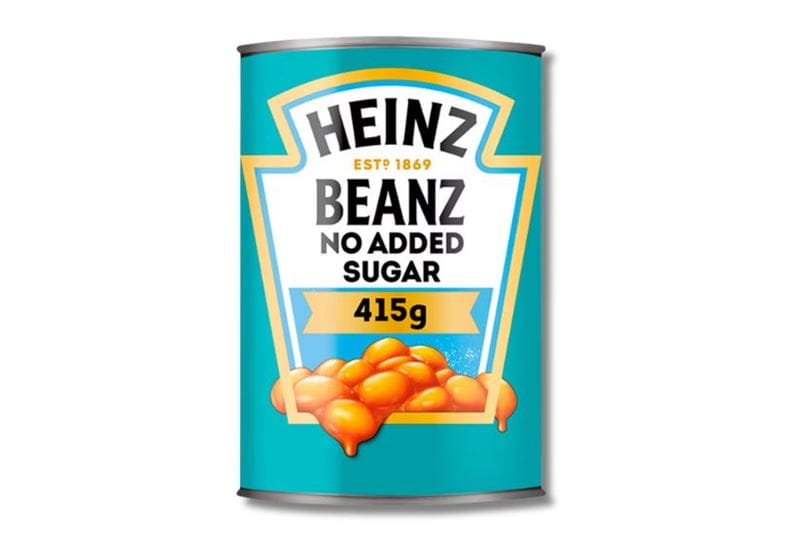
For those who love the taste of Heinz but want a healthier option, this tin is a solid swap. It keeps sugar low without compromising flavour, while still delivering a good protein hit.
The fibre isn’t quite as high as some rivals, but it’s a reassuringly healthier twist on Britain’s best-known beans.
A good middle-ground choice with decent fibre (8.9g) and protein (8.8g).
The sugar content is a little higher at 6.2g, but still an improvement on standard beans.
The star for anyone keeping an eye on sugar and salt, with just 2g sugar and the lowest salt of the bunch (0.44g).
Fibre is a bit more modest at 7g.
Another strong budget option. Very low in sugar (2.1g) and salt (0.52g), with a solid all-round balance.
Fibre is decent at 10g.
Cheap, filling and far more nutritious than they’re often given credit for, baked beans deserve their spot in the cupboard. They’re good for your gut, kind to your heart and bring a useful boost of fibre and protein.
As Law sums it up: “Beans are a well-rounded powerhouse and can absolutely be part of a balanced diet.”



Buy direct and start a new Saga Health Insurance policy by the end of 10 December 2026 to get your first 3 months free. T&Cs apply.
Underwritten by Bupa Insurance Limited.

Trusted advice, practical tips, exclusive interviews, puzzles, competitions and more every week. Sign up to our free newsletter.

Find out about Saga's gastronomy holidays here...
They say the way to the heart is through the stomach, and Saga’s thoughtfully crafted food and wine holidays are perfect if you like trying new flavours and exploring traditional methods of cooking.

Expert nutritionists break down the most important foods to eat in each decade as we get older.

We reveal the 7 best tinned foods to supercharge your health while saving you time and money.
From ketchup to mayo – how healthy are your sauces? We find out the pitfalls and surprising benefits of our favourite condiments.

Could honey be the sweetest way to supercharge your health this year? Our experts explain the benefits and which to buy.
Our expert guide to the common foods you shouldn't mix with prescription drugs.

Experts reveal whether chilled supermarket soups are worth the extra cost and if some flavours are better for you than others.
Looking after your gut health could be one of the biggest things that you can do for your overall health. Here are the best foods to keep your gut happy.
The foods that could help you live longer and protect against chronic illness.
A dietician reveals which foods can help protect vision and prevent age-related eye conditions.
Everything you need to know about protein, from how it benefits your body to the best high-protein foods – and how much you really need.