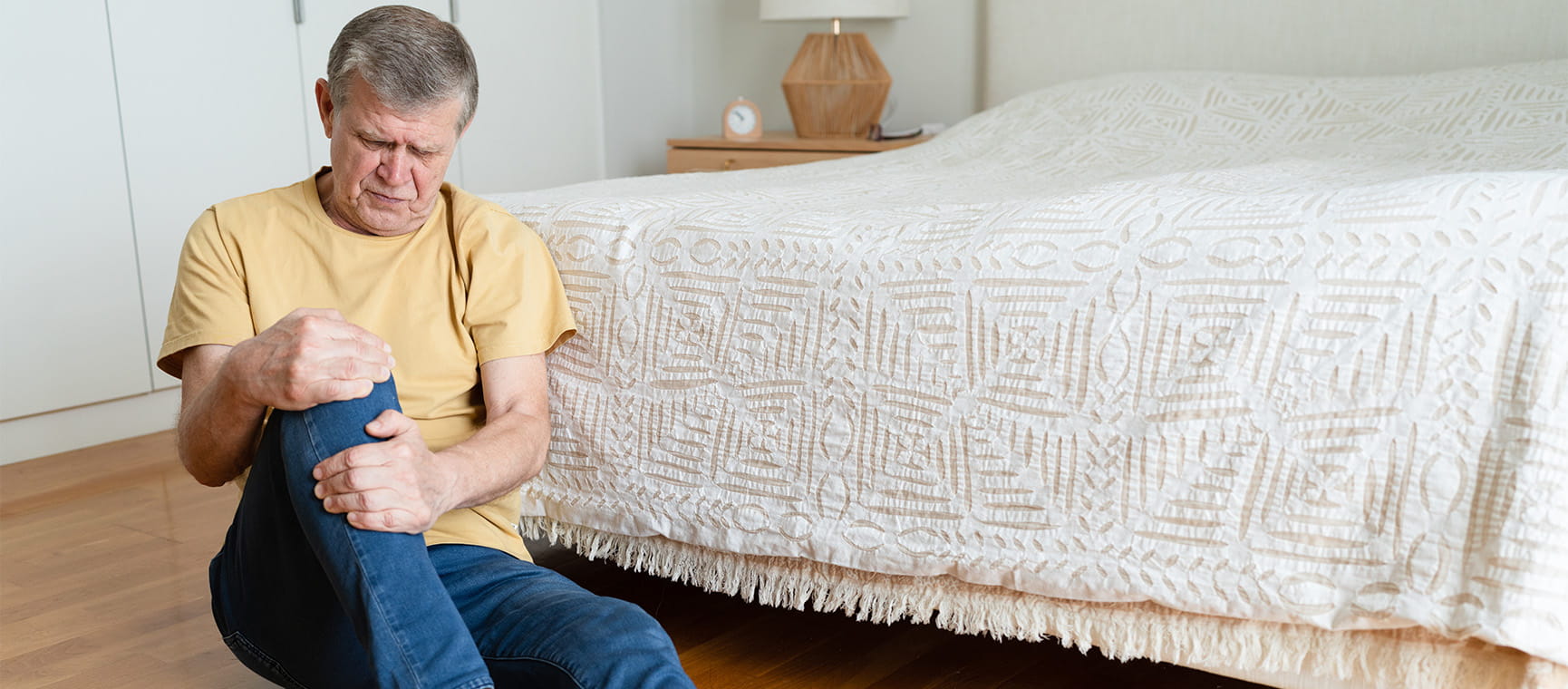
Can keeping the curtains open improve your sleep?
Some believe that waking up to natural light helps you sleep better, but before you pull up the blinds, hear what the experts have to say.
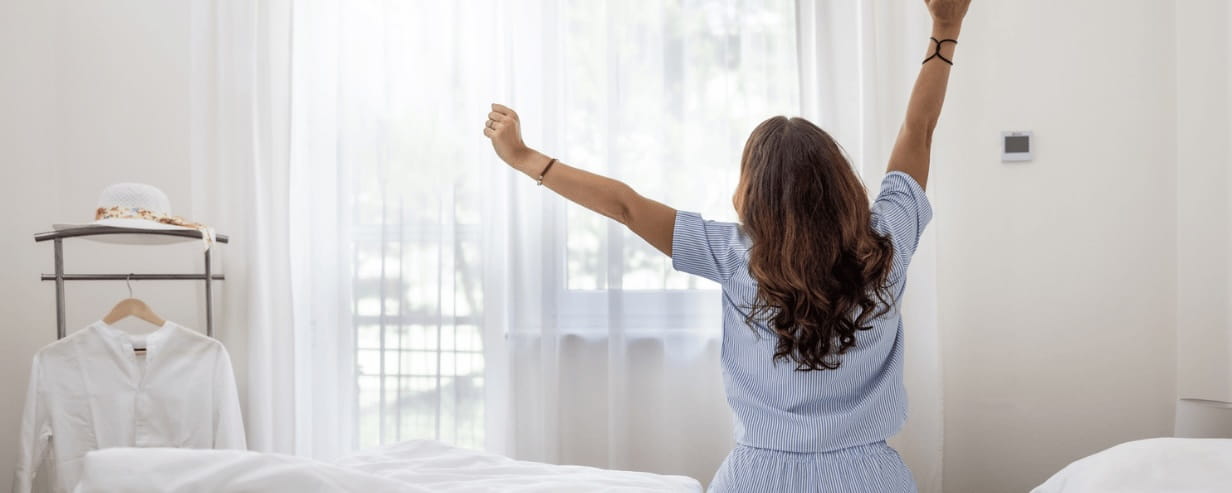
Some believe that waking up to natural light helps you sleep better, but before you pull up the blinds, hear what the experts have to say.
According to devotees of The Dutch Method, leaving your curtains open so that your bedroom floods with natural light works with your circadian rhythm, the internal body clock that regulates your sleep cycle.
Followers find that it makes them more alert in the morning, so they sleep better at night. The NHS emphasises good sleep hygiene, but the right conditions vary from person to person as your preferences are so individual.
Sleep consultant and founder of The Sleep Works Maryanne Taylor explains that The Dutch Method is based on how light influences our sleep-wake cycle.
“When natural light enters the room in the morning, it helps stop melatonin [the sleep hormone] and triggers a natural rise in cortisol, which is what helps us feel alert and signals to our brain that the day has begun,” Taylor says.
If you don’t fancy setting your alarm, but want to wake up gently, letting the light in is a gentle, gradual and calmer way to do it.

Nicole Ratcliffe is a sleep educator at The Workplace Sleep Coach, and she falls into the curtains-shut camp. “I sleep in pitch black, and even in the summer I’ll close the blinds an hour before bed to stop the light coming in,” she says.
“There’s no one-size-fits-all. When you first go to sleep, you get more of your deep sleep, but if you wake up at three o’clock, you’re not exhausted enough to crash out, which is why you’ll find it harder to get back to sleep.
“So that second half of the night is more problematic, when you go into REM [rapid eye movement] sleep, where you get vivid dreams.”
Studies show that being exposed to natural light in the morning is good for you, and Ratcliffe recommends getting outside first thing rather than scrolling on your phone. But our British seasons could mean you run into problems if you leave the curtains open.
“In winter, it wouldn’t be a bad thing to let the natural light in, but it’s more difficult because it’s dark when you wake up,” she says. “You might even feel tired earlier in the evening.
“Then, when you get to summer, you might naturally go to bed later as the sun’s out. If you leave your curtains open, you could be waking up too early. But you can always try it, and if it feels right, carry on.”
If a good night’s sleep feels like a distant memory from your 20s, there’s a reason for that.
“Melatonin levels decline as we get older, which can make it harder to fall and stay asleep,” says Taylor. “At the same time, the body clock can shift earlier, so you might feel sleepier in the evening and wake earlier in the morning.
“We also become more sensitive to disruption during the night, and things like stress, life changes, noise or light can have a bigger impact on sleep than they did previously.”
Blocking out anything that might disturb your sleep further is essential, whether that’s your phone lighting up, noisy neighbours or streetlamps, so it makes sense for the bedroom to be in darkness.
“Noise pollution can be a problem if you leave your curtains open all night, as artificial light, like street lights, can disrupt your melatonin,” says Ratcliffe.

Listening to bacon frying, humming like a bee and tensing your toes might sound like weird ways to get to sleep, but they might just work for you. Then there are the more conventional measures, like getting plenty of fresh air and activity throughout the day, and doing some relaxing bedtime stretches.
“Being less active during the day can reduce sleep pressure, which is the natural build-up of tiredness that helps us fall asleep, so when this is reduced, it can affect our ability to nod off,” says Taylor.
A good routine is as essential as a comfortable mattress, according to Ratcliffe. “It’s all to do with giving your brain the right message,” she says. “Dim the lights and get into a good bedtime routine. Get everything out of your head: write a to-do list for tomorrow and clear out your thoughts, or they’ll be the things you think about when you wake up at 3am.
“Breathwork can be really good, and think about your morning routine as well. Sometimes you wake up feeling tired, but it’s dehydration, so drink a glass of water before you reach for the caffeine.”
Sleep varies from person to person, and, while some people need eight hours, others can get by on less. We’ve got more on how many hours sleep you need as you get older.
If you have any worries about your sleep, contact your GP.
[Hero image credit: Getty]


Buy direct and start a new Saga Health Insurance policy by the end of 10 December 2026 to get your first 3 months free. T&Cs apply.
Underwritten by Bupa Insurance Limited.

Some Saga holidays include soothing or spiritual activities like joining a traditional tea ceremony in Japan, practising yoga in India or bathing in Iceland’s Blue Lagoon.

Are you retiring at the wrong age? The best age to retire for your body, brain, happiness and pocket.


Everything you need to know about the lung infection, and how you could be ill with “walking” pneumonia without realising it.
Strong calves for a strong mind: how they support our circulation and brain health, with easy moves to strengthen yours at home.


Our GP Dr Mark Porter explains what can cause itchy skin, which is a common problem as we get older.

Worried you’ve morphed into Victor Meldrew? Find out how to battle that bad mood, and what to do if you’re stuck with a grouchy loved one.

The benefits of heat and cold therapy, and how Nordic bathing won over our nervous writer.

From breathlessness to swollen ankles, a cardiologist explains the warning signs to look out for.


Everything you’re entitled to this year, when you can have it, and the gaps that remain.

Pilates for back pain – what to do if you are suffering, and five gentle exercises that could help.
Dizziness or vertigo: a sensation of spinning, can stop us doing everyday things for fear of falling. Try these tips to stop feeling dizzy


You don’t have to put up with bladder leaks. We try out the latest pelvic floor gadgets for men and women.

Cataracts are a normal part of ageing. Learn how to spot the signs – and when it’s time to consider surgery.