Inheritance tax on pensions: what the new rules mean for you
Unused pension funds will become subject to Inheritance Tax from April 2027. Paul Lewis explains how the new rules work and the ways you could reduce the tax bill.
From April any unused pension fund will form part of the estate of someone who dies. At the moment, pension funds are held in trust by the pension provider and are passed directly to the people named as beneficiaries by their owners, swerving round normal inheritance tax (IHT) rules. But from 6 April 2027 those transfers will be caught by inheritance tax too.
The remaining value of a pension fund will form part of the estate and, if the total amount in the estate is more than the threshold at which IHT starts, tax of 40% will be charged on the excess.
The government says the change is justified because pension tax subsidies cost more than £50 billion a year and that taxpayer money is spent to help people save for their retirement not to pass tax-free to their heirs.
Whether you are planning for retirement or taking your pension, Saga has all the information you need to help you plan ahead, make the best choices and ensure you're financially ready for the future.
The current rules began in April 2015 as part of what then-chancellor George Osborne called pension freedoms. Before the change, unused pension funds were taxed at 55% before they were passed to heirs. That was seen as a way of recovering some of the tax subsidy from pension savings which had not been used in retirement. But that tax was scrapped in 2015 and many people poured money into their pension specifically to avoid inheritance tax.
If the owner died before the age of 75, the fund was also free of income tax when the beneficiary withdrew it. So not only were pensions built up completely free of tax, they could be passed on completely tax-free too. If the owner died aged 75 or over, any money withdrawn by a beneficiary was added to their income in that year and taxed at normal income tax rates.
Those income tax rules are not changing on 6 April when inheritance tax begins to be charged on inherited pension funds. The interaction of the two taxes can result in very high total taxes on the inherited fund.
First, up to 40% of the fund could be taken in inheritance tax. Then, if the deceased is 75 or older, income tax will be taken from the remainder as it is withdrawn. The withdrawn money will be added to the heir’s other income and taxed as income in that year.
If the heir pays basic rate tax on it, the total tax of 40% IHT and then 20% income tax on the rest amounts to 52% – slightly less than the income tax charged before 2015. But if the heir pays higher rate 40% tax or the 45% additional rate, the total tax taken is 64% or 67%.
In Scotland, tax rates are higher and the total tax can be almost 69%.
The potential tax take does not end there. People whose income is between £100,000 and £125,140 pay an effective income tax rate of 60% as their personal tax allowance is phased out.
If a pension withdrawal hits that band then the total taken is 76% (80.5% in Scotland). And there is one more wrinkle which will extract even more tax from a few. The standard Inheritance Tax threshold is £325,000.
But if a home is left to a descendant, an extra allowance of up to £175,000 is added on making a total of £500,000. That extra allowance is tapered away if the total estate exceeds £2 million.
If the pension fund takes an estate above £2 million then Inheritance Tax is effectively 60% up to £2.35m (or £2.7m in some cases). If that happens, the total tax take can be as high as 84% of the fund (87% in Scotland), leaving just 16% of the fund for the heirs.
There are several ways you may be able to reduce the potential tax bill on your pension:
There is no IHT on anything, including pension funds, left to a spouse or civil partner.
Tell the pension provider to make this change from 6 April.
A quarter of your money will be tax-free.
Take it out and give the net amount to your heirs. If you live at least seven years, the money will not count as part of your estate.
If you live at least three years it will, but the rate of Inheritance Tax will be lower.
An annuity is a guaranteed income for life from an insurance company. If that income is more than you need to live comfortably then you can give any surplus away regularly while you are alive and it will not count as part of your estate. After you die, any continuing income could be taxed.
Before you try to reduce inheritance tax, obtain advice from a regulated independent financial adviser.
Paul Lewis is a prize-winning financial journalist and presenter of Money Box on Radio 4. He also writes extensively on personal finance and money matters for Saga Magazine, the Financial Times, Money Marketing and a wide variety of other publications.
Paul is the author of numerous books including Beat the Bank, Pay Less Tax and Money Magic. He has won a lifetime achievement award from the Association of British Insurers, and been named Consumer Pension and Investment Journalist of the Year.
View author page
Why settle for less? Switch up your savings with true easy access and a great rate:
In partnership with NatWest, designed for people over 50. Interest paid monthly.
New customers only. UK residents only.
Treat someone special to a Saga Magazine subscription – 12 inspiring issues for just £34.95. Plus, you will also enjoy three free gifts: a cotton tote bag, a bumper puzzle book and a box of Guylian Seashell chocolates.
Every issue is packed with real-life stories, exclusive celebrity interviews, insightful articles and practical tips on health, finance, travel, and more. A thoughtful gift that entertains all year round.
Try these simple tips and fixes for Saga’s crossword, sudoku and codeword puzzles.
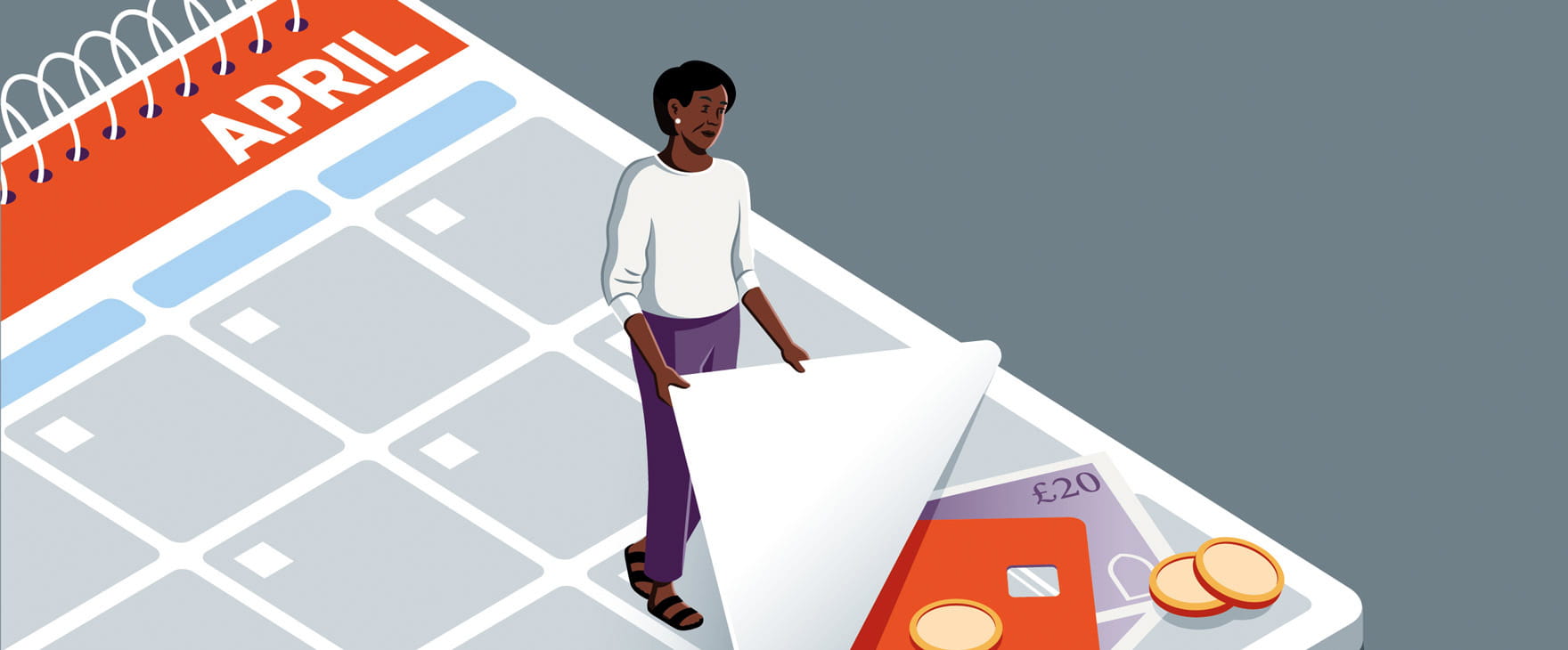
With the start of the new financial year on 6 April, our money expert explains the changes to your pension, benefits and taxes.