5 foods that boost your magnesium levels
Magnesium is often claimed to help with sleep, but it has a whole range of potential benefits. And you can get more of it from eating the right foods.
Getty
Magnesium is often claimed to help with sleep, but it has a whole range of potential benefits. And you can get more of it from eating the right foods.
Are you getting enough magnesium? If you’re not, you might not know about it, not least because the signs of a deficiency – including tiredness, muscle cramps and not feeling hungry – could be also apply to other conditions.
Magnesium has become a bit of a buzz word recently and a study showed that 60% of people aren’t getting enough. The NHS recommends 270mg a day for women and 300mg for men. Too much (more than 400mg), though, can cause diarrhoea.
Dr Thuva Amuthan, GP and founder of Dr Derme Skin Clinics, explains that keeping our levels up is even more important as we get older.
“Magnesium helps the body release energy from food and supports normal muscle, nerve, heart and bone function,” he says. “These roles are especially relevant as we age, while a reduced appetite, a less varied diet, some health conditions and medicines can increase the risk of low magnesium.”
But one important thing to note is that some of the symptoms of magnesium deficiency are quite broad, so if you’re having persistent problems it’s best to consult your GP.
“Early symptoms can be vague, including fatigue, weakness, reduced appetite and nausea,” says Dr Amuthan. “More significant deficiency may cause muscle cramps, tremors or an abnormal heart rhythm, but these symptoms have many possible causes and should be medically assessed.”
Nutritionist Jo Sharp, who works with vitamin and supplements brand Solgar, agrees. “We store magnesium in the muscles and the bones, so it’s quite hard to assess whether you’re low on it from a blood test,” she says.
“Symptoms can be varied, such as constipation, tiredness, cramping and muscle twitching, but they could be down to something else.”

A balanced diet should give us enough magnesium, but it’s vital to pack in the right nutrients.
“Most people can obtain enough from a balanced diet containing leafy green vegetables, beans and pulses, nuts, seeds and wholegrains,” says Dr Amuthan. “Supplements are not routinely necessary and anyone with kidney problems or taking regular medicines should check with their doctor or pharmacist first.
“Magnesium is sometimes promoted as a cure-all for sleep, cramps and fatigue, but these symptoms should not automatically be assumed to represent a deficiency. Some medicines, including long-term acid-reflux treatments and certain diuretics, can affect magnesium levels.”
Different type of magnesium supplements are available, but there’s a simple advantage to getting what you need from your diet.
“It’s a lot more joyful to get your magnesium from food, when you’re tasting something delicious and sharing it with a friend or family,” says Sharp. “You’re not going to have the same emotional response to it [as a supplement].
“But if you’re not getting what you need from food, supplements are there to do exactly what they say, which is to supplement your diet, not to replace anything.”
Here are 5 ways you can get more magnesium into your diet.
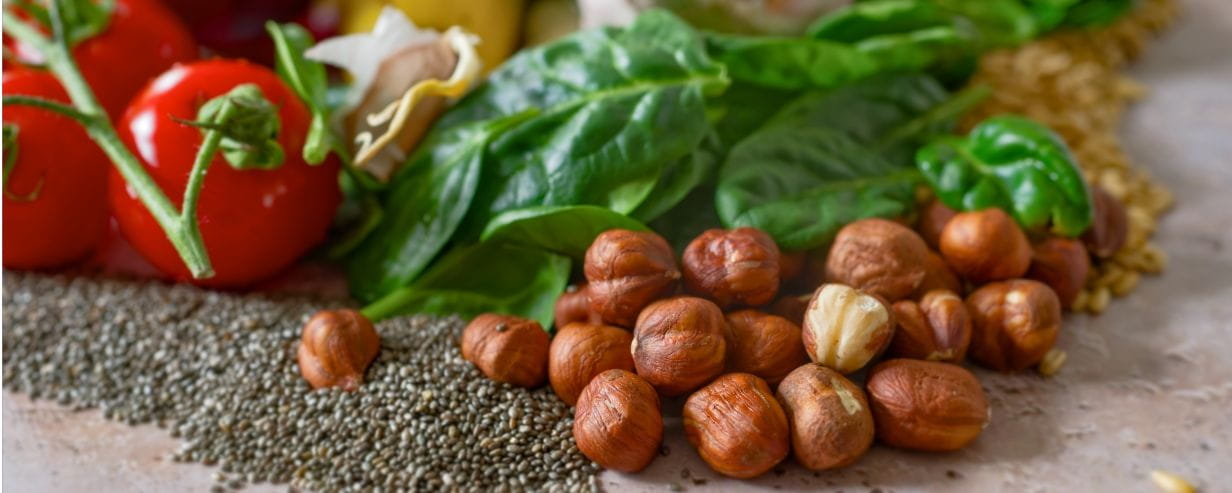
They may be small, but in terms of magnesium, these seeds and nuts are mighty. “You can find magnesium in both animal products and vegetables,” says Sharp.
“One of the richest sources is pumpkin seeds, but you’d need a lot of them to get the benefit and they can be hard to chew.” A sprinkle on your salad or a handful as a snack will give you a boost.
Walnuts for heart health and almonds for muscles: take a look at the health benefits of nuts.

It’s a base for salads, a trusty side dish and a smoothie ingredient. “If you have about a cup of cooked spinach, you’ll get around 150mg of magnesium and organic might have a little more,” says Sharp.
“Spinach is best eaten raw because it will have more chlorophyl, but magnesium is pretty robust so it’s fine to cook it.”
Munching on the leafy green has many other benefits, too. “You’re getting iron, folic acid and it’s a really good source of potassium,” Sharp explains. “It’s very rich in vitamin C, which works really well with the iron.”
It’s worth noting that leafy greens such as spinach and kale are high in vitamin K, which the body needs for blood clotting, so they’re best avoided if you’re on blood thinners.

If you’re wondering who has time to soak black beans for 24 hours, pick up the ready-to-eat version in a tin.
“Black beans are a real hero food because you get the magnesium and iron and they’re really high in plant protein, with lots of fibre,” says Sharp. “And they’re pretty affordable.”
Add them to salad and rice-based dishes for more protein and fibre, as well as meat and stews, and if you really don’t like them mash them up.

Oily fish including salmon and mackerel are high in magnesium. “I’d recommend a salmon fillet rather than smoked salmon,” suggests Sharp. “It’s also a brilliant source of omega-3 as well as protein.”

Before you start reaching for a chocolate bar, bear in mind that the dark version is better when it comes to magnesium content.
“It has to be at least 70%,” says Sharp. “It’s the cocoa that really has the minerals. Having two or three squares instead of the whole bar is better.”

Alcohol, sugar and processed foods are, perhaps predictably, not great if you want to keep your magnesium levels up, but the key is moderation.
“If you go out for dinner and you have this lovely salmon and a lovely dark chocolate torte, but end up drinking a bottle of wine, that might not be the best thing to do,” says Sharp.
“Anything that has a diuretic effect, whether that’s alcohol, tea or coffee, will mean you’re peeing out minerals. You’re flushing things out.”

If you’re thinking of taking a magnesium supplement, the different types can be confusing.
“This can be good for anyone who’s a little bit constipated, but for that reason always start low and slow, building up to the recommended dose on the bottle,” says Sharp. “If you can’t swallow a large tablet, you can crush or cut it and the magnesium will remain stable.”
“It’s very gentle on your gut and is good to help you relax and unwind,” says Sharp. “You might want to take it in the evening.”
Many different brands of magnesium are available, including Solgar Magnesium Citrate (RRP £15.60 for 120 capsules) and Magnesium Glycinate (RPR £15.99 for 60 capsules) Solgar also offers Magnesium Threonate, which studies suggest could help with cognitive performance (RRP £37.99 for 60 capsules).


Buy direct and start a new Saga Health Insurance policy by the end of 10 December 2026 to get your first 3 months free. T&Cs apply.
Underwritten by Bupa Insurance Limited.

Find out about Saga’s walking holidays here…
Saga’s walking holidays are perfect for exploring Europe’s stunning destinations on foot. They’re suitable for all fitness levels and offer a well-balanced mix of guided walks and relaxation.

Expert nutritionists break down the most important foods to eat in each decade as we get older.

We reveal the 7 best tinned foods to supercharge your health while saving you time and money.
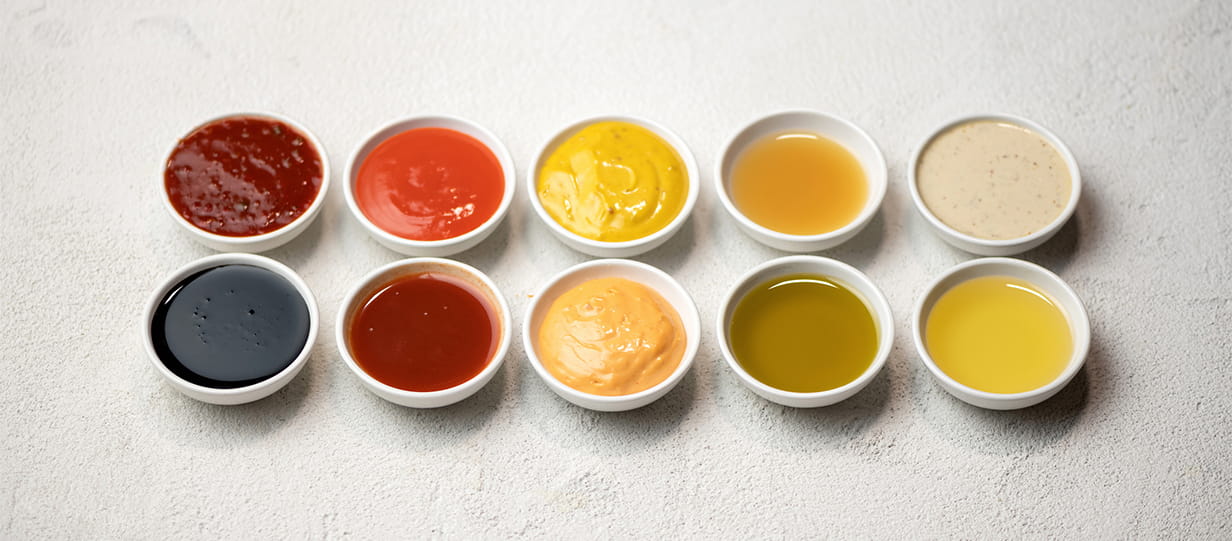
From ketchup to mayo – how healthy are your sauces? We find out the pitfalls and surprising benefits of our favourite condiments.

Could honey be the sweetest way to supercharge your health this year? Our experts explain the benefits and which to buy.

Our expert guide to the common foods you shouldn't mix with prescription drugs.

Experts reveal whether chilled supermarket soups are worth the extra cost and if some flavours are better for you than others.

Looking after your gut health could be one of the biggest things that you can do for your overall health. Here are the best foods to keep your gut happy.
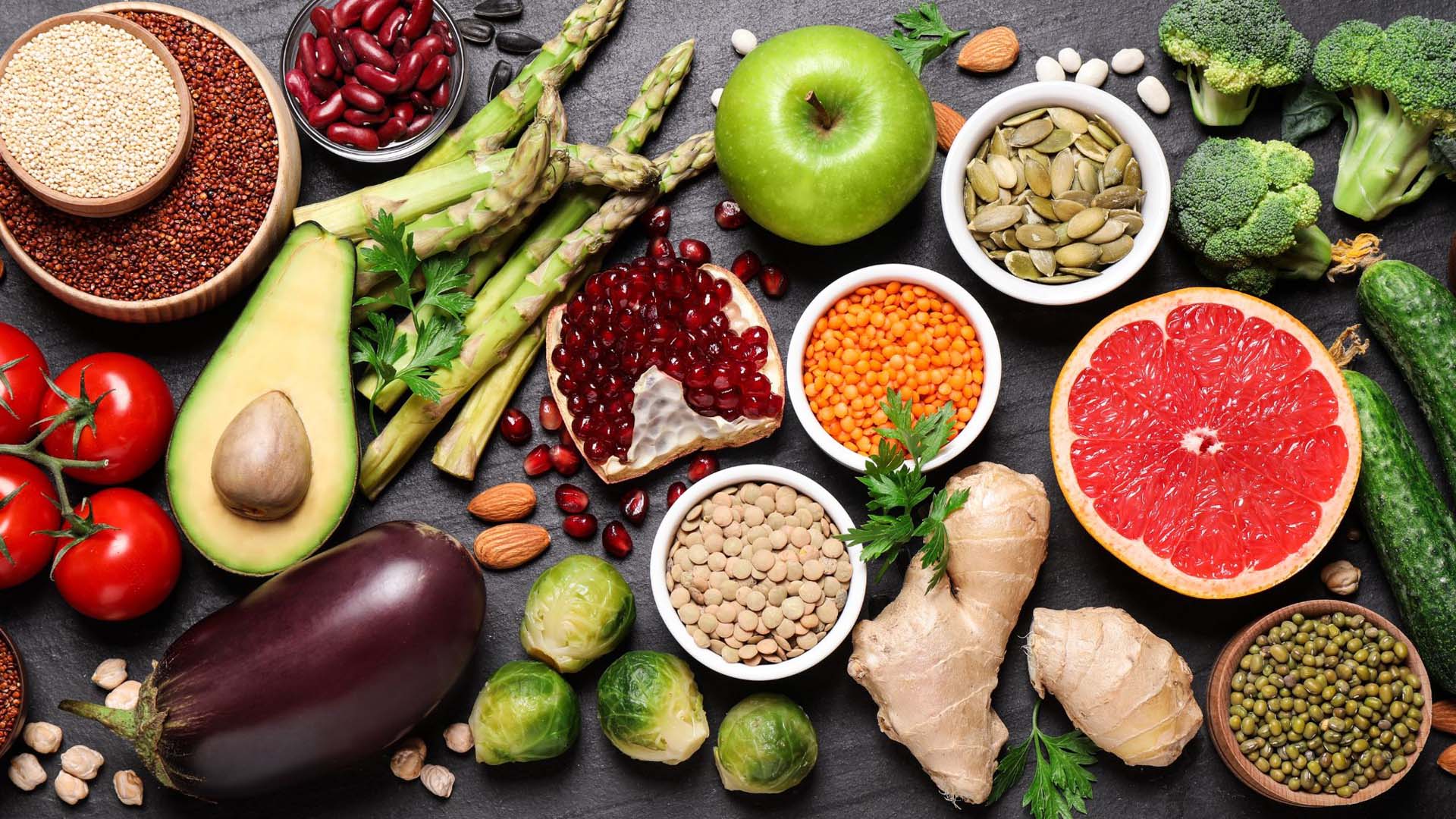
The foods that could help you live longer and protect against chronic illness.


A dietician reveals which foods can help protect vision and prevent age-related eye conditions.
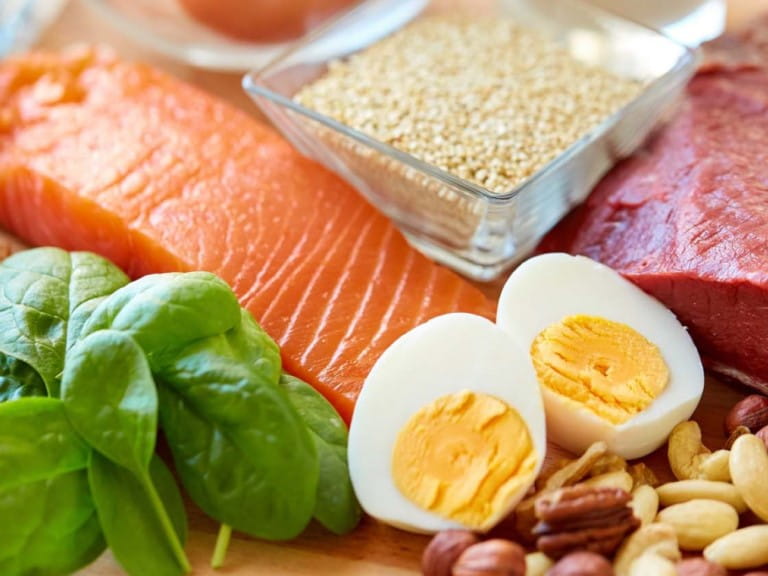
Everything you need to know about protein, from how it benefits your body to the best high-protein foods – and how much you really need.