5 frozen foods you should never cook straight from the freezer
Which freezer favourites could put your health at risk if they are not defrosted first? Food safety experts provide the answers.
Getty
Which freezer favourites could put your health at risk if they are not defrosted first? Food safety experts provide the answers.
Forgotten to take tonight’s dinner out of the freezer to thaw? We’ve all been there. But surely it’ll be fine to stick it straight in the oven or air-fryer, albeit with a longer cooking time? Or maybe even just give it a quick blast in the microwave beforehand?
Not necessarily when it comes to some of our favourite frozen foods, say scientists.
A recent Food Standards Scotland survey found that only half of respondents thawed meat and fish in the fridge fully before cooking. While defrosting at room temperature is appealing when we’re short on time, the risk of food poisoning can be higher.
Narriman Looch, head of food hygiene and foodborne disease control at the Food Standards Agency (FSA), says a slow and steady defrosting process is the safest way to ensure our freezer products are completely thawed before we start cooking.
“Food must be fully defrosted – all the way through to the middle of the food, usually the densest bit – before cooking unless the manufacturer’s instructions say to cook from frozen”, explains Looch.
“Partially defrosted foods will not cook evenly. And when cooking straight from frozen it takes longer for the heat to reach the centre, and longer to reach the temperatures needed to destroy the foodborne viruses and bacteria that can cause food poisoning,” she adds.
Roberta Fe is a scientific adviser for the Health Food Manufacturers’ Association (HFMA) and says that a common mistake when cooking from frozen is that our food may look perfectly cooked on the outside, while the centre remains cold or even frozen.
“That’s why small vegetables or fish fingers can usually be cooked from the freezer, while larger pieces of meat need defrosting first,” she explains.
“It’s not the freezing or defrosting itself that creates the risk, but the subsequent effects of inadequate cooking. While freezing stops bacteria from multiplying, it doesn’t necessarily kill them. Once food thaws, surviving bacteria can begin multiplying again.”
Lasagne, fish pie, stew and dumplings; they’re all ideal for batch-cooking in the colder months.
But fully defrosting one-pot meals beforehand is essential, says nutritional consultant Amanda Ursell. “There’s nothing more comforting than a hearty, homemade casserole or cottage pie and they’re a great way to pack in extra nutrients with plenty of vegetables, pulses and beans,” she explains. “But we should be in the habit of taking them out of the freezer to thaw fully in the fridge before we pop them in the oven.”
Ursell adds: “The depth of these dishes and the dense layers we have in meals like lasagna and moussaka can lead to uneven heating and leave behind the harmful bacteria and viruses that cause food poisoning.
“People aged over 65 are more vulnerable to foodborne illness, due a less robust immune system and underlying health conditions. This could mean a higher risk of serious health complications, so it’s essential to defrost our homemade dishes first to ensure they’re piping hot throughout.”
The FSA advises using a clean food thermometer to check that the core temperature of the thickest part of our meals is above 70°C before we serve up.
While the surface of the dish might be bubbling away and looking delicious, this isn’t an indication of safe heating throughout.

When shopping and cooking just for one, sausages from those six-packs will inevitably end up in the freezer. This is absolutely fine, but they should usually be fully thawed before cooking unless the packet says they can be cooked from frozen.
Defrosting in the fridge is the recommended method here. “This keeps them at a safe temperature during the thawing process,” says Looch. “Bacteria are more likely to grow when food is between 8°C and 63°C, which is known as the ‘Danger Zone’, and this can happen when we defrost on the kitchen counter or in water.”
Separating sausages before we freeze them can help with safety and speed when thawing. And the FSA says that we can use the microwave on its defrost setting if we have no other option, but our bangers must be cooked immediately afterwards.
Take extra care to ensure that no pink, uncooked pork remains within – they should be steaming hot throughout when you cut into them.
According to an FSA survey, almost a quarter of respondents said they never check that food is piping hot before eating or serving. So it’s a good food safety habit for us all to adopt (or keep) with all our cooking, not just sausages.
Many of us may find ourselves guilty of occasionally breaking one of the FSA’s toughest rules on food safety – taking our chicken portions from the freezer, popping them in a big bowl on the kitchen worktop and hoping they’ll defrost before dinnertime.
Covering them with cling film or a plate lid somehow makes this feel like safe practice, but it’s not. And this goes for using warm water to speed up thawing in the sink, warns the FSA.
Not only does defrosting on a work surface raise the risk of bacterial contamination around the kitchen and beyond, but it also doesn’t offer the reliable temperature control of a fridge. As chicken thaws, surviving bacteria, including salmonella and campylobacter, can begin multiplying again if temperatures slip into the danger zone.
Although the health implications of salmonella are well known, Campylobacter is the most common bacterial type of food poisoning in the UK, with more than 69,000 cases reported in England alone last year, according to the UK Health Security Agency. Of these cases, 43% were among people aged 50 to 79.
“Partially defrosted chicken can pose a risk because the outside may appear thawed while the centre might still be frozen,” says Looch.
“It’s much safer to defrost thoroughly on the bottom shelf of the fridge in a sealed container, which may take between 24 and 48 hours for larger chicken joints and cook within 24 hours to prevent bacteria reactivation.”
Thawing chicken in the microwave on the defrost setting is safe when needed, says the FSA, although it must be cooked immediately afterwards. A meat thermometer is recommended, as chicken needs to reach an internal temperature of 75°C.

It’s officially shepherd’s pie and chilli con carne season, but those blocks of frozen mince and batches of bolognese should be defrosted and cooked with caution, particularly with denser portions that are tempting to put straight in the pan. They’re quick to appear cooked or fully heated on the outside, but the centre needs more time to reach a safe temperature, even after it’s broken down.
Looch advises: “Some commercially manufactured products (such as shop-bought lasagne and frozen cooked mince) are made to cook from frozen, if this is stated on the packaging. The specific heating instructions for that product must be followed.”
To ensure an even, safe temperature when heating home-frozen foods containing mince, the FSA recommends defrosting fully in the fridge before cooking. Again, thawing in the microwave is OK if needed, but cooking must commence straight afterwards. And all minced-meat-based dishes should reach 70°C right through to the middle before serving.
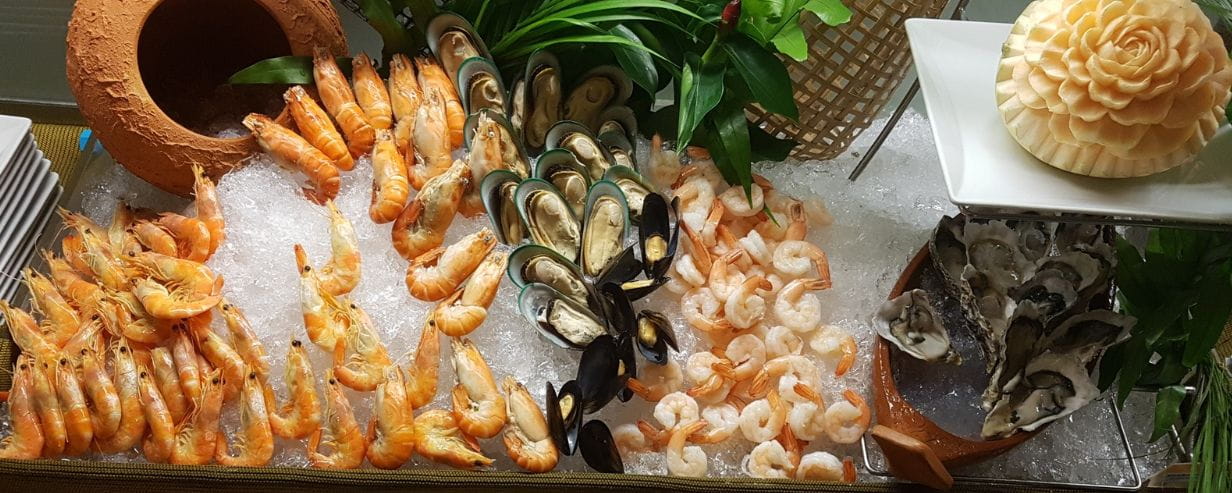
These wonderful sources of protein and omega-3s can pose significant health risks, often in the form of norovirus or infection from salmonella or listeria.
The NHS says we are right to be wary. Prawns can cause food poisoning if they aren't stored, defrosted or prepared correctly, so it's important to follow the instructions on the packaging. And being the most consumed crustaceans in the UK, frozen prawns should be prepared with care.
Whether you’re buying raw or cooked prawns from the freezer aisle, the FSA advises they should generally be fully defrosted in a covered container in the fridge before cooking, unless the packaging specifically says they can be heated from frozen.
Cooking prawns straight from the freezer can make them tough and over-done on the outside and cold in the centre, increasing the risk of bacteria survival.
If you’re nervous about eating cooked frozen prawns, always check the packaging instructions, but they can usually be eaten cold when fully defrosted, no cooking required. But if you’re adding them to a stir fry or pasta dish, for example, the FSA says that it’s important to make sure they’re heated all the way through.
And when cooking defrosted raw prawns, they should be pink and opaque throughout and firm to the touch before you tuck in.
Rest assured, longstanding freezer friends such as fish fingers, oven chips, packs of frozen vegetables and many breaded chicken classics are manufactured to be cooked from frozen.
But do double-check the cooking guidelines. And – thank goodness – frozen sliced bread can be safely popped straight into the toaster.
Indeed, Ursell urges us to continue to use the freezer for everyday cooking, while adhering to the food safety guidance given.
“Not only can it help to cut food waste and boost convenience – particularly if you live alone – the freezer can lock in essential nutrients,” she says.
In fact, some frozen foods can be just as nutritious as fresh, and in certain cases may even retain more nutrients.
Ursell adds: “For batch-cooking our heartier one-pot meals this winter, I recommend freezing smaller portions for a quicker, easier pre-cooking defrost.
"And always check the storage, defrosting and cooking instructions on your frozen supermarket products – even the ones you’ve been cooking for years – just to be safe.”


Buy direct and start a new Saga Health Insurance policy by the end of 10 December 2026 to get your first 3 months free. T&Cs apply.
Underwritten by Bupa Insurance Limited.

Your chance to win a 7-night cruise for two on board the Spirit of the Moselle, worth more than £4,400.

From rice to roast chicken, there’s a lot of confusing advice about leftover food. We ask the experts to separate fact from fiction.

Want to make the perfect brew? Then follow these expert tips
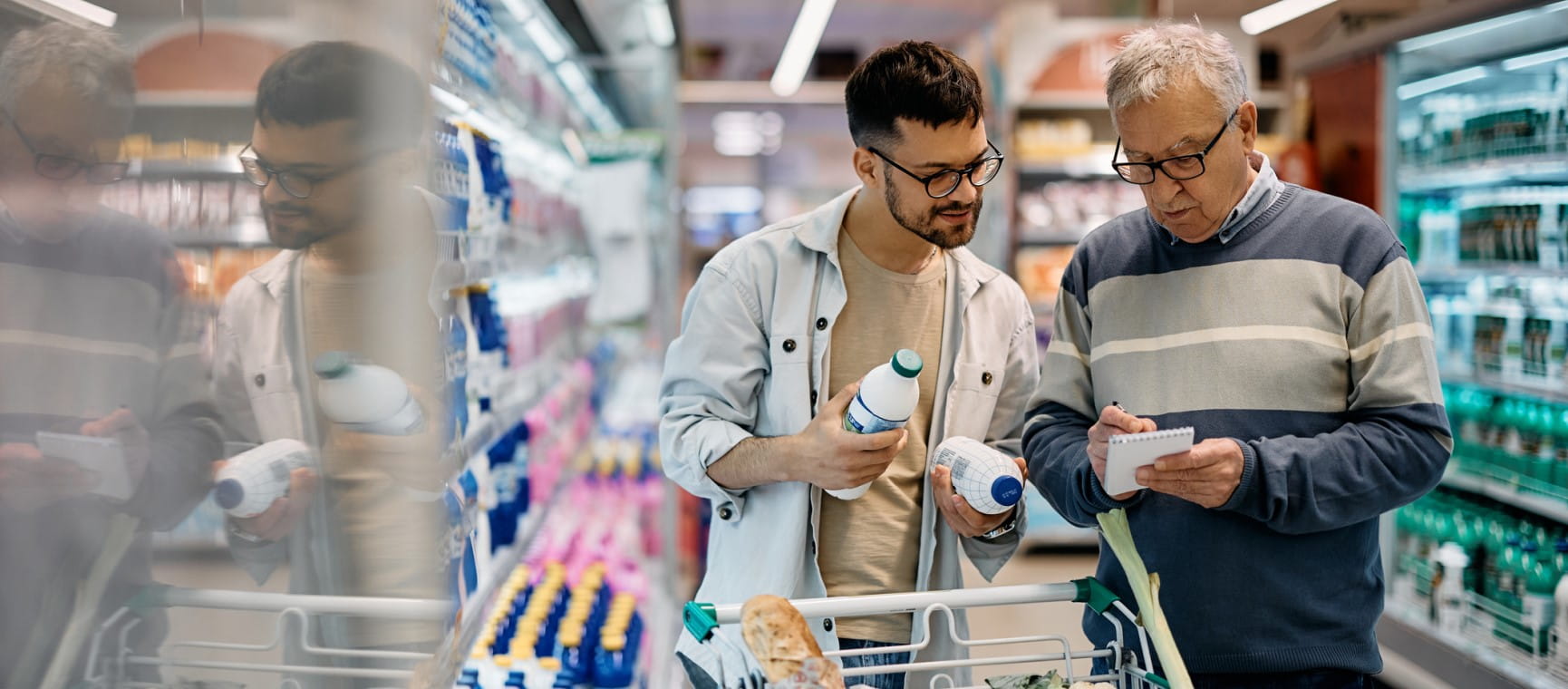
We’ve found the best money-saving alternatives to some of the most popular branded products.

We've got expert advice on how to cook up a feast in your air fryer in minutes.
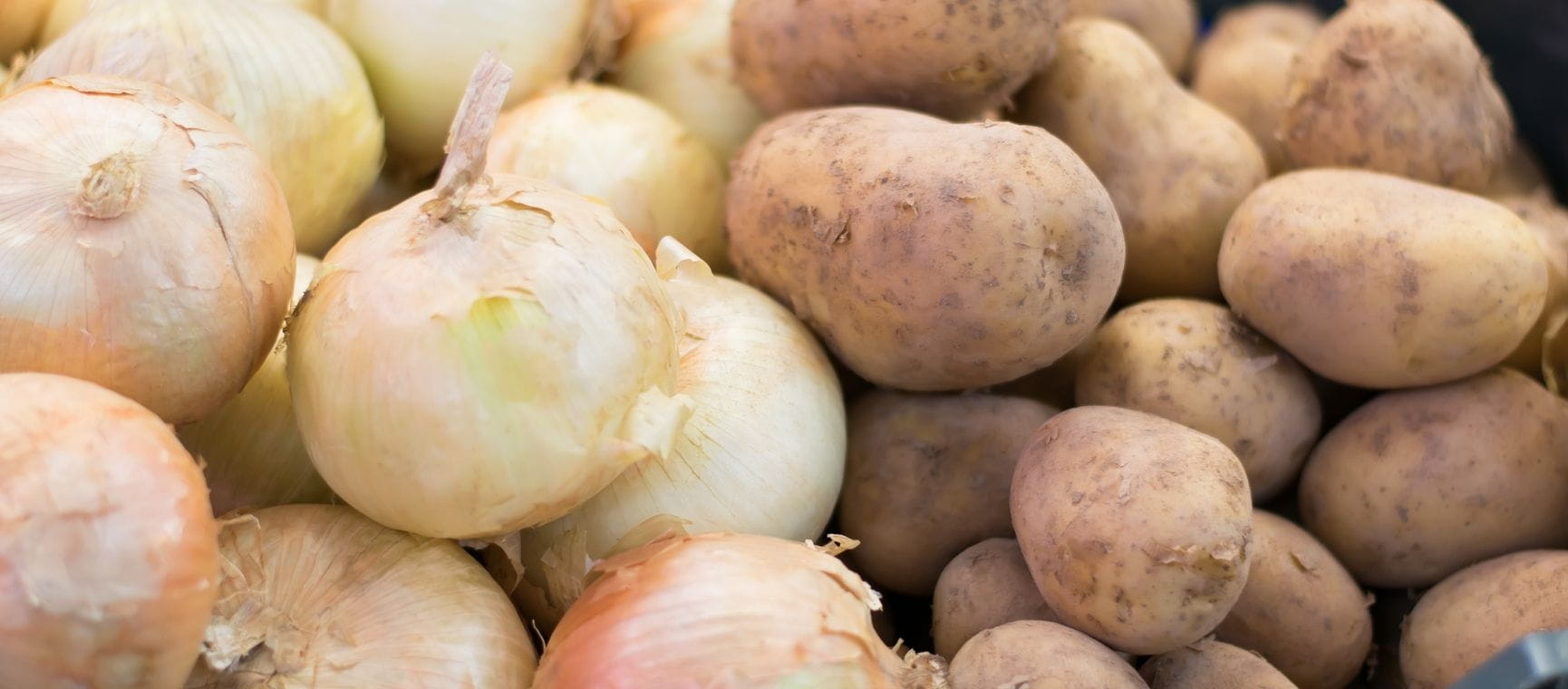
These foods will lose flavour and freshness if you store them in the fridge.