12 foods to boost testosterone naturally – and what to avoid
Hailed as the energy, libido and mood-enhancing hormone, which foods can naturally raise our falling testosterone levels as we age? Our experts have the answer.
A biologically active hormone in both men and women, testosterone plays essential roles throughout the body and mind and affects our energy levels, muscle mass and bone strength, along with cognitive and cardiovascular health.
It also impacts key neurotransmitters such as dopamine and serotonin, which can spark our libido and uplift our mood.
So it’s no wonder that a gradual decline in testosterone production as we grow older can leave us firing on far fewer cylinders if the levels become too low. The medical term for this is ‘hypogonadism’ and can be confirmed with a blood test with a GP or hormone specialist, and treatment may be offered in the form of testosterone replacement therapy (TRT).
NHS GP, men’s health expert and TRT specialist Dr David Weinstein says that most people will experience a natural decline from their late 30s or early 40s, with men typically seeing a steady decrease of around 1% per year. For women, the decline can often be linked to the menopause transition.
Interest in TRT is rife, with a recent surge in prescriptions according to the Care Quality Commission, and a host of celebrities including broadcasters Prue Leith, 86, and Piers Morgan, 61, are having open conversations about how plummeting testosterone levels can take all vitality down with it.
But for those who’d prefer to swerve hormone replacement therapy, public health nutritionist Summra Nasir says that vitamins and minerals can boost our levels naturally.
“While testosterone levels naturally decline with age, certain nutrients can help support healthy hormone production and reduce some of the physical and mental effects associated with lower testosterone, without necessarily turning to TRT,” Nasir explains.
“One of the most important is zinc, with lower levels being linked to reduced testosterone, and protein is also essential; not just for maintaining muscle mass as we age, but because hormones themselves rely on amino acids to function properly,” says Nasir.
Weinstein adds: “While there is no magic dietary cure for a clinical deficiency, certain nutrients provide the fundamental building blocks for healthy testosterone production. Zinc is essentially the spark plug for testosterone synthesis, alongside protein, which supports hormone production and preserves muscle mass as we age.”
Vitamin D and magnesium are also increasingly linked to testosterone support in those who are deficient, with studies showing a potential increase in men who take supplements.
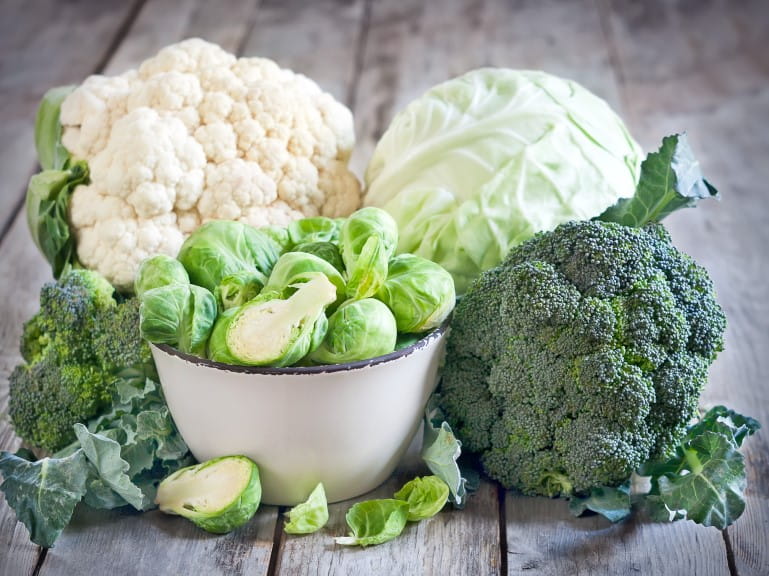
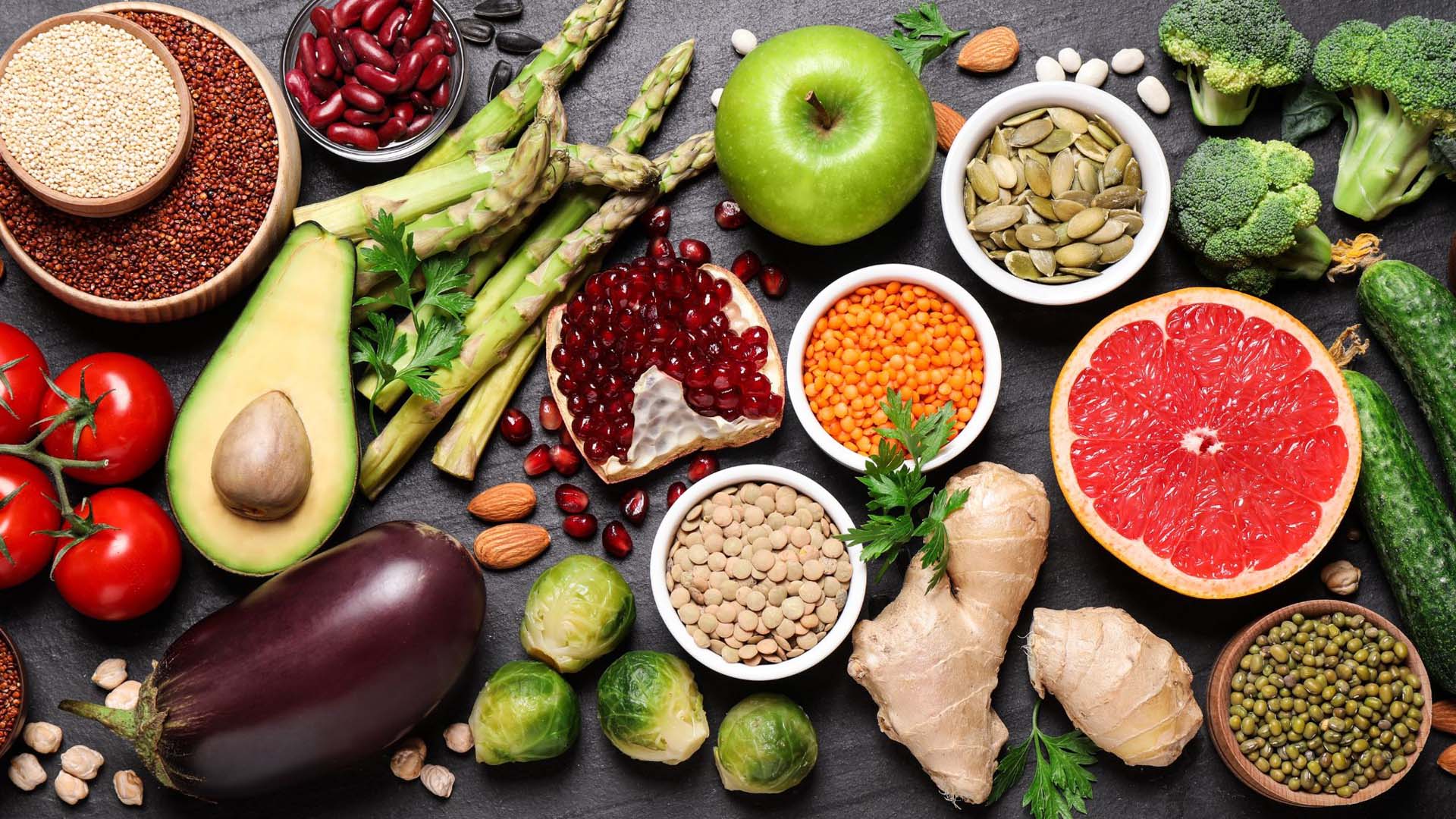
And compounds – such as indole-3-carbinol – found in cruciferous vegetables, like cabbage, kale and broccoli, can also help the body to metabolise and regulate oestrogen and indirectly support a healthier testosterone balance.
Healthy fats matter too, says Nasir: “Testosterone is synthesised from cholesterol, so diets that are excessively low in unsaturated fats may negatively affect hormone production.”
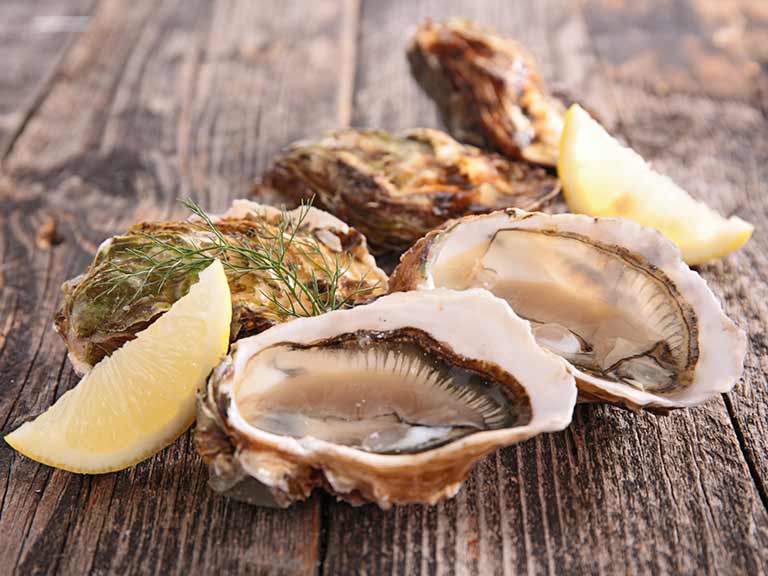
Love them or loathe them, these slippery molluscs are one of the richest natural sources of zinc.
“The ultimate biological fuel for testosterone production, oysters contain more zinc than any other food per serving,” says Weinstein.
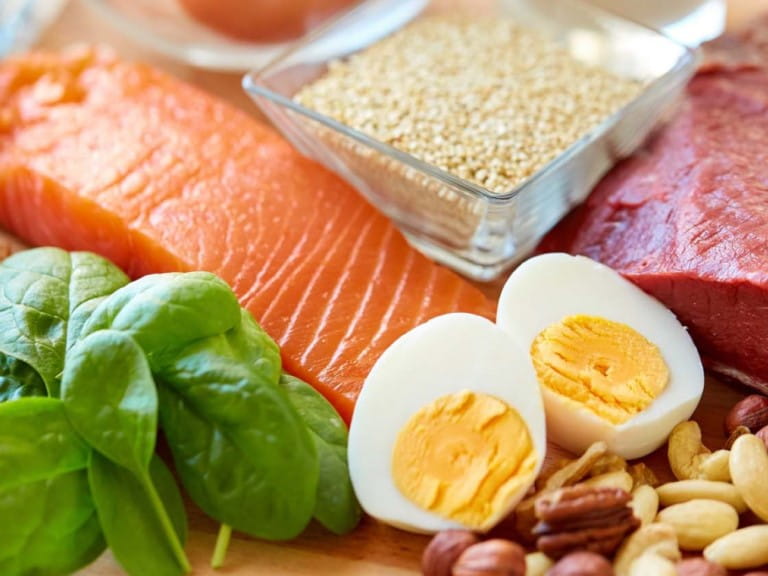
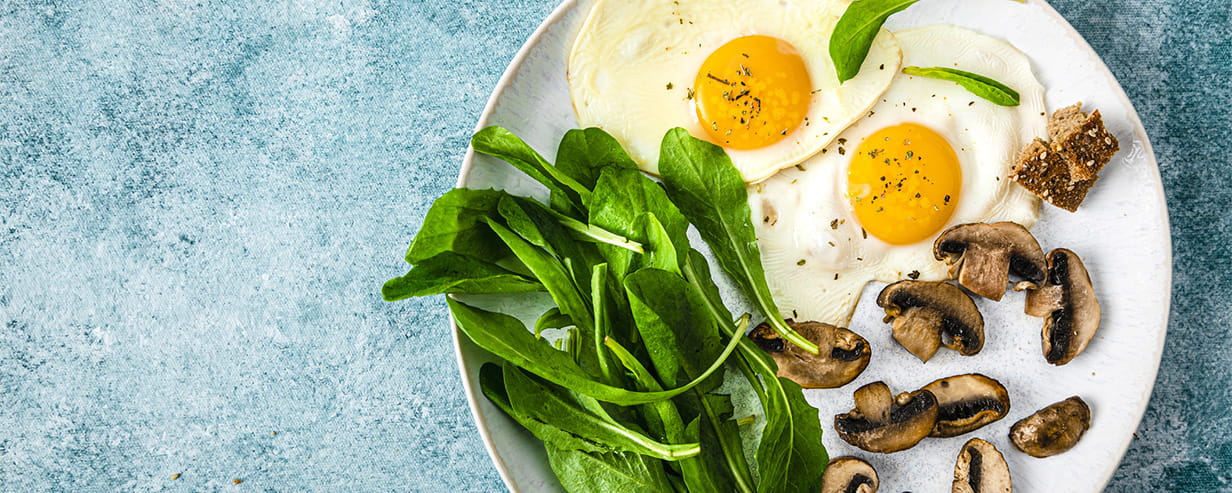
A well-known protein-provider, Nasir says that the humble egg can also pack a punch with other testosterone-friendly nutrients:
“The healthy fats and vitamin D found in eggs support hormone production and the cholesterol in the yolk itself is used to synthesise testosterone,” she explains.
Particularly beneficial for men, the compounds found in this cruciferous veg can help to improve the testosterone-oestrogen balance, essentially allowing testosterone to take the lead by supporting the body in clearing excess oestrogen, says Weinstein.
Rich in super-powered omega-3 fatty acids and vitamin D, salmon not only helps to reduce inflammation and improve metabolic health, our experts say that it can also support healthy testosterone production and raise baseline levels.
Pomegranates with their ruby-red jewel-like seeds are powerful reducers of oxidative stress and can also reduce cortisol.
“These processes actively protect your circulating testosterone from being depleted,” explains Nasir.
For the red meat fans among us, lean beef is a fantastic source of highly bioavailable protein, zinc and iron, all of which are essential for maintaining muscle mass and hormone health, including testosterone production, says Weinstein.
These magnesium-rich leaves can help to unbind testosterone from proteins in the blood, increasing its availability in the body, while giving muscle function and sleep quality a boost, agree our experts.
Forget about the social implications of this pungent bulb, because garlic is another testosterone-boosting tool in men’s diets, explains Weinstein: “It contains a compound called diallyl disulfide, which stimulates the release of ‘luteinising hormone’ – the chemical messenger that tells the testes to produce testosterone.”
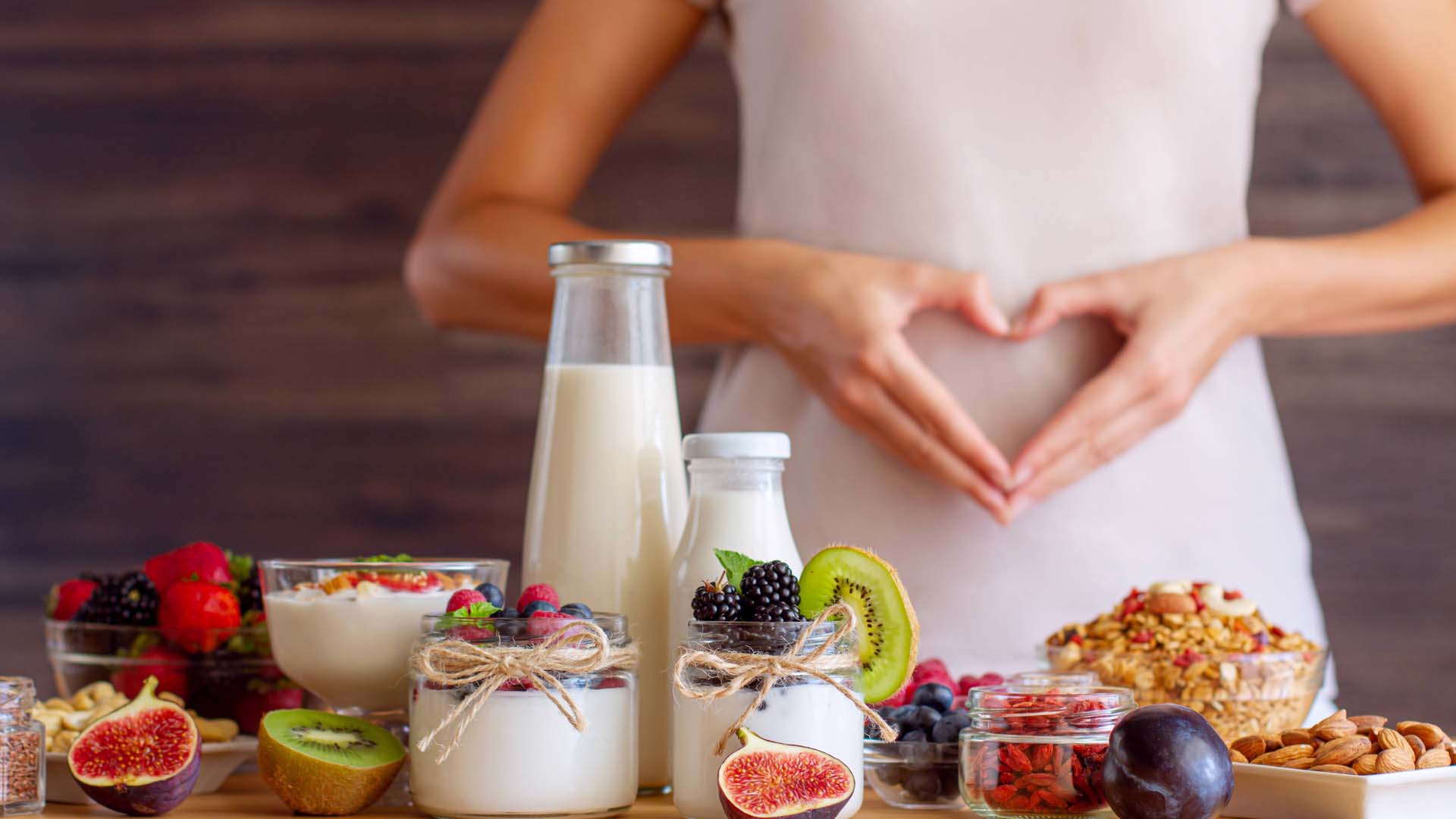
The combination of nutrients in this indulgent yogurt variety work together to supercharge testosterone.
“It delivers protein, calcium and probiotics, which support muscle maintenance, recovery and overall metabolic health and they’re all closely tied to healthy testosterone levels,” says Nasir.
Rich in testosterone-loving zinc and magnesium, Nasir explains that pumpkin seeds can also help us to recover from exercise.
Their antioxidant compounds may also ease oxidative stress, which can enhance hormone-producing tissues throughout the body.
Rich in monounsaturated fats and magnesium, avocados not only liven up our salad bowls with their satiating richness, they also act as a testosterone-booster.
“Avocados can really help support hormone production while benefitting heart and metabolic health in later life,” Nasir says.
Packed with oxidative-stress reducing polyphenols, Weinstein believes this Mediterranean Diet staple can effectively boost our vitality and testosterone levels.
“Olive oil provides an abundance of the healthy dietary fats needed for optimal cellular health and robust hormone synthesis, making it an ideal addition to anyone looking to support their testosterone production,” he explains.
Now that we know the testosterone-friendly tweaks to make to our diets, what foods and drinks should we actively avoid?
“The biggest culprits are alcohol and highly processed, sugar-laden foods, which wreak havoc on your endocrine system [the hormone communication network],” warns Weinstein.
“Heavy drinking, particularly excessive beer consumption, not only damages the cells that produce testosterone but also increases the conversion of your existing testosterone into oestrogen.
“Furthermore, a diet high in ultra-processed foods drives up inflammation and weight gain, leading to increased belly fat – which essentially acts as a biological sponge, soaking up and destroying your active testosterone.”
Sugary soft drinks should also be limited if we want to maximise healthy hormone levels, says Nasir: “Daily consumption of energy drinks, fizzy pop and sweetened fruit juices are associated with obesity, insulin resistance and metabolic syndrome, which we know are all conditions that are strongly linked to reduced testosterone levels.”
And diets that are consistently high in fast food, processed meats and pastries can also negatively impact our hormones. “Fast food, like takeaways, tend to promote obesity and inflammation, both of which are strongly associated with lower testosterone,” Nasir points out.
“Eating too much processed meat can lead to poorer cardiovascular and metabolic health, while the highly refined carbs and excess sugar in pastries can contribute to blood sugar and weight gain; all of which can indirectly suppress testosterone over time.”
A lack of sleep and spiralling stress levels in men are bad news for patients who want to tackle their plummeting testosterone levels.
“The two biggest lifestyle killers of testosterone in modern men are chronic sleep deprivation and unmanaged stress,” Weinstein says.
“If you are surviving on five hours of sleep and are constantly flooded with the stress hormone cortisol, your body will essentially shut down its testosterone production to conserve energy.
“Before turning to medical intervention, men must dial in their circadian rhythm by getting 7-8 hours of quality sleep and incorporate regular resistance training to naturally signal the body to build muscle and produce hormones.”
Nasir agrees and says that for both men and women a combination of good quality sleep, effective stress management, regular resistance training and maintaining a healthy weight are essential in promoting testosterone production.
“Diet is only part of the picture when considering healthy testosterone levels in the long term,” she explains. “Addressing both our nutrient intake along with these extra lifestyle factors can have a meaningful impact on energy, mood and physical performance, often without the need for TRT.”
But for those who are considering – or are already taking – TRT, Weinstein’s advice at his Sussex Well Man Clinic is clear. “TRT is a medical tool, not a free pass to ignore your lifestyle.
“If you are putting premium fuel into the engine via medical treatment, you still need to make sure the oil and water – in other words, your diet and nutrition – are topped up to get the maximum benefit.
“A nutrient-rich diet along with prioritising sleep and combatting stress ensures your body can actually utilise the treatment effectively, helping to rebuild lost muscle, clear brain fog and fully restore your vitality.”
Nasir shares her favourite meals for maximum hormone-boosting nutrition.
“Roast or pan-sear a salmon fillet, cook quinoa, sauté spinach with garlic and olive oil and top everything with eggs and sliced avocado. Pumpkin seeds can be added for extra zinc and magnesium.”
“Roast sweet potatoes, steam or roast broccoli, and sear the steak with garlic and rosemary for a balanced, nutrient-dense meal.”
“Brown chicken thighs in olive oil, sauté onions and tomatoes, then stir in chickpeas and spinach. Finish with feta cheese and pumpkin seeds before serving. This meal combines protein, healthy fats and micronutrients that support overall hormonal health.”
Emma Lazenby is entering her third decade in journalism, after starting her reporting career on the Yorkshire Evening Post as a teenager.
She’s loved every minute, with contributions to the Sun, Daily Telegraph and women’s magazines, between stints as a Lifestyle Editor for the Press Association and TV Producer for GMTV and Steph’s Packed Lunch.
Emma has covered mental and physical health, charity campaigns, fashion and beauty, travel, food and parenting with celebrity and inspirational real-life interviews featuring heavily.
Health insurance for people over 50 that provides a quicker route to diagnosis and planned medical treatment in a private facility.
Underwritten by Bupa Insurance Limited.
Some Saga holidays include soothing or spiritual activities like joining a traditional tea ceremony in Japan, practising yoga in India or bathing in Iceland’s Blue Lagoon.
Expert nutritionists break down the most important foods to eat in each decade as we get older.
We reveal the 7 best tinned foods to supercharge your health while saving you time and money.
From ketchup to mayo – how healthy are your sauces? We find out the pitfalls and surprising benefits of our favourite condiments.
Could honey be the sweetest way to supercharge your health this year? Our experts explain the benefits and which to buy.
Our expert guide to the common foods you shouldn't mix with prescription drugs.
Experts reveal whether chilled supermarket soups are worth the extra cost and if some flavours are better for you than others.
Looking after your gut health could be one of the biggest things that you can do for your overall health. Here are the best foods to keep your gut happy.
The foods that could help you live longer and protect against chronic illness.
A dietician reveals which foods can help protect vision and prevent age-related eye conditions.
Everything you need to know about protein, from how it benefits your body to the best high-protein foods – and how much you really need.